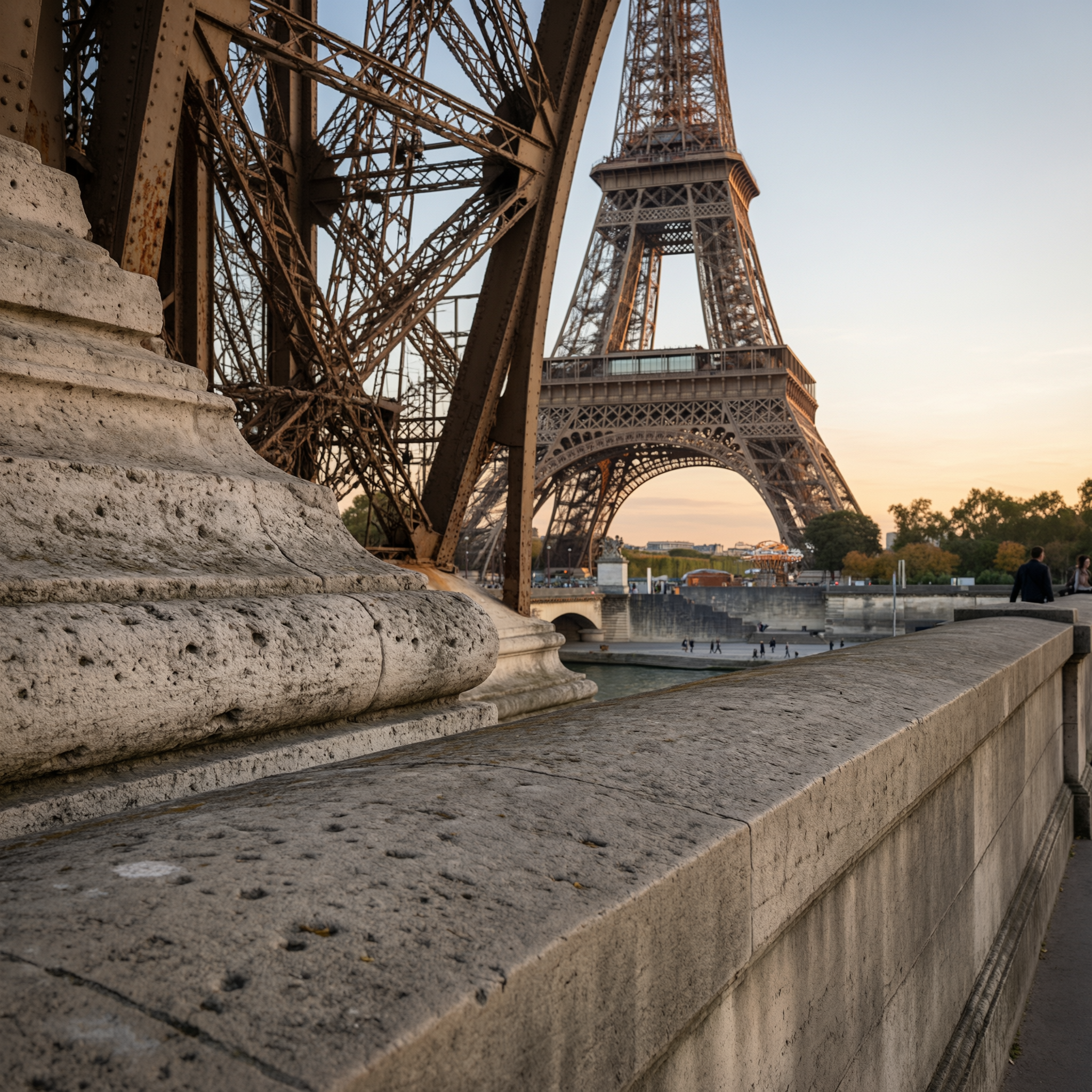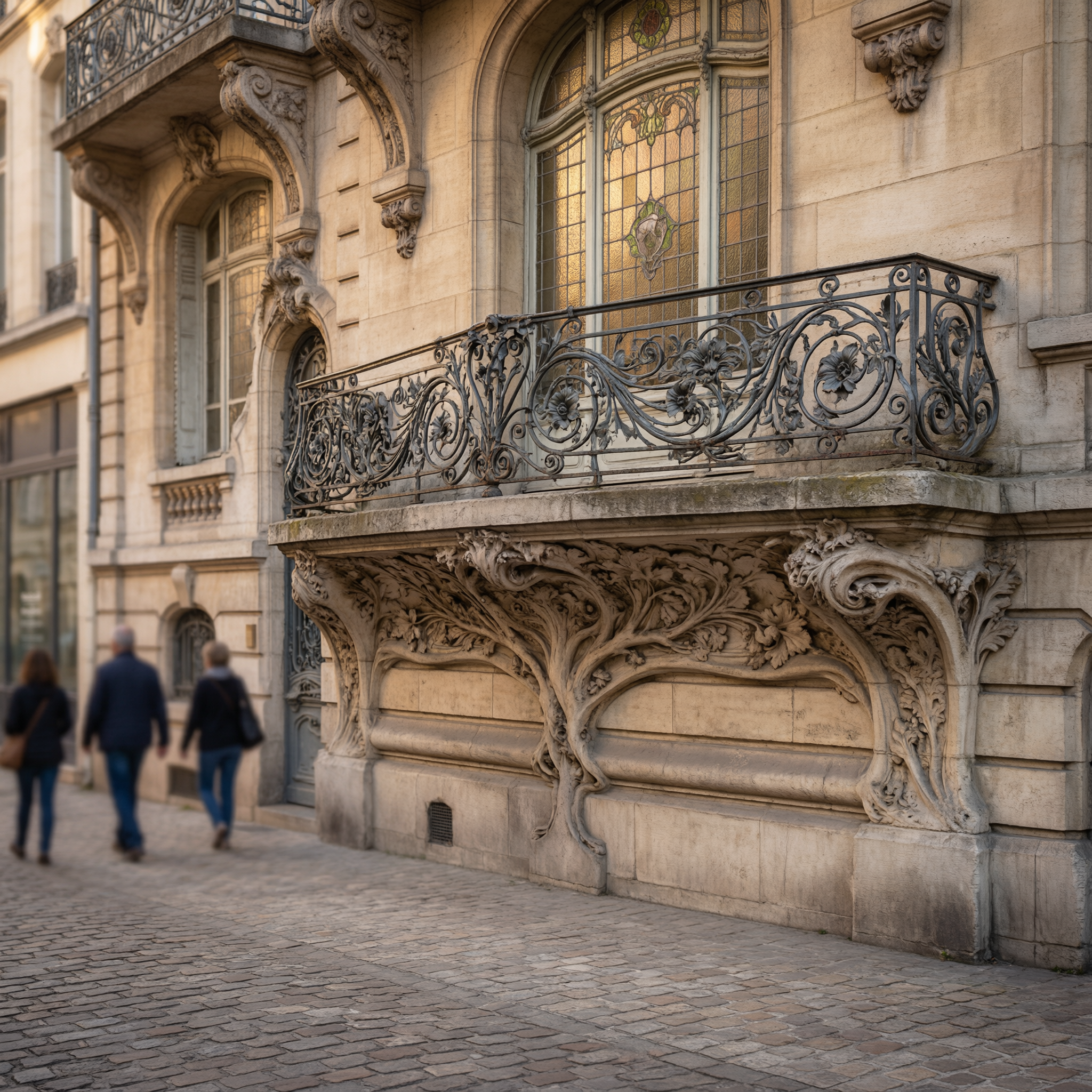
Strolling through Nancy, I was captivated by the Art Nouveau architecture lining its streets. The impact of the École de Nancy is clear, with artists like Louis Majorelle and Émile Gallé leaving lasting impressions. Each structure, with its intricate stained glass and graceful lines, seems to narrate a story from an era where art and architecture blended seamlessly.
Before you go: Visitor details can change. Check Musée de l'École de Nancy and Brasserie Excelsior Nancy before you go.
Nancy and Art Nouveau Areas
Strolling through Nancy, I was immediately struck by the captivating Art Nouveau architecture between the railway station and Place Stanislas. This lively area highlights the city’s deep appreciation for the Art Nouveau movement, with buildings that seem alive with decorative details.
The impact of the École de Nancy, or Nancy School, was unmistakable. This collective of artists and architects had reshaped the city with a natural elegance. The stained glass windows, particularly on the Villa Majorelle, caught the sunlight beautifully, showcasing the skill of Jacques Gruber.
Nancy’s commitment to Art Nouveau extended beyond grand structures; even the shop fronts from over a century ago retained their unique charm. These pieces of history whispered stories of an era where technological progress met artistic expression. As I wandered further, I felt a strong connection to the city’s past, its streets filled with tales of creativity and cultural growth.
Villa Majorelle
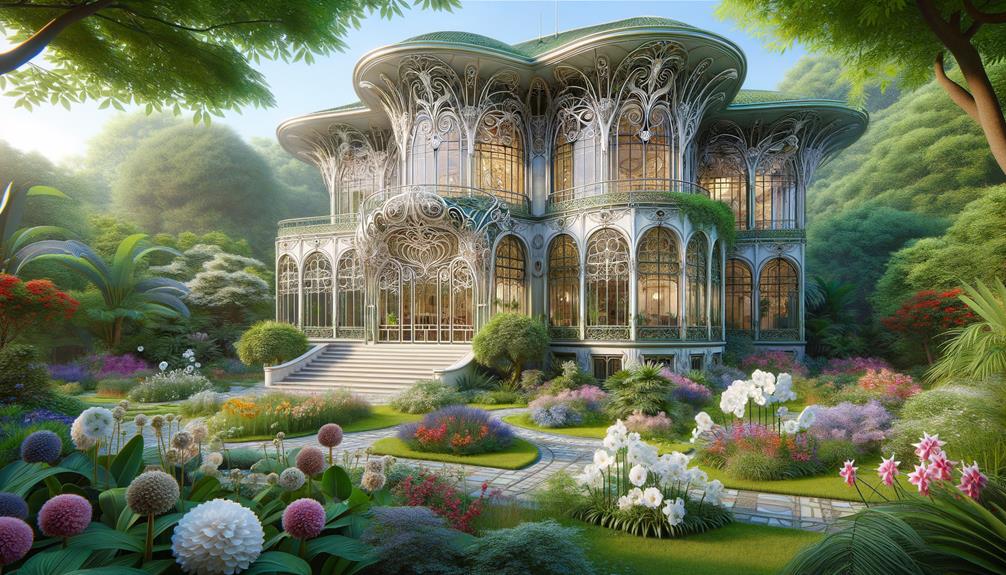
Stepping into Villa Majorelle, designed by Henri Sauvage in 1901, is to experience a beautiful example of the Art Nouveau style, with its flowing lines and detailed craftsmanship.
The stained glass windows by Jacques Gruber are simply stunning. When sunlight streams through them, the whole interior lights up with lively colors. The wrought-iron work, inspired by the honesty seed pod, adds a touch of natural elegance and sophistication.
As I wandered through the rooms, its architectural significance was obvious, breaking away from traditional designs of its time. Now owned by the city of Nancy, Villa Majorelle is open to the public, with online ticket reservations recommended. It is open Wednesday to Sunday from 2 PM to 6 PM, with guided tours on Saturdays and Sundays at 11 AM.
This villa is a piece of art that reflects a time when architecture and nature blended to create something truly special.
Saurupt Park
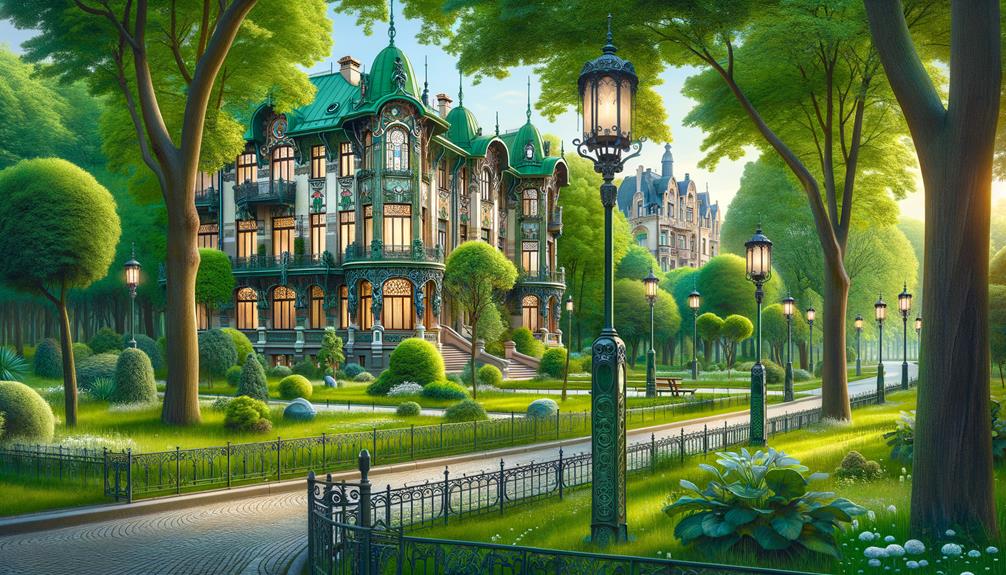
Strolling through Saurupt Park, I was struck by the stunning floral designs on the finished houses, each a nod to the elegance and detail of the Art Nouveau style. This park in Nancy was originally planned as a garden city.
Among these beautiful homes, Villa Les Glycines, Villa Les Cigognes, and Villa Lang truly shine. Each one captures the spirit of Art Nouveau, combining natural forms with innovative architecture. Villa Les Glycines features intricate floral designs, while Villa Les Cigognes stands out with its graceful curves and organic shapes. Villa Lang’s intricate details are a visual treat, celebrating Nancy’s artistic heritage.
Saurupt Park offers a unique view of the transition from Art Nouveau to Art Deco in the houses built after the war. Initially planned for 88 properties across 18 hectares, the park now provides a fascinating glimpse into an era of ambitious architecture. As I wandered through, I felt a sense of freedom, as if the creative energy of early 20th-century Nancy was still present in every design detail.
City Center Art Nouveau
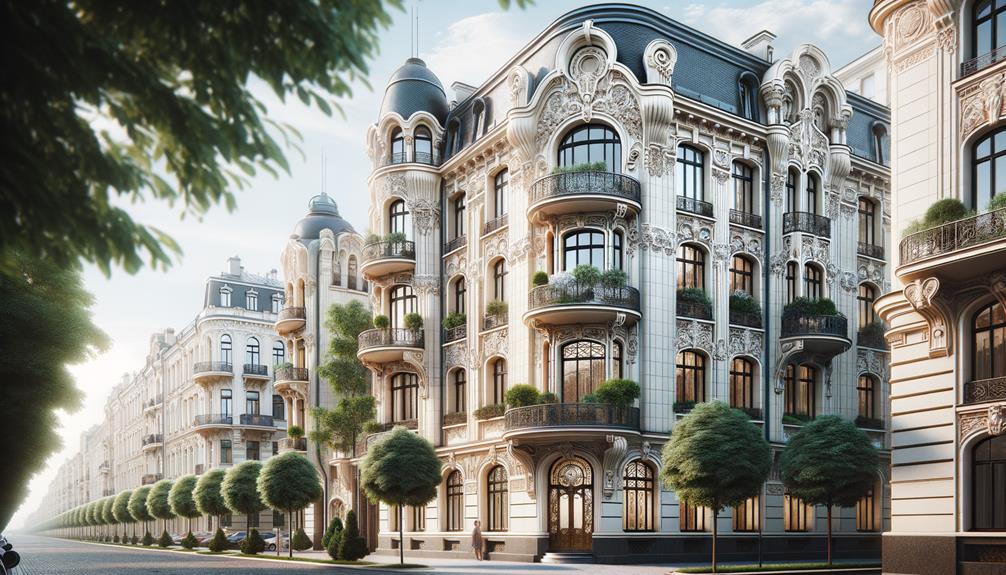
Walking through the heart of Nancy, between Place Stanislas and the railway station, you’ll find yourself surrounded by a striking display of Art Nouveau architecture. The early 20th-century designs here are a lively mix of artistry and innovation.
One eye-catching building is the former Renauld bank from 1910. Its corner turret is a real standout feature that draws attention upward. A bit further along, you’ll encounter the Genin-Louis grain factory, built in 1901. Its bold blue metal structure is a beautiful blend of industrial strength and artistic creativity.
The Crédit Lyonnais bank is another gem in this area. Designed by Jacques Gruber, it features a grand glass roof that bathes the interior in natural light. The building’s detailed ornamentation perfectly captures the essence of Nancy’s Art Nouveau style.
Strolling through these streets feels like a journey back in time, yet the artistic freedom of the era still feels fresh today. Nancy’s city center is like an open-air museum of Art Nouveau, inviting everyone to appreciate its beauty.
The Heart of the Business District
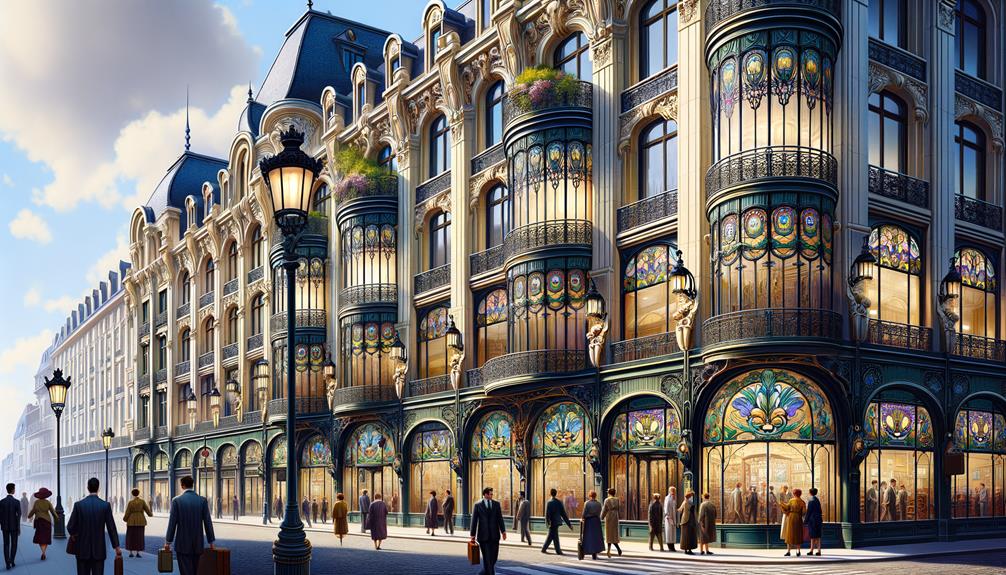
Strolling through Nancy’s business district, I admired the artistic touch at every turn, especially at the Brasserie l’Excelsior. These buildings are masterpieces that tell stories from the early 1900s. The Crédit Lyonnais bank’s monumental glass roof is a stunning example of the Nancy School’s influence on the entrepreneurial spirit of that era.
Artistic Commercial Landmarks
Nancy’s business district around 1900 is a treasure trove of Art Nouveau, brought to life by the creative minds of the Nancy School artists. Walking through this area, you’re struck by how art and commerce effortlessly merge. The buildings aren’t just functional; they’re true works of art.
- Excelsior Brasserie: Opened in 1911, this famous restaurant dazzles with sculpted ferns, mosaic floors, and Daum chandeliers. It’s a designated historical landmark.
- Crédit Lyonnais Bank: Built in 1901, this bank features the intricate designs of Jacques Gruber, a prominent figure in the Nancy School.
- Technological Innovation: These buildings highlight not just decorative arts but also the innovative spirit of early 20th-century Nancy.
Each structure tells a story, capturing the essence of Art Nouveau while serving as a commercial hub. These buildings are a nod to the lasting impact of the Nancy School artists.
Iconic Businesses’ Historic Roots
Walking through the business district, you can’t help but admire how iconic spots like Brasserie l’Excelsior and the Crédit Lyonnais bank beautifully mix historic roots with Art Nouveau flair. The intricate designs of these buildings, influenced by the Nancy School artists, give a clear view of the city’s rich architectural past.
The Crédit Lyonnais bank, built in 1901, features detailed ironwork and floral motifs, signature elements of Art Nouveau. Brasserie l’Excelsior, located near the train station, has been welcoming guests since 1911. Its interior, a blend of wood, glass, and light, celebrates the artistic talent of the Nancy School.
| Iconic Business | Year Built | Art Nouveau Elements | Location |
|---|---|---|---|
| Brasserie l'Excelsior | 1911 | Ornate woodwork, glass, light | Near train station |
| Crédit Lyonnais bank | 1901 | Intricate ironwork, floral motifs | Business district |
| Former Seed Shop | 1901 | Decorative arts, innovative design | Business district |
These landmarks aren’t just commercial spaces; they’re living museums that showcase the blend of technological innovation and decorative arts defining Nancy’s architectural legacy.
Architectural Masterpieces Cluster
Right in the heart of the business district, I am captivated by the remarkable architectural gems that highlight Nancy’s Art Nouveau charm. These buildings are more than just structures; they’re works of art crafted by the talented hands of the Nancy School’s masters.
- Brasserie l’Excelsior: Established in 1911, this historic venue features sculpted ferns, mosaic floors, and Daum chandeliers.
- Crédit Lyonnais Bank: From 1901, this structure boasts impressive Art Nouveau motifs that underscore the bank’s elegance.
- Sculpted Ferns and Mosaic Floors: These elements are scattered throughout the area, adding a lush, organic touch to the urban landscape.
Brasserie l’Excelsior, with its sculpted ferns and mosaic floors, is a visual delight. The Crédit Lyonnais bank, showcasing Jacques Gruber’s intricate designs, tells the story of Nancy’s artistic journey. This cluster is a testament to the city’s rich cultural heritage, where every corner offers a new narrative.
Around the Saint-Marie Park
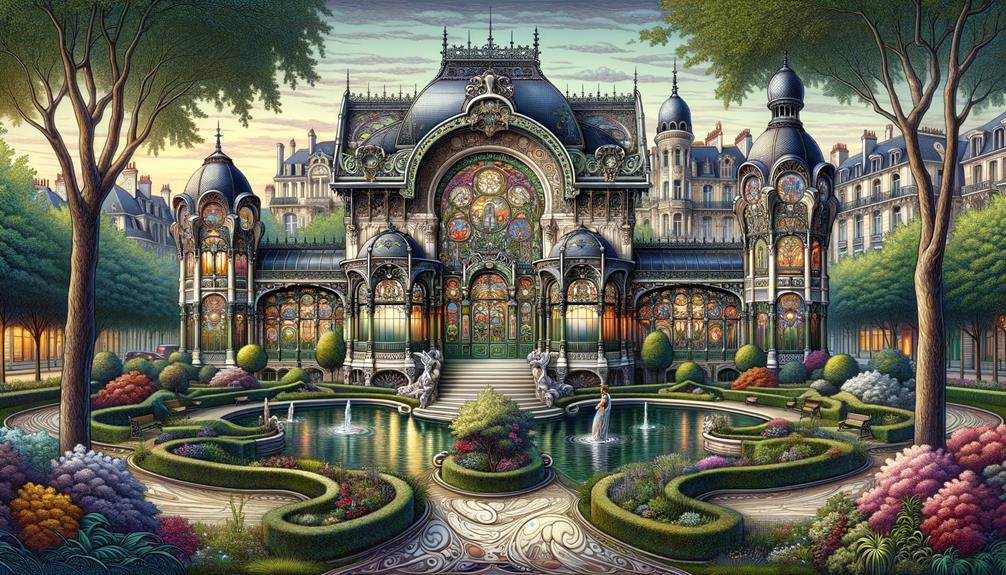
Tucked away around the tranquil Saint-Marie Park, the Musée de l’École de Nancy, located in the former mansion of Eugène Corbin, is dedicated to the Art Nouveau movement. It houses furniture, art objects, glassware, ceramics, stained glass, paintings, and fabrics by artists of the École de Nancy. The museum is open Wednesday to Sunday from 10 AM to 6 PM.
As I wander down Rue Felix Faure, which took shape between 1900-1910, I’m surrounded by a charming scene. The street is adorned with lovely family houses, each showcasing unique architectural elements that embody the spirit of Art Nouveau. These homes, featuring playful ironwork, stained glass windows, and ornate facades, form a living gallery of artistic creativity.
One house that particularly catches the eye is the Biet house, built in 1907. Its intricate details and balanced design exemplify the philosophy of the Nancy School. Small gardens accompanying these homes add to the enchanting feel, offering a delightful mix of the man-made and the natural.
Exploring the area around Saint-Marie Park feels like stepping back in time, where creativity and freedom flourish. It’s a must-see for anyone with a passion for Art Nouveau.
Notable Art Nouveau Buildings
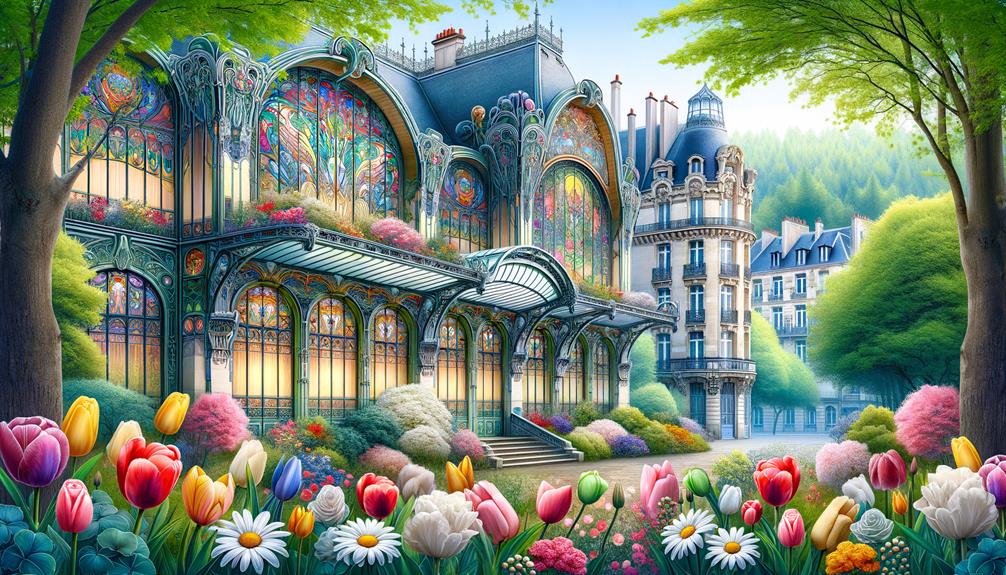
As I wander through Nancy, I’m captivated by the architectural beauty of the Villa Majorelle, designed by Henri Sauvage in 1901-1902. The stained glass by Jacques Gruber and the honesty seed pod motifs in the wrought-iron work are truly stunning. This gem of the Nancy School exemplifies the creativity and innovation of the era.
Moving on, I find the houses in Saurupt Park equally enchanting. Each one features exquisite floral motifs on their facades, capturing the essence of Art Nouveau.
In the heart of the city, from Place Stanislas to the railway station, Nancy’s city center is a showcase of Art Nouveau architecture:
- The Brasserie l’Excelsior has been listed as a historical monument since 1976.
- The former Renauld bank, with intricate designs.
- The Genin-Louis grain factory, featuring remarkable Art Nouveau details.
- The Crédit Lyonnais bank, with a monumental glass roof designed by Jacques Gruber.
Each building tells a story of a time when art and architecture were intertwined, offering a sense of beauty that continues to inspire.
Prominent Art Nouveau Artists
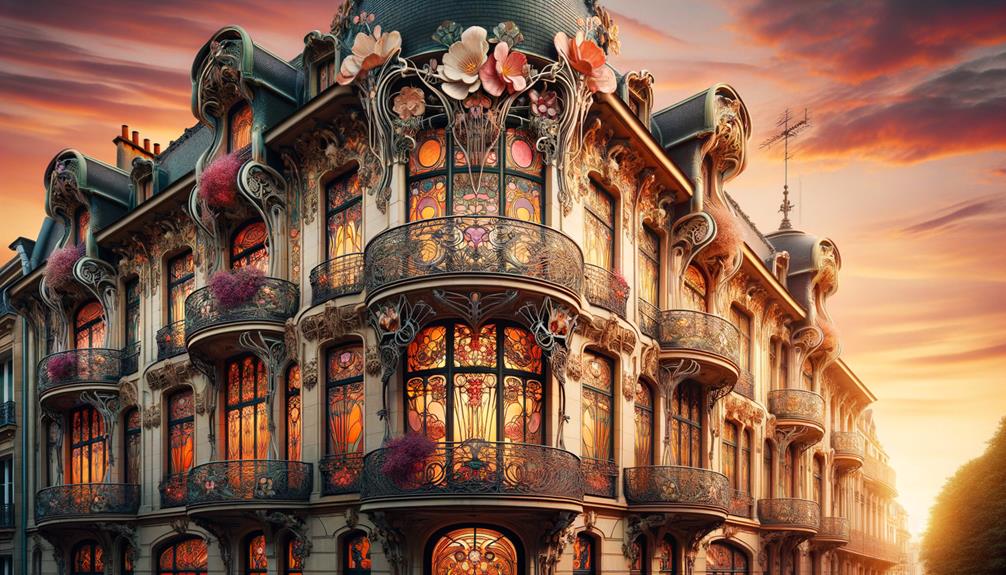
Walking through Nancy, you can’t help but be amazed by the legacy of Art Nouveau. Louis Majorelle’s furniture, with its detailed woodwork and natural motifs, perfectly captures the spirit of the École de Nancy. This movement focused on bringing artistic beauty into everyday life.
Émile Gallé’s glass pieces, adorned with delicate floral designs, add to Nancy’s rich cultural landscape. His work stands out, with each piece reflecting nature’s beauty and a time when craftsmanship was key.
Then there’s Jacques Gruber, whose stained glass windows are truly stunning. The colorful light they produce turns simple spaces into magical places. His work across Nancy’s buildings shows how Art Nouveau blends function with art.
Victor Prouvé’s talent shines through his ceramics and metalwork found all over the city. His ability to work with different materials highlights the endless creativity of Nancy’s Art Nouveau artists.
Eugène Vallin also made a mark with his unique furniture designs. With fluid lines and natural shapes, his pieces fit right into the organic beauty of this artistic movement.
These visionary artists have left a lasting impact on Nancy. Their work continues to inspire and captivate anyone who visits.
Frequently Asked Questions
What Is the Architecture of Nancy France?
Nancy’s architecture is truly captivating with its intricate designs and lively details, largely influenced by the Art Nouveau movement. It’s like taking a delightful journey through late 19th-century elegance and artistry.
What Is the Famous Architecture of Art Nouveau?
When checking out famous Art Nouveau buildings, it’s hard not to be amazed at the flowing shapes and intricate designs. From Gaudí’s Casa Batlló in Barcelona to Horta’s Hôtel Tassel in Brussels, each building is a tribute to creativity and freedom.
What Defines Art Nouveau Architecture?
Art Nouveau architecture feels alive with its organic shapes, asymmetry, and intricate details. Strolling through cities, I’ve been captivated by the flowing lines and nature-inspired colors that make this style so unique.
Who Is the Father of the Art Nouveau Architecture?
When you think about the origins of Art Nouveau architecture, Victor Horta is a key figure. His groundbreaking use of iron and glass in buildings like the Hôtel Tassel really set the stage for this unique, organic, and intricate style.