Walking along the cobblestone streets, taking in the historic architecture, and catching the mouthwatering scents from traditional bouchons, it becomes clear that Lyon is a food lover’s dream. The city’s food scene, with its mix of cozy family-owned spots and Michelin-starred restaurants, balances tradition and innovation with quiet confidence. Each meal tells a story of seasonal, locally sourced ingredients, often paired with wines that reflect the region’s agricultural richness. Lyon’s culinary appeal stretches beyond the dining room, too, it lives in the morning markets and in the cross-cultural ideas that younger chefs are folding into classical technique.
Before you go: Visitor details can change. Check Every MICHELIN-Starred Restaurant in France for 2026 and Michelin Guide 2026: here are the new Lyon restaurants selected by inspectors before you go.
Traditional Bouchons
Wandering through the cobblestone streets of Lyon, I was irresistibly drawn to the city’s traditional bouchons. These family-owned spots, with their warm, communal atmosphere, offer one of the most direct routes into Lyon’s culinary heritage.
When I stepped into Café Comptoir Abel, the scent of onions and butter immediately enveloped me, promising a hearty, authentic meal. Bouchon menus celebrate traditional Lyonnais dishes known for their bold flavors and rich textures. I couldn’t resist ordering andouillette (a sausage made from chitterlings) and quenelles de brochet (pike fish dumplings), each dish rooted in local tradition. These meals typically arrive with a carafe of local wine that holds its own against the richly flavored food.
Dining at a bouchon is more than just eating; it’s an experience. The warm, unpretentious setting invites conversations with fellow diners, adding to the pleasure of a meal shared with locals. Places like Le Bouchon des Cordeliers capture this spirit well, making each visit a genuine immersion in Lyon’s gastronomic world.
Diverse Food Markets
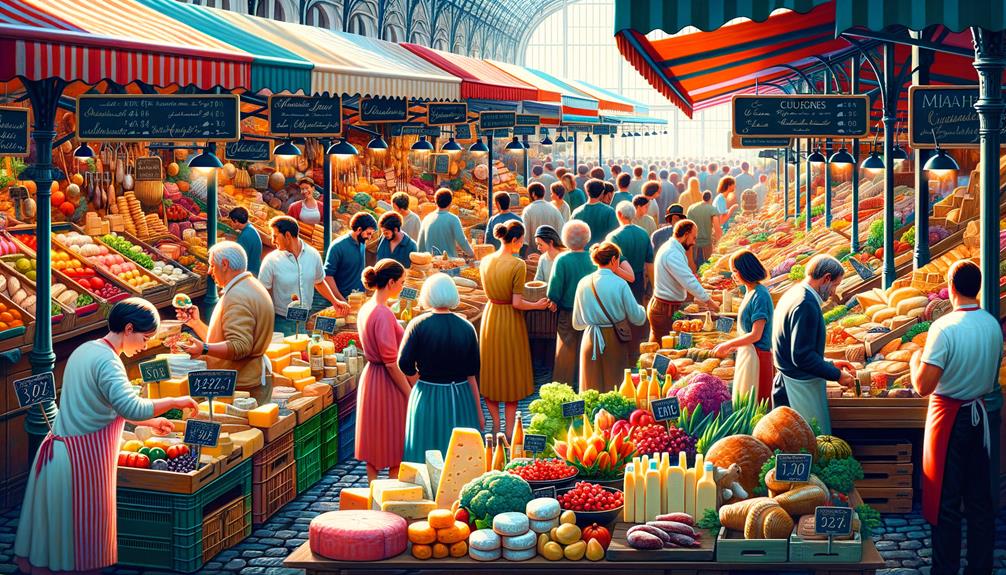
Strolling through Lyon’s food markets, I find myself surrounded by a lively mix of local flavors and culinary finds. Les Halles de Lyon Paul Bocuse, the city’s primary indoor food hall, captures the essence of Lyonnais cuisine in a single, bustling space. The air carries the scents of fresh produce and regional specialties at every turn.
At Les Halles, I regularly come across specialties like Bresse chicken and Auvergne cheese, both prized for their quality. The stalls make for a visual feast, with displays of brioches aux pralines roses that are reliably popular. This market is more than a place to shop; it’s a cultural experience that embodies Lyon’s culinary identity.
Local chefs source their finest ingredients here, ensuring every dish reflects the region’s character. Moving through the stalls, I appreciate the close relationship between these markets and the city’s dining scene. Les Halles isn’t just a market, it’s a must-visit for anyone wanting to experience and purchase Lyon’s best local produce.
Michelin-Starred Dining
Walking through Lyon, it’s hard not to notice the city’s Michelin-starred restaurants, many of which reflect the lasting influence of Paul Bocuse’s Nouvelle Cuisine. One standout for me is Têtedoie, where creative dishes are built around fresh, local ingredients. These restaurants collectively underscore Lyon’s long-standing commitment to culinary excellence.
Top Michelin Restaurants
Lyon’s Michelin-starred restaurants are a testament to the city’s culinary heritage. According to the 2026 Michelin Guide, Lyon and its immediate surroundings are home to 14 starred restaurants, 13 within the city itself, alongside 58 recommended and Bib Gourmand establishments, making it one of France’s most decorated dining destinations outside Paris.
Here are a few notable Michelin-starred restaurants in Lyon:
| Restaurant | Michelin Stars |
|---|---|
| Têtedoie | 1 |
| La Mère Brazier | 2 |
| Le Neuvième Art | 2 |
| Takao Takano | 2 |
| Paul Bocuse | 3 |
Paul Bocuse’s influence, he was the chef who brought Nouvelle Cuisine to the forefront, remains evident across the city. His approach of using local ingredients to refine French technique is reflected in many of Lyon’s starred kitchens. Têtedoie, which holds one Michelin star, is a strong example: its menu is built on inventive, contemporary dishes made with the freshest local produce.
Dining at these restaurants feels like moving through Lyon’s culinary traditions while encountering modern ideas at every course. For anyone who loves exceptional food, Lyon’s Michelin-starred spots are more than places to eat, they’re experiences worth planning a trip around.
Cuisine by Paul Bocuse
Few names in the culinary world carry as much weight as Paul Bocuse, whose restaurant continues to set a high standard for Michelin-starred dining. Restaurant Paul Bocuse, also known as L’Auberge du Pont de Collonges, sits in Collonges-au-Mont-d’Or, about 15 kilometres north of Lyon, and has held three Michelin stars for decades. The atmosphere is steeped in history, yet animated by the Nouvelle Cuisine spirit that Bocuse championed in the 1970s.
Dining there, I experienced a harmony of flavors and technique that reflects the restaurant’s commitment to excellence. Each dish, from the celebrated truffle soup to the precisely cooked Bresse chicken, showcases meticulous attention to quality ingredients. Now run by Bocuse’s family and team following his death in 2018, the restaurant remains a pillar of Lyon’s culinary heritage.
Bocuse’s influence extends well beyond the restaurant. His culinary institute continues to train the next generation of chefs, ensuring his legacy endures. In Lyon, his presence is palpable, celebrated through gastronomic events that pay tribute to his work. For anyone seeking the pinnacle of French cuisine, a meal in his name remains an essential experience.
Local Produce Focus
Exploring Lyon’s Michelin-starred dining scene, I found that the foundation of the cooking is a genuine commitment to fresh, locally sourced produce. Each dish reflects the region’s agricultural richness. Walking through the city’s markets, I saw firsthand the quality of ingredients that end up in Lyon’s top kitchens.
In these restaurants, chefs have built on the Nouvelle Cuisine movement that figures like Paul Bocuse helped define. The focus on local produce isn’t simply a tradition, it’s a deeply held conviction. Three things stood out to me:
- Seasonal Menus: Many Michelin-starred restaurants update their menus regularly to feature the freshest seasonal ingredients, ensuring every dish is full of flavor.
- Regional Specialties: Dishes often highlight regional favorites like Bresse chicken, Charolais beef, and fresh vegetables from nearby farms.
- Creative Presentation: Working with local produce gives chefs room to experiment, resulting in visually striking and inventive dishes that reward both eye and palate.
Dining in Lyon is a direct reflection of the region’s abundance, where every bite speaks to local passion and culinary skill.
Seasonal and Local Menus
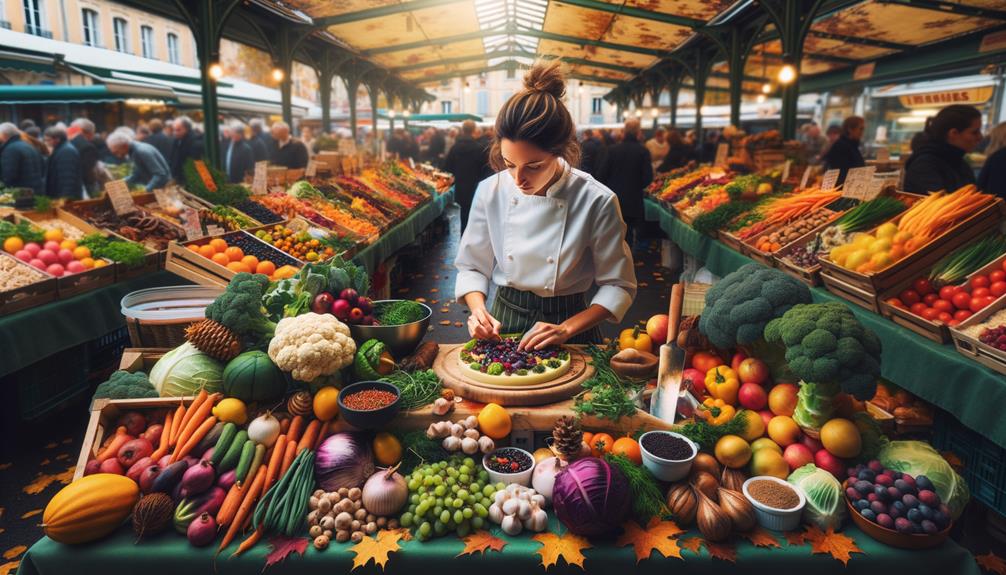
Walking through Lyon’s markets, you’ll find stalls full of fresh, seasonal produce that feeds directly into the city’s renowned kitchens. The dedication to local ingredients is central to Lyon’s culinary identity, and it shows in the seasonal menus crafted by the city’s chefs. At Les Loges, Chef Anthony Bonnet, whose restaurant earned its first Michelin star in the 2026 Guide, brings local flavors to the table in dishes that respect the region’s culinary traditions.
Lyon’s food heritage is deeply tied to its fertile surroundings. Chefs like Bonnet source ingredients directly from local farmers, ensuring each dish carries genuine flavor. Seasonal menus here are more than a rotation of ingredients, they follow the rhythm of the land and Lyon’s long culinary history.
Whether dining at a traditional bouchon or a modern restaurant, you’ll encounter flavors that reflect the region’s character. Dishes like tarte aux pralines or preparations built around wood-fired technique illustrate the diversity of Lyon’s food culture. This commitment to seasonal and local ingredients means every meal offers something specific to the moment and the place.
Fusion and Innovative Eats
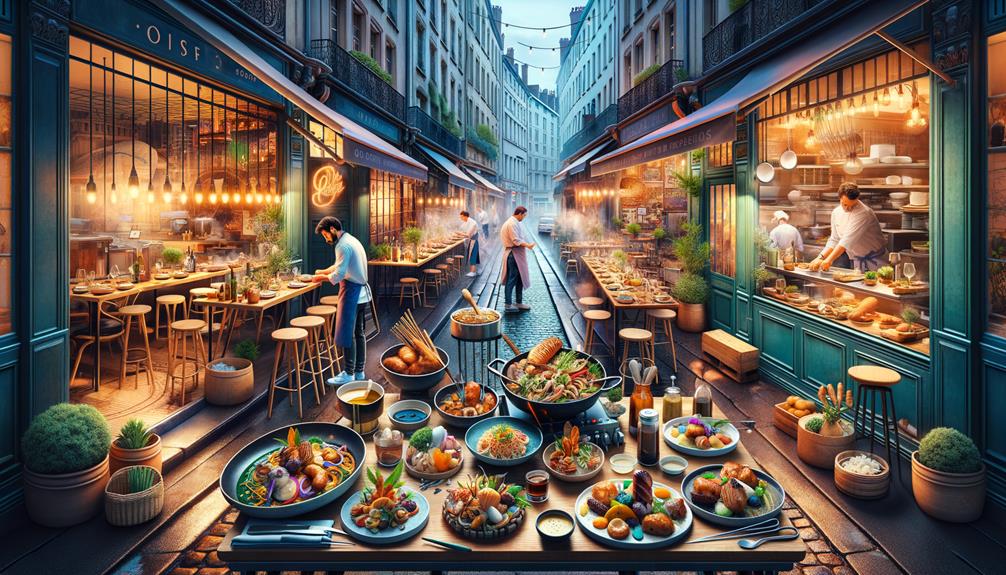
Lyon’s food scene isn’t only about tradition; it’s also a space where chefs bring global influences into conversation with classical Lyonnais cooking. Across the city, you’ll find restaurants that offer a fresh perspective on what it means to dine in Lyon, folding French technique together with international ideas.
Among the Michelin-recognised addresses, Takao Takano stands out for its precise, Japanese-inflected approach to French cuisine, it holds two Michelin stars in the 2026 Guide. Lyon also has a growing number of independent spots exploring cross-cultural menus, though specific venues change; check current listings from the Lyon Tourist Office before visiting.
A few places worth knowing for Lyon’s more innovative side:
- Takao Takano: A two-Michelin-starred restaurant that brings Japanese precision to French culinary tradition.
- Circle: Another first Michelin star in 2026, awarded to Chef Bastien Ruga, whose cooking reflects a contemporary approach to local ingredients.
- Les Loges: Chef Anthony Bonnet’s newly starred restaurant (2026) draws on the region’s produce to create dishes that feel both rooted and inventive.
These restaurants reflect the creative energy running through Lyon’s current food scene. Each dish speaks to the chefs’ willingness to push beyond convention while staying connected to the city’s culinary foundations.
Wine and Beverage Highlights

Exploring Lyon’s restaurants, it’s impossible not to notice how the city’s wine culture complements its cooking. Local wines, particularly those from the Beaujolais region, made from the Gamay grape, pair naturally with the rich, ingredient-driven food on offer. Châteaux like Château de la Chaize represent a winemaking tradition that stretches back centuries.
Lyon has a number of wine bars where knowledgeable staff guide you through selections from local, French, and international producers. The city’s wine culture tends toward the relaxed and convivial, very much in keeping with the bouchon spirit, rather than the formal. Check current listings from the Lyon Tourist Office for recommended addresses, as the bar scene shifts regularly.
Beyond wine, Lyon has a growing craft beer scene and a handful of specialty coffee and tea spots worth seeking out. For the most current recommendations on cafés and independent beverage venues, the Lyon Tourist Office is a reliable starting point, individual venues open and close frequently, and my own visits may not reflect what’s currently trading.
In Lyon, a well-chosen drink is as considered as the food it accompanies, a reflection of the city’s enduring attention to flavor.
Culinary Experiences and Events
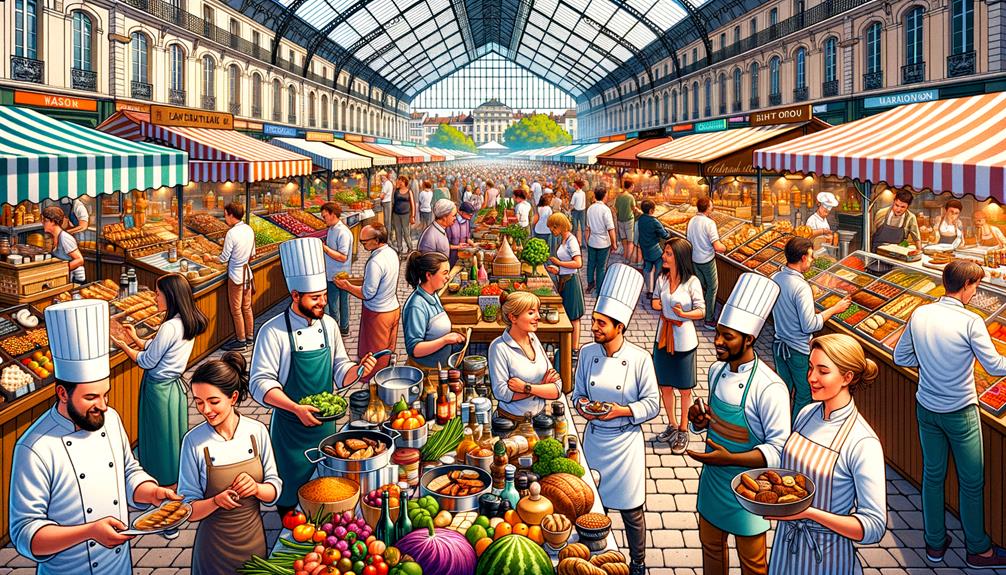
Walking through Lyon, you can feel the energy that food festivals bring to the city, celebrating flavors from the region and beyond. Chef competitions are a real highlight, showcasing serious culinary talent and adding to the city’s dynamic food culture. Joining tasting workshops, I found that Lyon’s food scene is a full sensory experience, one that offers plenty of opportunities to eat well and learn something in the process.
Food Festivals Highlights
Walking through Lyon’s streets and squares, you can appreciate the city’s culinary energy during its food festivals. From the historic Vieux Lyon to Les Halles de Lyon Paul Bocuse, these events celebrate local ingredients and skilled cooking. Strolling through Vieux Lyon during one such occasion, I found the air thick with the smell of gourmet food and the sound of animated conversation.
Lyon's food festivals are a treat for all your senses. Here are some highlights:
- Market celebrations at Les Halles de Lyon Paul Bocuse: Periodic events that bring together regional specialties and local producers under one roof. I was struck by the creativity on display, with dedicated chefs turning market ingredients into something memorable.
- Street food gatherings: Pop-up events and food truck markets that mix classic French pastries with international flavors, drawing a lively crowd and offering a more casual side of Lyon’s food culture.
- Pastry and artisan showcases: Events dedicated to the craft of pastry and artisan food production, where watching skilled hands at work is as satisfying as the tasting itself.
Each type of event reflects Lyon’s deep culinary heritage and is worth attending for any serious food enthusiast, confirm current programming through official channels before you go.
Chef Competitions Insights
Lyon’s chef competitions are a compelling display of what happens when culinary skill meets pressure and creativity. Walking through the venues, you feel the focus in the room as the city’s top chefs work through their preparations. Each competition balances precision with invention, with participants drawing on the best local ingredients to produce dishes that are as considered visually as they are on the palate.
These events go beyond cooking contests; they celebrate Lyon’s food culture in concentrated form. I’ve watched chefs transform straightforward local produce into refined cuisine, elevating familiar ingredients through technique and imagination. The smell of freshly cooked food fills the air, mixing with the animated conversations of food lovers and the sound of clinking glasses.
The competitions also create a sense of community among chefs. They provide a unique space for networking, learning, and gaining recognition in the culinary world. Watching these chefs in action reminds me of Lyon's status as a food capital. Each dish tells a story, showing the deep connection between the chef, the ingredients, and Lyon's rich culinary traditions.
Frequently Asked Questions
What Is the Famous Food of Lyon?
When I was in Lyon, I discovered that some of the city’s most iconic dishes are cervelle de canut, quenelles, and saucisson lyonnais. These meals, typically served in traditional bouchons, offer a genuine taste of local history and pair naturally with a carafe of regional wine.
How Many Michelin Stars Are in Lyon?
According to the 2026 Michelin Guide, Lyon and its immediate surroundings have 14 starred restaurants in total, with 13 located within the city itself. Among them, Restaurant Paul Bocuse holds three stars, La Mère Brazier, Le Neuvième Art, and Takao Takano each hold two stars, and several restaurants, including Têtedoie, Les Loges, and Circle, hold one star each. The city also has 58 recommended and Bib Gourmand establishments, making it one of France’s most decorated dining cities.
What Is Lyon Famous for in France?
Lyon is widely regarded as France’s gastronomic capital, home to 14 Michelin-starred restaurants in the city and surrounding area, alongside dozens of recommended and Bib Gourmand addresses. A visit to Les Halles de Lyon Paul Bocuse gives you a concentrated taste of the city’s market culture, while the traditional bouchons offer an equally essential, more everyday experience of Lyonnais cooking.
Why Is Lyon Famous for Gastronomy?
Lyon’s reputation rests on a combination of factors: a strong tradition of Michelin-starred cooking, the enduring influence of chefs like Paul Bocuse, and the everyday pleasures of its bouchons and markets. The city’s insistence on local ingredients and classical technique, updated by each new generation of cooks, has kept it at the centre of French gastronomy for decades.