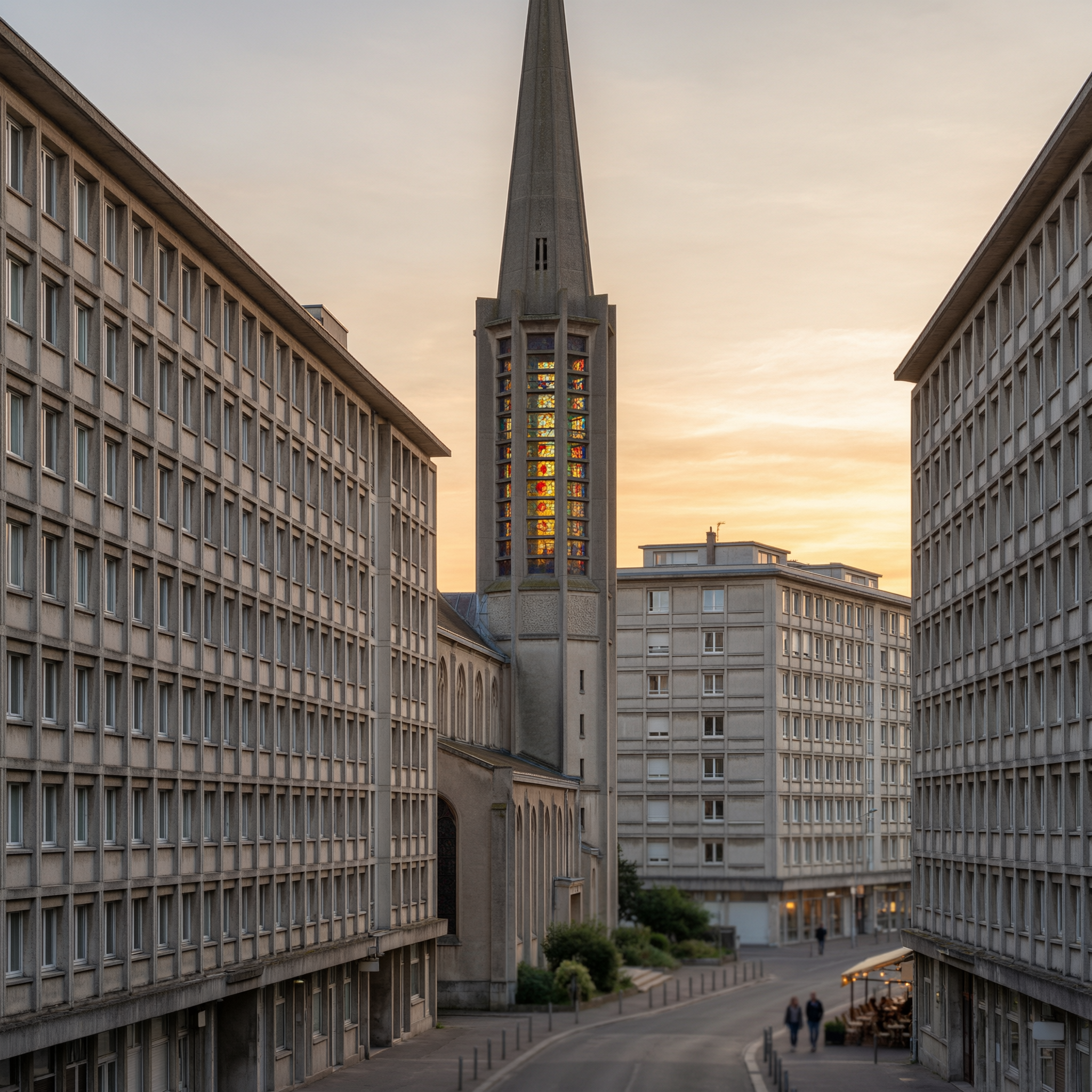
Strolling through Le Havre, I can’t help but be amazed by the modern architectural wonders scattered throughout the city. Take Saint Joseph’s Church, for example, with its spire that seems to reach for the sky, quite a departure from the traditional Gothic buildings you might expect. Then there’s the Bibliotheque Oscar Niemeyer, with its sweeping, curved facade that feels both futuristic and inviting. Each structure, from Les Bains Des Docks to the Town Hall by Perret, showcases a story of creativity and innovation. But there’s one building that always grabs my attention…
Before you go: Visitor details can change. Check Le Havre, the city rebuilt by Auguste Perret and Saint-Joseph's Church, Le Havre before you go.
Saint Joseph’s Church
Saint Joseph’s Church, created by Auguste Perret and finished in 1957, is a standout piece of modern architecture with its impressive 107-meter tall tower and clever use of reinforced concrete. It’s a strong testament to Perret’s vision and the potential of modern materials.
Inside, the church felt like entering another field. The reinforced concrete construction, a signature of Perret’s design, gave a sense of strength and durability. But it was the stained glass windows that really caught my eye. They projected lively patterns of light across the plain concrete walls, creating a magical atmosphere. Each window seemed to narrate a story through its colorful mosaics, lifting my spirits and inviting reflection.
From the top of the tower, the views of Le Havre were breathtaking, a city reborn from the devastation of war. Saint Joseph’s is more than just a place of worship; it symbolizes hope and renewal. Standing there, I felt a profound sense of freedom and potential.
Bibliotheque Oscar Niemeyer
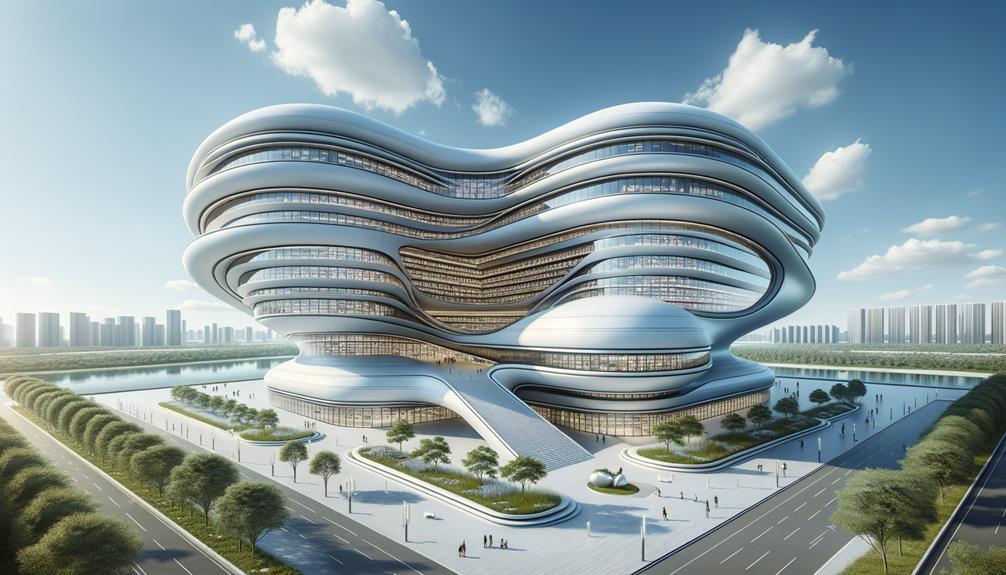
When I first saw the Bibliotheque Oscar Niemeyer, I was amazed by its sweeping curved facade and bold architectural style. This library isn’t just a place for books; it’s a cultural landmark showcasing Niemeyer’s innovative design. As I explored its vast collection and attended a cultural event, I couldn’t help but appreciate its significant role in enriching Le Havre’s modern architectural landscape.
Innovative Design Elements
The Bibliotheque Oscar Niemeyer, with its striking white concrete facade and fluid, curved lines, showcases the bold, futuristic vision of its renowned architect. Situated within the cultural complex known as ‘Le Volcan’ in Le Havre, the library is a testament to Niemeyer’s daring design philosophy. The innovative architectural elements are immediately apparent in the building’s sweeping curves and seamless integration with the surrounding space.
Approaching the library, it’s hard not to admire how its bold shapes stand out against the cityscape, creating a sense of freedom and openness. The fluid lines and smooth, white surfaces seem almost otherworldly, inviting visitors to wander and immerse themselves in the futuristic aesthetic. Inside, the expansive, open-plan layout fosters a sense of community and creativity, perfectly aligned with Niemeyer’s vision.
The library’s design not only catches the eye but also serves a functional purpose, providing a lively cultural space for both locals and visitors. It represents a modern architectural gem, blending form and function in a way that encourages curiosity and intellectual freedom.
Cultural Significance
The Bibliotheque Oscar Niemeyer in Le Havre is often seen as a symbol of modernity and innovation. Designed by the famous Brazilian architect Oscar Niemeyer, this library’s striking, curved, white concrete structure is more than just a building; it shows how modern architecture can reshape a city’s cultural scene.
The original structure was built between 1978 and 1982 and renovated in 2011, officially opening as a library on November 2, 2015. Its open layouts and ample natural light make it a welcoming place for visitors to spend time, explore, and interact. The interior showcases Niemeyer’s unique style with design elements that spark the imagination. It’s a place where form and function merge, fostering creativity and intellectual exploration.
Le Havre has a rich history of architectural innovation, and the Bibliotheque Oscar Niemeyer builds on this legacy. It represents a forward-thinking approach, blending aesthetic beauty with practical use. Walking through its halls, one can’t help but feel a sense of freedom and possibility, as if the very walls are whispering tales of endless potential. This library isn’t just a place to read books; it demonstrates how visionary design can shape cultural identity.
Visitor Experience
Walking into the Bibliotheque Oscar Niemeyer, I’m immediately struck by its sweeping curves and the flood of natural light that beckons me to explore every corner. This modern library, with its distinctive white exterior, perfectly showcases Niemeyer’s unique style. The building’s fluid lines and open spaces make it feel more like a place of endless possibilities than a traditional library.
As I wander through the spacious interior, I notice how the design encourages both relaxation and engagement. Bookshelves blend seamlessly with multimedia stations and spaces designated for cultural events. The atmosphere is calm yet lively, making it an ideal spot for a quiet read or focused research.
While the library is a standout example of modern architectural brilliance, Le Havre’s UNESCO World Heritage status specifically recognizes the post-WWII reconstruction by Auguste Perret and his team (1945-1964). Each part of the Bibliotheque Oscar Niemeyer offers something special, whether it’s a cozy reading corner or a communal gathering area. In this contemporary library, I find a perfect mix of solitude and connection, making it a must-visit for anyone in search of both knowledge and inspiration.
Le Volcan
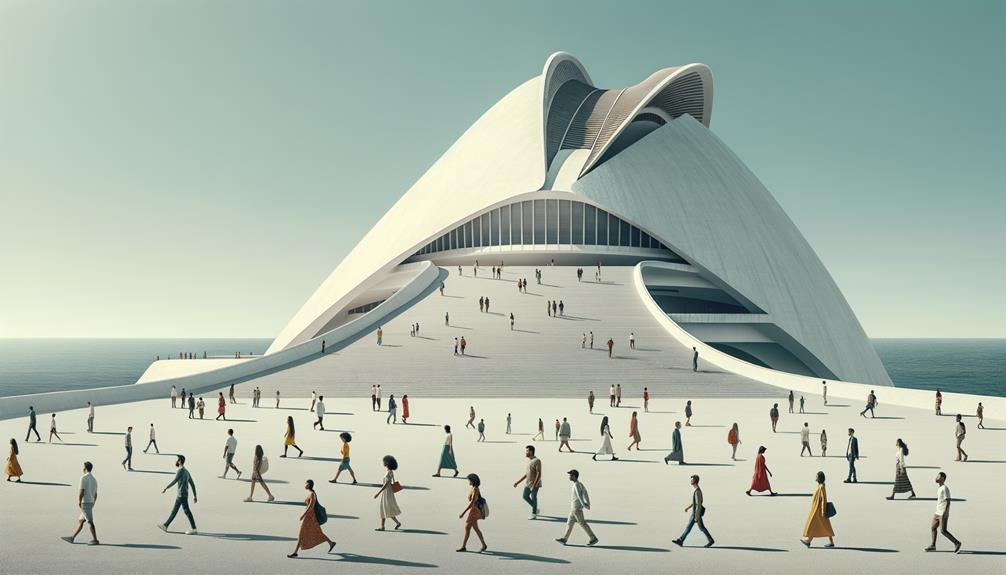
When I first laid eyes on Le Volcan, its bold, curved concrete design immediately caught my attention and truly lives up to its volcanic name. Oscar Niemeyer’s creation isn’t just visually striking; it serves as a lively cultural hub in Le Havre, complete with a theater, library, and exhibition spaces. Reflecting on its ongoing significance, Le Volcan remains a testament to modernist vision, continuing to be a lively center for the arts.
Architectural Design Features
Le Volcan’s unique concrete structure, designed by Oscar Niemeyer, grabs your attention with its bold cylindrical form and sweeping curves that resemble a volcano. This iconic building, a key part of Le Havre’s cultural landscape, stands as a testament to Niemeyer’s innovative approach to modern architecture. Its striking design elements, from the smooth, white concrete to the dramatic, fluid lines, create a sense of movement and dynamism.
Walking around Le Volcan, the bold geometric shapes seem to defy gravity. The curved roof flows seamlessly into the cylindrical body, creating a harmonious yet striking presence. This isn’t just a building; it’s a statement of artistic freedom and architectural innovation.
Inside, the theater, library, and exhibition spaces are filled with natural light, thanks to the smart placement of windows. The concrete, often seen as cold and uninviting, is transformed here into a medium of creativity and warmth. Each curve and edge reflects Niemeyer’s vision of using architecture to inspire and liberate.
Le Volcan stands as a testament to the power of modernist design, capturing the essence of freedom through its bold and innovative use of concrete.
Cultural Significance Today
When you stand in front of Le Volcan, its dramatic curves and bold form make it clear that this isn’t just any building, it’s a lively cultural hub in Le Havre today. Designed by Oscar Niemeyer, this modernist gem grabs your attention with its volcano-like shape. But the flowing lines and unique design are more than just for show; they house a bustling cultural center brimming with life and creativity.
Le Volcan is a haven for artistic performances. Inside, the theater and concert hall buzz with a variety of shows, from avant-garde plays to classical music concerts. The exhibition spaces are just as engaging, often showcasing art that sparks the imagination. This dynamic setting makes Le Volcan a key part of Le Havre’s cultural landscape, blending modernity with the city’s rich heritage.
The building’s role as a center for artistic expression is significant. It attracts both locals and tourists, creating a shared space where culture and community come together. Whether you’re an art lover or just curious, Le Volcan offers an experience that’s both enriching and visually stunning.
Les Bains Des Docks
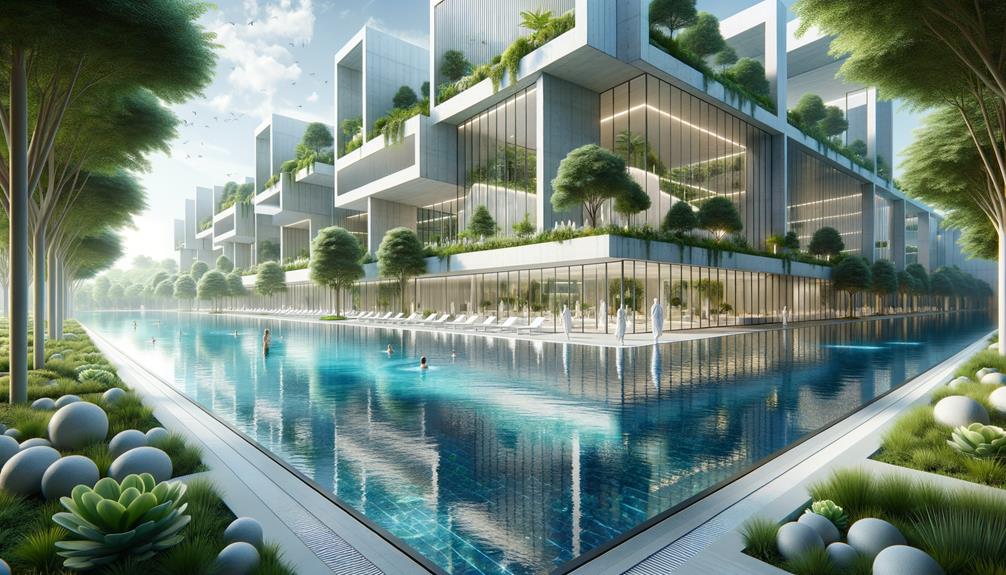
Created by the famous architect Jean Nouvel, Les Bains des Docks showcases contemporary aquatic architecture in Le Havre. The facility immediately impresses with its modern design and striking glass facade. As you walk through the entrance, natural light floods the space, creating an uplifting and serene environment.
Inside, the blend of functionality and beauty is evident. The various amenities offer a seamless mix of wellness and architectural elegance. Here, you can enjoy:
- Immaculate pools that invite you to relax fully.
- Saunas and hammams that offer spaces for unwinding and rejuvenation.
- Modern relaxation areas where minimalist design encourages calm and reflection.
- Distinctive interior spaces that showcase Nouvel’s innovative take on contemporary design.
Les Bains des Docks isn’t just a place for swimming; it’s an example of how architecture can enhance daily experiences. Each visit offers a new way to appreciate the balance between form and function. This aquatic center truly captures the essence of modern architecture and freedom. Les Bains des Docks is located at Quai de la Réunion, 76600 Le Havre. Check their website for contact information and current hours before visiting.
Town Hall by Perret
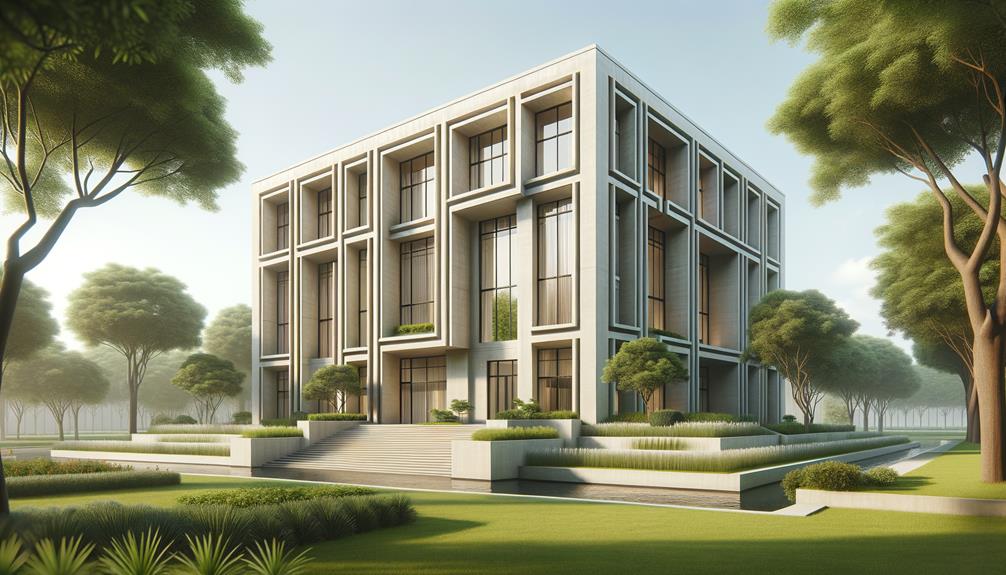
Le Havre’s Town Hall, designed by Auguste Perret, is a monumental achievement in post-WWII reconstruction, seamlessly blending modern innovation with classical elegance. As a UNESCO World Heritage site, it stands as a testament to Perret’s vision and the city’s resilience.
Standing before the Town Hall, I’m struck by its towering height, capped with a clock that seems to keep watch over the city. The use of reinforced concrete, a signature of Perret’s style, gives the structure a solid yet graceful look. The clean lines and geometric shapes reflect a modernist approach, while the grand entrance exudes a neoclassical charm.
- Striking tower: Tall with a clock, it stands as a city guardian.
- Grand entrance: Both majestic and welcoming, combining beauty and practicality.
- Reinforced concrete: Strong and stylish, showcasing Perret’s innovative spirit.
- Geometric shapes: Clean lines and a harmonious design, representing modern ideas.
Walking through the halls, I feel a deep connection to both history and forward-thinking ambition. Recognized as a UNESCO World Heritage site, the Town Hall is a testament to Le Havre’s architectural importance and Perret’s brilliance.
Vauban Docks
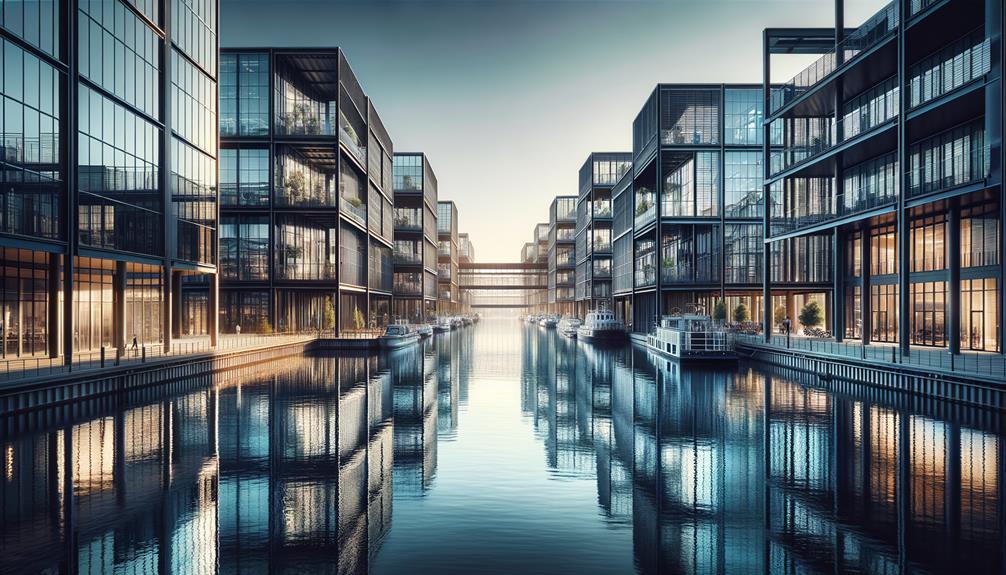
The repurposed Vauban Docks in Le Havre have turned into a lively spot for shopping, dining, and entertainment. Walking through, you can’t help but admire the mix of modern architecture with historic charm. The transformation showcases innovative urban design.
One highlight is the Bains des Docks aquatic center, designed by famous architect Jean Nouvel. Its sleek, modern lines and creative use of space make it more than just a swimming spot, it’s an architectural gem. The center feels like a calm oasis amidst all the activity.
As you wander further, stylish brands and boutiques invite you to indulge in some shopping. The cinema complex offers a break for movie lovers, and the variety of restaurants makes it tough to pick just one. The Docks Vauban opened in 2009 and offer around 60 fashion retailers.
Adding to the appeal of Vauban Docks is the Carré des Docks, a congress and exhibition center that attracts visitors for events and conferences. Le Havre’s revitalization of the Vauban Docks clearly highlights a modern approach to leisure and urban design, providing enjoyment at every corner. The nearby Vauban marina has 200 berths and offers free Wi-Fi, fiber optics, and secure access.
Frequently Asked Questions
Why Is the Le Havre so Famous?
Le Havre gained its reputation thanks to its remarkable rebuilding after World War II by Auguste Perret and his team between 1945 and 1964, leading to its city center being inscribed as a UNESCO World Heritage site in 2005. The mix of old and new is truly impressive, with landmarks like Le Volcan and Les Bains des Docks reflecting the innovative designs of Perret and Niemeyer.
What Are the Five Points of Modern Architecture According to Le Corbusier?
Le Corbusier’s five key principles are pilotis (support pillars), flat roof terraces, open floor plans, horizontal windows, and free façade design. These ideas changed architecture by breaking away from traditional norms, creating spaces that are functional, filled with natural light, and open.
What Are Some Interesting Facts About Le Havre?
Did you know that Le Havre’s city center is a UNESCO World Heritage site? It was beautifully rebuilt by Auguste Perret, who used amazing concrete designs. Oscar Niemeyer also left his mark on the city with his incredible work on Le Volcan. Founded in 1517 by Francis I, Le Havre has a rich cultural vibe that’s truly unique.
What Impact Did Le Corbusier Have on Modern Architecture?
Le Corbusier wasn’t just an architect; he crafted visions with concrete. His ‘Five Points of Architecture’ fundamentally changed the way we experience buildings, making them more open, light-filled, and connected to the natural world.