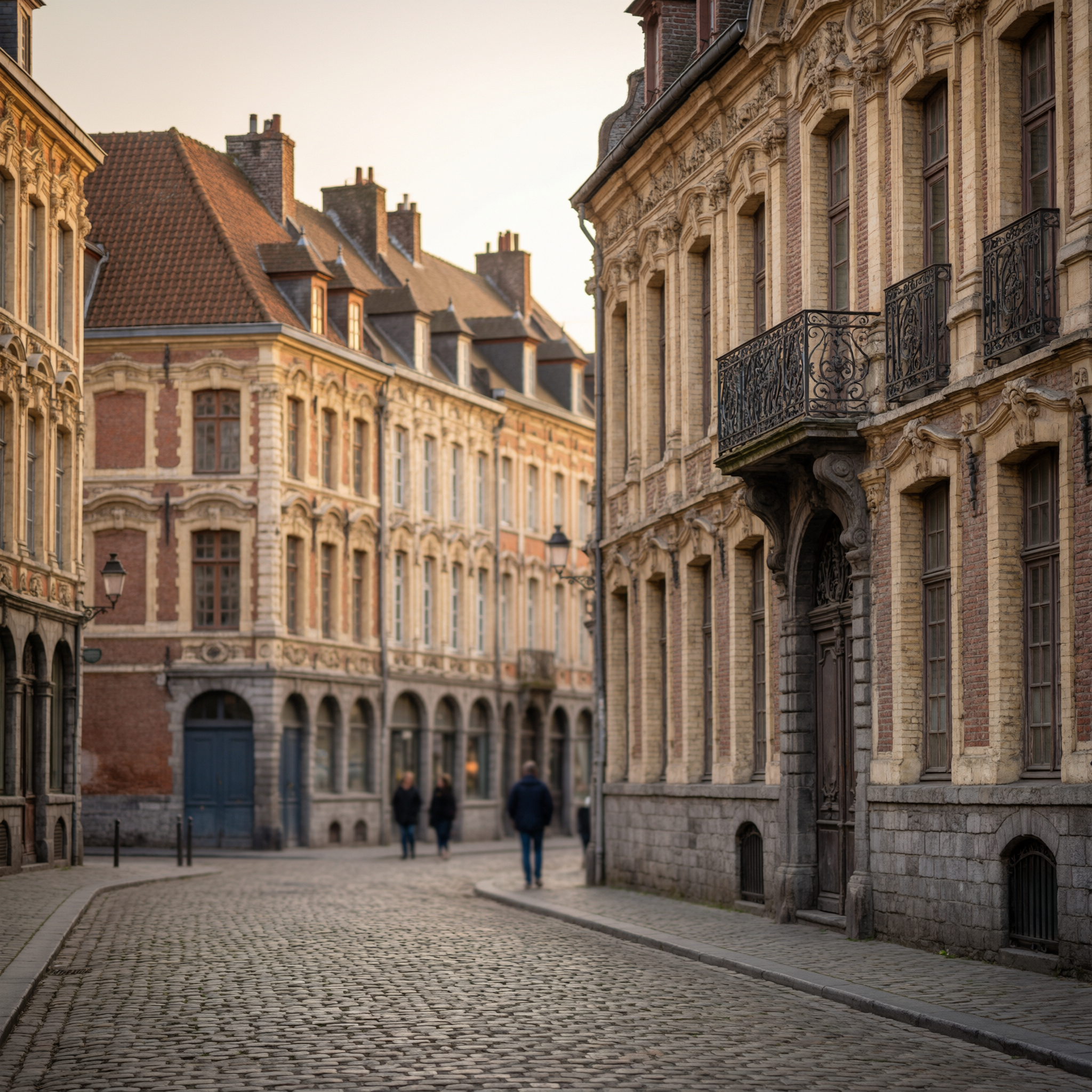
Lille’s Old Town, or Vieux Lille, contains more than 1,000 pre-19th-century buildings packed into a compact, walkable district of cobblestone streets and Flemish Renaissance architecture. Walking through it, I was struck by the beautifully restored mansions and townhouses at every turn. The Vieille Bourse, the 17th-century Old Stock Exchange, is one of the quarter’s standout landmarks, its ornate Renaissance courtyard still busy with bookstalls and chess players. Notre-Dame de la Treille Cathedral‘s modern stained-glass windows and 1999 marble facade sit in unexpected harmony with the Gothic structure behind them. As I wandered through Place du Général de Gaulle and along Rue Esquermoise, the layering of history and everyday life felt entirely natural. But what really caught my attention was…
Before you go: Visitor details can change. Check Old Lille – Lille Tourism and Vieux-Lille – Wikipedia before you go.
Exploring Vieux Lille
Wandering through the narrow streets of Vieux Lille, I found myself surrounded by beautifully restored mansions and townhouses that carried a genuine sense of age and place. Each corner invited me to slow down and look more closely at the carved stonework and faded shutters. My informal tour of Lille’s Old Town was a feast for the senses.
As I approached Notre-Dame de la Treille Cathedral, its neo-Gothic silhouette rose above the surrounding rooftops with quiet authority. The cathedral’s translucent 1999 marble facade, designed to filter light into the nave, was a detail I hadn’t expected, and it made the interior feel luminous rather than solemn. Nearby, Place du Général de Gaulle offered a livelier contrast, its café terraces and historic facades making it a natural place to pause and watch the city go about its day.
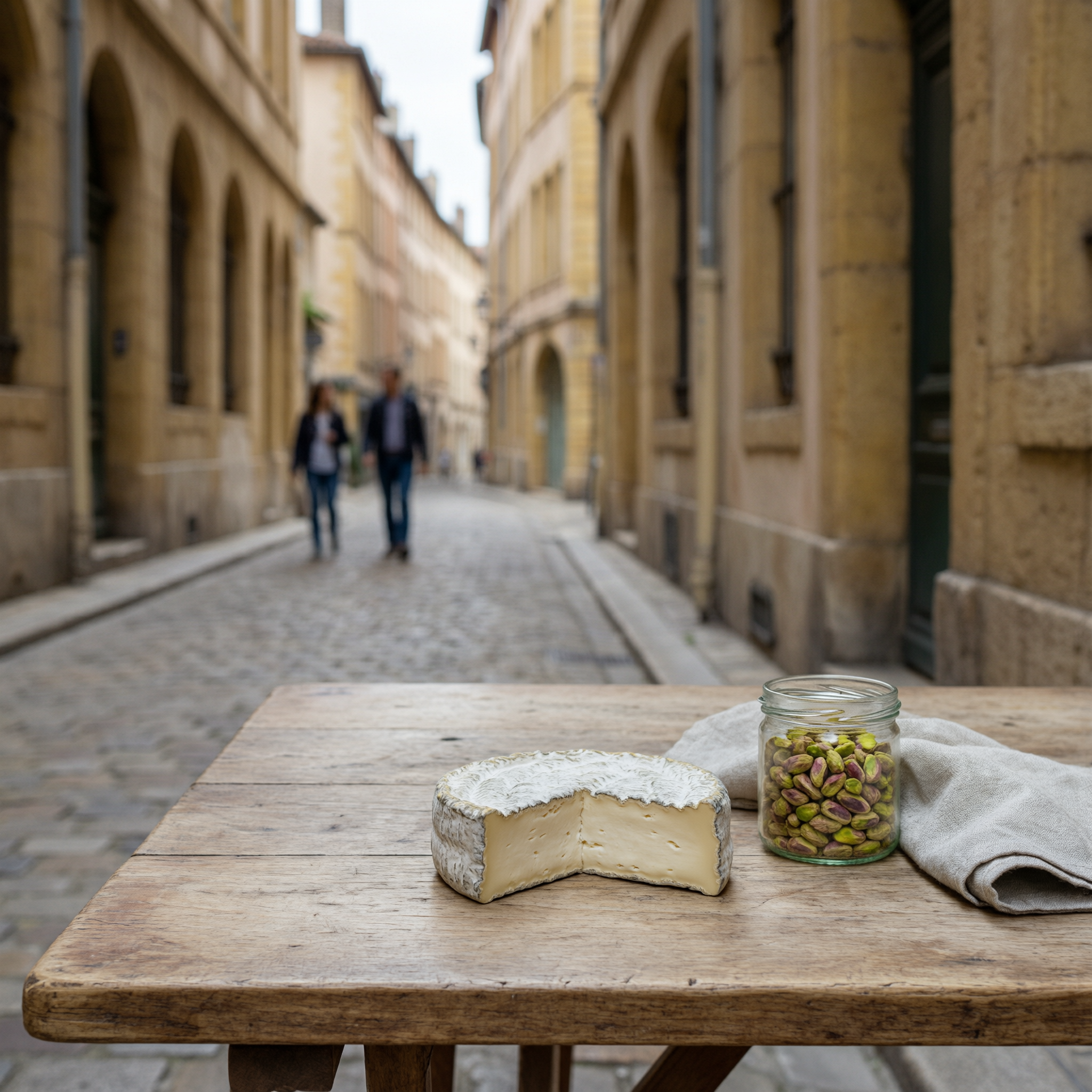
The scent of freshly baked bread and regional specialties drifted through the air, drawing me toward cozy bistros. Tasting the local cuisine felt like a direct line to the city’s character, with dishes that balanced tradition and a light Flemish influence. From hearty stews to delicate pastries, Vieux Lille’s culinary scene offered a satisfying counterpoint to all the walking.
Key Landmarks and Squares
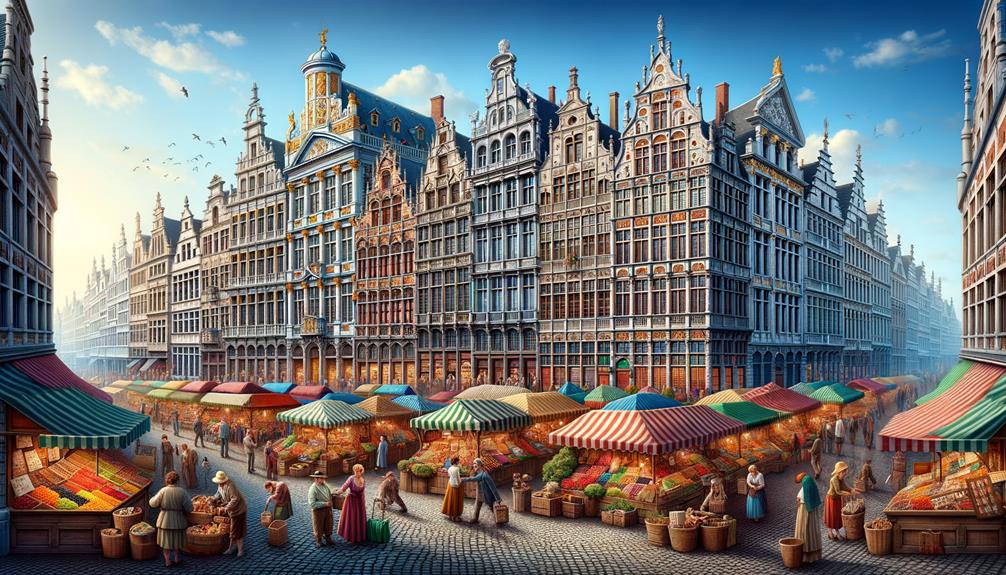
Exploring Lille’s Old Town, I was struck by the concentration of historic landmarks within such a small area. The Vieille Bourse, the Old Stock Exchange, built in the 1650s, anchors the district’s center with its 24 houses arranged around a single courtyard. Inside, bookstalls and chess players gave it an unhurried, almost collegiate atmosphere.
Walking down Rue de la Treille, I arrived at Notre-Dame de la Treille. The cathedral’s contemporary marble facade, added in 1999, reads as a deliberate counterpoint to the neo-Gothic structure it fronts, an architectural conversation rather than a clash. Inside, the stained-glass windows cast colored light across the stone floor and made the space feel calm and contemplative.
From there I made my way to Grand Place, also known as Place du Général de Gaulle, which hummed with the kind of activity that comes naturally to a well-used public square. Historic buildings lined every side, and Rue Esquermoise branched off invitingly, its mix of independent shops and café terraces hard to resist.
Art and Culture Highlights
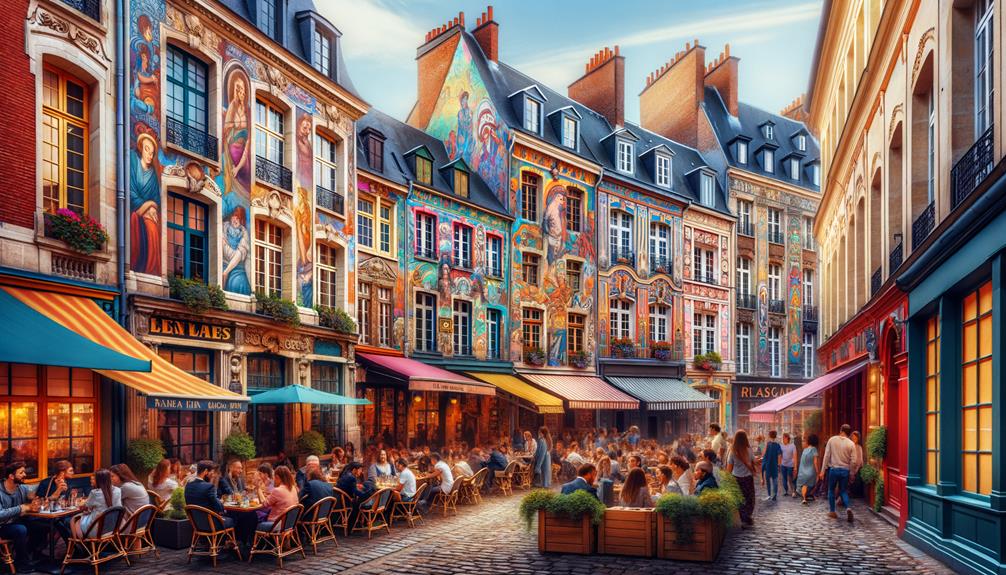
Lille’s art and culture scene drew me in right away, starting with the collection at the Palais des Beaux-Arts. Walking through its grand halls, I was absorbed by works by Rembrandt, Rubens, and Monet. The museum holds one of France’s largest collections of European art, and it rewards a slow visit.
Back in Vieux Lille, the cobbled streets led me to the Musée de l’Hospice Comtesse, a former medieval hospital that now houses decorative arts and local history. It was a quieter, more intimate experience than the Palais des Beaux-Arts, worth seeking out for anyone interested in the district’s deeper past. (Keep in mind: the Musée d’Art Moderne is located in a separate part of the city, not within Vieux Lille.)
A guided tour through Lille’s art and culture highlights brought the layers of history and creativity into sharper focus. I felt genuinely connected to the city’s artistic spirit through its:
- Stunning European paintings and sculptures
- Lively contemporary art scene
- Rich cultural heritage displayed in museums and galleries
- Historic landmarks that reflect the depth of Lille’s past
Exploring Lille’s art and culture was an absorbing experience, with enough variety to keep me wandering well past any plan I’d made.
Culinary Delights
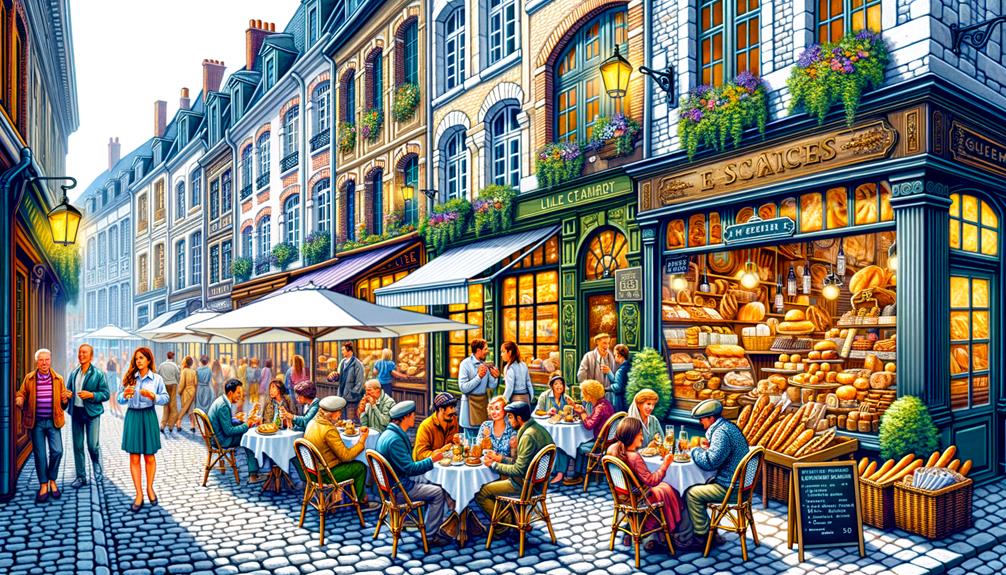
Wandering through the streets of Lille, I was pulled in by the smells drifting from bistros and market stalls. I put together an informal food tour of Vieux Lille, and Rue de la Treille alone offered enough to keep me occupied, pastry shops with buttery croissants, cafés serving bowls of French onion soup, and a general sense that eating well here requires very little effort.
If you have time to venture beyond the old town, the Marché de Wazemmes, in the Wazemmes neighborhood, a short distance from Vieux Lille, is worth the detour. I tasted freshly baked baguettes, tangy local cheeses, and cured meats while the vendors’ chatter filled the air around me. It’s a different side of Lille, but a vivid one.
Back in Lille’s Old Town, the menus leaned into the region’s Flemish heritage. I had carbonade flamande, a slow-cooked beef stew with a depth that comes from the beer it’s braised in, and finished with a slice of tarte au sucre, the local sugar tart that’s deceptively simple and hard to stop eating.
Lille's nightlife added another dimension to my food journey. I found pubs and bars overflowing with local and international beers, inviting me to stay and soak in the true essence of Lille's food culture.
Shopping and Entertainment
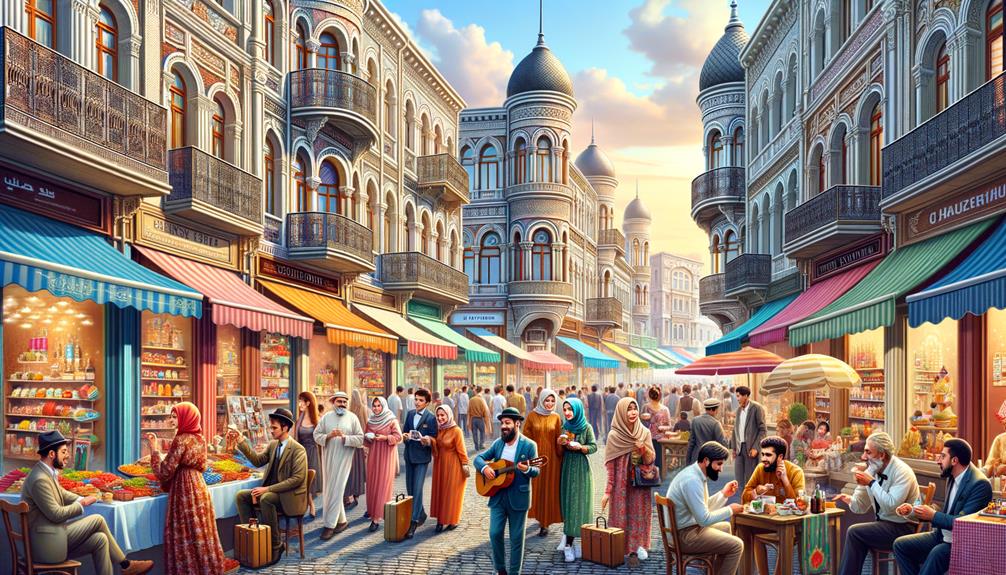
Strolling through the streets of Vieux Lille and the city center, I came across an eclectic mix of boutiques and specialty stores. Rue Esquermoise, within the old town, offered independent shops worth browsing, while the broader city center, including Rue de Béthune, which sits near Grand Place though outside the historic core, added mainstream retail to the mix. From vintage finds to contemporary fashion, the variety across the area is genuinely broad.
A short walk brought me to Grand Place, Lille's bustling heart. I was struck by the nearby Vieille Bourse, the ornate 1650s Old Stock Exchange, which stands as a testament to the city's historical significance. This area is a must-see for anyone seeking a lively atmosphere steeped in Flemish Renaissance architecture.
- Browsing antique shops tucked along Vieux Lille's cobbled streets
- Browsing chic boutiques that line the charming cobbled streets
- Savoring the aroma of fresh pastries from local patisseries
- Enjoying impromptu street performances along the squares and pedestrian lanes
Lille’s entertainment options extend well beyond shopping. Theaters and concert halls offer a full calendar of cultural programming, while the city’s parks provide breathing room between sights. Within Vieux Lille itself, the Musée de l’Hospice Comtesse is a highlight worth building time around, a medieval hospital turned museum that gives the district’s history a human scale.
Frequently Asked Questions
Does Lille Have an Old Town?
Yes, Lille’s historic district is called Vieux Lille. It’s a public neighborhood, open at all hours, with more than 1,000 pre-19th-century buildings, cobbled streets, and Flemish Renaissance architecture. I found it best explored on foot, at a pace that allowed for detours. The Lille Tourism Office offers guided tours in English for those who prefer a structured introduction; check the official site for current availability and booking details.
Why Is Lille Famous?
Lille is well-known for its cultural treasures. The Vieille Bourse, a 1650s Old Stock Exchange comprising 24 houses around a central courtyard, is a highlight of the city's rich Flemish Renaissance heritage. Strolling through its streets, history feels genuinely alive at every turn.
Is Lille Worth Seeing?
Lille is definitely worth a visit. I loved strolling through its narrow cobbled streets, taking in the historic Flemish Renaissance mansions, and unwinding in charming squares. The lively atmosphere, rich history, and fantastic dining options made me feel truly immersed in its unique cultural scene.
Is Lille a Walkable City?
Lille is very walkable, particularly within Vieux Lille, where the key landmarks, squares, and restaurants sit within easy reach of one another. Walking through the narrow streets and open squares, I found the city’s scale worked in my favor, there was always something worth stopping for, and nothing felt too far away.