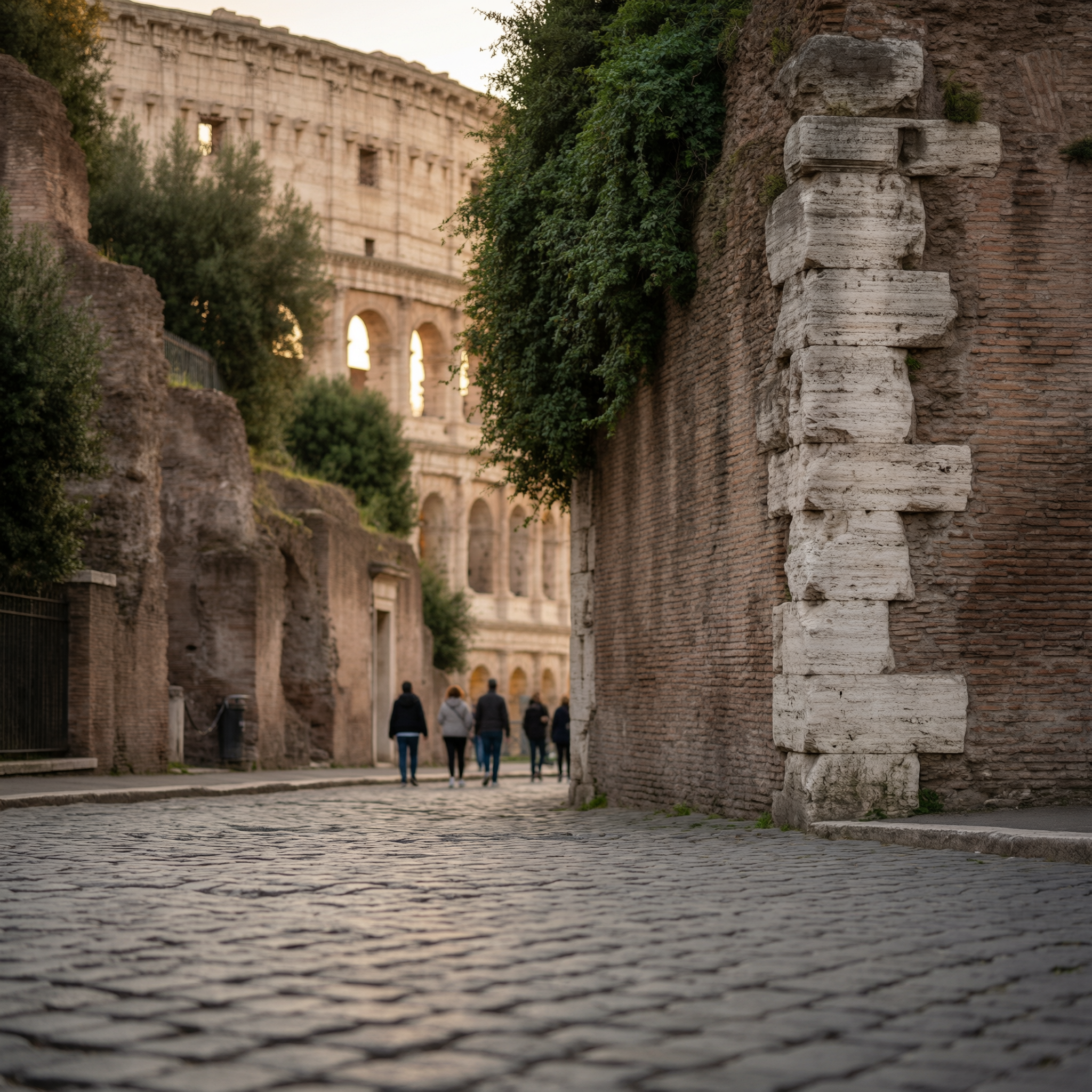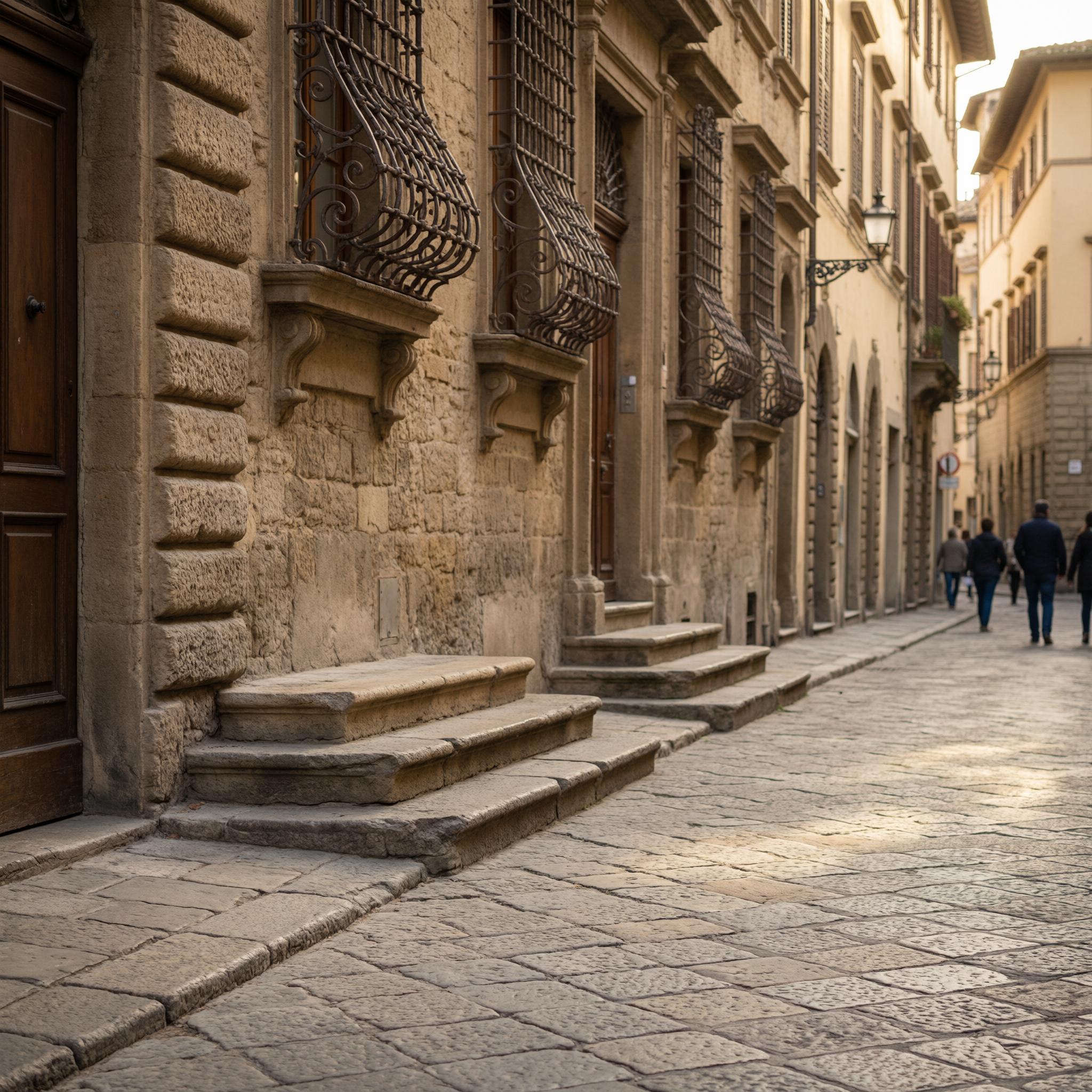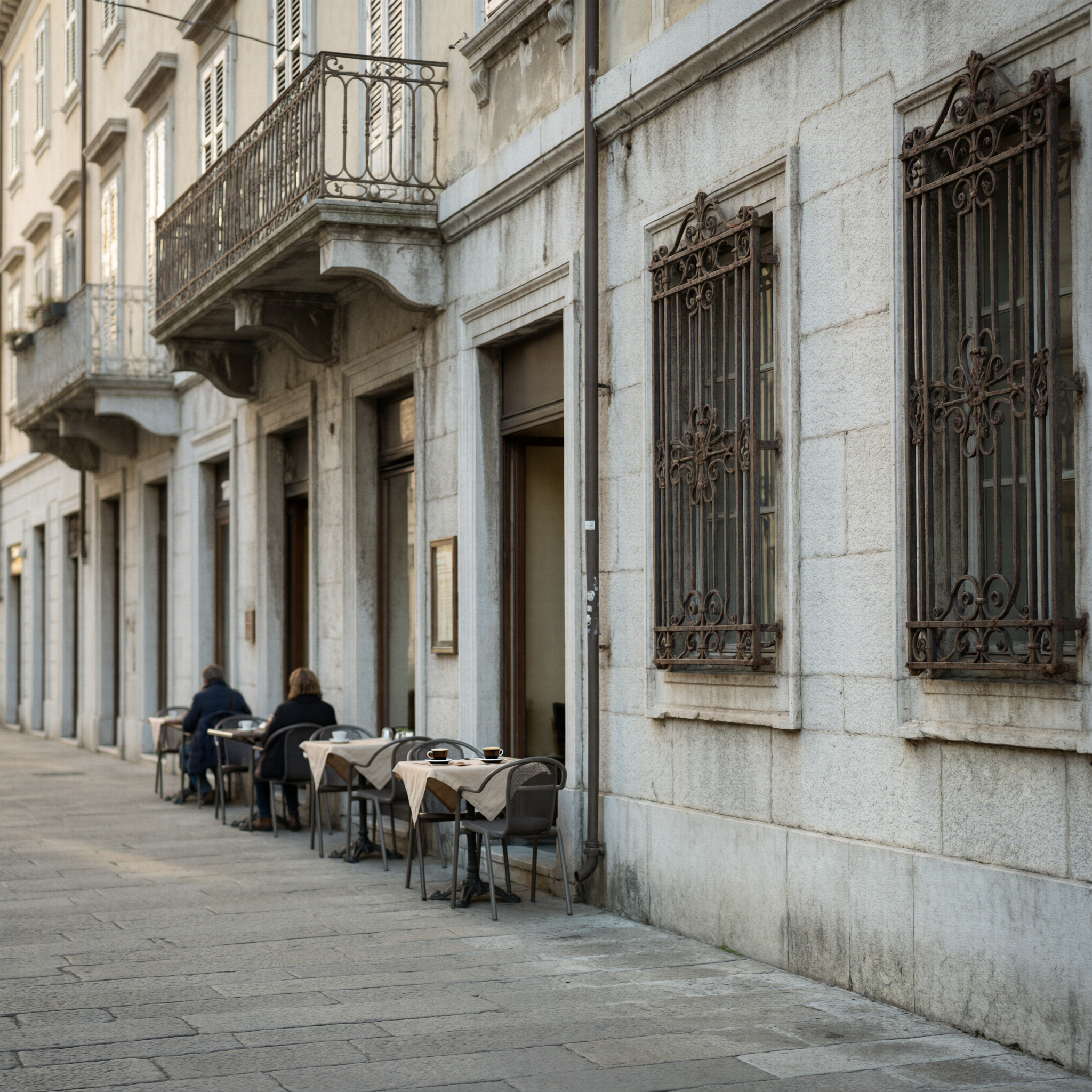
Stepping into Trieste, it is hard to ignore the persistent scent of coffee that seems to cling to every street. Strolling through the cobblestones, I came across classic spots like Caffè degli Specchi, steeped in history since the 1830s, and Caffè San Marco, long a haunt of writers and thinkers. The city’s signature drinks, among them the ‘caffè alla triestina,’ a medium-roast blend of Arabica and Robusta, reflect a deep and practiced love of the craft. There is much more to discover about how Trieste’s coffee culture keeps tradition and contemporary taste in productive tension.
Before you go: Visitor details can change. Check Trieste Coffee Festival – Home and Triestespresso 2026 – Perfect Daily Grind before you go.
History of Coffee in Trieste
Walking the streets of Trieste, you sense history in every aromatic wave of coffee that drifts past. The city’s relationship with coffee stretches back centuries: by 1719, its port had been declared tax-free, making Trieste a busy hub for the coffee trade and cementing its place in European coffee culture.
Passing by Caffè degli Specchi, one of the city’s most storied coffeehouses, you can feel the energy that has fueled Trieste for generations. This Mediterranean port city, once a vital part of the Austro-Hungarian Empire’s coffee supply chain, still draws identity from that heritage. The smell of roasting beans in the air is a quiet reminder that Trieste is widely regarded as Italy’s unofficial Coffee Capital.
Illy Coffee, established in 1933, stands as a symbol of the city’s enduring bond with the bean. Here, coffee is more than just a drink; it is a way of life. Locals drink roughly twice as much coffee as other Italians, a statistic that speaks to a deep-rooted coffee culture woven into the rhythms of daily life.
Iconic Coffeehouses
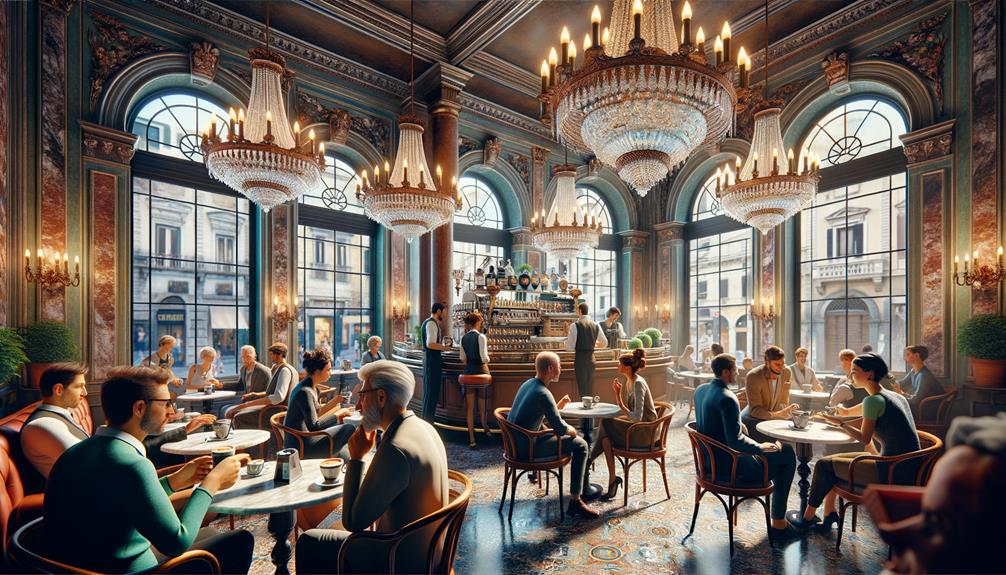
Stepping into one of Trieste’s iconic coffeehouses, such as the historic Caffè San Marco, feels like walking into a living museum. Each polished wooden table and ornate chandelier carries the memory of intellectual gatherings and cultural exchanges. The atmosphere is both nostalgic and energizing, holding the past and present in easy balance.
I found a spot at one of the marble tables and admired the antique copper espresso machine, a testament to centuries of coffee craftsmanship. The aroma of freshly ground beans filled the air, mixing with the soft hum of conversation around me. Every sip of my espresso connected me to Trieste’s coffee culture, a thread running through the city’s social fabric.
To truly enjoy these iconic coffeehouses, you might want to:
- Admire the intricate interiors that reflect the elegance of a bygone era.
- Chat with locals and other patrons to hear their stories and tips.
- Savor your coffee slowly, soaking in the ambiance.
Near Piazza Unità d’Italia, Caffè San Marco and its peers are more than places to enjoy a cup; they are cultural landmarks that invite you into Trieste’s long story.
Coffee Varieties and Specialties
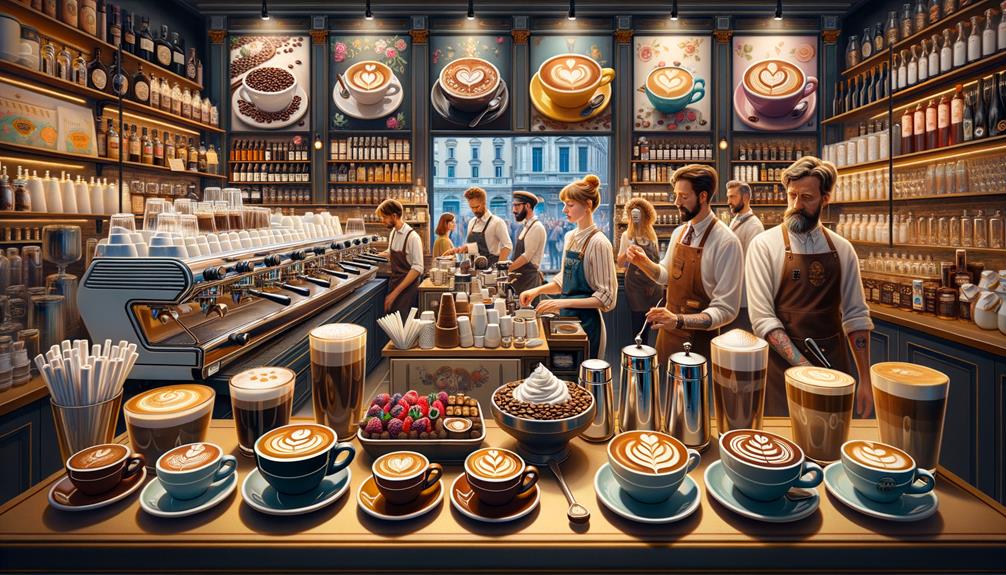
Walk into almost any coffee bar in Trieste and the scent of freshly roasted beans greets you immediately. The city has a confident command of its coffee, pairing local flavor traditions with practiced brewing methods. A ‘capo in B‘, espresso served with a small glass of soda water and a sugar cube, showcases that confidence in a single order. Whether from an institution like Illy or a small independent roaster, every cup reflects a city that takes its coffee seriously.
Unique Local Blends
In the heart of Trieste, the smell of freshly roasted coffee draws you toward local blends and house specialties. The city’s coffee identity leans heavily on Arabica beans, often combined in carefully developed blends. Independent roasters around the city tend their craft with evident care, ensuring each batch has its own character.
Illy remains the city’s most recognized name, famous for its blend of nine Arabica varieties. But much of Trieste’s day-to-day coffee charm comes from its independent roasters, some of whom participate in the annual Trieste Coffee Festival, who create blends that reflect the city’s dedication to quality and originality. Every café here serves traditional drinks that are central to its coffee identity.
- Check out local independent roasters: Learn about the roasting process and try blends crafted with a distinct point of view.
- Try Illy’s blend: Sample the nine-Arabica blend that has defined Trieste’s coffee reputation internationally.
- Enjoy traditional drinks: Don’t miss classics like the ‘capo in B’ and ‘caffelatte.’
Traditional Brewing Methods
Exploring Trieste’s coffee heritage was a genuinely rewarding experience, revealing brewing traditions as varied as the city’s history. Stepping into one of its iconic coffeehouses, I was drawn immediately to the range of coffee varieties on offer. The ‘caffè alla triestina’, a blend of Arabica and Robusta beans at a medium roast, delivers a cup that is smooth without being flat.
One of my favorite moments was trying the ‘cappuccino triestino’: a shot of espresso topped with a dollop of whipped cream and a dusting of cinnamon or cocoa powder, a considered twist on the classic. Then there was the ‘capo in B,’ a traditional Triestine specialty: espresso in a demitasse, accompanied by a small glass of soda water and a sugar cube, the combination oddly refreshing.
| Coffee Specialty | Description | Unique Ingredient |
|---|---|---|
| Caffè alla Triestina | Medium-roasted blend of Arabica and Robusta beans | Arabica, Robusta |
| Cappuccino Triestino | Espresso with whipped cream and a sprinkle of cinnamon or cocoa powder | Whipped cream |
| Capo in B | Espresso served with a small glass of soda water and a sugar cube | Soda water, sugar cube |
Trieste’s coffee culture is more than the drink itself; it is an experience that honors tradition and craftsmanship in equal measure.
Modern Coffee Trends

In recent years, Trieste’s coffee culture has found a workable balance between tradition and contemporary taste. Walking through its streets, you notice independent roasters and modern coffee bars catering to a wider range of preferences. These small-scale operations bring fresh perspectives to the city’s long coffee tradition without displacing it.
Illy’s University of Coffee reflects the city’s commitment to coffee education, offering courses that trace the journey from bean to cup for both visitors and locals. Check the official site before visiting for current course schedules and availability.
Modern coffee bars in Trieste have become social anchors, often pairing their coffee menus with aperitivos and light food. The city’s newer venues tend to complement, rather than compete with, the grand historic coffeehouses that remain its most distinctive feature.
- Experience an independent roaster: Visit one of the city’s smaller roasters for a more personal coffee encounter.
- Learn about coffee: Consider a course at the Illy University of Coffee.
- Enjoy a lively atmosphere: Spend time in one of Trieste’s contemporary coffee bars alongside its classic institutions.
Cultural Significance
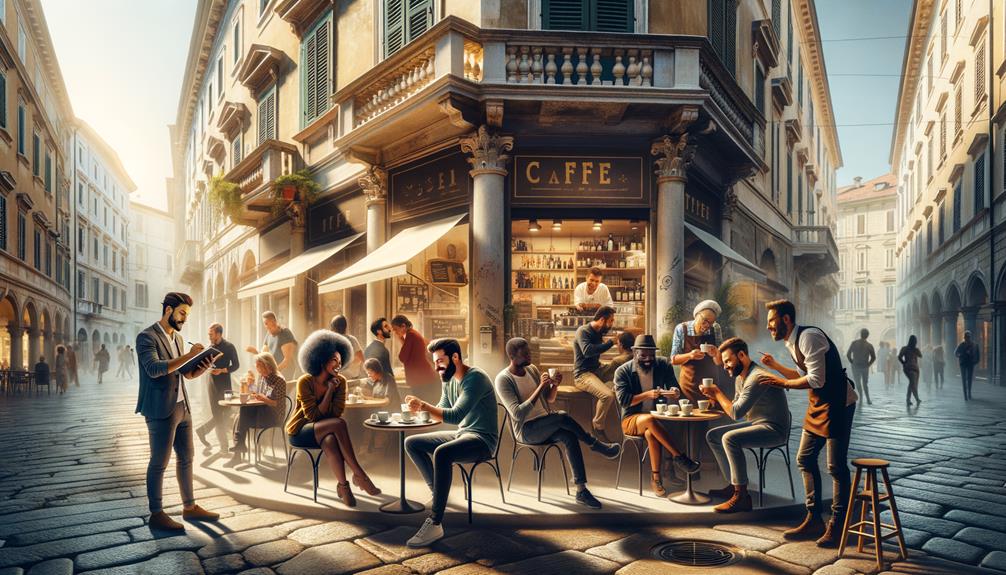
Strolling through Trieste, the bond its residents have with coffee is impossible to miss. It is part of their daily rhythm and cultural identity. Often called the unofficial Coffee Capital of Italy, the city carries that title with quiet confidence. Near Piazza Unità d’Italia, the grand historic cafés are reminders of the Austro-Hungarian era, their Neoclassical architecture sitting comfortably against the Mediterranean waterfront.
Here, coffee culture extends well beyond the cup; it is a social routine that draws people together. Locals gather in these storied spaces for animated conversation or a moment of solitude amid the city’s hum. The scent of freshly roasted beans pulls both residents and visitors toward a tradition that has persisted for centuries.
| Aspect | Description |
|---|---|
| Historical Influence | Austro-Hungarian roots |
| Architectural Style | Neoclassical cafes |
| Social Hub | Piazza Unità d'Italia |
| Coffee Varieties | Diverse selection of coffee beans |
| Cultural Ritual | Coffee as a daily social practice |
Looking back on my time in Trieste, it is clear that coffee here is far more than a beverage; it is a cornerstone of social life and cultural heritage.
Coffee Events and Festivals
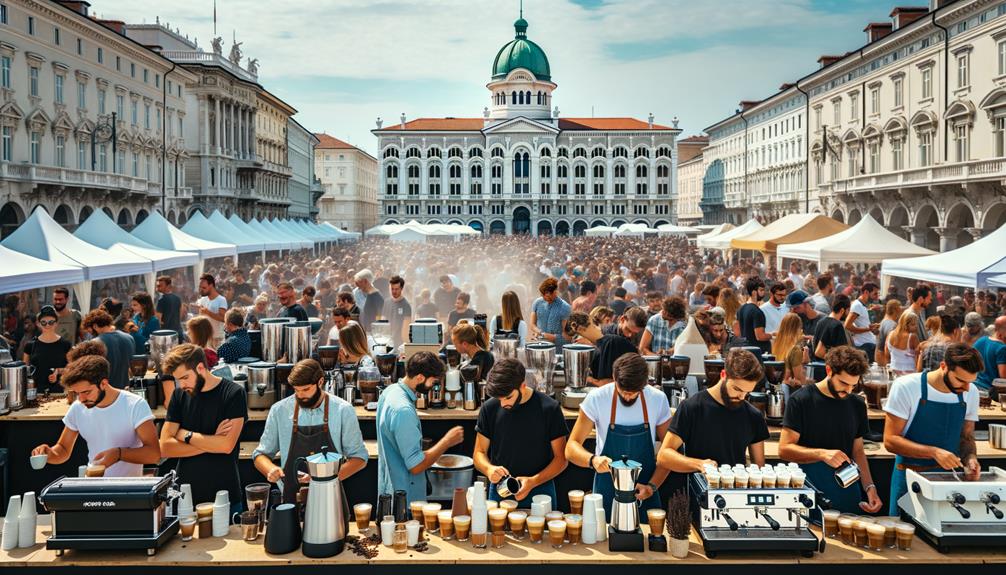
Each autumn, the Trieste Coffee Festival gathers roasters, tasters, and enthusiasts in Piazza della Borsa for a community-focused celebration that includes the Capo in B championship. Wandering between the stands and into the surrounding historic cafés, I took in the rich aromas and the Viennese-inflected interiors, chandeliers, potted palms, marble counters, that make Trieste’s coffee scene unlike anywhere else in Italy. Specialty workshops and coffee-infused dishes rounded out the experience, leaving me with a genuine sense of immersion in the city’s coffee culture.
Annual Coffee Celebrations
Trieste hosts two distinct major coffee events worth knowing about. The Trieste Coffee Festival, held at Piazza della Borsa, is a community-oriented gathering of roasters, tastings, and competitions, its 2025 edition marked the festival’s tenth year. Separately, the trade-focused Triestespresso Expo takes place at the Trieste Convention Center in Porto Vecchio; the next edition is scheduled for 21–23 October 2026. Both events draw visitors from across the industry and beyond, reflecting the city’s standing as a genuine center of coffee expertise.
Walking through Trieste during festival season, the influence of the city’s Austro-Hungarian past is tangible in the architecture of the cafés and the unhurried pace of conversation. These events are about more than coffee, they are a concentrated expression of the city’s social life and traditions.
To make the most of either event, here is what I would suggest:
- Explore the historic cafés: Savor local specialties and take in the warm, considered ambiance that defines Trieste’s coffee scene.
- Engage with local traditions: Participate in tastings and competitions to understand the history behind each cup.
- Spend time at Piazza Unità d’Italia: The seafront square and its surrounding cafés offer a vivid sense of how deeply coffee is woven into the city’s daily life.
Each cup of coffee here carries a story, celebrated with genuine passion and civic pride.
Specialty Coffee Workshops
The specialty coffee workshops held during the October festival offer a hands-on look at the craft of coffee making. Standing alongside other enthusiasts, with the smell of freshly roasted beans in the air, the sessions move quickly from theory to practice.
Each workshop covers a different facet of coffee tradition, from the roasting process to precise brewing technique. I came away with a sharper appreciation for the balance required to produce a well-made cup. The sessions are pitched at both newcomers and experienced drinkers, so there is genuine range on offer.
The festival’s coffee events extend beyond the cup itself, drawing in Trieste’s broader culinary culture. Local restaurants offer dishes that incorporate coffee, adding an unexpected dimension to traditional cuisine. The event attracts visitors from around the world, all drawn by a shared interest in one of the city’s defining passions. With its long heritage and active coffee scene, Trieste rewards anyone who wants to deepen their understanding of the craft.
Frequently Asked Questions
What Is the Culture of Trieste?
Trieste’s culture sits at a crossroads of history and modernity, blending art and science, tradition and innovation. Walking its streets, you encounter striking architecture, a diverse culinary scene, and a civic identity shaped by centuries as a major port. It is a city that rewards slow, attentive exploration.
Why Is Caffè San Marco Famous?
Caffè San Marco, founded in 1914 and located near Piazza Unità d’Italia, is one of Trieste’s most celebrated historic coffeehouses. I enjoyed spending time there, tracing its long association with writers, intellectuals, and the city’s literary life, a history that feels present in every detail of the interior.
Is Trieste Known for Coffee?
Absolutely. Trieste is widely regarded as Italy’s unofficial Coffee Capital, a reputation built on more than 300 years as a coffee trade hub and consumption rates roughly double the Italian average. Spending time in its cafés, I felt that history in every cup, an espresso here carries genuine weight.
What Is the Coffee Culture in Italy?
Italy’s coffee culture is deeply embedded in daily life. I have always appreciated the ritual of it, standing at a bar, exchanging a few words with the barista, drinking quickly and well. It is less about leisure than about a shared, practiced pleasure that punctuates the day.