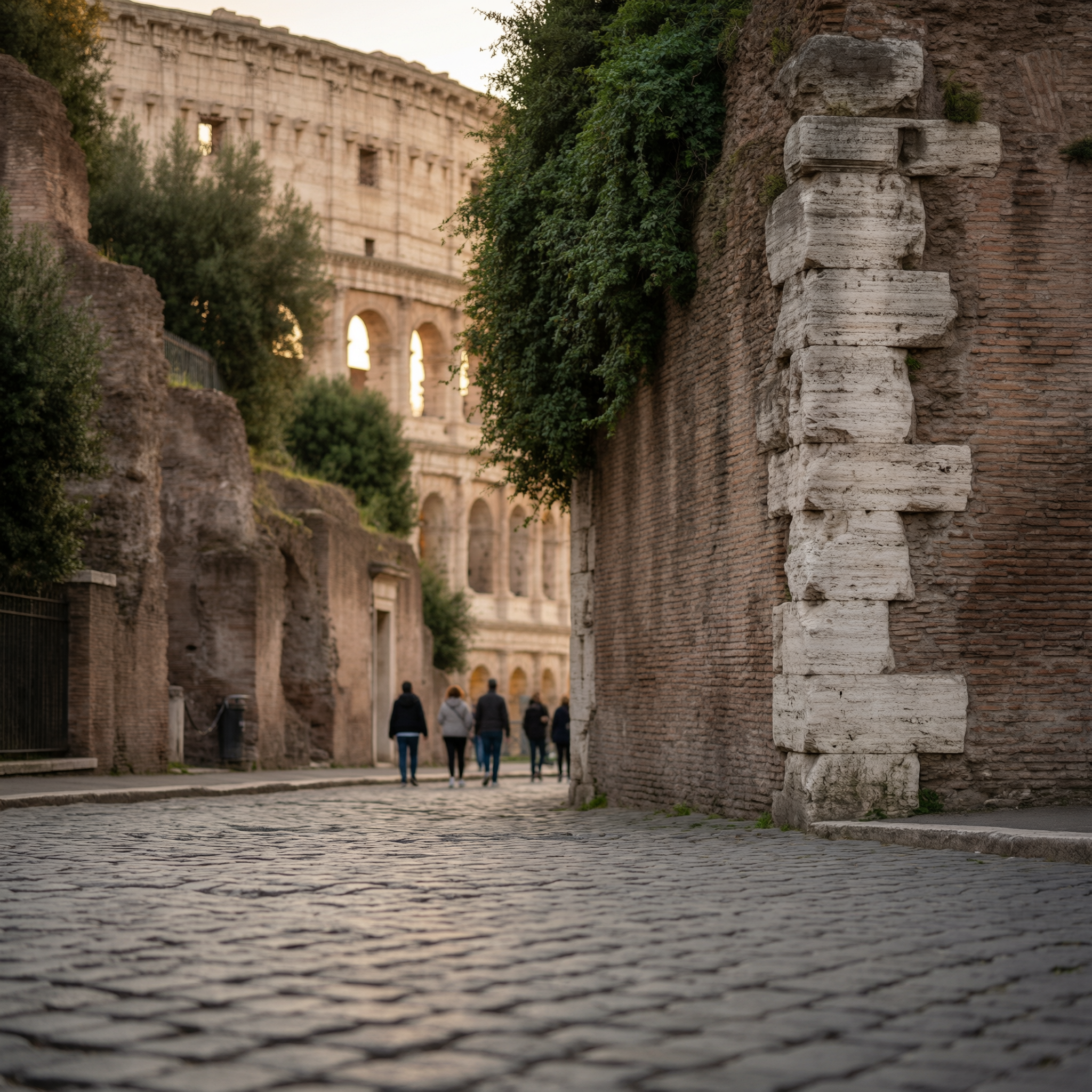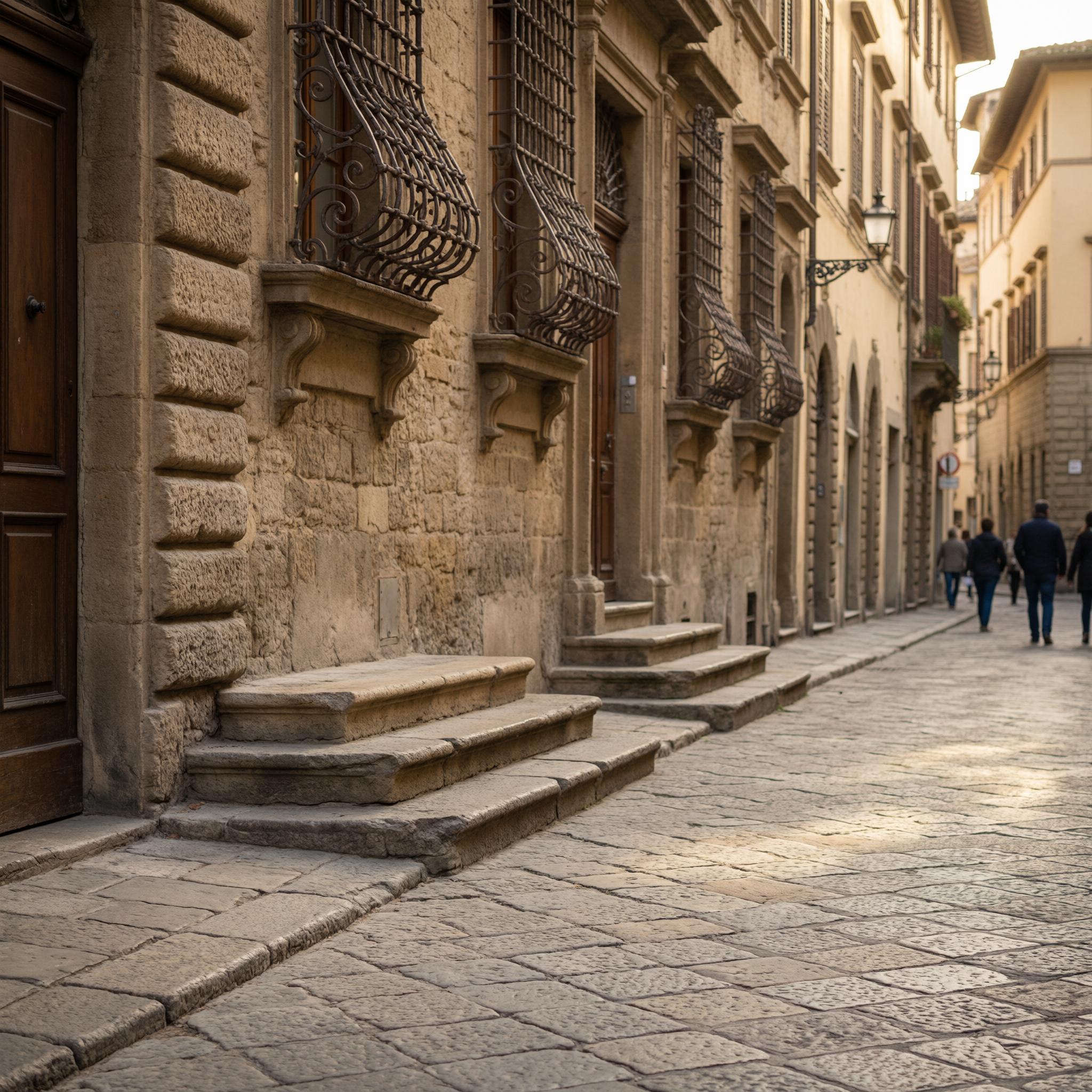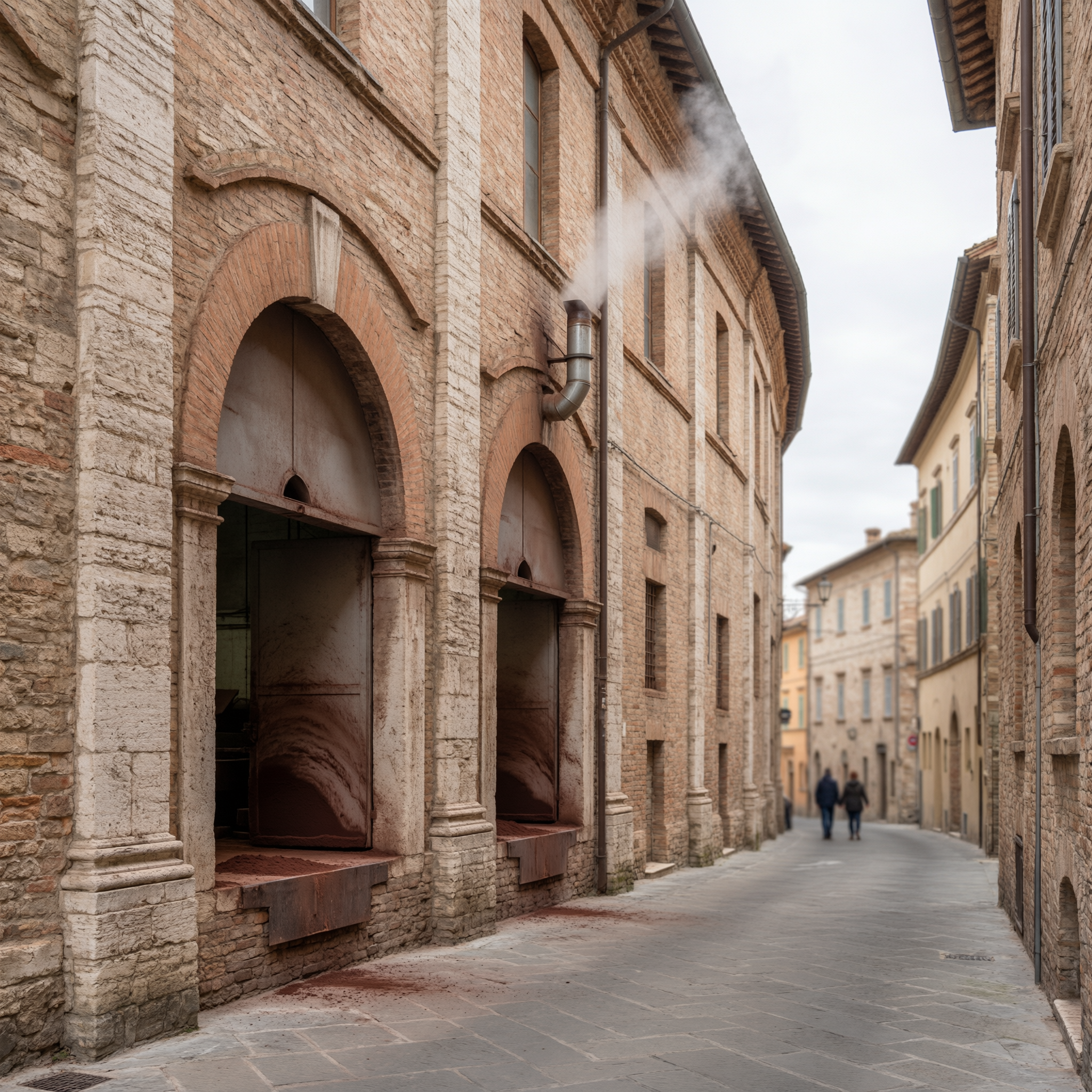
Visiting Casa del Cioccolato felt like stepping into a scene from Chocolat, where history and craft occupy the same space. As I moved through Perugina’s storied halls, I absorbed the legacy of Luisa Spagnoli and the beloved Bacio chocolates. The scent of cocoa was everywhere, and it sharpened my attention to the care behind each piece. Moving from the museum to the factory floor, viewed from an overhead walkway, I was struck by the precision of the work. What I hadn’t expected was how much the school portion of the visit would pull me in.
Before you go: Visitor details can change. Check Casa del Cioccolato Perugina: info visita e degustazioni – Italia.it and Welcome to The Casa del Cioccolato – Perugina.com before you go.
History of Perugina Chocolate
Founded in 1907 by Annibale Spagnoli and his business partners, Perugina grew from a small Umbrian confectionery into one of Italy’s most recognized chocolate brands. His daughter Luisa Spagnoli later took the company in a distinctive direction: her approach was unconventional for her era: she drew on the region’s abundant hazelnuts, combining them with chocolate to produce something distinctly local. The result was less a product than a point of view.
In 1922, Perugina launched the Bacio, Italian for “kiss”, which quickly became a symbol of affection. Each Bacio contains a small love note inside its wrapper, a tradition that has continued for over a century. Unwrapping one still feels like a small, deliberate gesture.
Perugina’s reputation has long rested on quality ingredients and traditional methods. Now part of the Nestlé group, the brand presents itself as maintaining its own identity and standards, a claim worth taking at face value when you’re standing in a factory that has been making the same chocolate kiss for more than a hundred years. When I tasted a Bacio, I wasn’t just eating something sweet; I was holding a piece of that history in my hand.
The Chocolate-Making Process
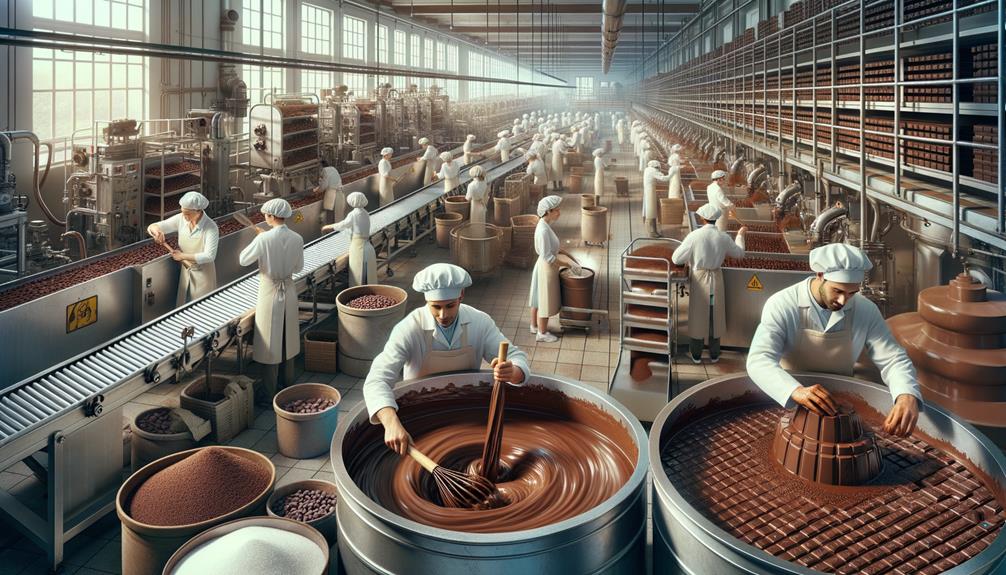
Watching the chocolate-making process was quite fascinating. The effort put into finding the best cocoa beans from different parts of the world really stood out to me. Every stage, from roasting to refining, showed just how much care goes into creating delicious chocolate. Finally, seeing the chocolates packaged and ready to go made me appreciate the mix of old traditions and new techniques that make Perugina special.
Sourcing Quality Ingredients
Perugina's exquisite chocolates start with selecting top-quality cocoa beans from the best plantations around the globe. I could see how skilled chocolatiers pick beans that promise rich, distinct flavors. These beans are roasted to perfection, transforming them into a fine paste known as chocolate liquor. This crucial step enhances the flavor and aroma, paving the way for Perugina's signature chocolates.
The journey from cocoa bean to chocolate liquor highlights a true dedication to quality. Watching this process, I couldn't help but admire the precision and care involved. It's a blend of nature and expertise that ensures each bite of Perugina chocolate is pure bliss.
Here’s a quick look at the process:
| Step | Description |
|---|---|
| Selection | Choosing the best cocoa beans |
| Roasting | Bringing out the flavors |
| Grinding | Turning beans into smooth chocolate liquor |
| Mixing | Combining with sugar, milk, and other ingredients |
| Conching | Refining for up to 72 hours |
Every step I witnessed reflected a passion for crafting chocolates that not only taste amazing but also offer a genuine sense of indulgence.
Crafting Chocolate Recipes
Walking into the Perugina factory, I was immediately aware of the aromas, roasted hazelnut and dark cocoa layered together in a way that made the process feel tangible before I’d seen a single machine. The Bacio recipe, built around that hazelnut paste, has remained essentially unchanged since 1922, which says something about how well it was conceived.
The conching process is crucial for developing Perugina's distinctive flavor and texture. During this stage, the chocolate is continuously refined, achieving an irresistibly smooth consistency. I was struck by the level of precision involved in controlling temperature and timing throughout the process, all to ensure the perfect crystal structure and texture for molding.
For those eager to learn more about chocolate-making, Perugina offers hands-on cooking classes. In these workshops, you can:
- Work with chocolate under the guidance of a Maestro Cioccolatiere.
- Learn about the stages of chocolate production through direct experience.
- Mold and finish your own chocolates to take home.
Watching the Maestri Cioccolatieri guide participants through the workshop, I was reminded that the pleasure of chocolate-making lies as much in the process as in the result.
Packaging and Distribution
Walking into Perugina's packaging department, I was immediately impressed by the seamless blend of efficiency and meticulousness that ensures every chocolate arrives in perfect condition. It's remarkable to see how technology and human oversight work together so smoothly to make the packaging process flawless.
Seeing the range of formats being prepared, individual wrappings, boxed assortments, bulk containers, gave a sense of how widely Perugina distributes its products, both within Italy and internationally.
The tour doesn’t dwell on logistics, but the packaging section underlines that what begins as a careful craft process ends as a product shipped at considerable scale.
Standing in the factory, I found it satisfying to trace the full arc, from raw ingredient to wrapped chocolate ready to leave Umbria.
Guided Tours and Exhibits

A visit to Casa del Cioccolato Perugina combines a historical museum, a factory walkthrough, and a tasting into roughly ninety minutes. From the moment I entered the museum, I was drawn into Perugina’s story, anchored by a video display of the brand’s past television commercials, which managed to be both nostalgic and genuinely informative.
The tour has several highlights:
- Museum Visit: Over a century of Perugina history, with particular focus on the Bacio and the brand’s Umbrian roots.
- Factory Tour: An overhead walkway gives a clear view of the production lines without interrupting the work below.
- Scuola del Cioccolato: Workshops where participants try chocolate-making techniques under the guidance of Perugina’s Maestri Cioccolatieri.
Each section of the tour is designed to be both engaging and informative. Guided tours are available, check the official site for current language options, as availability can vary. Visits are by reservation only, confirmed within 15 days of your planned date; book well ahead to secure your preferred slot.
Chocolate Tasting Experience
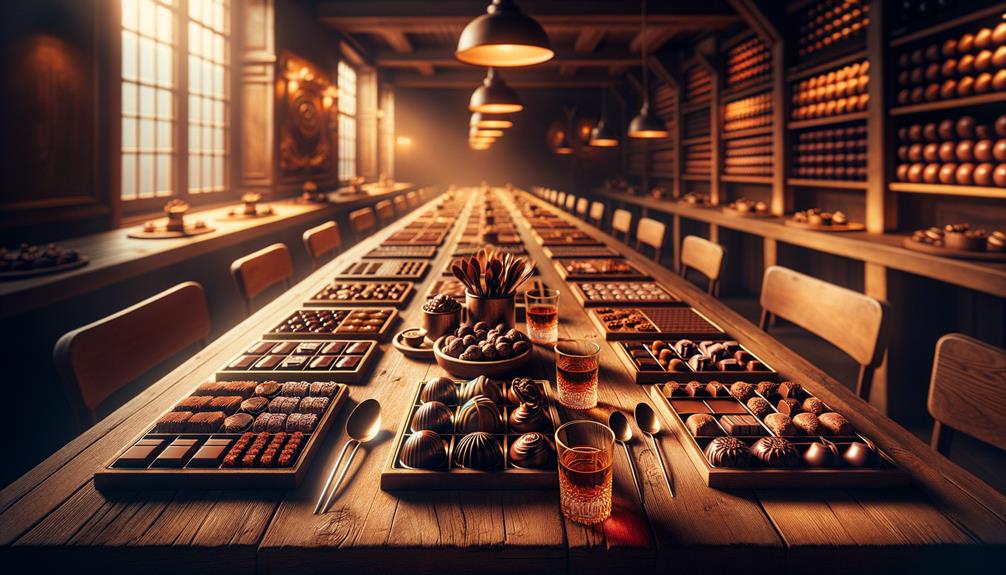
Walking into the tasting room, I caught the rich scent of cocoa immediately. Sampling each piece, I moved through a range of flavors, bittersweet dark chocolate, creamy milk chocolate, the distinctive hazelnut of the Bacio. The guides offered pairing suggestions and walked us through tasting techniques that made each piece worth slowing down for.
Flavor Profile Exploration
The guided tasting at Casa del Cioccolato Perugina moves through the range of Perugina’s production with a focus on understanding what distinguishes each piece. As I sampled, the guides connected flavors to the history and ingredients behind them, which gave the tasting a context that a simple chocolate box never could.
The selection covered Perugina’s core range, including the Bacio, alongside limited-edition pieces and items that may vary seasonally, confirm current offerings when booking.
- Iconic Bacio: Milk chocolate and whole hazelnut, a combination unchanged since 1922.
- Limited-Edition Flavors: Occasional collaborations and special releases, past examples have included a Dolce&Gabbana edition, that extend the range beyond the classics.
- Seasonal Items: The tasting may include pieces tied to the time of year; availability varies, so check ahead.
Each flavor carried its own story, and the guides were good at telling it. The tasting wasn’t a formality at the end of the tour, it was where the history I’d absorbed in the museum became something I could actually taste.
Pairing Suggestions
Pairing Perugina chocolates with Italian staples, espresso, wine, biscuits, turned out to be more instructive than I’d expected. The smooth, nutty notes of a Gianduja alongside a strong espresso created a balance where neither overwhelmed the other. As I took a bite, the chocolate’s sweetness met the coffee’s bitterness in a way that made both more interesting.
A glass of Italian red with a Bacio was another pairing worth noting. The wine’s fruit softened the chocolate’s richness, and the hazelnut came through more clearly as a result. It was a combination that rewarded attention.
The biscuit pairing, crunchy, lightly sweet, worked particularly well with a Cremino. The contrast in texture made each mouthful more satisfying than either element alone.
These pairings, suggested by the guides, did more than enhance individual flavors, they deepened my sense of how carefully Perugina’s chocolates are constructed.
Tasting Techniques
At the Scuola del Cioccolato, I found that slowing down made a real difference. The session opened with a short video, and by the time I reached the tasting itself, I was paying attention in a way I wouldn’t have otherwise. A fresh Bacio from the production line was the clearest illustration of what the whole visit had been building toward.
The guides walked us through three straightforward tasting techniques:
- Look: I took a moment to examine the chocolate’s surface, its sheen and color are early indicators of quality.
- Smell: By taking a deep breath, I could pick up subtle hints of the ingredients.
- Taste: Letting a piece melt slowly on my tongue, I could appreciate the intricate mix of flavors and textures.
The hands-on stations reinforced what the techniques described, tempering and molding are easier to understand once you’ve tried them yourself. Leaving the factory, I had a clearer sense of what goes into a piece of chocolate that I’d previously taken for granted.
Meet the Master Chocolatiers
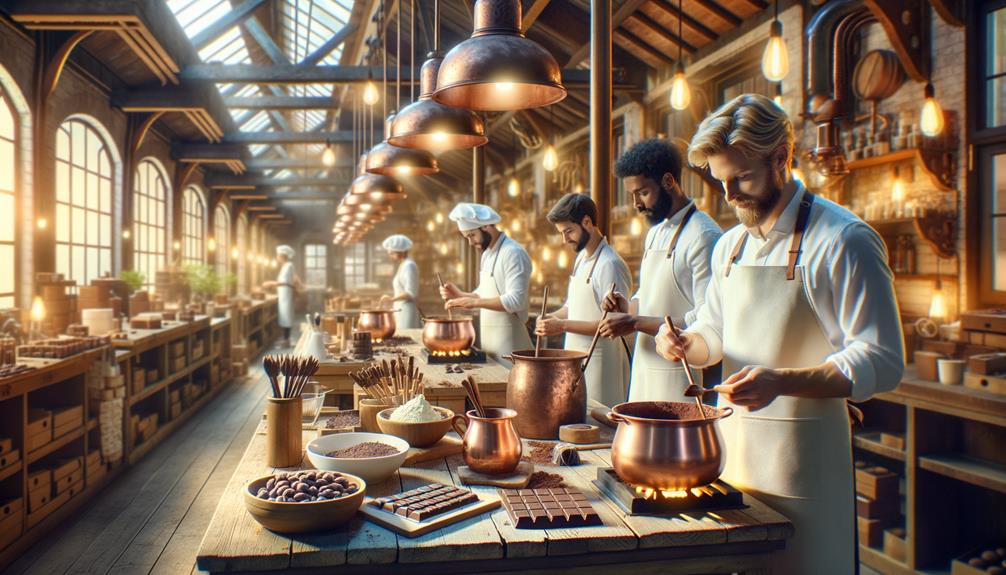
The Maestri Cioccolatieri at Perugina are the connective tissue between the brand’s history and its current production. Walking through the factory, I watched them work with a focus that made the scale of the operation feel personal rather than industrial.
I watched them transform raw ingredients into delicate works of art, each piece showcasing their skill. Their eyes sparkled with enthusiasm, showing their love for the craft. It wasn't just about making chocolate; it was about telling a story that has spanned generations since the brand was founded in 1907.
The air was thick with the rich aroma of cocoa, mingling with hints of vanilla and caramel. I couldn't help but feel a sense of awe as I observed them. Each chocolatier had a unique touch, turning chocolate from a simple treat into a sublime experience.
In this space, tradition functions as a foundation rather than a constraint, the recipes are old, but the skill required to execute them is very much alive.
Perugina Chocolate School
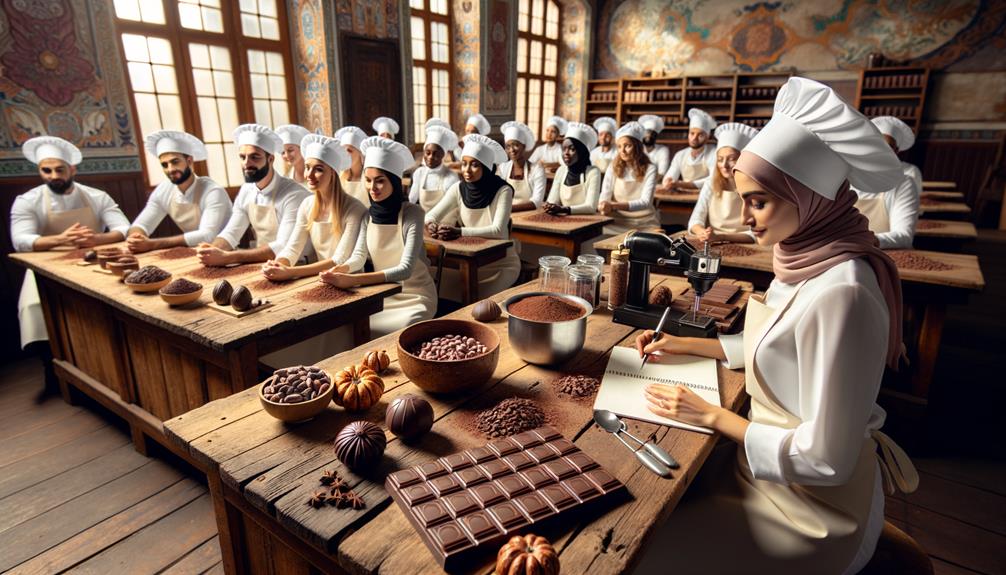
Walking into the Scuola del Cioccolato, I was drawn in immediately by the activity and the smell of cocoa. Located within the Casa del Cioccolato, the school offers hands-on sessions for anyone curious about chocolate-making. I found myself alongside other participants, all working under the guidance of Perugina’s Maestri Cioccolatieri.
The tools and ingredients laid out on the workbenches made the process concrete in a way that observation from the overhead walkway couldn’t. Working with chocolate directly, shaping and finishing it, gave me techniques I hadn’t expected to pick up on a factory visit.
Here’s what you can expect:
- Workshops for Different Levels: Sessions are designed for participants without prior experience as well as those looking to develop existing skills.
- Expert Teachers: Learn directly from Perugina's respected Maestri Cioccolatieri.
- Historical Context: The school situates chocolate-making within Perugina’s story, connecting technique to tradition.
At the Scuola del Cioccolato, I didn’t just learn about chocolate, I made some, which turned out to be the most memorable part of the visit.
Visit and Ticket Information
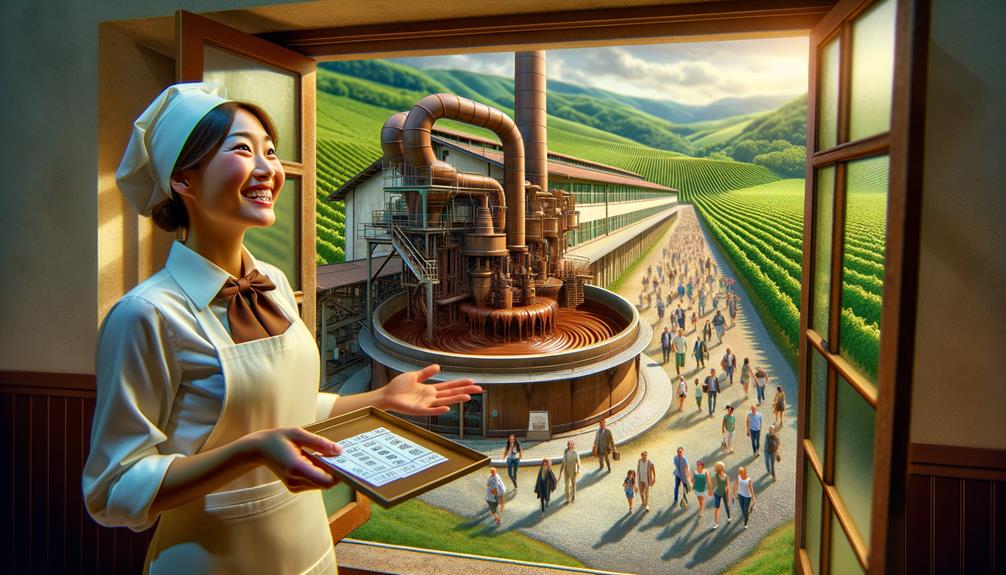
When planning your visit to the Casa del Cioccolato Perugina at Viale San Sisto 207/C, it's essential to make a reservation in advance, confirmed within 15 days of your visit by phone or email. The facility is open Monday to Saturday, with reduced hours on Wednesdays and no Sunday access. Ticket prices range from €3 for school groups up to €10 for a full adult ticket, with concessions available for teens, seniors, and children.
The historic museum opens with a video that sets the context for the tour, then traces more than a century of Perugina’s history, with particular attention to the Bacio. A chocolate tasting is included, giving visitors a direct sense of the products they’ve just seen being made.
The factory tour follows an overhead walkway with clear views of the production lines below. The facility is open Monday through Saturday, though Wednesday hours are reduced (the afternoon session is closed); it is closed Sundays, public holidays, and on specific technical closure dates, check the official site before planning your trip. Production schedules can vary, so what you see on the factory floor may differ by season. The site accommodates visitors with disabilities; it is advisable to mention any specific requirements when making your reservation.
Frequently Asked Questions
Can You Visit the Perugina Factory?
Yes. The Casa del Cioccolato Perugina at Viale San Sisto 207/C offers guided tours that include the historic museum, a factory walkthrough via an overhead path, and a tasting. Visits are by reservation only, book in advance and confirm within 15 days of your planned date.
What Chocolate Is Perugia Known For?
The Perugina brand, founded in Perugia in 1907, is best known for the Bacio, a whole hazelnut encased in chocolate and wrapped in blue and silver foil, each piece containing a small printed love note. The Bacio has been in production since 1922 and remains the brand’s signature product.
Is Baci From Perugia?
The Bacio was created by Perugina, a brand with its roots in Perugia, and has carried that association since its launch in 1922. The tradition of tucking a love note inside each wrapper, “bacio” means kiss in Italian, has made it one of Italy’s most recognizable confections.
Where Is Baci Chocolate Made?
Baci chocolates are produced at the Perugina factory in San Sisto, a district on the outskirts of Perugia. This is the same facility that houses the Casa del Cioccolato, where visitors can see the production process firsthand.