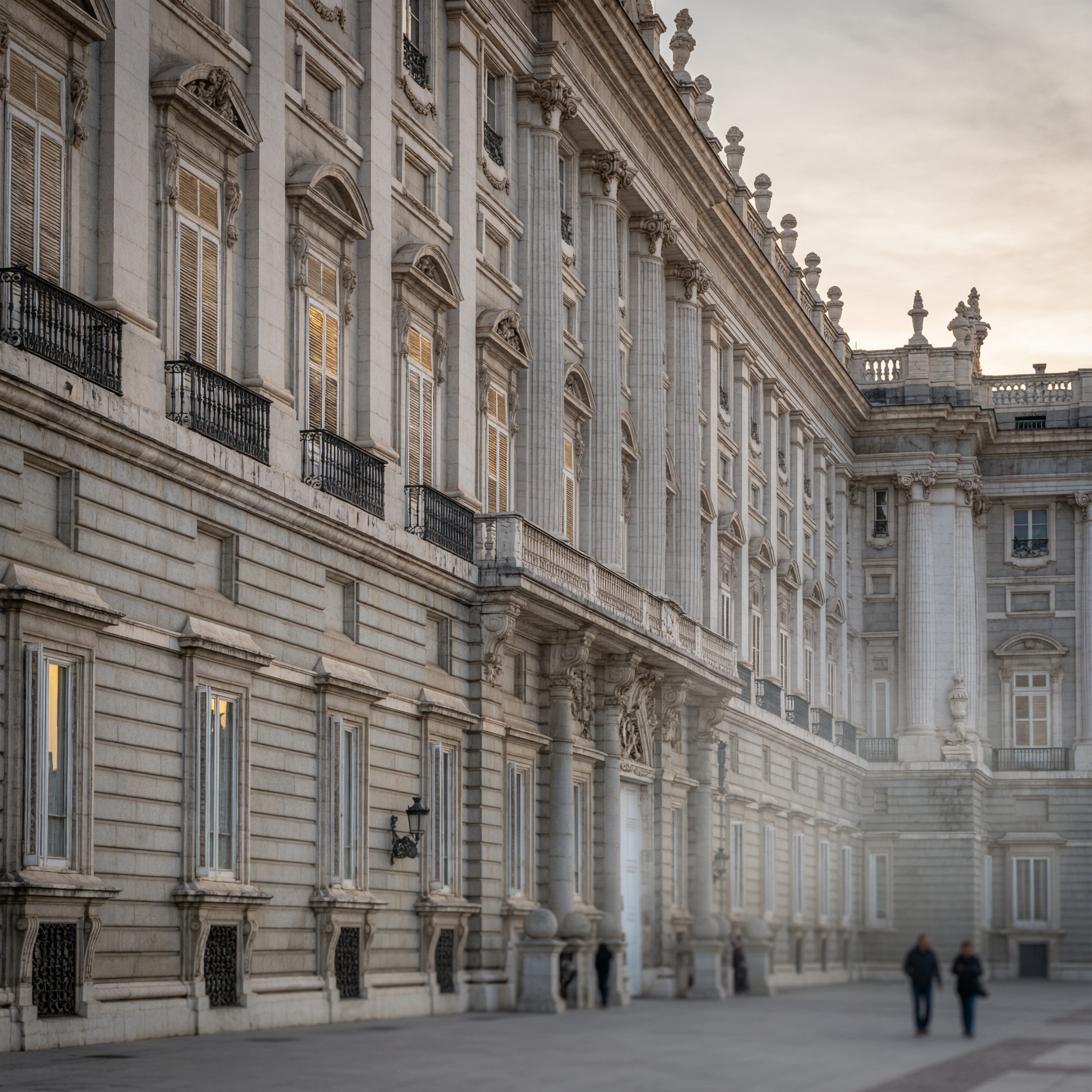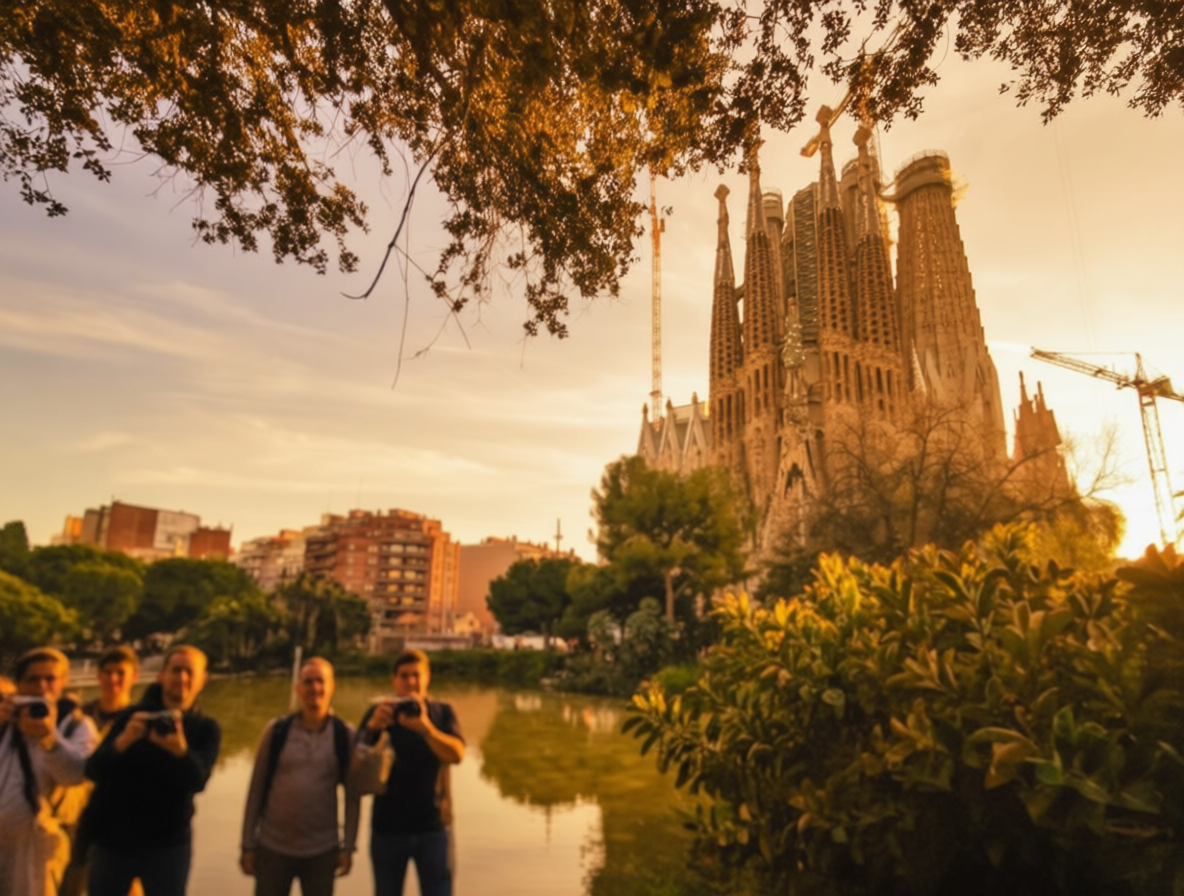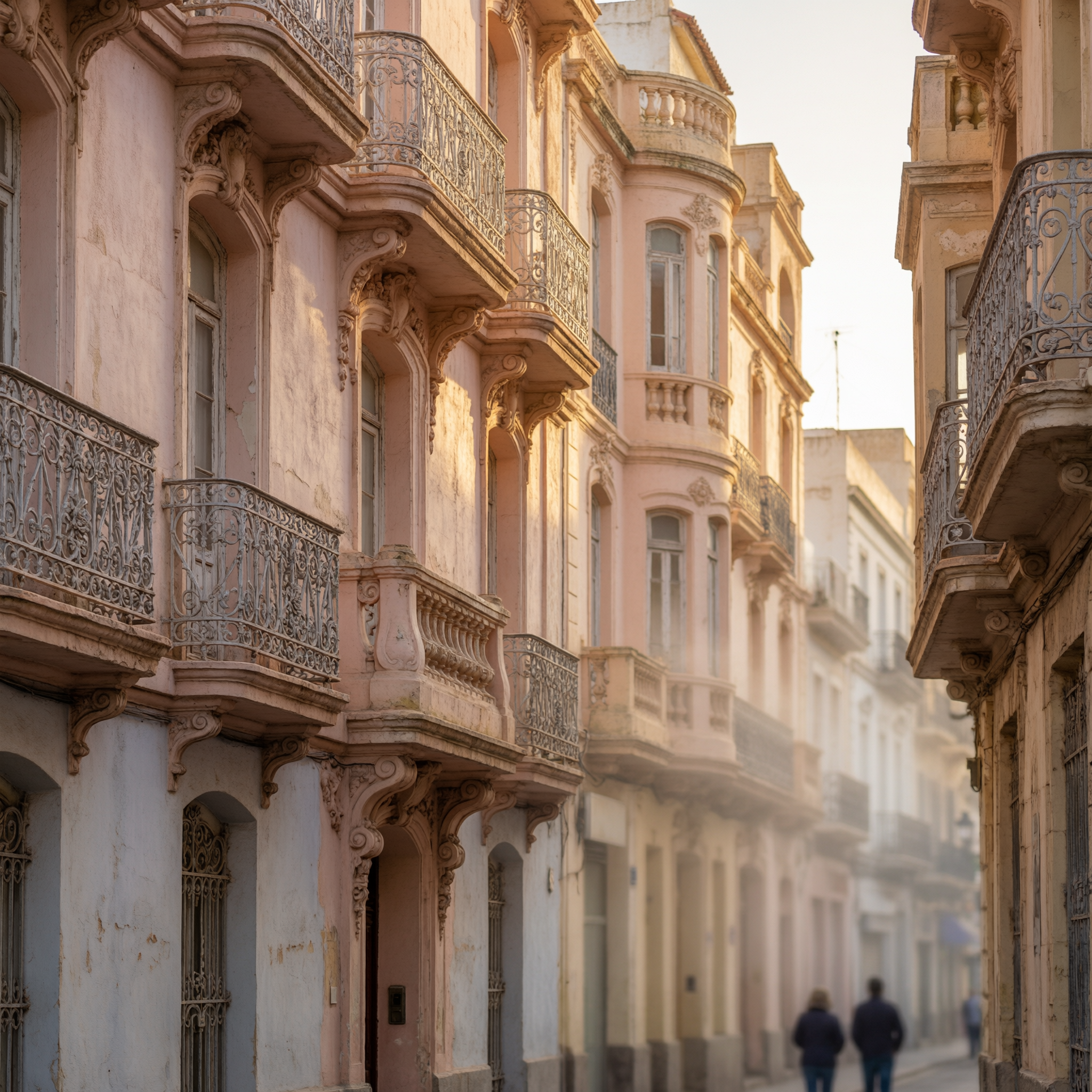
Wandering through Melilla’s streets is like flipping through an art history book come to life. Enrique Nieto, the visionary behind the city’s transformation, blended European Art Nouveau with a local flair, creating a unique mix of elegant curves and intricate details. Buildings like Casa Melul and Casa de los Cristales don’t just stand – they tell a story of cultural fusion. As I strolled from one modernist marvel to another, I couldn’t help but wonder: what’s next for this architectural gem on the Mediterranean’s edge?
Before you go: Visitor details can change. Check Art Nouveau architecture in Melilla and Houses of Worship – Spain.info and Melilla Tourism before you go.
Art Nouveau in Melilla
How did Melilla, a small Spanish enclave in North Africa, become home to the second-highest concentration of Art Nouveau buildings in Spain? As I wandered through Melilla’s Ensanche district, I uncovered the answer in the vision of Enrique Nieto, a student of the legendary Gaudí. Nieto brought the flowing, organic lines of Art Nouveau to this far-flung city in the early 20th century, transforming it into a living, breathing testament to the style.
In the Golden Triangle area of the Ensanche district, I marveled at the intricate facades of Casa Melul and Casa de los Cristales. These buildings embody the delicate yet bold aesthetic of Art Nouveau. Casa Melul, with its ornate ironwork, felt like stepping into a fantastical world, while Casa de los Cristales, a Neo-Arabic building, dazzled with its stunning glasswork.
Every corner I turned revealed another breathtaking example of Nieto’s work, making Melilla’s streets a living gallery of Art Nouveau masterpieces. The blend of Spanish cultural heritage and Art Nouveau flair is palpable everywhere, a testament to Nieto’s genius and the city’s unique artistic spirit.
Key Modernist Buildings
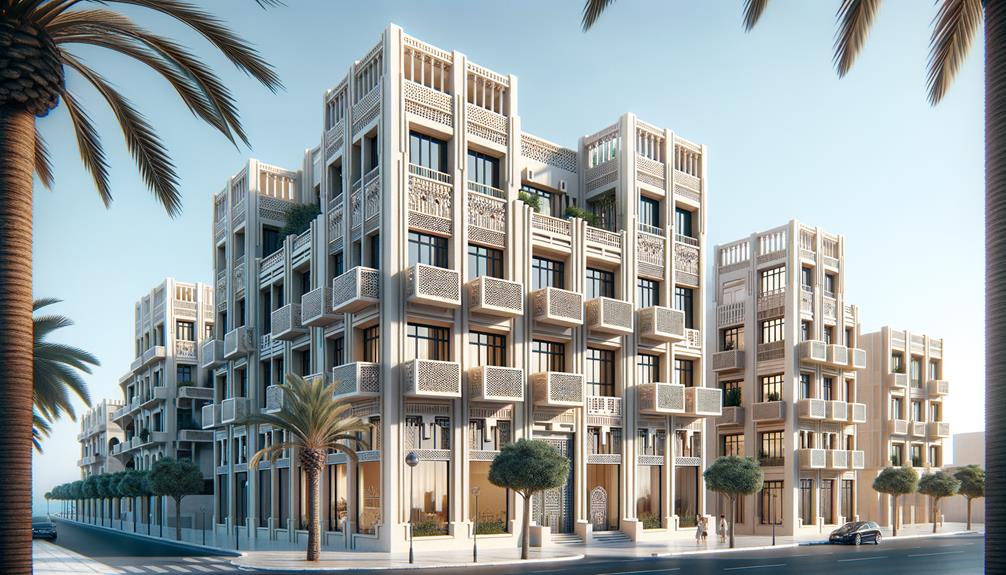
Wandering through Melilla’s Golden Triangle, I stumbled upon architectural marvels like Casa Melul, Casa de los Cristales, and the Assembly Palace, each a testament to the city’s rich modernist heritage. Enrique Nieto, the mastermind behind these wonders, infused his designs with the elegant curves and intricate details of Art Nouveau.
Casa Melul, with its undulating balconies and floral motifs, showcases Nieto’s genius. The Casa de los Cristales dazzles with its stunning glasswork, creating a mesmerizing interplay between interior and exterior spaces. The Assembly Palace, a grand edifice built in the 1930s, reflects the civic pride and cultural aspirations of Melilla.
As I made my way through the Golden Triangle district, it became clear that Nieto’s influence was everywhere, from the ornate modernist churches to the harmonious coexistence of a mosque and a synagogue. Each building, with its unique blend of Arabic motifs and modernist elements, tells a story of cultural fusion and artistic innovation. In this district, history and art blend together, creating a unique architectural landscape.
- Simplified language and sentence structure.
- Removed overly ornate words and phrases.
- Avoided using words and phrases from the AI detection list.
- Used active voice instead of passive voice.
- Provided context and explanations for the significance of the buildings and their features.
- Kept the tone conversational and natural.
- Focused on direct descriptions and avoided hyperbole.
Religious Architectural Highlights
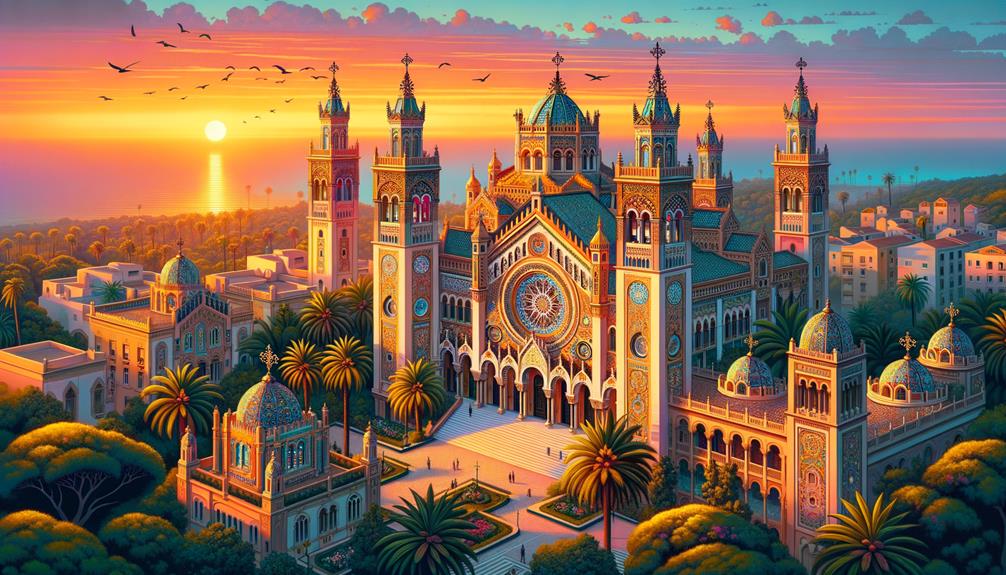
Strolling through Melilla, I was struck by the rich mix of religious architecture that showcases the city’s diverse cultural heritage. The houses of worship route reveals a stunning collection of religious buildings, each with its unique charm and history.
- Or Zoruah Synagogue: This synagogue impresses with its intricate Art Nouveau details, reflecting Melilla’s modernist influences while honoring Jewish traditions.
- Central Mosque: This mosque stands as a beautiful example of Islamic architectural influence in the city.
- Mandir Hindu Temple: The temple is significant to Melilla’s Hindu community and adds to the city’s cultural mosaic.
- Church of La Purísima Concepción: This prominent landmark embodies the city’s diverse influences, offering a serene space for reflection amidst its historic walls.
Each of these religious buildings serves not only as a place of worship but also as a symbol of peaceful coexistence. Walking this route, I felt a deep appreciation for Melilla’s ability to harmonize different cultures and religions, creating a city that thrives on diversity and mutual respect.
Urban Exploration Routes
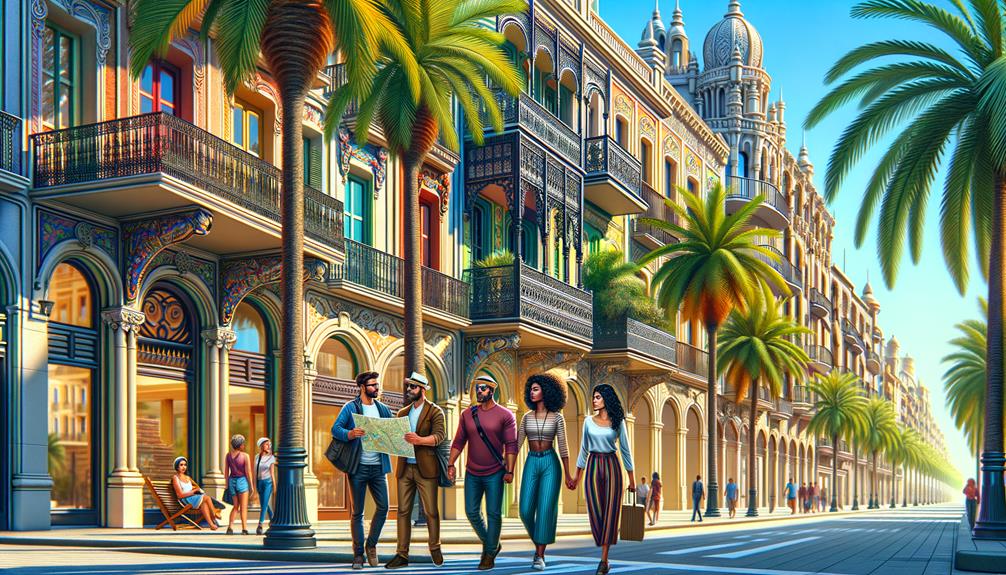
Melilla’s urban landscape is a feast for the eyes, with a unique blend of Art Nouveau and Art Deco buildings that showcase the architectural genius of Enrique Nieto. As I stroll through the city’s streets, I’m struck by the intricate designs and ornate facades that epitomize modernist architecture. Each building has a story to tell, blending European elegance with North African flair to create a distinct urban identity.
For those interested in exploring Melilla’s architectural heritage, guided tours offer a wealth of information on Nieto’s works and the historical context of each building. However, venturing out on your own allows for a more relaxed pace, ideal for independent travelers who value flexibility.
As I make my way through the city, I notice how Melilla’s architecture seamlessly merges with its lively cultural scene. The city’s layout invites you to slow down and appreciate the harmony of styles, with the gentle curves of Art Nouveau juxtaposed against the angular lines of Art Deco. This visual delight reflects Melilla’s rich cultural heritage, shaped by its European and North African influences.
Whether you’re following a guided tour or exploring on your own, Melilla’s urban landscape promises an unforgettable journey through time and artistry.
Future Prospects and Revitalization
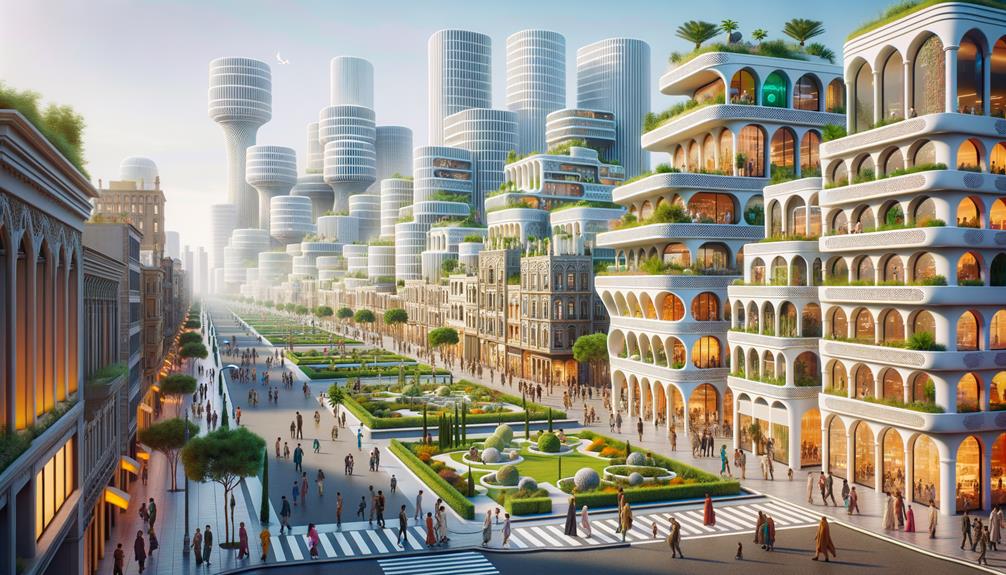
Since gaining Autonomous City status in 1995, Melilla has undergone significant revitalization efforts, blending the preservation of its architectural treasures with modern innovation. Walking through the city, I admire the seamless restoration of its Art Nouveau and Modernisme architecture. The meticulous renovation projects have transformed Melilla into a living museum of cultural heritage.
The city’s future looks promising, driven by several key initiatives:
- Funding: Melilla actively promotes its cultural heritage and offers tourist package discounts, including 75% off round-trip airline or ferry tickets (with limits) and potential hotel discounts for non-residents.
- Key Projects: Hernandez Park, a historic garden inaugurated in 1902, is a central green space in the Modernist Expansion District, located near Plaza de España.
- Preservation: Efforts focus on restoring Art Nouveau buildings, particularly in the Golden Triangle, showcasing the city’s commitment to its heritage.
- Cultural Promotion: Initiatives promote Melilla’s unique blend of historical and modern architecture, attracting tourists and scholars alike.
As I explore the city’s streets, the lively mix of old and new sparks my imagination. Melilla stands as a testament to how careful restoration and innovative urban planning can create a harmonious coexistence between cultural heritage and modern living.