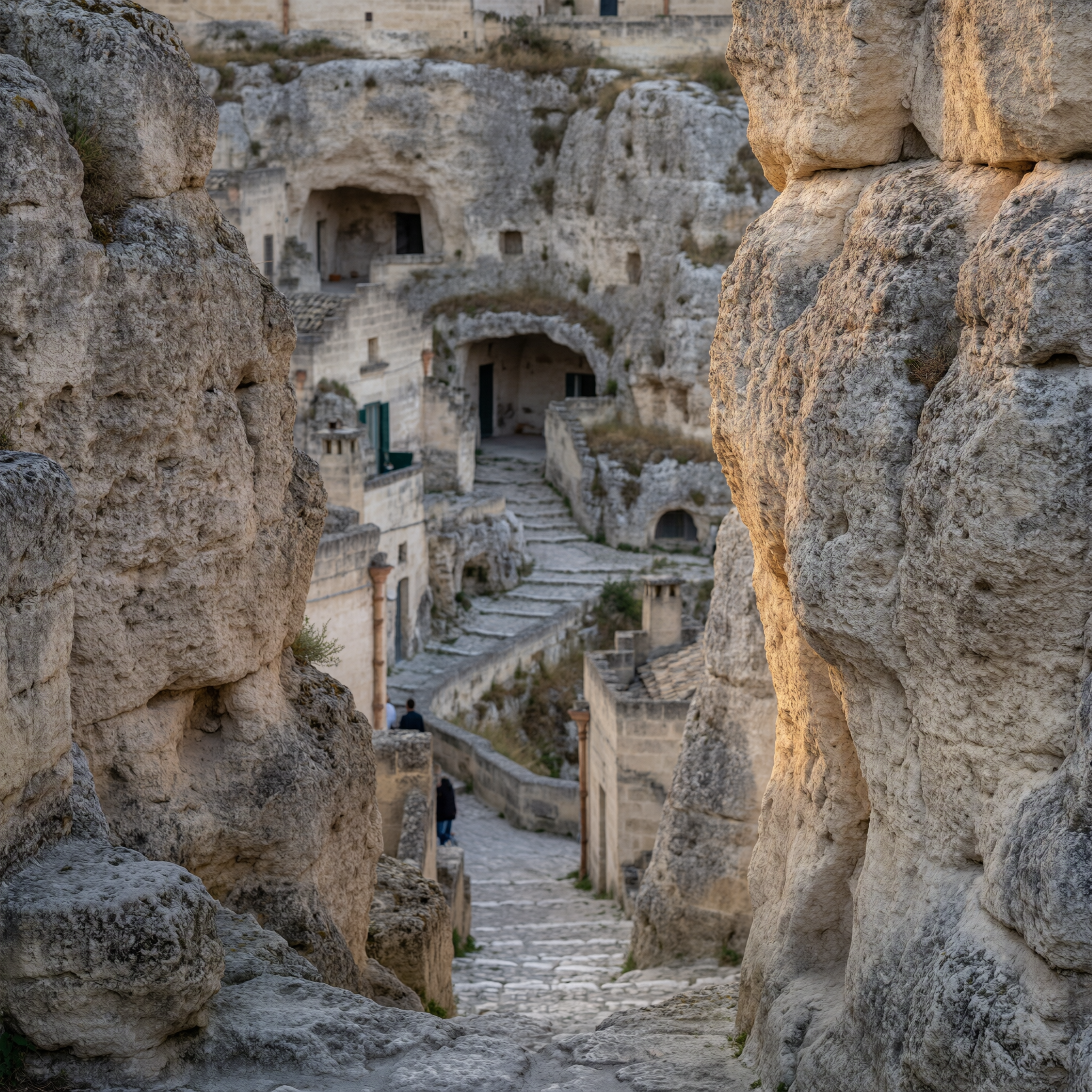
Strolling through Matera’s Sassi district feels like turning the pages of an ancient book, with each corner revealing a new story. I stepped into one of the cave homes—part of a district that UNESCO recognizes as containing more than a thousand troglodyte dwellings—and was struck by the Byzantine frescoes decorating the rupestrian churches nearby. The narrow alleys lead past cave restaurants and small shops, and history and modern life sit side by side in a way that feels entirely natural. What caught my attention most, though, was the story behind the Crypt of Original Sin, often called the ‘Sistine Chapel of Rupestrian Art.’
Before you go: Visitor details can change. Check Matera, what to see in the City of Sassi – Italia.it and 16 Unmissable Things to Do in Matera, Italy – Never Ending Voyage before you go.
History of the Sassi
The Sassi district in Matera, Italy, with its more than a thousand cave dwellings carved into the steep sides of a ravine, stands as a testament to human ingenuity and adaptability across classical and medieval history. Walking through this maze of ancient caves, you can’t help but feel the weight of the story they tell—one of survival, creativity, and community. The Sassi, now a UNESCO World Heritage Site, captures something essential about southern Italy, where people shaped their lives around an unforgiving but extraordinary landscape.
These cave homes, known as ‘rupestrian’ dwellings, were gradually expanded by peasants and artisans over the centuries. What began as simple shelters evolved into complex living spaces, incorporating Renaissance-era structures alongside far older excavations. The layers of construction visible in the rock speak to generations of continuous occupation stretching back to the Paleolithic.
In the 1950s, residents of the Sassi were forced to relocate to modern housing on the plateau above, as the Italian government deemed conditions there a national disgrace. Recent decades, however, have seen the area revitalized, mixing its ancient character with contemporary comforts. As I wandered through, I felt a genuine connection to that layered past and a new appreciation for how Matera’s history continues to shape its present.
Exploring Sassi Barisano
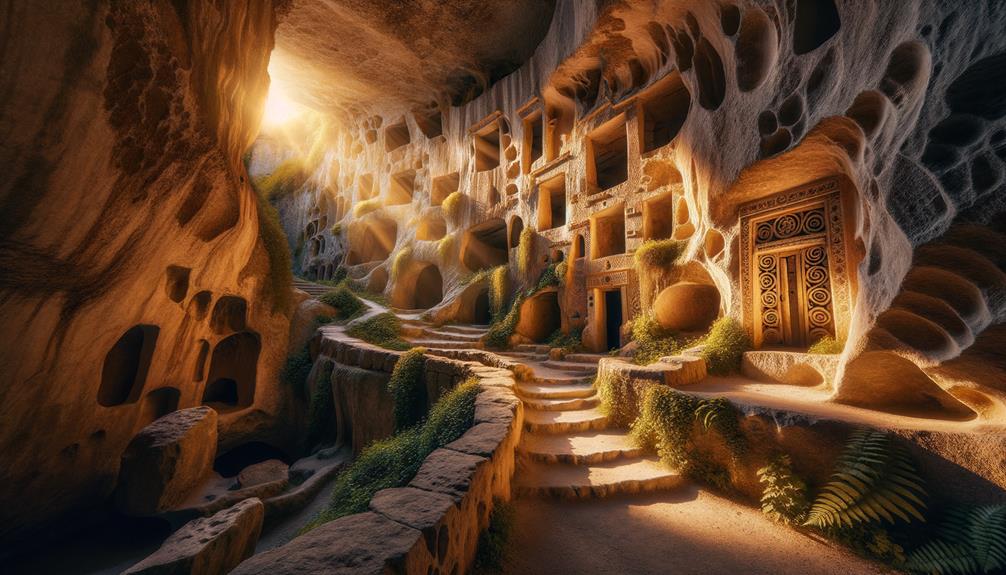
Strolling through Sassi Barisano, I was struck by how ancient cave structures sit alongside modern touches with very little friction. The narrow alleys and steep stairways lead to restaurants, shops, and hotels carved directly into the rock. Each step offered a glimpse into history, from Byzantine frescoes in the Church of San Pietro Barisano to the texture of the tuff walls themselves.
Ancient Cave Structures
In the heart of Matera, the Sassi Barisano district opens into a maze of cave dwellings carved from limestone and tuff. Each turn presents something new—honeycombed structures that shape the skyline, detailed stone stairways, and worn archways. Walking through, it is easy to lose track of time amid the history embedded in every surface. With more than a thousand dwellings dug into the sides of a steep ravine, the district feels less like a monument and more like a place that simply never stopped being lived in.
The rupestrian churches, such as the 13th-century Church of San Pietro Caveoso and the 12th-century Church of Santa Maria de Idris, are especially impressive, their interiors covered in Byzantine frescoes. The atmosphere is both sacred and quiet, reflecting a spiritual life that persisted here for centuries.
Today, many of these spaces have been converted into cave hotels and restaurants that pair ancient stone walls with modern amenities. The result is an experience that is genuinely unlike anywhere else.
- Detailed stone stairways and arches
- More than a thousand cave dwellings
- Rupestrian churches with Byzantine frescoes
- Maze-like passages
- Blend of ancient and modern in cave hotels and restaurants
The Sassi Barisano district is a compelling expression of Matera’s long heritage.
Modern Adaptations
In Sassi Barisano, you can explore cave hotels and restaurants that beautifully blend ancient history with modern luxury. Walking through this area, you'll be struck by the detailed stonework from the Renaissance, complete with carved stairways and archways that have been carefully restored. Boutique hotels like Le Dodici Lune and Fra i Sassi Residence offer a memorable stay. Each renovated cave combines old walls with sleek, modern touches.
I was struck by how these cave hotels manage to feel both atmospheric and comfortable, with modern amenities tucked discreetly into spaces that once sheltered entire families. The restaurants are equally well-considered, offering regional cooking within walls that carry centuries of history. Every meal felt like an extension of the place itself.
The Sassi district as a whole shows what thoughtful repurposing can look like. Cafes, galleries, and small venues have taken root in these ancient spaces, and the result is a neighborhood where history isn’t cordoned off behind glass—it’s the fabric of daily life.
Sasso Caveoso Attractions
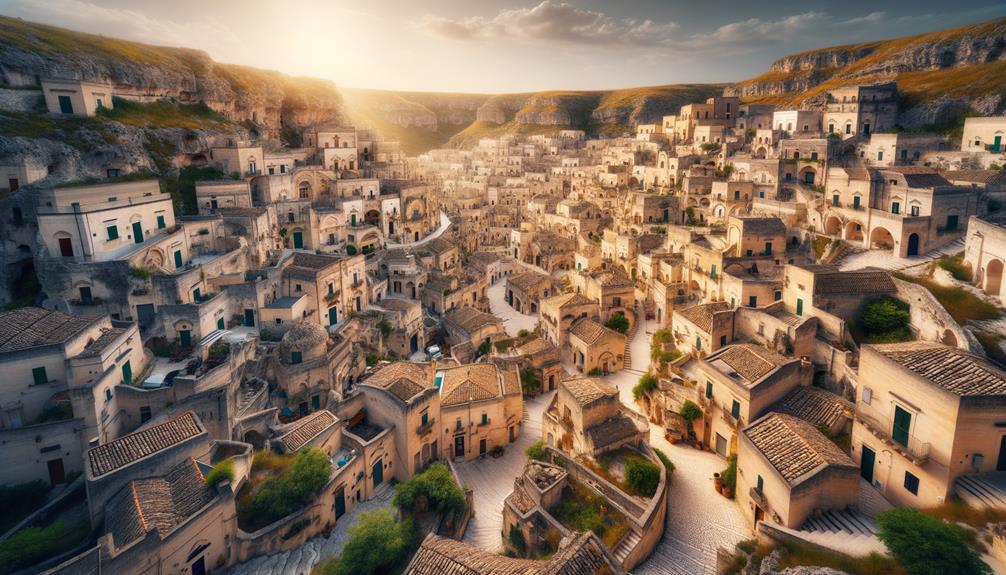
Strolling through Sasso Caveoso, I was struck by the maze of narrow streets and staircases, each turn bringing me to another historical landmark—most notably the Church of San Pietro Caveoso, its facade rising against the ravine. The area balanced old architecture and contemporary life, with renovated cave homes serving as hotels and restaurants. I made a point of trying the local dishes, each one grounded in the flavors of the Basilicata region.
Historical Landmarks Exploration
Walking through the Sasso Caveoso district is like moving through a place where time has accumulated rather than passed. As I wandered the Sassi of Matera, the history embedded in every stone drew me in. The cave churches, like the 13th-century San Pietro Caveoso, offer a window into the spiritual life of this ancient settlement, their frescoes and architecture reflecting a faith that shaped the community for generations.
Another standout is the Church of Santa Maria de Idris, a 12th-century church carved directly into the rock, with Byzantine frescoes and intricate decorative details. The artwork in these cave churches speaks to the depth of Matera’s cultural heritage.
I also visited the Casa Grotta di Vico Solitario, a carefully restored 18th-century cave home that offers a close-up view of daily life as Matera’s residents once lived it, complete with traditional furniture and household objects. Check the official site before visiting for current hours and admission details.
San Pietro Caveoso
Church of Santa Maria de Idris
Casa Grotta di Vico Solitario
Museum of Contemporary Sculpture
Atmospheric renovated cave restaurants and hotels
Every corner of Sasso Caveoso carries history, making a visit here genuinely memorable.
Unique Cultural Experiences
Wandering through the winding alleys of Sasso Caveoso, I was struck by how old traditions and contemporary life coexist in the renovated cave restaurants and hotels. Each stretch of the neighborhood revealed another layer of what makes Matera so distinctive.
When I visited the churches of San Pietro Caveoso and Santa Maria de Idris, the Byzantine frescoes and intricate decorations held my attention far longer than I expected, each image carrying stories from centuries past. The sense of history was pervasive, yet the neighborhood around them felt very much alive.
The Museum of Contemporary Sculpture offered a surprising contrast—modern works set against ancient stone walls, creating a dialogue between different eras that gave each piece an added charge.
A standout moment was visiting Casa Grotta di Vico Solitario, a reconstructed 18th-century cave home. Walking through its rooms, I felt a real connection to the daily lives of Matera’s past inhabitants. The neighborhood’s narrow alleys and stairways, lined with small shops, cafes, and trattorias, rounded out a vivid picture of Matera’s cultural depth.
In the Sassi, every corner turned revealed something worth pausing over.
Local Culinary Delights
Sasso Caveoso rewards anyone who takes time to eat well. I found myself drawn into family-run trattorias serving traditional Lucanian dishes, the kind of cooking that reflects the land and its seasons. One standout was trying focaccia di Matera, a flatbread dressed with olive oil, tomatoes, and capers—simple ingredients that came together with real conviction.
The neighborhood has a number of small restaurants that take pride in locally sourced ingredients, making each dish feel like a genuine expression of Lucanian culinary tradition. I also came across a small informal market in the area where regional products—cheeses, cured meats, and local crafts—were on offer, though visitors should note that such markets can be seasonal or irregular.
As evening fell, Sasso Caveoso buzzed with live music and entertainment. Sipping on a glass of local wine or enjoying a traditional Italian coffee was the perfect way to end my culinary adventure.
- Focaccia di Matera
- Family-run Lucanian trattorias
- Trattoria Osà
- Informal local market (seasonal; availability varies)
- Evening atmosphere with local wine and coffee
Frescoed Rock Churches
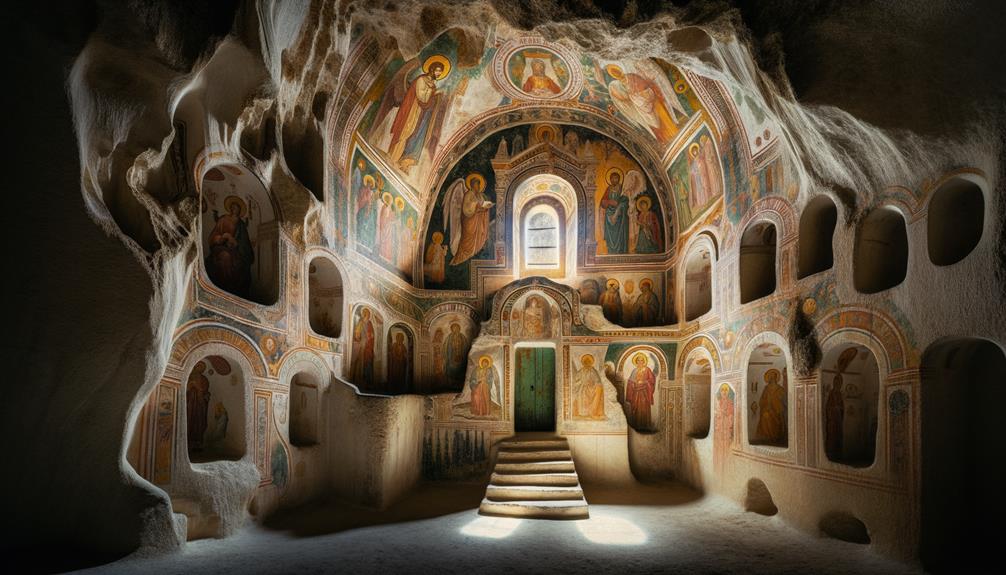
Set within the rugged landscape of Matera’s Murgia Plateau, the frescoed rock churches offer a compelling look into the region’s spiritual and artistic past. Walking through the uneven terrain, I was struck by the number of caves, each a remnant of the ancient rupestrian culture. These sanctuaries are adorned with Byzantine frescoes that have endured through the centuries, earning the area comparisons to the great fresco cycles of Italy.
Entering one of these caves, I was immediately drawn to the biblical scenes covering the walls. The frescoes—depicting the Virgin Mary and various biblical figures—narrate stories passed down through generations, and the intimacy of the space makes them feel immediate rather than remote.
The beauty of these frescoes lies not just in their artistry but in their ability to transport me back in time. Every brushstroke and color reveals a piece of history, a glimpse of the spiritual life that once thrived here. The journey through these frescoed rock churches is more than just a visual treat—it's a deep connection to the past.
Crypt of Original Sin
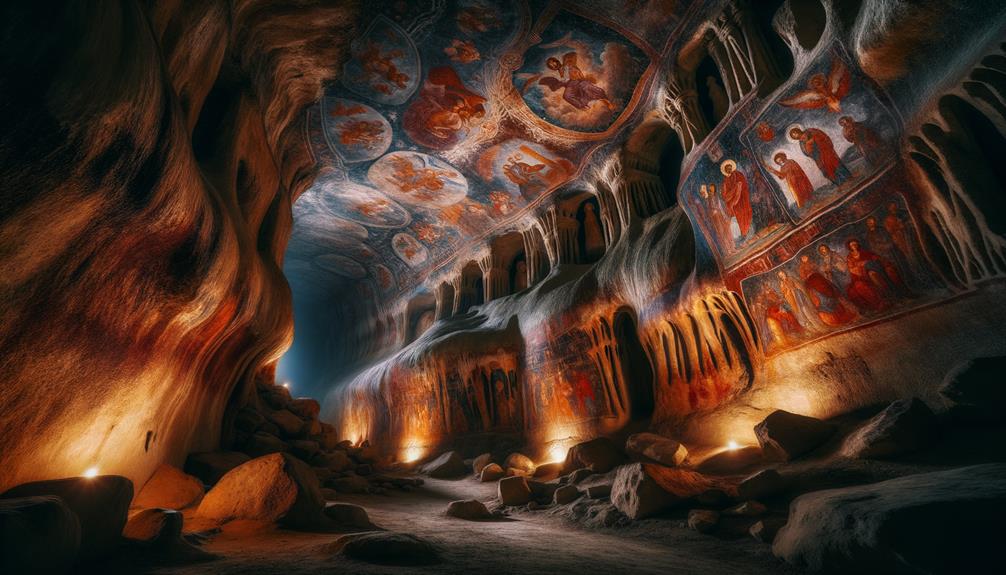
From the frescoed rock churches of the Sassi, I found myself drawn toward the Crypt of Original Sin. Known as ‘The Sistine Chapel of Rupestrian Art,’ this sanctuary sits on the Murgia plateau outside the main Sassi district and is accessible only by guided tour—worth arranging in advance. Its walls hold some of Italy’s best-preserved Byzantine frescoes, their colors and detail remarkable given the centuries they have survived.
The frescoes are mesmerizing with their vivid colors and intricate details. Scenes of Adam and Eve, God the Creator, the archangels, and the Virgin Mary transport me to another era. Standing before these masterpieces is a humbling experience, knowing they've survived for a millennium.
Finding this crypt within a natural cave gives it the quality of a genuine discovery. Restoration work has ensured that the frescoes remain accessible to visitors, though the exact history of those efforts is not fully documented in official sources.
- The crypt’s exceptional frescoes
- Depictions of biblical figures
- Preservation of Byzantine art
- Ongoing restoration of the site
- Located on Matera’s Murgia plateau, outside the main Sassi
Each step further into the Crypt of Original Sin deepened my appreciation for Matera’s artistic heritage. The site stands as a testament to human creativity and devotion, preserved in stone across the centuries.
Matera’s Hollywood Connection
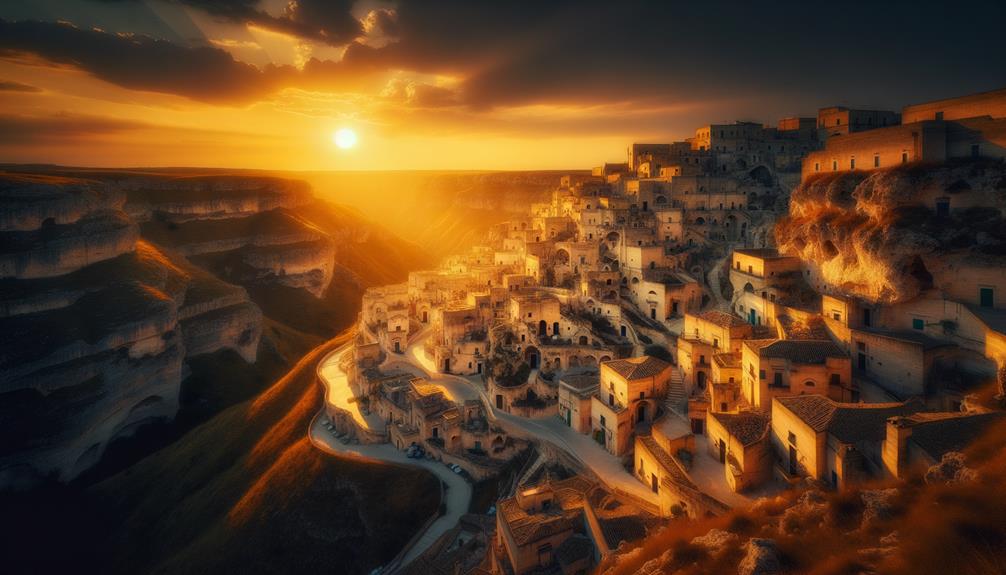
Matera’s ancient cave dwellings have drawn filmmakers for decades, their timeless quality lending itself to stories set in the distant past. Pier Paolo Pasolini was among the first to recognize this, choosing Matera as the setting for The Gospel According to St. Matthew (1964). His instinct for the city’s raw, unadorned beauty proved prescient—the landscape seemed to require no embellishment to evoke the ancient world.
Mel Gibson’s The Passion of the Christ later brought renewed attention to the city. Gibson’s portrayal of Christ’s final hours drew on the haunting atmosphere of Matera’s caves, and it is easy to understand why filmmakers return to these streets—the ancient stones carry a weight that is difficult to manufacture elsewhere.
Matera has since appeared in other productions, with some sources linking it to the James Bond film No Time to Die, though accounts of the exact filming locations vary. Check current film tourism resources for verified details. Whatever the full list, the city’s cinematic reputation has grown steadily, drawing visitors curious to see the locations for themselves.
Frequently Asked Questions
Why Did People Live in Caves in Matera?
The cave dwellings of Matera offered practical advantages that made them well suited to the local environment. The tuff rock provided natural insulation, keeping interiors cool in summer and relatively warm in winter. Over time, what began as basic shelters were expanded and refined, and the close-knit communities that formed around them developed a distinctive way of life shaped by the landscape.
Do People Still Live in Sassi di Matera?
Yes, people still live in Sassi di Matera. As I walked through the ancient streets, I encountered residents who have held onto their family homes through decades of change. Their numbers have declined since the mid-20th century, but their presence gives the neighborhood a continuity that no amount of restoration alone could provide.
How Old Are the Houses in Matera, Italy?
The Sassi of Matera show evidence of continuous human occupation from the Paleolithic period, making the site among the oldest continuously inhabited places in the world. The cave dwellings themselves range widely in age, with layers of construction reflecting thousands of years of adaptation and expansion.
What Is the ‘Shame of Italy’ and Where Is Matera?
The phrase ‘shame of Italy’ was applied to Matera—located in Basilicata, not Apulia—in the mid-20th century, when the poverty and overcrowding of the Sassi drew national attention. Residents were eventually relocated to modern housing on the plateau above. The transformation since then has been remarkable: Matera is now a UNESCO World Heritage Site and was named a European Capital of Culture in 2019, its difficult past now part of the story it tells.