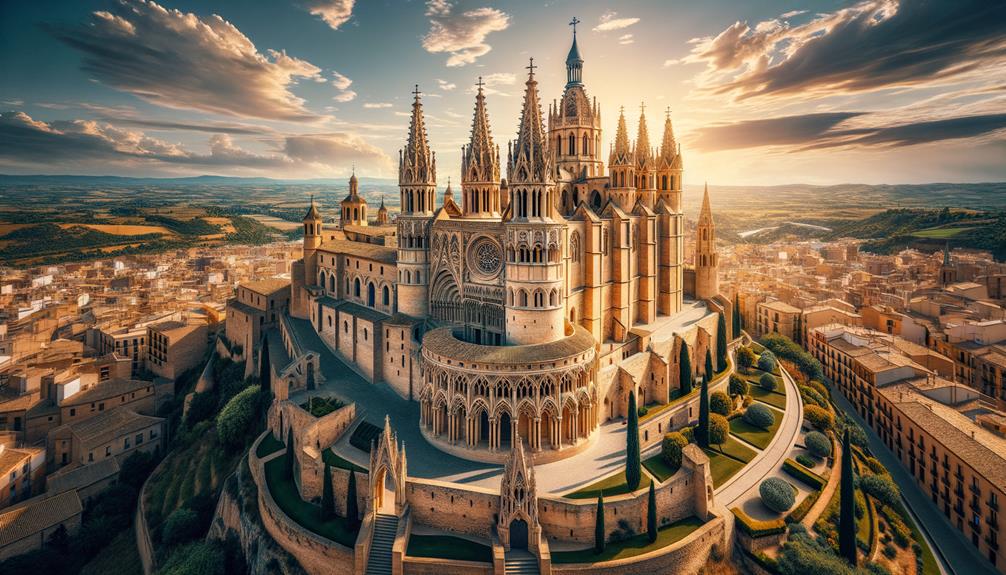
When I approached Lleida's La Seu Vella, I was struck by its grandeur, a gentle reminder of the past. The cathedral's blend of Romanesque solidity and Gothic elegance creates a fascinating contrast. Its intricate sculptures and lively murals tell stories of the city's rich history. Standing in the serene cloister, I felt a deep sense of calm, while the towering bell tower promised impressive views that invited exploration. As a national monument since 1918, La Seu Vella holds many secrets waiting to be uncovered, each corner hinting at more to explore.
History
La Seu Vella's history is a fascinating story that begins in 832, when it was originally built as a mosque after the Islamic conquest. The structure was later reconsecrated in 1149 as Santa Maria Antiqua, marking the start of its transformation. By 1193, construction of the new cathedral commenced, blending Romanesque and Gothic styles – a reflection of the cultural and architectural evolution of the period.
As I walk through the main entrance, I'm struck by the intricate details that reveal this historical journey. The floor plan itself is a fusion of different epochs, with Romanesque elements giving way to the soaring lines characteristic of Gothic style. The bell tower, completed in 1431, stands tall over Lleida, its presence visible from nearly every corner of the city. Each stone seems to hold secrets of centuries past, from its time as a sacred site to its role as a military stronghold in 1707.
In 1918, La Seu Vella was declared a national monument, and it remains a symbol of Lleida's rich heritage and architectural splendor, harmonizing diverse influences into a cohesive whole.
Architectural Features
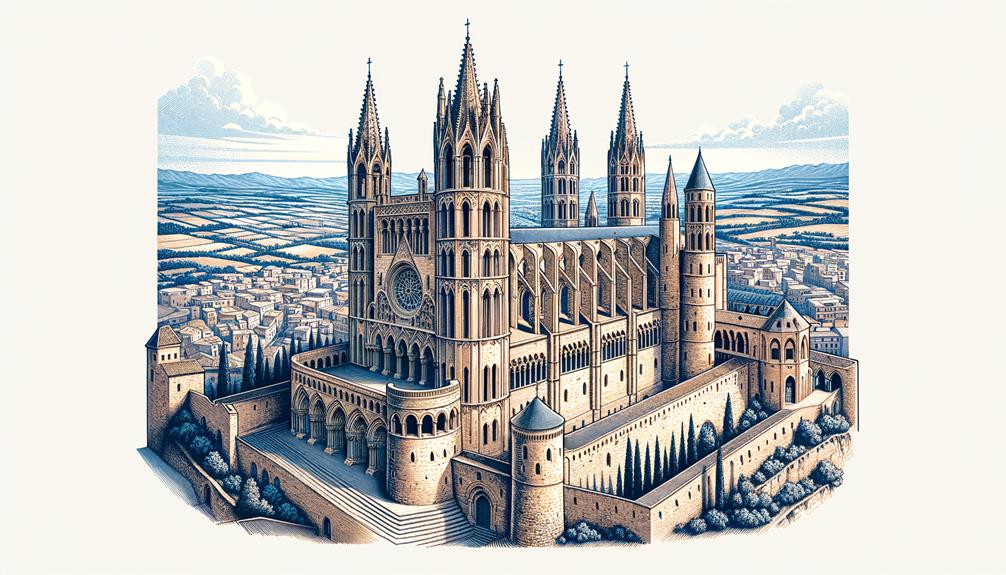
Walking through the grand entrance, I'm struck by the basilica's Latin cross floor plan, which masterfully blends Romanesque solidity and Gothic elegance. The architectural skill of Pere de Coma is evident throughout Seu Vella, particularly in the way the five apses extend from the main altar, each a testament to meticulous craftsmanship.
As I stroll through the cloister, the 14th-century rectangular structure envelops me with its open gallery, providing a serene space for contemplation. The doorways – Anunciata, Fillols, and Sant Berenguer – each have their own unique character, showcasing distinct styles that harmonize with the cathedral's overall aesthetic.
Ascending the spiral staircase of the bell tower, completed in 1431 and rising to an impressive 60 meters, I'm rewarded with striking views of Lleida. The climb itself is a journey through history, with each step echoing the footsteps of countless pilgrims who have come before.
Inside, the cathedral's interior is a visual feast. Painted murals, intricate sculptures, and decorative elements adorn every corner, inviting me to get lost in their beauty. The harmony of Romanesque and Gothic styles within Seu Vella creates a timeless space, a true masterpiece of architectural design.
Significant Events
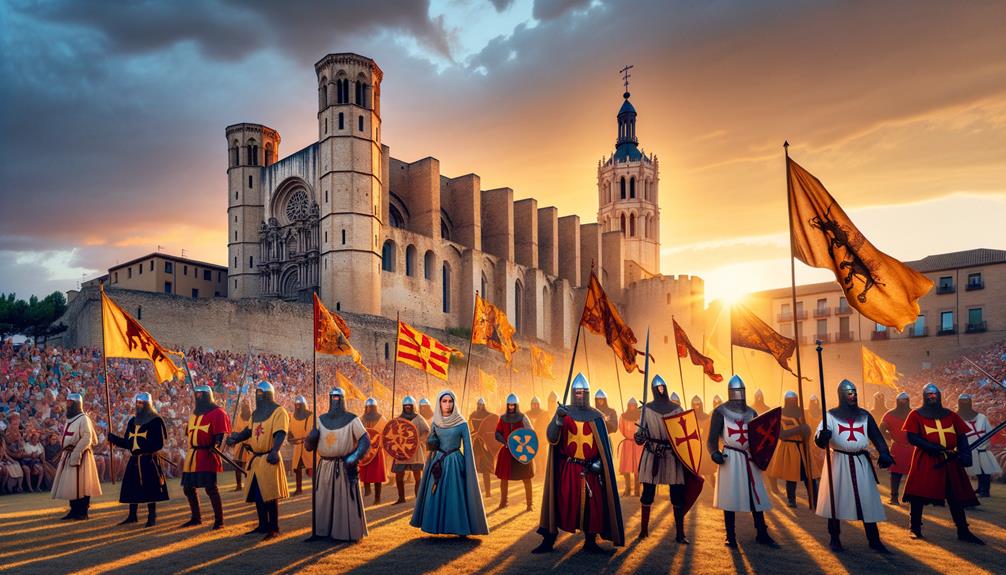
Stepping away from La Seu Vella's architectural marvels, I reflect on the significant events that have shaped its storied past. Consecrated in 1278, the cathedral marks its starting point as a Christian place of worship, built on the site of a former Muslim mosque. This transformation was orchestrated under the guidance of the first master builder, whose vision laid the groundwork for La Seu Vella to become a symbol of the city.
In 1707, the cathedral underwent a striking transformation from a Gothic religious sanctuary into a military citadel. During this period, the sacred halls of Santa Maria were repurposed for strategic defense, showcasing the resilience and adaptability of this iconic structure. The walls, once echoing with prayers, now stood firm against invaders, embodying a different kind of strength.
Adjacent to La Seu Vella, La Suda, originally a Moorish construction, further enriches the narrative. It evolved from a royal residence into a formidable military stronghold. The blend of Moorish and Christian architectural styles in La Suda's towers and walls mirrors Lleida's diverse cultural heritage. These significant events and transformations highlight La Seu Vella's enduring role as a symbol of the city's rich and turbulent history.
Visitor Information
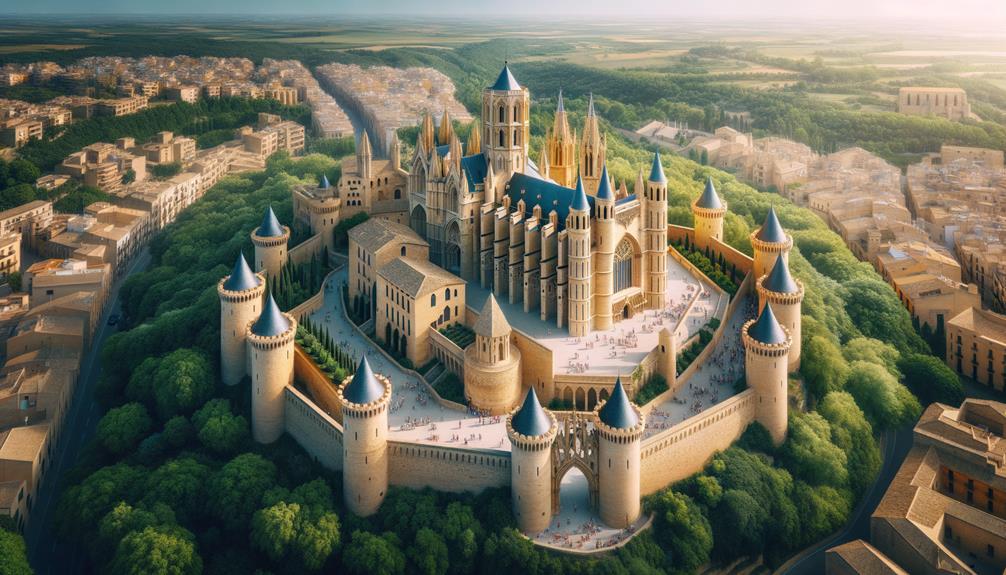
Visitors to La Seu Vella will find themselves drawn to the impressive cloister with its rectangular layout and the magnificent Fillols Gate, which sets the tone for the cathedral's architectural grandeur. As I walked through this historic marvel perched on Turó de la Seu Vella in Lleida, every detail seemed to have a story to tell. The symmetrical, bright interior with its basilica floor plan exuded a sense of peace and grandeur. The intricate sculptural decorations, from the carved capitals to the beautifully detailed windows and gates, drew me in with their timeless beauty.
The octagonal bell tower, soaring 60 meters high, was a must-see. Climbing it rewarded me with impressive panoramic views of the city's landscape, a perfect blend of history and modernity.
To help you plan your visit, here are the essential details:
Location: Turó de la Seu Vella, Lleida 25002
Opening days: Tuesday to Sunday
Opening hours: Check the official website for specific hours.
Accessibility: The site is partially accessible.
Guided tours: Available and highly recommended for a deeper understanding.
Let La Seu Vella's majestic beauty inspire you.
Notable Artworks
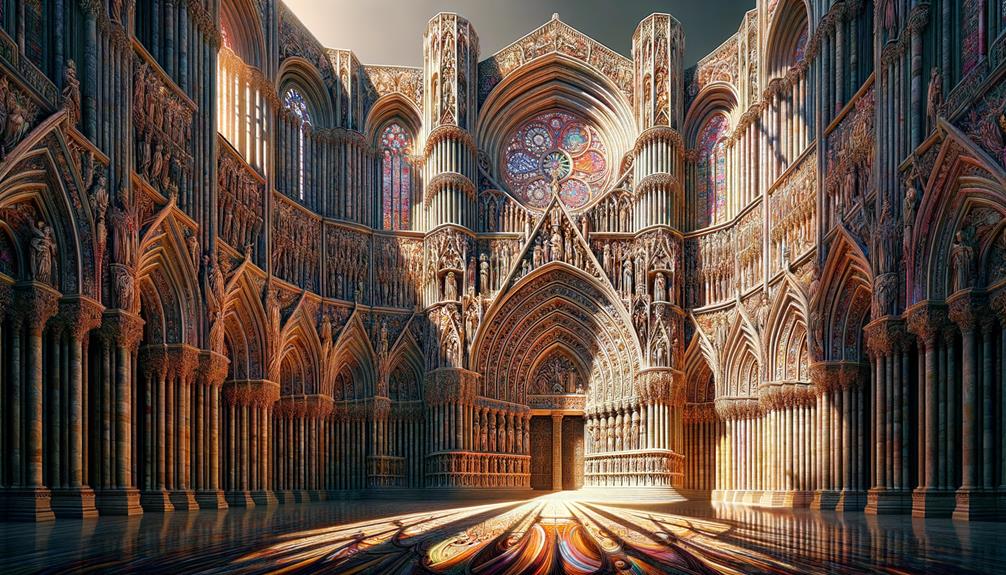
Among the many treasures of La Seu Vella, the 13th-century Gothic mural paintings immediately caught my attention with their lively colors and intricate details. The artistry speaks to the skill and vision of the master builder, who seamlessly integrated these murals into the cathedral's architecture. Each brushstroke seems to bring the walls to life, telling stories that have stood the test of time.
As I walked through the nave and two side aisles, I marveled at the sculptural decorations adorning the interior. The capitals, windows, and gates are masterpieces in their own right. The Fillols Gate, in particular, stood out with its magnificent carvings, a testament to the craftsmanship of its creators.
Standing in front of the main altar, I was drawn to the statues of Sant Berenguer, each one meticulously crafted to convey a sense of reverence and devotion. The symmetrical interior and basilica floor plan enhance the cathedral's bright and impressive atmosphere, making every corner a visual treat. La Seu Vella's blend of artistic styles creates a harmonious yet dynamic space, inviting exploration and contemplation.
Nearby Attractions
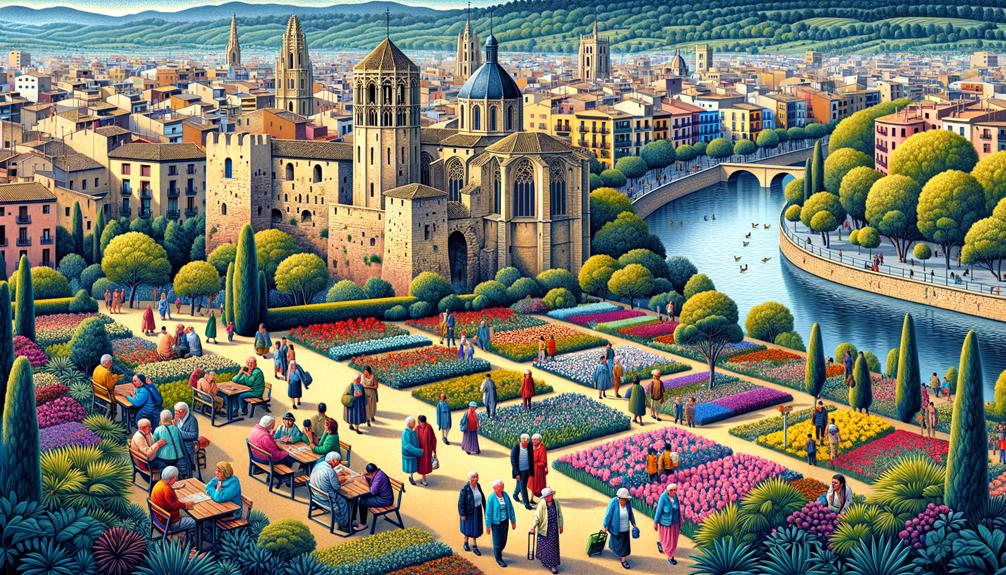
After exploring the rich history and art within La Seu Vella, I ventured out to discover the nearby attractions that enrich Lleida's cultural landscape. Each site offers a unique glimpse into different periods and facets of Catalan heritage, making the journey through these locations an memorable experience.
- King's Castle: This medieval fortress, with its storied past, stands proudly overlooking the city, showcasing striking views and architectural grandeur.
- Poblet Monastery: This serene and spiritual haven, a UNESCO World Heritage site, transports visitors back to the era of Cistercian monks and their tranquil way of life.
- Church of Agramunt: Known for its impressive Romanesque style and striking frescoes, this church is a testament to the artistic mastery of its first master builder.
- Miravet Castle: Perched on a cliff, this castle combines dramatic landscapes with historical intrigue, making it a must-visit for adventurous souls.
- Carrer Major: This bustling street is the heart of Lleida, pulsing with life, shops, and eateries, giving visitors a true taste of the city's spirit.
Exploring these attractions after the Old Cathedral's three naves and historic ambiance was like peeling back the layers of Lleida's rich cultural and historical narrative.