When I visited the Genoa Aquarium, planning ahead made a real difference. Buying tickets online spared me the queues, and choosing a weekday afternoon meant the crowds were manageable. Comfortable shoes were essential, and the interactive areas, particularly the touch pool, were a genuine highlight among the many things worth seeing.
Before you go: Visitor details can change. Check Aquarium of Genoa – Official Website and Aquarium of Genoa | Visitgenoa before you go.
Best Time to Visit
Timing your visit well pays off at the Genoa Aquarium. Weekdays are the better choice if you want to sidestep the busiest periods. The peak summer season and school holidays draw the largest crowds, while weekday mornings tend to be quieter and more relaxed.
In summer (July–August), the aquarium opens at 8:30 AM, and I found that arriving early allowed for a more personal encounter with the exhibits before the crowds built up. It was a calm time to move through the tanks and take in the marine life at my own pace.
During my visit, the early morning light filtering through the water created a quietly atmospheric setting. If mornings don’t suit you, late afternoons are also worth considering, as visitor numbers tend to thin out. Either way, thinking carefully about when to go made the experience noticeably better.
Ticket Options
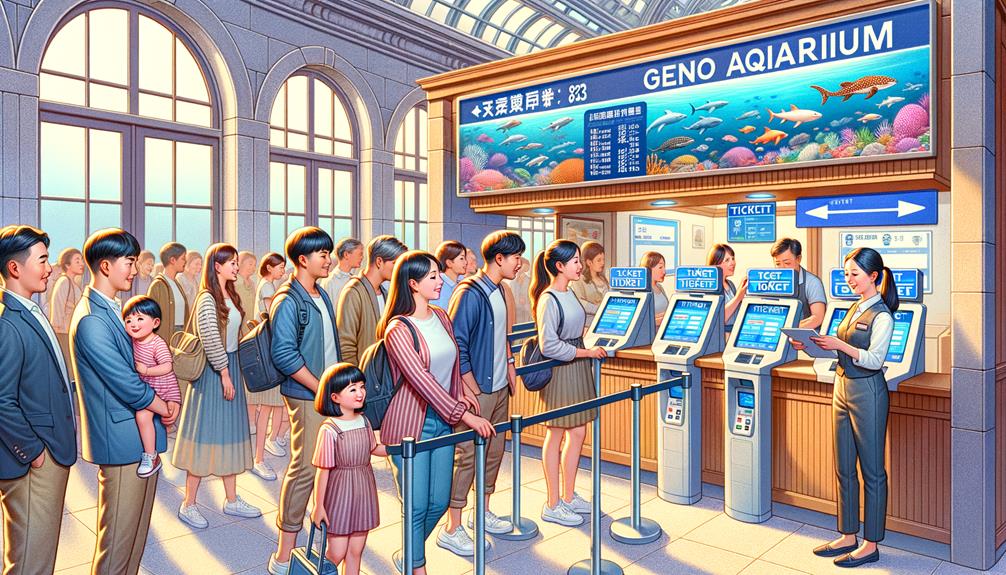
Buying tickets online for the Genoa Aquarium is strongly recommended. The official website lists the current ticket types and prices, check there before visiting, as options and availability can change. Adult tickets started at €26.00 online at the time of writing. Booking in advance secures your entry and helps you avoid the longest queues at the door.
Whichever ticket you choose, note that re-entry on the same day is not permitted, so plan to see everything you want in a single visit. Purchasing online also means you can head straight inside rather than waiting at the ticket desk.
Families can take advantage of special discounts for groups of five or more. Genoa residents should look into the Wednesdays of the Genoese offer, which provides discounted entry, check the official site for current eligibility details. Prices can vary, so it’s worth confirming the latest rates before you book.
Getting There

Getting to the Genoa Aquarium was straightforward. I had several options: taking the metro to San Giorgio station or catching a bus that stops near the entrance. For those driving, there’s a 24/7 car park close by, which makes arrival easy to plan.
Public Transport Options
Several public transport routes serve the Genoa Aquarium well. The metro is a reliable choice: take it to San Giorgio station, from where it’s a short walk to the aquarium in the Porto Antico area. Note that San Giorgio is on the Genoa Metro line, not the mainline rail network.
The bus network is also a practical option. Bus numbers 1, 12, and 13 all stop near the aquarium, check current stop locations with Visit Genoa or the local transport operator before travelling, as exact stops can change. For a more scenic approach, a Hop-on Hop-off bus is another way to reach the aquarium while taking in the city.
If you’re driving, take the Genova-Ovest highway exit and follow Via Milano and Via Gramsci towards the centre for roughly 2 km. Arriving by train, both Genova Piazza Principe and Genova Brignole mainline stations are within reach of the aquarium.
Parking Availability
The aquarium’s official car park operates 24/7 and has 167 spaces, including 4 designated for disabled visitors, approximately 50 metres from the entrance. I found it easy to reach after taking the Genova-Ovest highway exit and driving about 2 km along Via Milano and Via Gramsci. The car park is located just before the Piazza Caricamento underpass on the right. Bear in mind that spaces cannot be reserved in advance, so arriving early during busy periods is advisable.
Arriving by car gives you the freedom to set your own schedule without depending on public transport timetables. I appreciated the round-the-clock availability, which removed any concern about parking restrictions. The dedicated spaces for disabled visitors are a practical and welcome feature.
The Ponte Spinola area surrounding the aquarium has plenty of amenities and attractions, so there’s no shortage of things to see and do before or after your visit, making the aquarium a natural centrepiece of a longer day in Genoa.
Accessibility Features
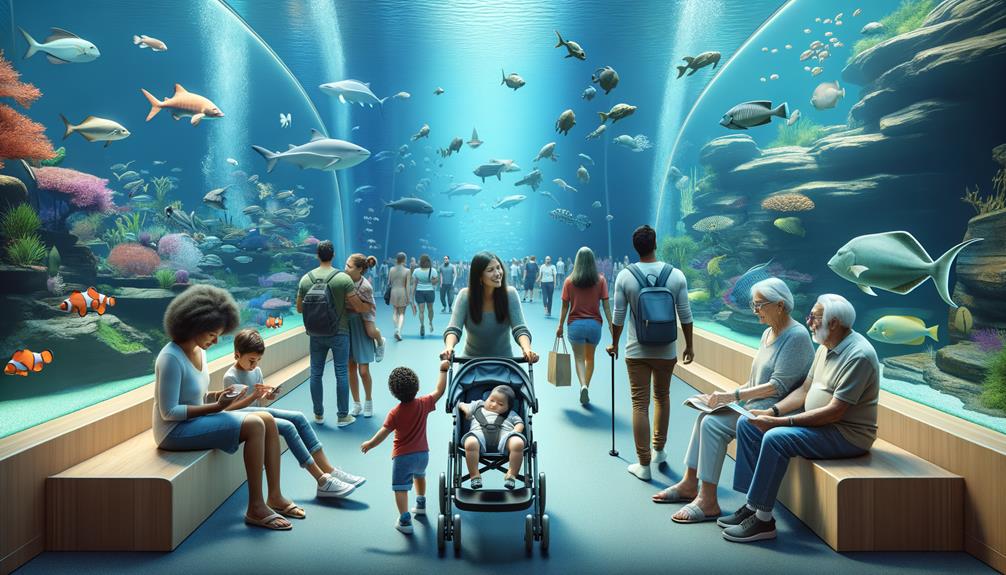
While exploring the Genoa Aquarium, I was impressed by the wheelchair-accessible pathways, which allowed everyone to move through the exhibits without difficulty. Assistance options for visitors with hearing impairments are also available, reflecting the aquarium’s commitment to being welcoming to all.
Wheelchair-Friendly Pathways
The Genoa Aquarium is well suited to visitors with mobility needs. As I made my way through, I was struck by how consistently accessible the layout was. Wide, flat paths made navigation easy whether you were using a wheelchair or pushing a stroller, and the exhibits, dining areas, and facilities all appeared designed with accessibility in mind.
Ramps and elevators were conveniently located, allowing me to visit all levels without any issues. The absence of steps and narrow hallways gave me a real sense of freedom, letting me enjoy the exhibits comfortably. Even the cloakroom and photo souvenir areas were easy to access, reflecting the aquarium’s genuine dedication to inclusivity.
The staff also contributed to the experience. Trained to assist visitors with disabilities, they were attentive and approachable, which made my visit more enjoyable. The aquarium’s focus on accessible design means that getting around never felt like an afterthought.
Hearing Assistance Options
Visitors with hearing impairments will find that the Genoa Aquarium has made efforts to ensure an inclusive experience. The aquarium offers audio descriptions in both Italian and English to help visitors engage with the exhibits, check the official website before your visit for the most current information on how these are accessed.
For those who benefit from visual aids, captioned video content in both languages is available at certain exhibits, making it easier to follow presentations and displays.
If you require sign language interpretation for a guided tour or special event, it’s advisable to contact the aquarium in advance to confirm availability and arrange the service. Getting in touch ahead of time helps ensure your needs can be met.
For any specific accessibility requirements, contacting the aquarium before your visit is the best approach. The team is generally well placed to advise on what can be arranged to make your experience as smooth as possible.
Must-See Exhibits

One of the first things you’ll encounter at the Genoa Aquarium is the Dolphin Lagoon, where you can watch dolphins move through the water and observe their natural behaviours, including the leaps and spins that make them such compelling animals to watch.
Next is Shark Bay, where the scale of the tank lets you appreciate the sharks’ fluid, unhurried movements at close range, a reminder of just how much of the ocean remains beyond our everyday experience.
A personal favourite of mine was the touch pool. The hands-on exhibits there let you make direct contact with marine life, the texture of a ray’s skin or a starfish is the kind of sensory detail that stays with you.
The tropical fish exhibit is also well worth your time. The tanks hold a wide variety of species and a striking range of colours, offering a vivid window into reef ecosystems that can be hard to appreciate any other way.
Photography Tips
Once you’ve taken in the exhibits, you’ll naturally want to photograph them. A few things to keep in mind: flash photography is prohibited inside the Genoa Aquarium, as the lighting is calibrated to suit the animals’ needs. Use a camera that performs well in low light, or adjust your settings to compensate.
To reduce reflections and glare from the glass, position yourself at an angle rather than shooting straight on. Cupping your hand around the lens or pressing it close to the glass also helps. Tripods and selfie sticks are not permitted for safety and space reasons, but bracing your camera against the exhibit glass can steady your shots effectively.
From my own experience, patience is the most useful tool. Waiting for a fish to swim into frame or a jellyfish to drift into the light often produces far better results than rushing. And while you’re lining up shots, it’s worth pausing occasionally just to watch, the underwater world is worth more than the photos of it.
Dining Options
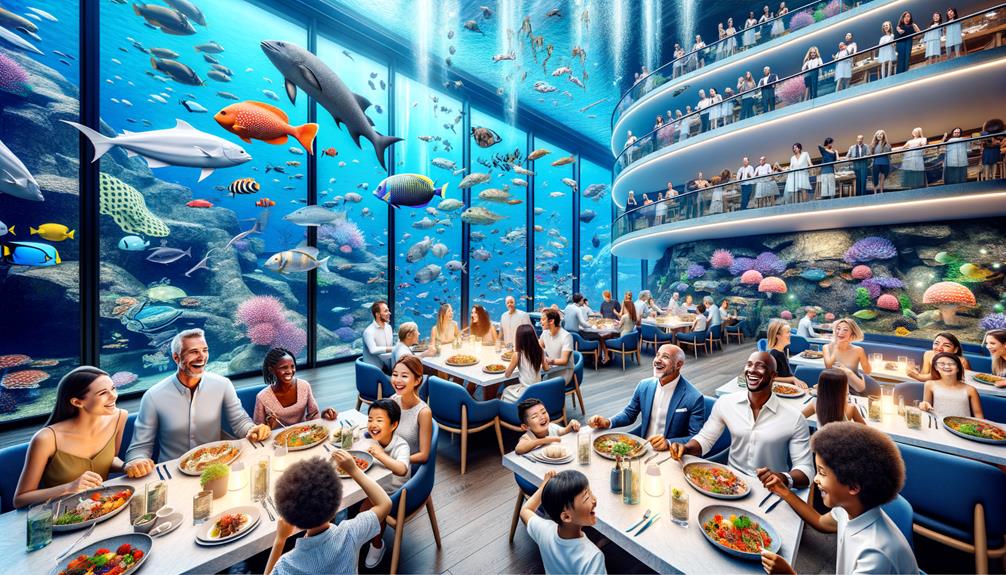
If you need a break during your visit, the aquarium has dining options on site. Tender is a fast-food bar offering quick meals and snacks. Check with staff on the day regarding dietary options such as gluten-free choices, as menus can change.
For a longer break, Gusto Aboard is the aquarium’s sit-down restaurant, set in a marine-themed environment with a broader menu. Both venues are designed to cater to a range of tastes and appetites.
Lighter snacks and drinks may also be available from machines within the building. Outside food and drinks are generally not permitted inside, but the Blue Ship deck has been noted as a picnic-friendly spot, confirm current access arrangements with the aquarium before your visit, as facilities can change.
Visitor Etiquette
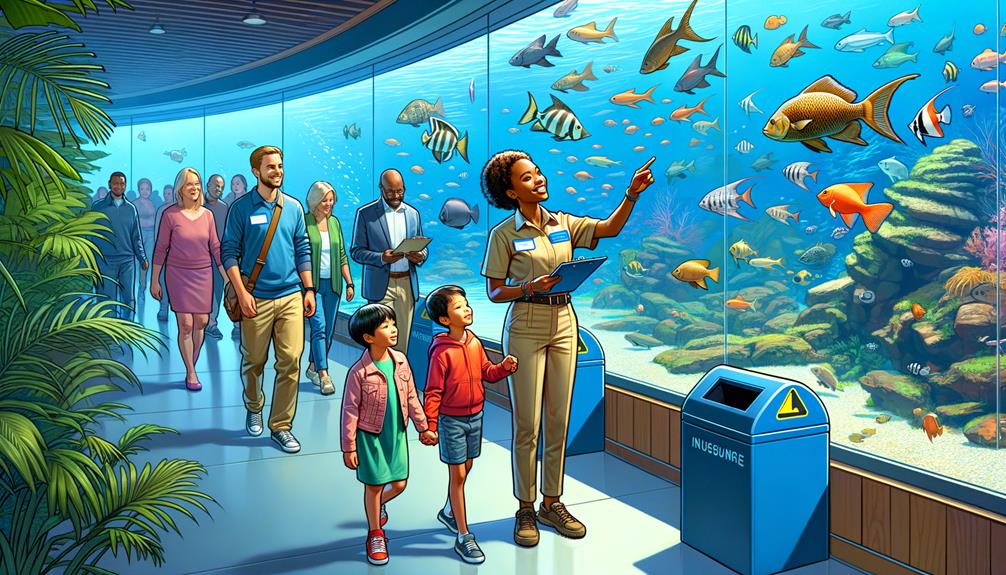
When I visited the Genoa Aquarium, it was clear how much the experience depends on everyone respecting the exhibit boundaries and keeping noise to a minimum. The barriers and signage exist to protect both the animals and other visitors. A calm atmosphere benefits everyone, and it’s easy to maintain with a little consideration.
Respect Exhibit Boundaries
Staying within exhibit boundaries matters for the safety of both the animals and other visitors. During my time at the Genoa Aquarium, it was easy to see why these rules exist, the marine life on display is extraordinary, and keeping within the designated areas helps protect their welfare. It’s less about following rules for their own sake and more about genuinely valuing the animals’ well-being.
The touch tank is a popular interactive feature that I found genuinely engaging, but gentle contact is key. I appreciated how the educational programs provide deeper insight into marine ecosystems, emphasizing why respectful behaviour matters. Feeding sessions are another highlight I enjoyed, serving as a vivid reminder of the delicate balance we need to maintain.
| Do's | Don'ts |
|---|---|
| Gently touch animals in the touch tank | Bang on glass exhibits |
| Follow staff instructions during educational programs | Feed animals without guidance |
| Stay behind barriers during feeding sessions | Climb over exhibit fences |
Reflecting on my visit, it struck me how small choices, staying behind a barrier, touching carefully, keeping voices low, add up to a meaningful difference, both for the quality of everyone’s experience and for the animals themselves.
Quiet Inside Zones
Keeping noise down in the quieter sections of the aquarium benefits both visitors and the animals. As I moved through those areas, I noticed how the calm environment sharpened the experience, the hum of the filtration systems and the slow drift of marine animals through the water created a genuinely still atmosphere that was easy to appreciate.
During my visit, I found that speaking quietly allowed me to focus fully on the exhibits without distraction. The fish and other creatures seemed more settled in the calmer sections, and the immersive quality of the experience, the soft sounds of water, the unhurried movement of the animals, was noticeably stronger when the surroundings were peaceful.
Every step inside the Genoa Aquarium reminded me of the delicate balance we must maintain to respect the marine animals’ habitat. By keeping the volume down, we not only enhance our own visit but also contribute to the well-being of the creatures we’re there to admire. It’s a small act that, in my experience, makes a big difference in preserving the tranquility of the underwater world.
Duration of Visit
Most visitors spend around three to four hours at the Genoa Aquarium, which is enough time to work through the main exhibits and interactive displays without feeling rushed. If you prefer a slower pace, or want to linger at particular sections, you could easily extend that.
The aquarium opens at 8:30 AM in summer, giving you flexibility in how you structure your day. On one visit, I found myself spending a long stretch in just the first few sections, drawn in by the detail of the exhibits and the penguins and jellyfish in particular, it’s easy to lose track of time.
Given the number of exhibits, it’s worth pacing yourself rather than trying to move quickly through everything. The generous opening hours mean there’s no need to rush, and I found that spending extra time at the exhibits that interested me most made each visit feel distinct.
Additional Services

Beyond the exhibits themselves, the Aquarium of Genoa offers a range of services that add depth to the visit. Guided tours led by marine biologists provide context that’s hard to pick up from signage alone. Behind-the-scenes tours and children’s workshops are also available, check the official website for current schedules, as availability may be seasonal.
Practical amenities include a lost property office and a secure cloakroom where you can store clothing and luggage. Storage costs €3 per item, useful if you’re carrying bulky bags or extra layers.
Discounts are available for families of five or more, and Genoa residents can take advantage of the ‘Wednesdays of the Genoese’ offer. Check the official site for current eligibility criteria and rates before your visit.
| Service | Description | Cost |
|---|---|---|
| Guided Tours | Accompanied by a marine biologist | Varies |
| Guarded Wardrobe | Storage for clothing and luggage | €3 per item |
| Lost Property Office | Assistance with lost items | Free |
| Special Discounts | Discounts for families and Genoa residents | Varies |
| Behind-the-Scenes Tours | Interactive and educational activities | Varies |
These thoughtful services truly enhance the Aquarium of Genoa experience.
Frequently Asked Questions
How Much Time Do You Need at the Genoa Aquarium?
Most visitors find that three to four hours is enough to cover the main exhibits comfortably. If you tend to move slowly or want to revisit favourite sections, you could easily fill a longer stretch, the aquarium rewards unhurried exploration.
Is the Aquarium in Genoa Worth Visiting?
Visiting the Genoa Aquarium is, in my view, well worth it for anyone interested in marine life and learning more about our oceans. As one of the largest aquariums in Europe, it offers a fascinating experience for curious minds and ocean lovers alike, and I’d encourage anyone passing through Genoa to make time for it.
Is Genoa Aquarium Ethical?
I found the Genoa Aquarium’s focus on conservation and education to be one of its most compelling aspects. Learning about the research and awareness programmes in place gave me a greater appreciation for the role aquariums can play in protecting marine life and inspiring visitors to care about our oceans.
Is Genoa Aquarium the Biggest in Europe?
The Genoa Aquarium is one of the largest aquariums in Europe, but it is not the biggest, that distinction belongs to other facilities, including L’Oceanogràfic in Valencia. Walking through its exhibits, I was still struck by the scale and variety of marine life on display, and by how much there is to think about regarding the ocean and our relationship with it.