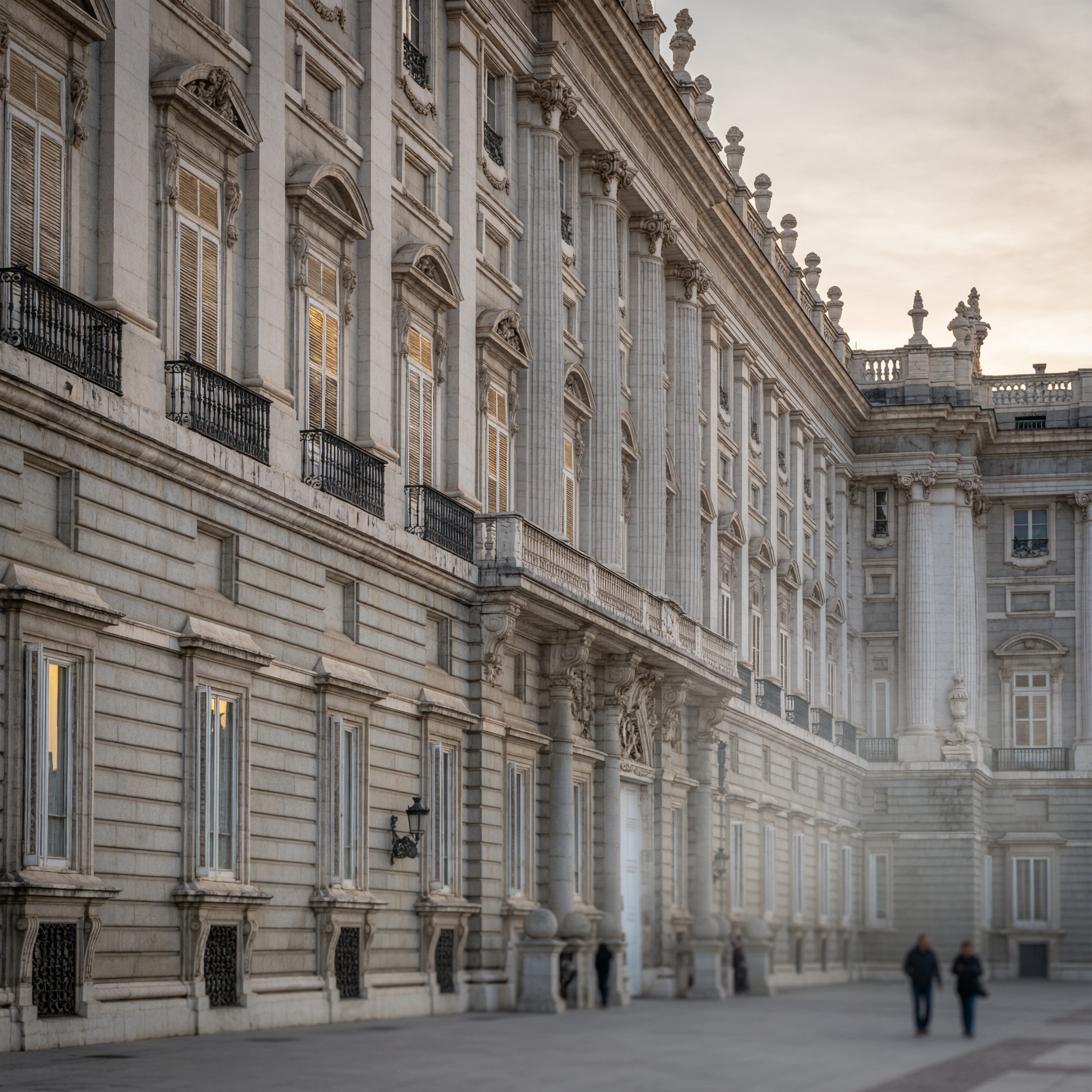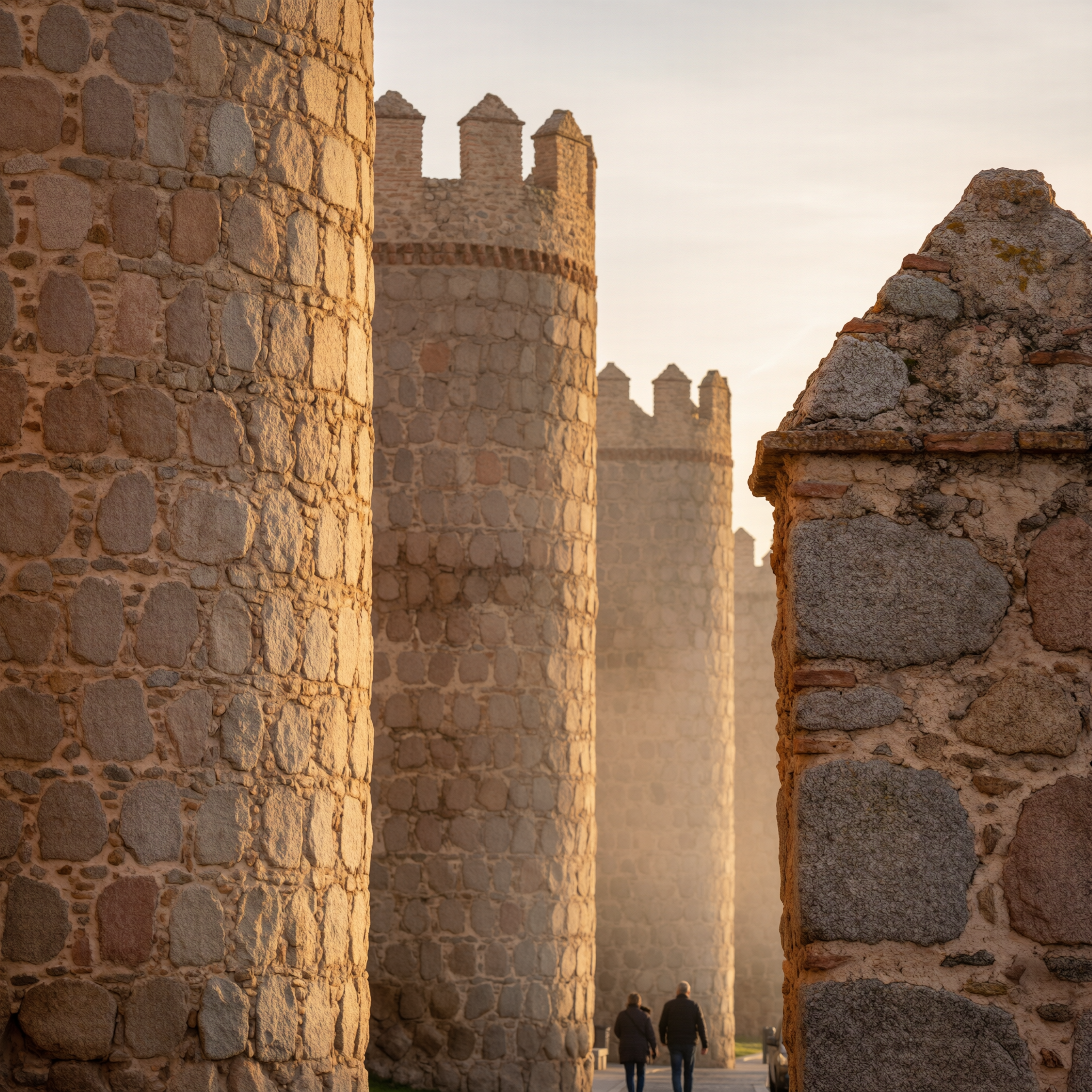
Avila City Walls stretch over 2.5 kilometers and feature 87 or 88 towers. As I walked along these ancient fortifications, I marveled at the blend of Romanesque and Gothic influences. The walls take on a magical quality at night, casting shadows on the cobblestone streets below. One of my favorite spots is the Puerta del Alcázar, where the historic gateway frames the view of the city. But there’s more to these walls than just their impressive architecture – I uncovered hidden nooks and crannies along the route that are worth exploring.
Before you go: Visitor details can change. Check Walls of Ávila – Official Tourism Website of Ávila and Trainline – Official Website before you go.
History of Ávila City Walls
The Ávila City Walls, built in the 11th century under the orders of Alfonso VI, stand as a testament to medieval ingenuity and the city’s strategic importance. As I walked along these formidable fortifications, I was struck by their sheer scale and the sense of history they evoke. Stretching 2.5 kilometers with walls generally 12-14 meters high and 3 meters thick, they envelop the city like a protective shield.
I strolled past the Cubo de la Mula and the Puerta de las Carnicerías, feeling a connection to the past, where Roman origins blend with medieval fortifications. The Puerta del Mariscal and Puerta de los Leales are silent witnesses to countless stories of bravery and betrayal. The San Vicente gate, with its imposing towers, offers breathtaking views of the Lienzo Norte and the serene River Adaja.
One of the most striking features is the Apse of the Cathedral, which integrates into the walls, showcasing the unity of sacred and secular life. Each tower, gate, and crenellation whispers tales of an era where freedom and fortitude were paramount. These walls are more than just stone; they’re a living narrative of Ávila’s enduring spirit.
Access Points and Tickets
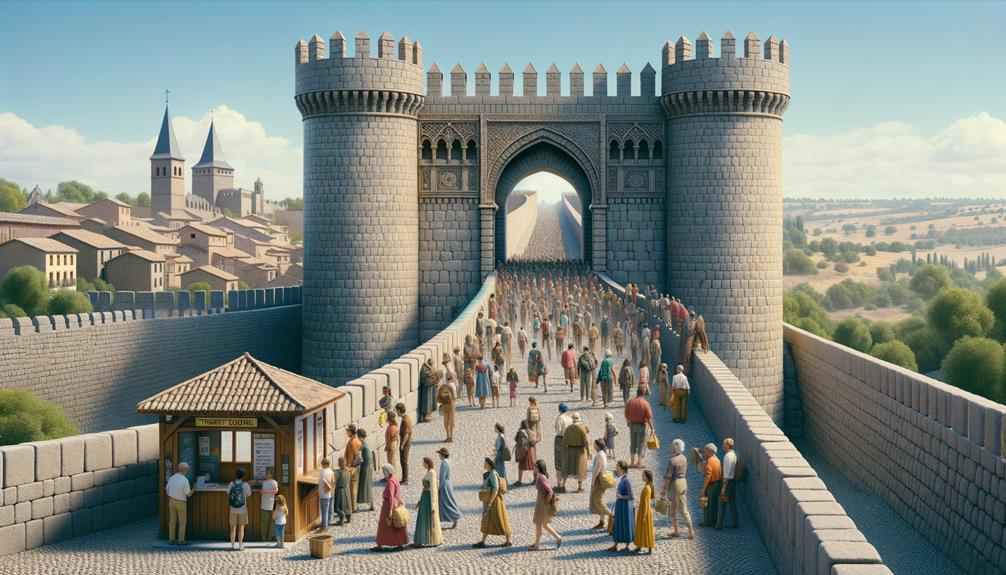
When planning your visit to the Avila City Walls, consider starting at Puerta del Alcázar, Puerta de la Catedral (Casa de las Carnicerías), or Puerta del Carmen for convenient access. These gateways offer a grand introduction to the walls, with their towering turrets and intricate defense mechanisms that once protected the city. As you pass through, you’ll feel an immediate connection to the medieval past.
To make the most of your visit, keep the following points in mind:
- Access Points: Puerta del Alcázar, Puerta de la Catedral (Casa de las Carnicerías), Puerta del Carmen, and Puerta del Puente are the main entry points. Each gate offers a unique perspective and historical significance.
- Tickets: General admission is €8, with reduced rates and free entry for specific groups, including free access on Tuesdays from 2:00 PM to 4:00 PM (excluding holidays). Tickets can be purchased at the Tourist Office in Casa de las Carnicerías, online, or at other access points.
- Exploration Tips: The eastern section of the walls is particularly impressive, reflecting its historical role as the city’s strongest defense line. Be sure to check out the impressive turrets, which are generally 12-14 meters high.
I often find myself in awe of how the walls combine beauty with fortification. These access points aren’t just entries; they’re gateways to a world where freedom and history intertwine.
Walking Route Overview
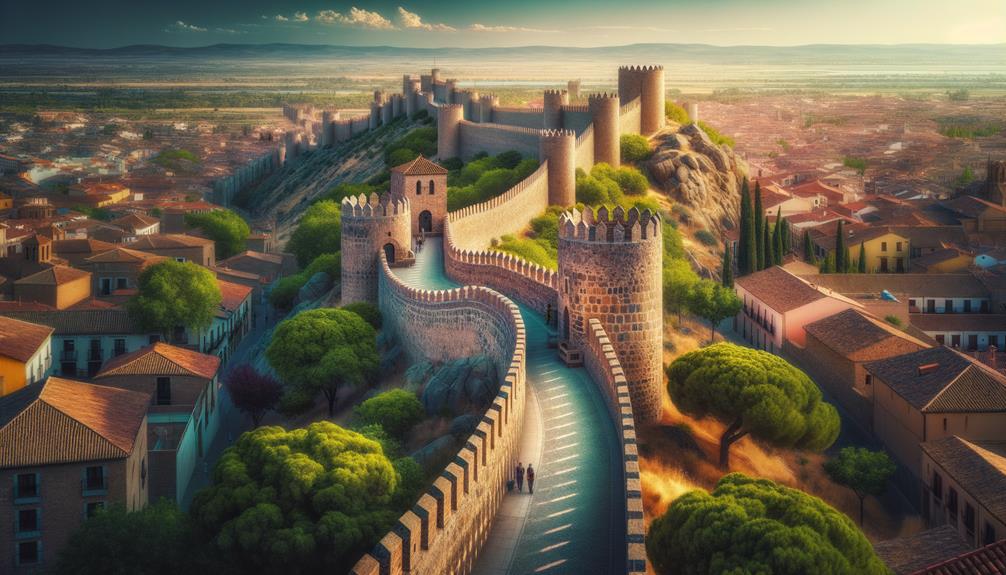
Exploring the walking route around the Avila City Walls is like stepping into a living history book. Every turret and gate tells a story of medieval life and defense. I started at one of the access points and followed a section of the circular route, feeling like I was retracing the steps of soldiers from centuries past. The walkable path, which extends for 1.2 to 1.7 kilometers, offered more than just a walk – it was a journey through time.
As I walked between turrets 7 and 8, I was struck by the remnants of Roman houses and industrial buildings. These relics hinted at the daily lives and defense strategies of Avila’s ancient inhabitants. The panoramic views from different sections, especially near Cuatro Postes, were breathtaking. I could see the surrounding landscape and appreciate the medieval architecture in a new way.
The city walls themselves are a testament to Avila’s resilience and ingenuity. As I walked along, I imagined medieval defenders planning their positions, ready to protect their city. Every step on this route brought history to life and gave me a sense of freedom and exploration that’s hard to find.
Key Landmarks and Gates
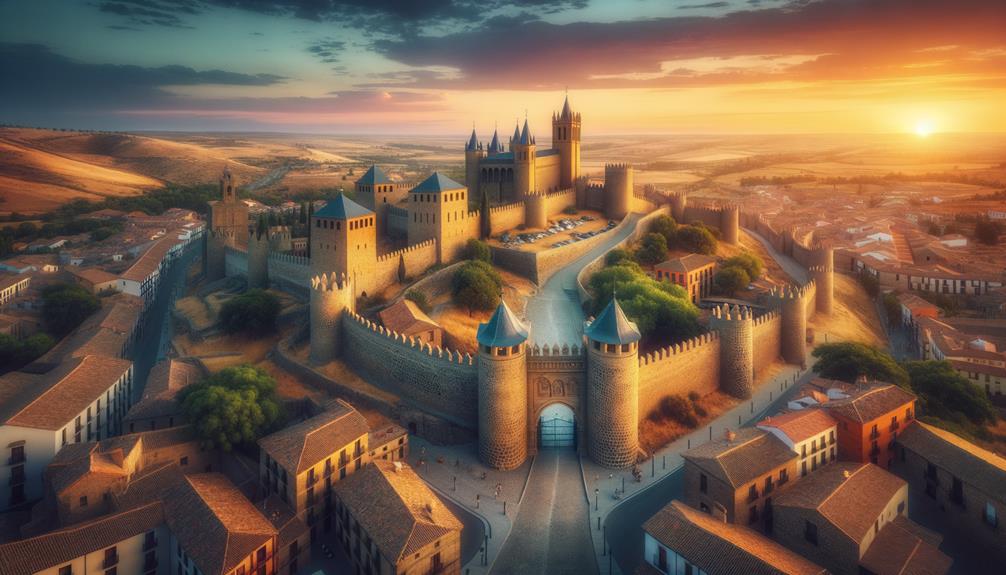
As I walked through the historic city of Avila, I couldn’t help but marvel at the grand Puerta del Alcázar, one of the most imposing gates that has stood guard over the city for centuries. Its towering presence is a testament to Avila’s rich history and strategic importance. Stepping through this gate, I felt like I was transported back in time, into a world where the city walls protected its residents from invaders.
The walls of Avila are dotted with several key landmarks and gates that catch the eye. La Puerta de la Catedral serves as one of the main access points and leads directly to the magnificent Cathedral of El Salvador. Specific towers offer breathtaking views of the city and the surrounding landscape. Although the Alcázar palace has disappeared, its gate remains, providing unique observation points and a glimpse into Avila’s storied past.
As I strolled from Cubo de la Mula to Puerta del Carmen, I discovered historical sites like old monasteries and cemeteries, each with its own story to tell. The blend of ancient architecture and serene landscapes creates a sense of freedom and timeless beauty.
Architectural Features
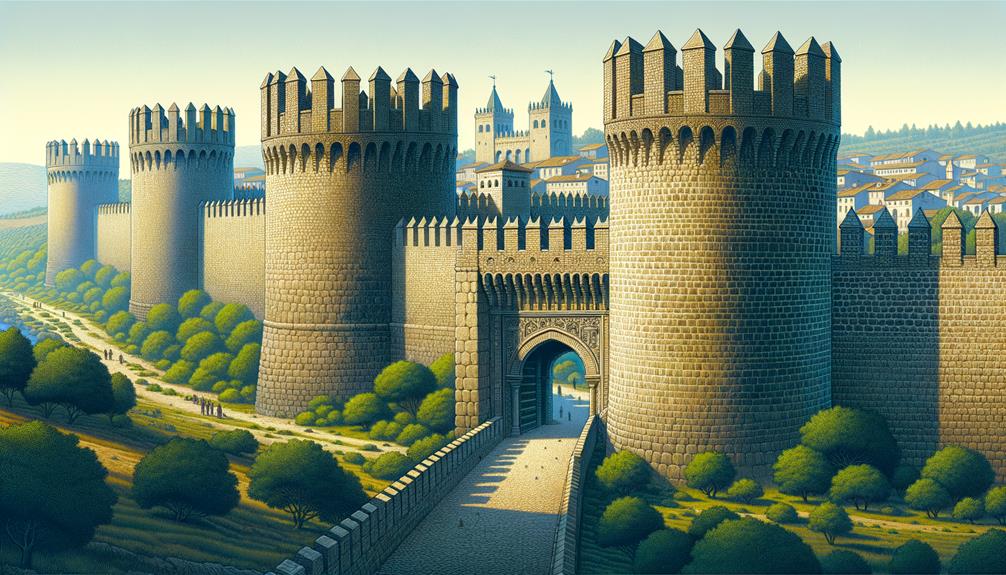
Walking along the Avila City Walls, I was struck by the massive scale and intricate details of the medieval defense structures. Each crenellation and tower is a testament to the ingenuity of military architects and the evolution of architecture over the centuries. Standing by one of the gates, I felt a deep connection to history and the city’s lasting legacy.
Medieval Defense Structures
Standing before the towering Avila City Walls, I’m struck by the sheer scale of nearly 2,500 crenellations and the 87 or 88 strong towers that showcase the city’s medieval defensive genius. Built in the 11th century under Alfonso VI’s orders, these walled fortifications are a masterclass in strength and beauty. Stretching approximately 2.5 kilometers, their generally 12-14 meter height and 3-meter thickness make them an impenetrable fortress.
As I walk along the walls, I’m drawn to the San Vicente gate, a key historical entry point that whispers tales of medieval defense strategies. The walls feature nine gates, each with its own unique story and significance. Three notable features that capture the essence of Avila’s fortifications are:
Crenellations provide archers with cover while defending the city, and their nearly 2,500 tooth-like projections are more than just a decorative touch.
The 87 or 88 towers, spaced evenly apart, served as lookout points and strongholds.
At night, the walls are beautifully illuminated, casting a majestic glow that highlights their historical grandeur.
Exploring Avila’s formidable structures, I feel a deep connection to the past, where freedom and security were fiercely guarded.
Architectural Evolution Highlights
As I step onto the Avila City Walls, I’m immersed in a rich mix of architectural evolution, where Romanesque turrets and Gothic elements blend seamlessly to tell the story of a bygone era. The walls, stretching 2.5 kilometers with turrets generally 12-14 meters high, exude the essence of Romanesque architectural features. The Roman influence is palpable in areas like the circular route between towers 7 and 8, where ancient stones whisper stories of a distant past.
Walking towards La Puerta de la Catedral, I’m struck by the intricate details that adorn this gateway. Overlooking lush gardens and historical landmarks, this gate serves as a portal to Avila’s rich history. The fusion of Romanesque and Gothic elements is particularly striking at the Cathedral of El Salvador, whose design has a profound impact on the overall aesthetic of the walls.
Further along, Puerta de San Vicente offers more than just a passageway; it provides a glimpse into the former Jewish quarters and religious sites, enriching my journey with cultural insights. Standing at Puerta de las Carnicerías, I can almost hear the bustling life of medieval Avila, where every stone and turret tells a story.
Nearby Attractions

While exploring the historic Walls of Ávila, you’ll find an array of nearby attractions that offer a thorough exploration into the city’s rich cultural and architectural heritage. As I wandered through the narrow streets, I couldn’t help but be drawn to the Plaza de Santa Teresa. This lively square is a perfect starting point, and from here, I ventured towards the Basilica of San Vicente, an exquisite example of Romanesque architecture.
Must-see spots include:
- The Cathedral Museum, located within the Cathedral of El Salvador, houses a wealth of medieval art and relics.
- Los Velada Palace, a short walk from the walls, offers a glimpse into Ávila’s noble past.
- Santo Tomé el Viejo Church, located near the Ávila Museum, is a serene spot to reflect on the city’s religious history.
Walking along the Paseo del Rastro, I marveled at the panoramic views of the Amblés Valley. The Provincial Historical Archive, located in the Cubo del Espina, was another highlight, offering fascinating insights into local history. With every step, I felt like I was journeying through time, uncovering a new piece of Ávila’s enchanting story.
Travel Tips for Visitors
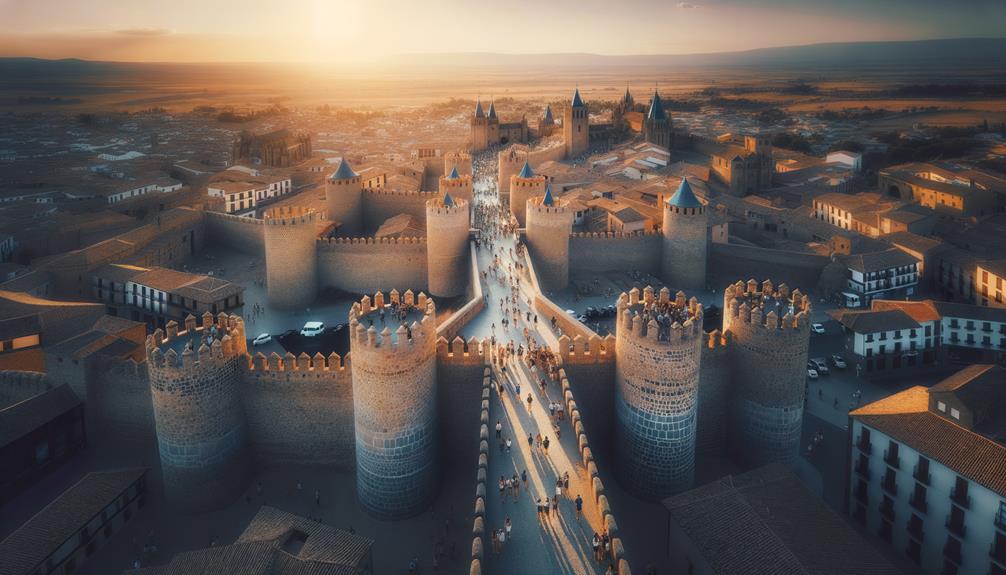
As I explored the nearby attractions, I realized that a few practical travel tips could make a visit to Ávila even more enjoyable and hassle-free. Consider purchasing a 3-day Madrid Tourist Travel Pass for €22.50, which is a cost-effective way to navigate Madrid and reach Ávila. Booking train tickets through Trainline made my journey from Madrid-Chamartín to Ávila straightforward and stress-free.
Arriving early in Ávila has its advantages. The city is less crowded, and the morning light enhances the majesty of the Walls of Ávila. I started my day with a city tour while waiting for the walls to open. The €8 entrance fee is a small price for such panoramic views. Don’t miss the Basilica de San Vicente, near the walls, which boasts Romanesque architecture and relics worth a visit.
Take a stroll through Puerta de las Carnicerías and Puerta del Peso de la Harina to soak in the historical ambiance. Casa de la Misericordia and Cubo de San Segundo offer valuable cultural insights. Finally, the Shrine of San Segundo and Puerta de la Catedral provide a sense of spiritual reflection, rounding off a perfect day in Ávila.
Accommodation and Dining Options
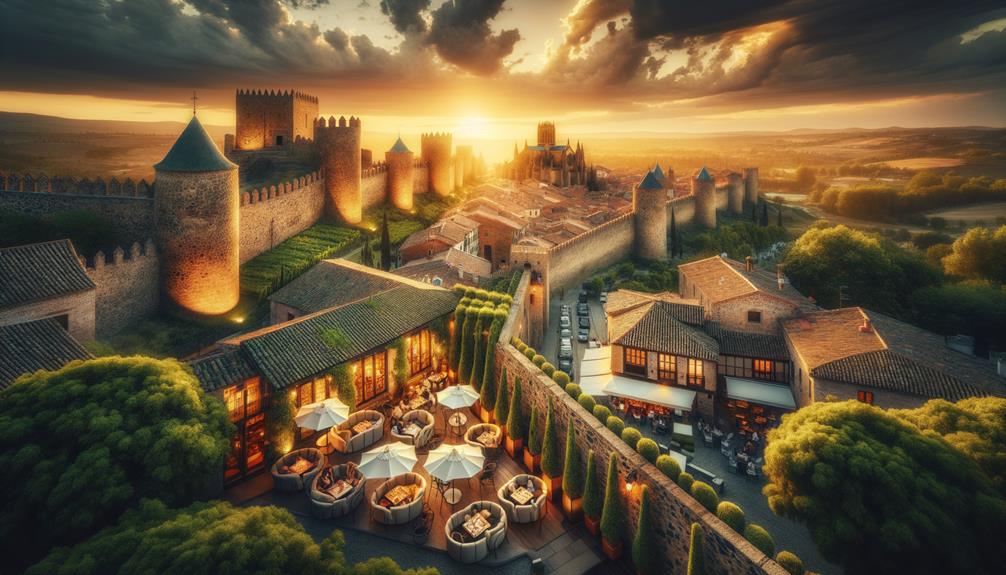
When I visited Avila, I was charmed by the mix of cozy budget inns and luxurious hotels near the city walls, making it easy to explore. The local dining scene was a delightful surprise, with tapas bars and restaurants serving up traditional Spanish dishes that really impressed me. By booking ahead, I ensured a comfortable stay, allowing me to fully enjoy the city’s historic and culinary offerings.
Best Nearby Hotels
Staying within the historic city walls of Ávila, I discovered that the Parador de Ávila offers not just luxurious accommodations but also breathtaking views that make you feel like you’ve stepped back in time. Nestled amidst the ancient medieval walls, this hotel is strategically near several iconic sites, including the Puerta del Puente and the Verraco sculpture. I could almost hear the whispers of history from the nearby Puerta de las Carnicerías and Puerta del Homenaje as I strolled around.
Hotel Palacio de los Velada is a great option, located near the Cathedral building and Cubo de la Catedral. This hotel combines modern comfort with the charm of a bygone era, making it perfect for history buffs who want to explore the area around the Basilica of San Vicente.
For a more contemporary take, Hotel H2 Ávila is just a stone’s throw from San Pedro del Barco, offering comfortable rooms with easy access to the city center’s attractions. You’ll be close to all the historical highlights Ávila has to offer.
If you’re looking for a place to stay that’s close to local culinary delights, Restaurante Mesón del Rastro is a great choice for dining, conveniently located near the medieval walls.
Each of these places provides a unique blend of comfort and a deep connection to the historical essence of Ávila.
Local Dining Spots
Exploring Ávila’s local dining scene, I discovered a delightful blend of traditional Spanish cuisine and modern gastronomic experiences. As I strolled along the area near the Basilica of San Vicente, I came across a multitude of charming cafes and tapas bars that promised a taste of Ávila’s rich gastronomic heritage.
One evening, I sat at a cozy cafe, savoring a plate of Judías del Barco, a local bean stew that encapsulated the authenticity of Spanish dishes. The atmosphere was warm and convivial, filled with locals sharing stories and laughter. Nearby, a tapas bar beckoned with the aroma of sizzling chuletón de Ávila, a hearty steak dish that’s a must-try.
For a modern twist, I indulged in a fusion restaurant that combined traditional recipes with contemporary flair. Each meal felt like a journey through time and tradition, showcasing the culinary diversity of this enchanting city.
Dining near the historical city walls isn’t just about the food; it’s an immersive experience that connects you to Ávila’s culture and history. Every bite, every sip, deepens your connection to this captivating city.
Traditional Spanish Cuisine
As I strolled through Ávila’s charming streets, I noticed how the city’s traditional Spanish cuisine was deeply intertwined with its hospitality. From quaint guesthouses to elegant hotels, each offered a unique gastronomic experience. The culinary scene in Ávila is a sensory delight, with local restaurants serving up an array of regional specialties that showcase the best of Spanish gastronomy.
Tapas are a great way to start, with small, flavorful dishes like patatas bravas and jamón ibérico, perfect for sharing and discovering the rich dining culture of Spain.
Paella is a staple of Spanish cuisine, and each bite of the saffron-infused rice dish transports you to the heart of Spain, reflecting the country’s dedication to traditional cuisine.
No visit is complete without savoring churros con chocolate, a delightful treat that epitomizes Spanish culinary artistry.
One evening, I found myself in a cozy local restaurant, where I sampled a delicious paella, rich with seafood and spices. The friendly staff at my guesthouse recommended it, proving how accommodations here often double as gateways to culinary treasures. Exploring Ávila’s dining scene, I felt a profound connection to its culture and history, all through the flavors on my plate.