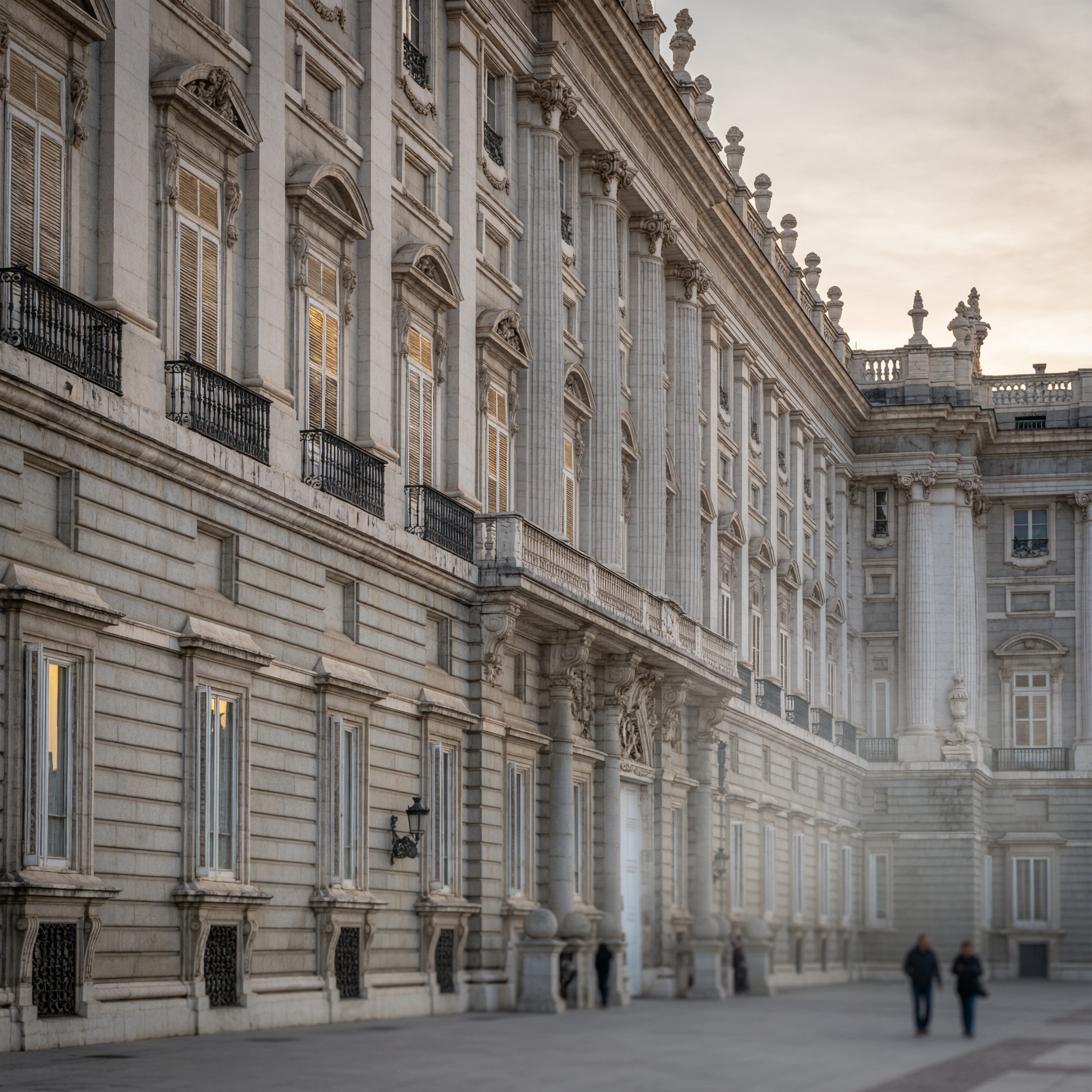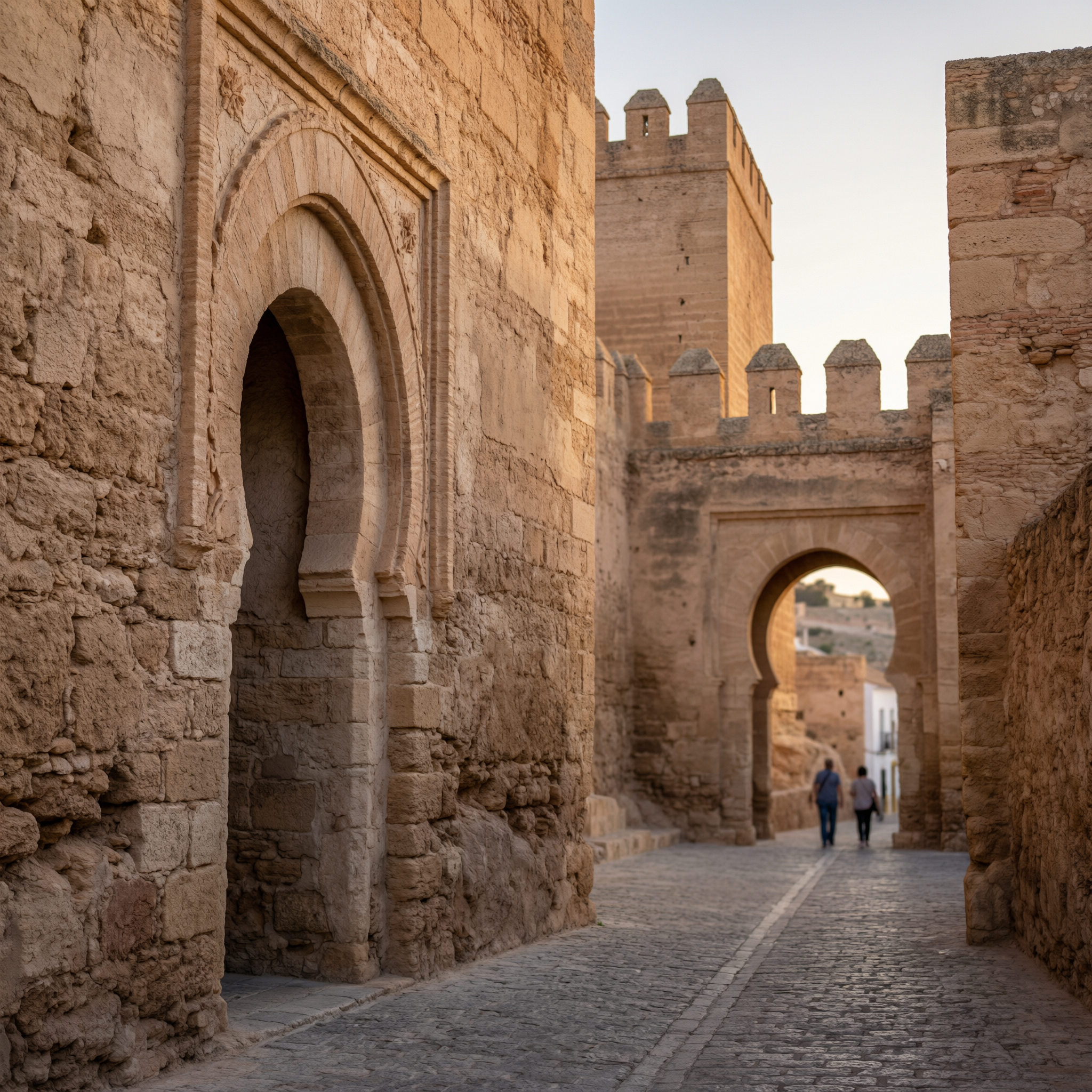
Walking through the Almería Alcazaba Fortress, I felt a deep sense of history as I took in the blend of Moorish and Christian influences. The intricate arches and serene gardens create a visually stunning atmosphere; it’s a journey through centuries of history. As I explored the labyrinthine military compounds and opulent palaces, I felt connected to the past. The views from the bastions are breathtaking, and what really drew me in were the subtle details and cultural layers waiting to be uncovered.
Before you go: Visitor details can change. Check Alcazaba of Almeria | Andalucia.com and Alcazaba of Almería Guided Tour – Book Online at Civitatis.com before you go.
History of the Alcazaba
As I stepped into the Alcazaba de Almería, I was struck by the sheer scale and historical depth of this formidable fortress, originally constructed by Abd al-Rahman III in 955 AD as a defensive citadel. The grandeur of the Alcazaba, one of the largest Muslim fortresses in Spain and Europe, is awe-inspiring. I could almost feel the echoes of its storied past reverberating through the air.
Built by Abd al-Rahman III, this fortress was more than just a military stronghold; it was a testament to the ingenuity and power of the Muslim rulers. The complex is a maze of military compounds, each designed to fortify and protect. The defensive citadel was meticulously planned to repel invaders, with towering walls and strategic vantage points.
However, the Alcazaba wasn’t just about defense. It housed a mosque, where the faithful gathered, and a palace that showcased the opulence of its time. As I walked through, I sensed the layers of history, from the public baths that offered respite to the courtyards that were once bustling with life. Each element of the Alcazaba embodies a rich blend of architectural prowess and cultural significance.
Touring the Fortress
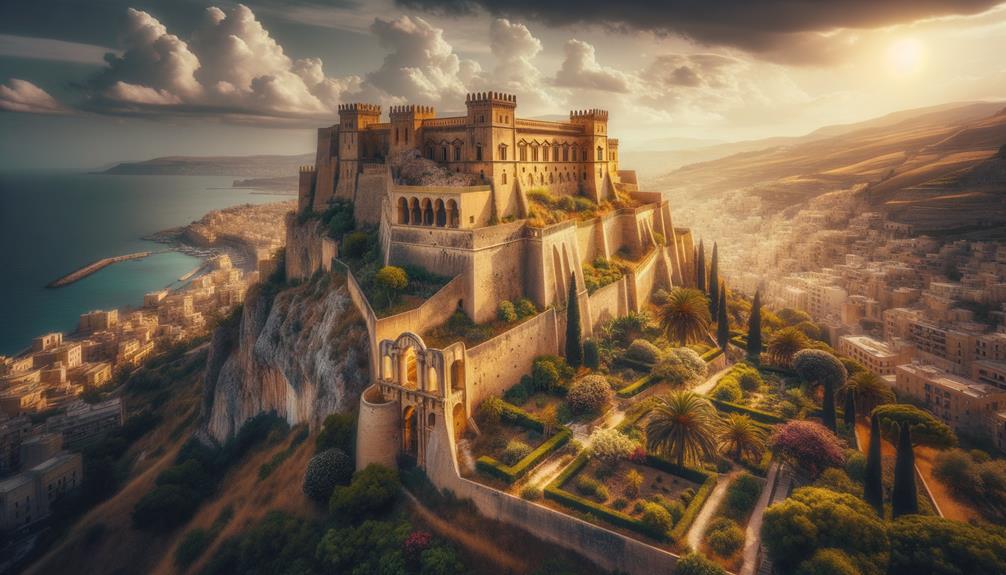
Stepping through the ancient gates of the Alcazaba, I felt like I’d entered a different era. The intricate Moorish architecture and expansive courtyards of this historic fortress surrounded me, transporting me to a bygone age. As I walked along the fortified wall, I marveled at how the Alcazaba de Almería, with its crenelated battlements, still stands strong against the modern backdrop.
Wandering through the serene gardens and tranquil bathing areas, I caught glimpses of the luxury once enjoyed by Muslim rulers. Each section of the fortress whispered stories of a time when Almería was a bustling hub of culture and defense. Guided visits offered deeper insights, but I also enjoyed the freedom to explore at my own pace, discovering hidden alcoves and taking in the panoramic views.
Reaching the highest part of the Alcazaba, the view took my breath away. The cityscape and coastline stretched out below, evoking scenes from epic films. While ‘Indiana Jones and the Last Crusade’ was filmed in Almería, specific scenes at the Alcazaba involved driving through Calle Almanzor at its base. As I descended to the Plaza de Pavía, I felt a deep connection to both the past and the present, a testament to the Alcazaba’s enduring allure.
Fun Facts
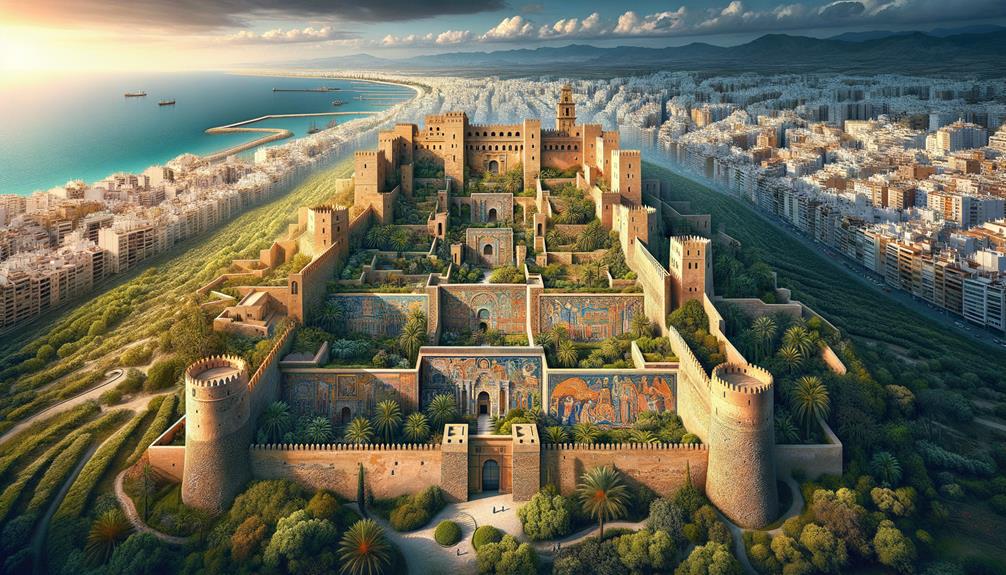
As I delved into the Alcazaba’s rich history, I was struck by some fascinating facts about this remarkable fortress. The Alcazaba de Almería isn’t just a stunning example of Moorish architecture; it’s also a popular filming location, having appeared in iconic movies like ‘Cleopatra’ and the hit series ‘Game of Thrones‘ (representing the Water Gardens of Dorne in season six). This blend of historical significance and modern cultural impact makes it a unique tourist attraction.
The nearby house-caves of Chance, formerly a gypsy ghetto, are undergoing transformation as part of an urban revitalization project. This contrast between old and new enriches the cultural fabric of Almería.
As the second largest Muslim historic site in Andalucía, the Alcazaba de Almería showcases a fascinating blend of Moorish and Christian influences. It stands as a testament to the region’s diverse history, offering breathtaking views of the cityscape and coastline. Whether you’re a history enthusiast or a film buff, the Alcazaba’s layers of stories and stunning vistas promise an unforgettable experience.
Getting There
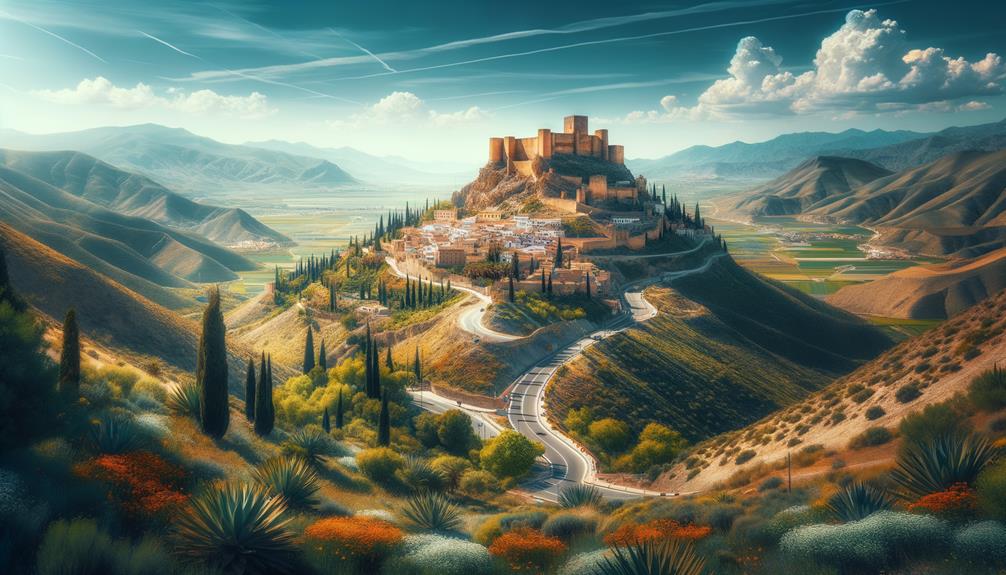
Exploring your way to the Alcazaba de Almería is an adventure that reveals the city’s charm and history. One of the most captivating routes is by ascending the staircase from Calle Almanzor. As you climb, the views of Almería unfold, creating a stunning visual display of the city’s landscape.
For a more relaxed journey, take public transportation. Several local bus lines stop near the Alcazaba, including L12, L3, L7, TORR-N. ALM, ZAP-UNI, P. RE-C. GRA, L11, L1, L18, L6, M-301, CASCO HIST, and PUCH-PES. Admission to the Alcazaba is free for EU citizens, while other visitors typically pay a nominal fee. There are plans to introduce a general admission fee of €5 for all visitors.
Before you go, check the opening hours on the official website, as they change with the seasons. This ensures you’ll have ample time to explore the Alcazaba’s impressive architecture and take in the breathtaking views of the city and coastline. Each route to the Alcazaba enriches the experience, making the journey as memorable as the destination itself.
Nearby Attractions
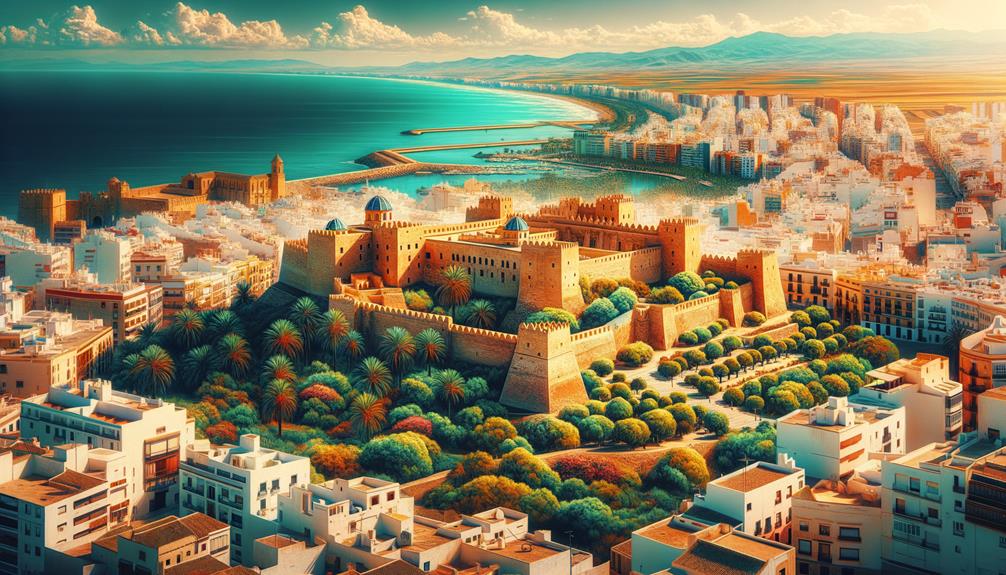
After marveling at the grandeur of the Alcazaba, you’ll find a collection of nearby attractions that further immerse you in Almería’s rich history and culture. Within walking distance, the Ermita de San Juan offers a serene escape with stunning views of the cityscape. The Alcazaba Entrance is a historical gem, inviting you to explore the labyrinthine pathways and fortified walls that have stood the test of time.
Venture a bit further, and you’ll come across the Segundo Recinto. Here, the layers of history unfold before your eyes, revealing the strategic importance of this secondary enclosure. For a truly awe-inspiring sight, don’t miss the Muralla de Jayrán. These ancient walls provide a tangible connection to Almería’s Moorish past.
Each of these attractions offers a unique historical and cultural experience, all within walking distance. They collectively weave a rich mix of Almería’s storied past, making your visit to the Alcazaba more than just a fleeting glimpse into history. By exploring these nearby attractions, you’ll gain a deeper understanding of Almería’s complex history and cultural heritage.