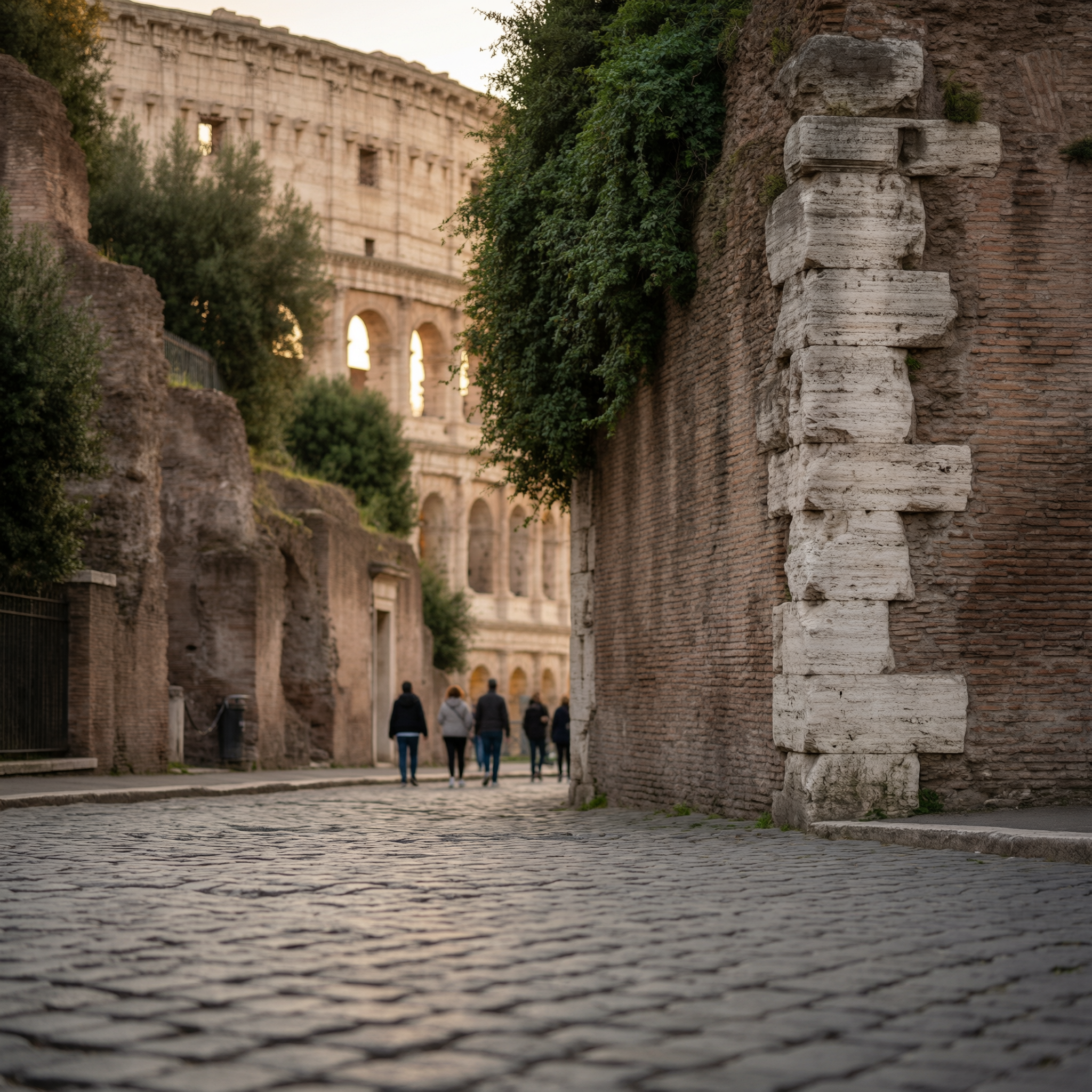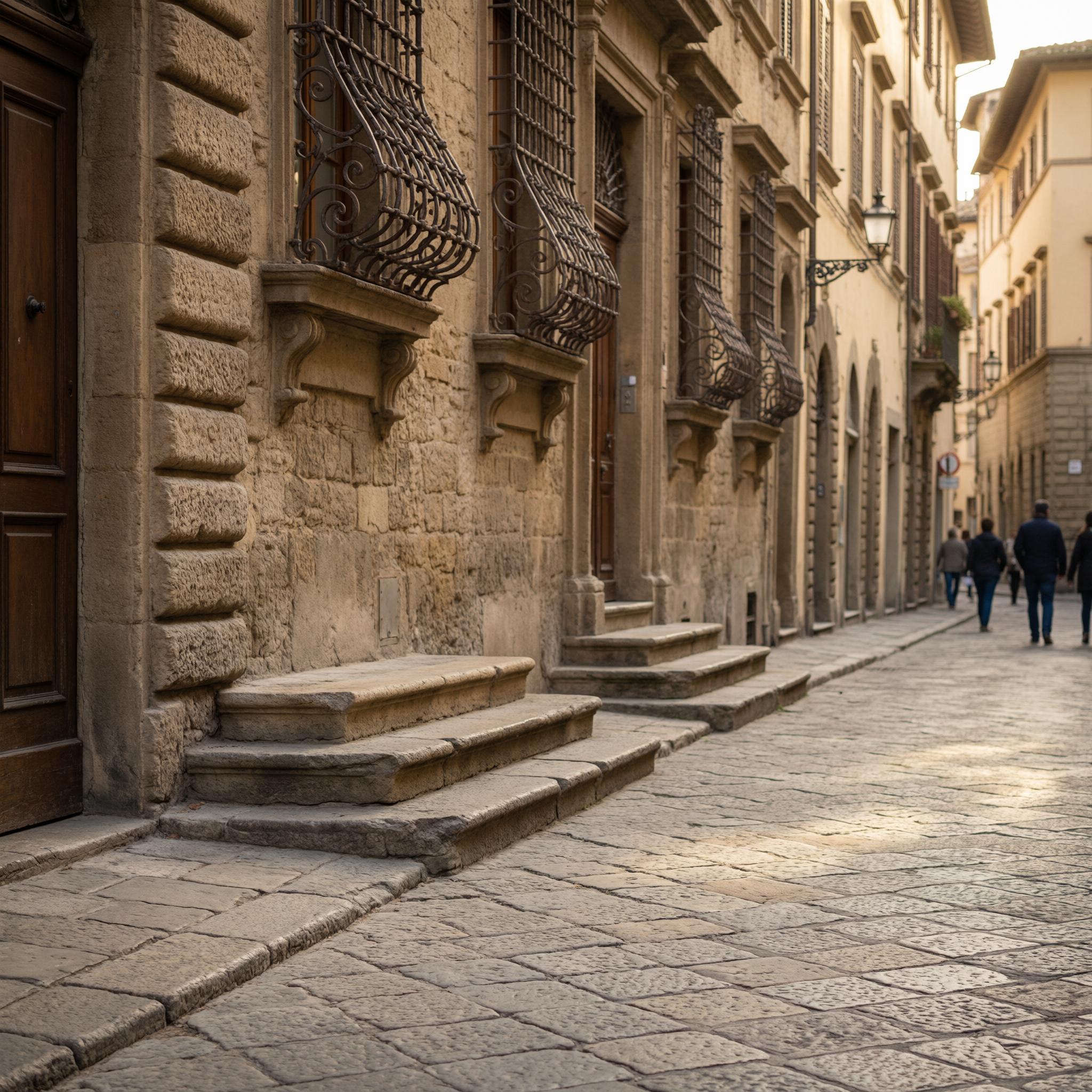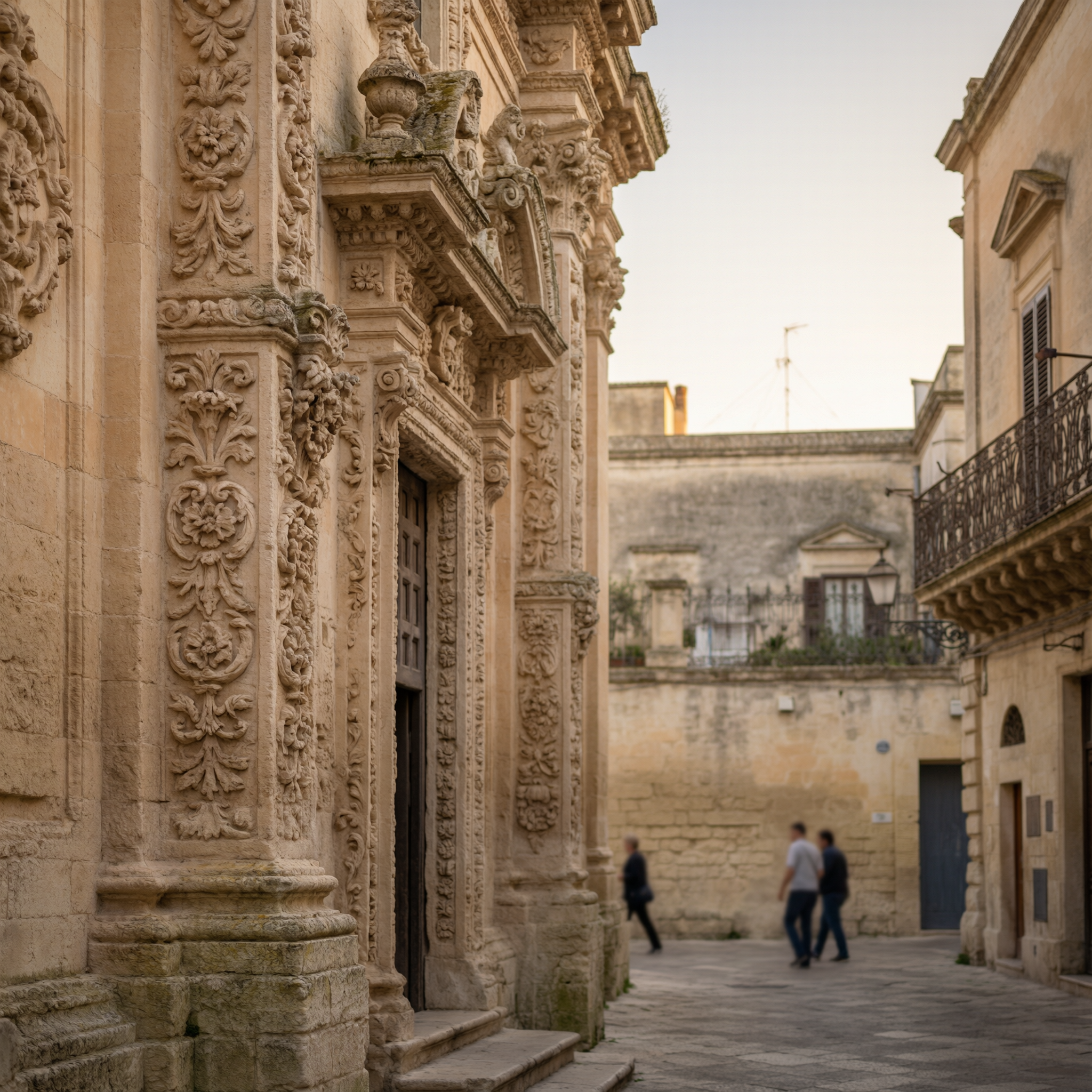
Strolling through the sun-soaked streets of Lecce, I'm constantly struck by the city's Baroque architecture. The Basilica di Santa Croce and Lecce Cathedral read like stone lacework, covered in intricate carvings and angelic figures. The Castle of Charles V, by contrast, offers a sturdier reminder of the city's layered past. Walking into Piazza del Duomo, the calm at the heart of so much grandeur feels almost surreal. And the ancient Roman Amphitheatre, its weathered arches rising from beneath the modern piazza, quietly carries centuries of history.
Before you go: Visitor details can change. Check Lecce: discovering the city of Baroque – Italia.it and A Guide to Lecce’s Exuberant Baroque Architecture – Lions in the Piazza before you go.
History of Baroque in Lecce
Lecce's Baroque story began in the late 16th century, gradually reshaping the city into a showcase of ornate facades and meticulous stonework. Standing before the Basilica di Santa Croce, whose façade took more than a century to complete, you sense the sustained ambition that drove that transformation.
Several architects shaped this tradition, making inspired use of the local pietra leccese, a soft, golden limestone ideal for detailed carving. Easy to work yet surprisingly durable, it became the defining material of Lecce's Baroque identity. The way light and shadow move across its surface gives even familiar motifs a quality that shifts through the day.
This Baroque transformation was more than a change in aesthetics; it signaled a cultural shift. Lecce's architects and sculptors broke from earlier conventions, embracing a new sense of exuberance. The city's architectural evolution reflected a collective appetite for beauty and expression that still reads clearly today. Each ornate balcony and sculpted cherub tells the story of a city that found its voice in stone.
Basilica Di Santa Croce
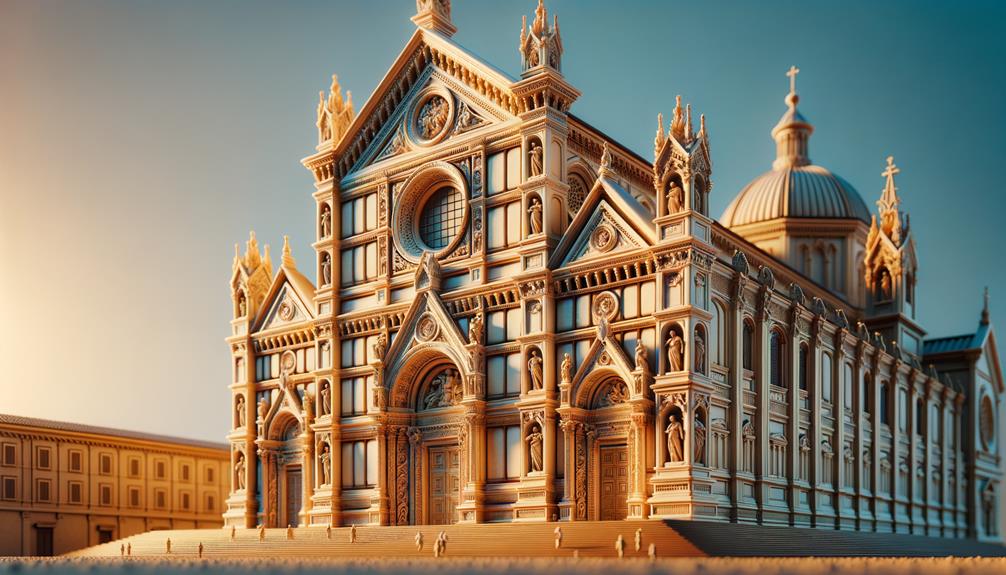
Standing before the Basilica di Santa Croce, I'm struck by the sheer complexity of its façade. The carvings span Biblical scenes, mythological figures, and naturalistic motifs, the work of multiple generations of sculptors, since the façade was built over roughly a century between 1549 and 1646. Each figure, from the cherubs to the fantastical creatures along the lower frieze, rewards a slow, close look.
| Facade Elements | Features |
|---|---|
| Sculptures | Biblical, mythological, everyday life scenes |
| Cherubs | Delicate, emotive expressions |
| Rose Window | Large, intricately designed |
| Altarpieces | Ornate, detailed craftsmanship |
Inside, the basilica presents a deliberate contrast: the interior is austere Renaissance in character, its restraint throwing the exuberance of the façade into sharper relief. A large rose window draws light into the nave, illuminating the clean lines and altarpieces within. That tension between the ornate exterior and the spare interior is part of what makes Santa Croce so memorable. Hours and admission fees are listed on the official site, but check before visiting, as they can vary with religious services and the season.
Lecce Cathedral
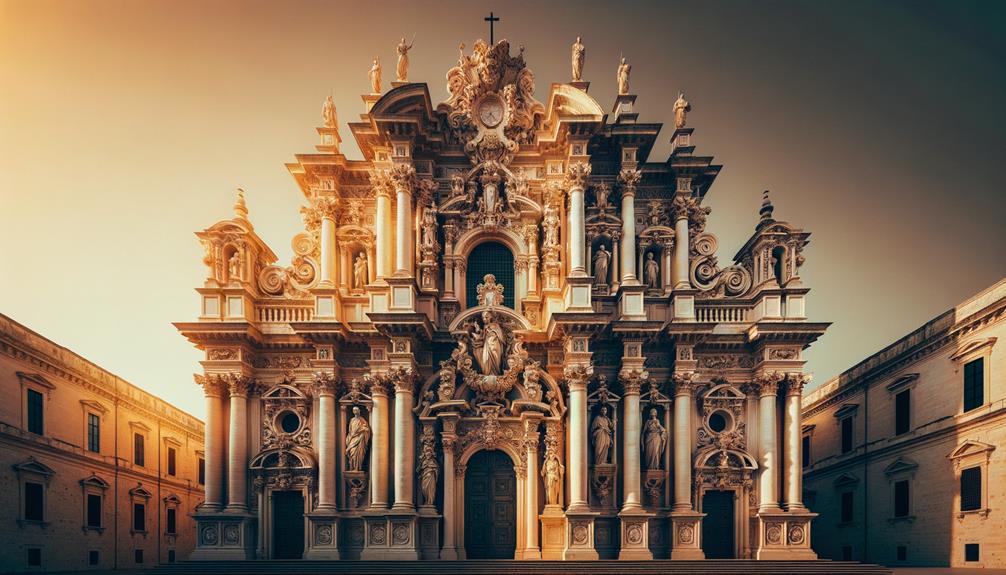
The first time I saw Lecce Cathedral, I was drawn immediately to its Baroque façade, every carving dense with detail. What I hadn't expected was the cathedral's dual-façade design: one elevation is deliberately sober, the other richly ornamented, a contrast that gives the building a quiet complexity. Walking inside, I was struck by the gilded altars and the sense of accumulated devotion that fills the space.
Ornate Facade Details
Walking through Lecce, it's impossible not to stop at the stone carvings on the Baroque façade of Lecce Cathedral. Designed by Giuseppe Zimbalo and completed between 1659 and 1670, the façade is a study in controlled exuberance. Under the Mediterranean sun, the carvings cast shifting shadows across the pietra leccese, each figure and flourish a record of the artisans' skill.
The carvings feature saints, angels, and mythical creatures, weaving sacred and fantastical themes into a single composition. Notably, the cathedral has two façades: the principal Baroque elevation faces the piazza, while a second, plainer face presents a studied restraint, making the ornate side all the more striking by comparison.
| Detail | Description |
|---|---|
| Intricate carvings | Depict saints, angels, and mythical creatures |
| Ornate facade | Combines sacred and fantastical elements |
| Elaborate designs | Showcases artisans' skill and creativity |
Standing before this work, I feel a strong connection to the artisans who carved these stories into stone. The façade of Lecce Cathedral is more than architecture; it is a record of artistic ambition sustained across generations.
Historic Interior Art
Walking into Lecce Cathedral, I'm immediately aware of the gilded altars and intricate sculptures that speak to the rich spiritual and artistic legacy of this Baroque interior. The air feels heavy with history, every corner offering carved pietra leccese that has a warmth and texture almost impossible to replicate.
My gaze is drawn upward, where light filters through the windows and plays across the interior surfaces, giving depth and movement to the decorative work. The interplay of light and shadow animates the saints and angels carved throughout the space.
Each altar celebrates the elaborate artistry of the Baroque period, adorned with gold leaf and detailed carvings that stand alongside the finest works of art. The contrast between the solid local stone and the delicate gilding creates a visual harmony that I find both mesmerizing and humbling. In this sacred space, time appears to pause, allowing me to fully take in the cathedral's historic interior.
Palazzo Del Seggio
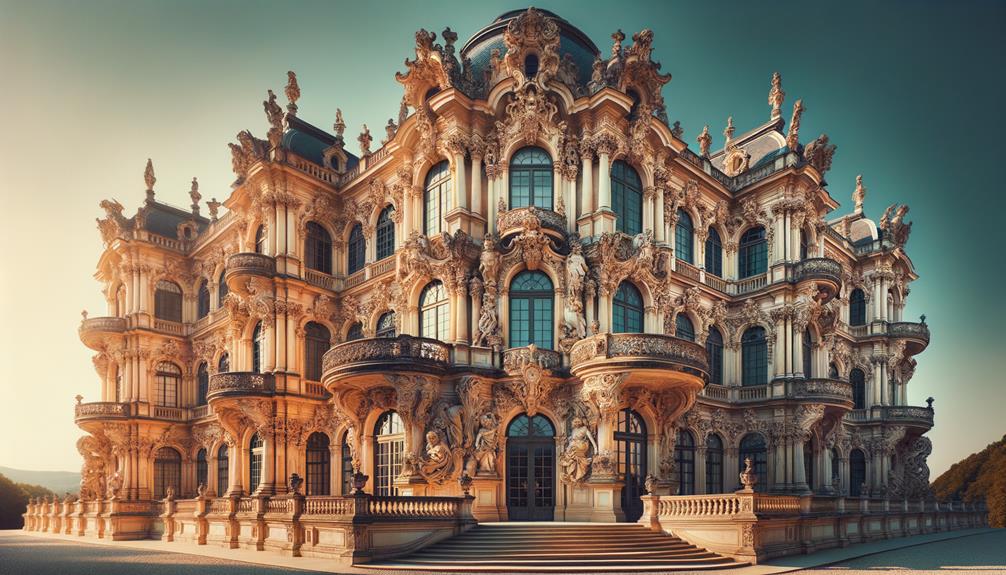
In the heart of Lecce, the Palazzo del Seggio, also known as the Sedile, stands as a clear expression of the city's Baroque heritage. Strolling through Lecce's historic center, I was drawn immediately to this elegant structure. Its façade, covered in intricate carvings and ornate details, captures the dynamic shapes and dramatic flair of the period. Dating to the late 16th century, the Palazzo del Seggio distills the spirit of that artistic moment.
| Feature | Description |
|---|---|
| Location | Piazza Sant'Oronzo, Lecce |
| Architectural Style | Baroque |
| Built | Late 16th century |
| Original Use | Seat of the local government |
| Current Use | Cultural events and exhibitions |
Standing before the Palazzo del Seggio, I was struck by the quality of the craftsmanship. The arches and columns catch the light in ways that shift through the day, creating a visual depth that speaks of an era when art and architecture were inseparable. Once the seat of local government, the building now hosts cultural events, giving its historic halls a continuing purpose. It holds past and present together with ease.
Castle of Charles V
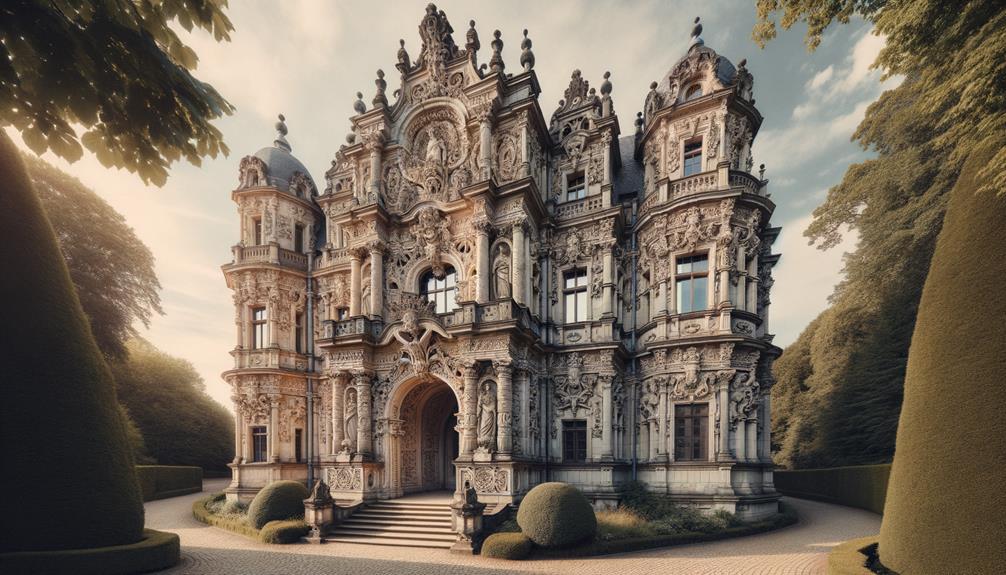
The Castle of Charles V in Lecce is a compelling counterpoint to the city's Baroque churches. Built in 1539, this fortress blends Renaissance and medieval elements in a trapezoidal plan anchored by four sturdy corner towers. The design communicates both authority and defense, a visual record of the era's anxieties about Ottoman incursions.
The castle's history is layered: it served at various points as a military stronghold and a prison before becoming the headquarters of the Department of Culture. The thick stone walls carry that accumulated history quietly, while the institution now based there brings contemporary activity to the ancient spaces. Visitor access depends on current exhibitions and institutional schedules, so check ahead before planning a visit.
A visit to the Castle of Charles V adds an important dimension to any tour of Lecce. Where the Baroque churches speak of artistic ambition, the castle speaks of power and survival, together they give a fuller picture of the city's long history.
Piazza Del Duomo
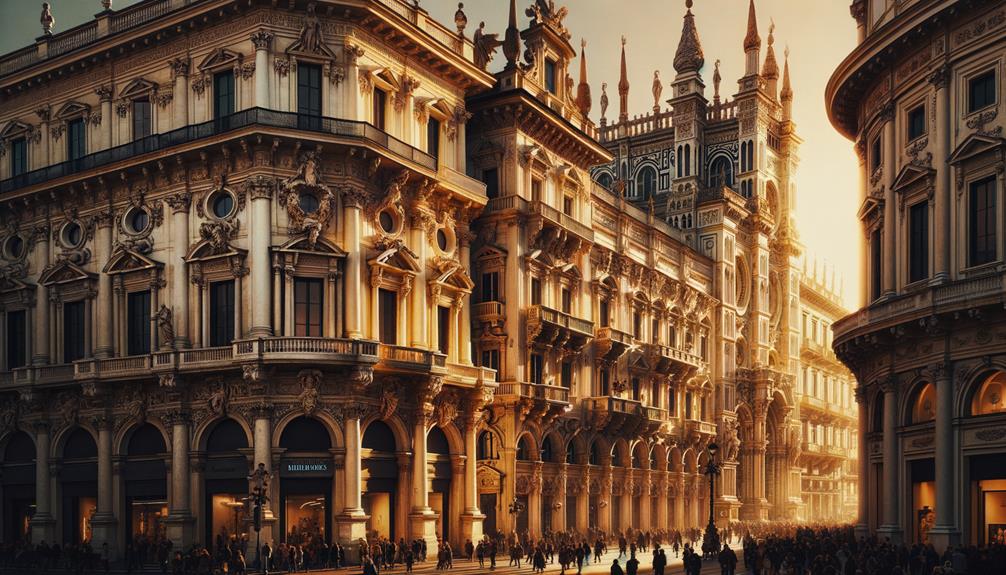
From the Castle of Charles V, it is a short walk to Piazza del Duomo, Lecce's central cathedral square. The Duomo di Lecce anchors the space, its Baroque façade, designed by Giuseppe Zimbalo, dense with angels, saints, and swirling stonework. The square opens with a sense of ceremony that rewards the approach.
To one side, the Bishop's Palace adds stately weight to the composition. Its grand balconies and ornate windows hint at centuries of ecclesiastical authority. The palace's measured design complements the cathedral without competing with it, giving the square a coherent architectural character.
Piazza del Duomo invites you to slow down. History is present in every surface, and the square's relative quiet, despite its central location, offers a moment of reflection amid Lecce's Baroque richness. Past and present sit comfortably side by side here.
Roman Amphitheatre
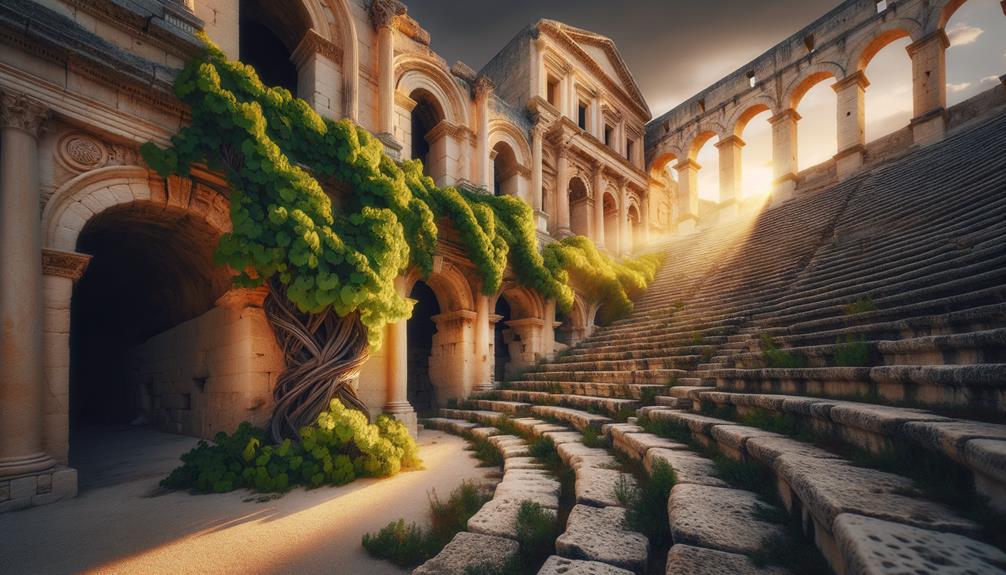
Strolling through Lecce, I was struck by the sight of the Roman Amphitheatre, its ancient stonework emerging from beneath the modern Piazza Sant'Oronzo. Only part of the structure is visible above ground, much of it lies buried under the piazza, yet what remains is enough to conjure gladiatorial contests and packed crowds. The juxtaposition with the surrounding Baroque buildings gives a vivid sense of how many layers of history the city carries.
Historical Significance
In the center of Lecce, the Roman Amphitheatre anchors the city's history well before its Baroque flowering. Walking through Piazza Sant'Oronzo, you pass directly over and around it. The structure is only partially excavated, a significant portion remains beneath the modern square, yet the exposed sections tell their own story of gladiators and public spectacle.
Lecce is celebrated for its Baroque architecture, but the amphitheatre is a reminder that the city's roots are Roman. The coexistence of these two very different periods, ancient and early modern, gives Lecce a cultural depth that sets it apart from other southern Italian cities.
| Aspect | Details |
|---|---|
| Era | Roman Empire |
| Purpose | Entertainment, public events |
| Status | Archaeological site |
| Impact | Connects ancient and modern Lecce |
Standing before the amphitheatre's remains, it is clear how history endures alongside the present. It is more than an archaeological site; it is a link between eras. The amphitheatre enriches Lecce's story, placing its celebrated Baroque monuments within a much longer arc of human settlement and expression.
Architectural Features
The Roman Amphitheatre in Lecce, with its grand arches and weathered stones, feels like a direct connection to ancient times. The scale of what remains above ground is genuinely impressive, and the visible tiers give a clear sense of how the original structure must have dominated the area.
The amphitheatre's plain, functional stonework contrasts sharply with the elaborate Baroque buildings nearby, yet the two sit together naturally. Where Baroque architecture in Lecce is defined by ornamental excess, the amphitheatre's raw stone and open design represent a different kind of achievement, one built around utility and mass.
Standing among these ancient ruins, I find the contrast genuinely moving. The Roman Amphitheatre alongside Lecce's Baroque masterpieces underscores the city's layered cultural history. More than an architectural curiosity, the amphitheatre is evidence that in Lecce, history is not merely preserved, it is woven into the fabric of daily life.
Frequently Asked Questions
What Is the Baroque Architecture of Lecce?
Lecce's Baroque architecture, known as Barocco Leccese, is distinguished by its exuberant facades and exceptionally fine stone carving. The local pietra leccese limestone gives every surface a warm, golden tone. Twisted columns, elaborate balconies, and densely carved portals define the style, which reached its peak between the late 16th and early 18th centuries.
What Is the City of Lecce Known For?
Lecce is best known for its concentration of Baroque architecture, earning it the nickname "the Florence of the South." Walking through its historic center, you encounter ornate church facades, carved palaces, and Roman remains within a few minutes of each other, a density of history and craftsmanship that makes the city one of Puglia's most rewarding destinations.
What Is Special About Baroque Architecture?
Baroque architecture stands out for its dynamic forms, elaborate ornamentation, and deliberate emotional impact. I appreciate how it uses scale, light, and detail to create spaces that feel both grand and immediate. It is an architecture of conviction, bold in its ambitions and generous in its effects.
What Is the Most Famous Architecture in the Baroque Period?
St. Peter's Basilica in Rome is widely regarded as the defining monument of the Baroque period. Its sweeping colonnade, soaring dome, and richly decorated interior set a standard that influenced church architecture across Europe and beyond. The flowing curves and theatrical scale that characterize the building became touchstones for the entire movement.