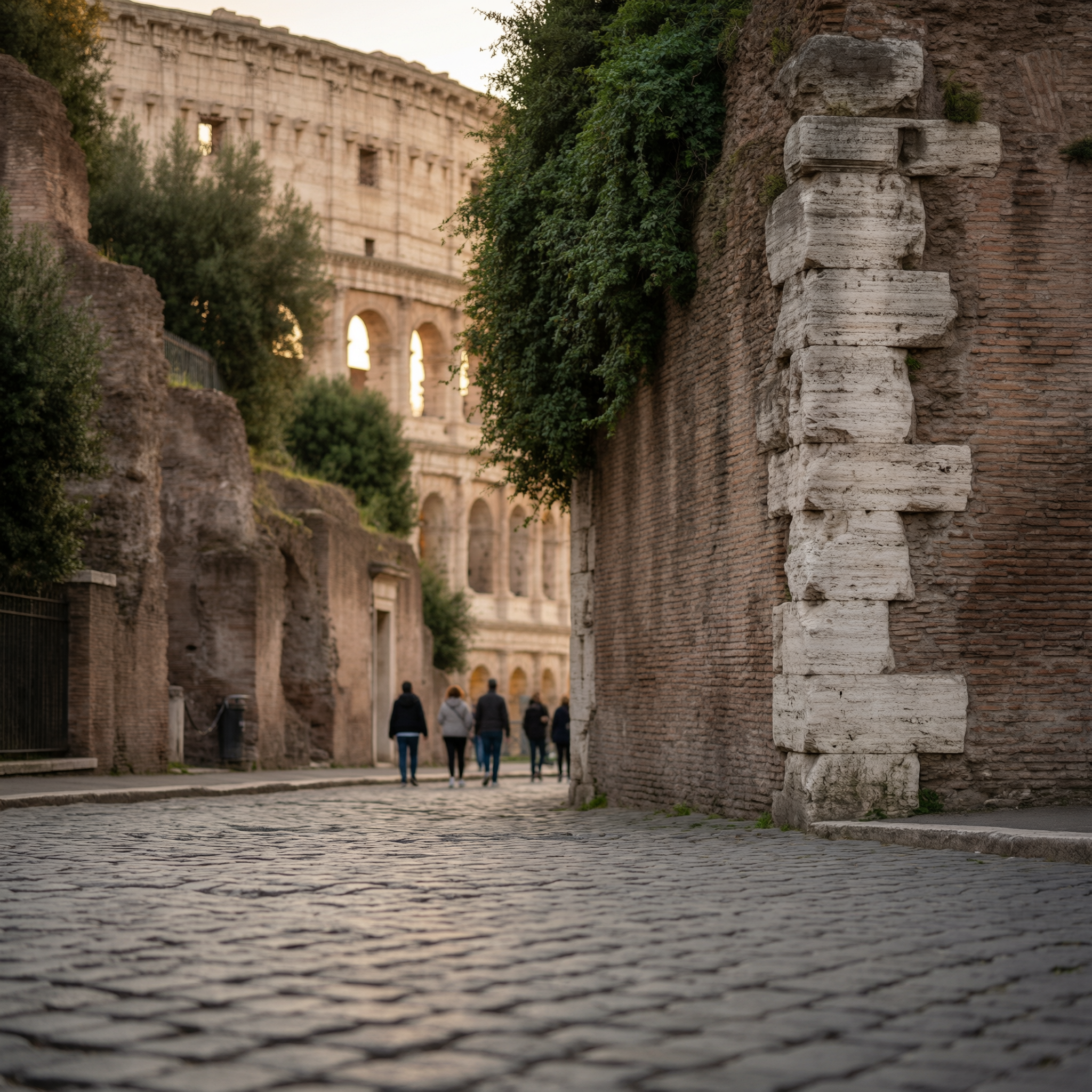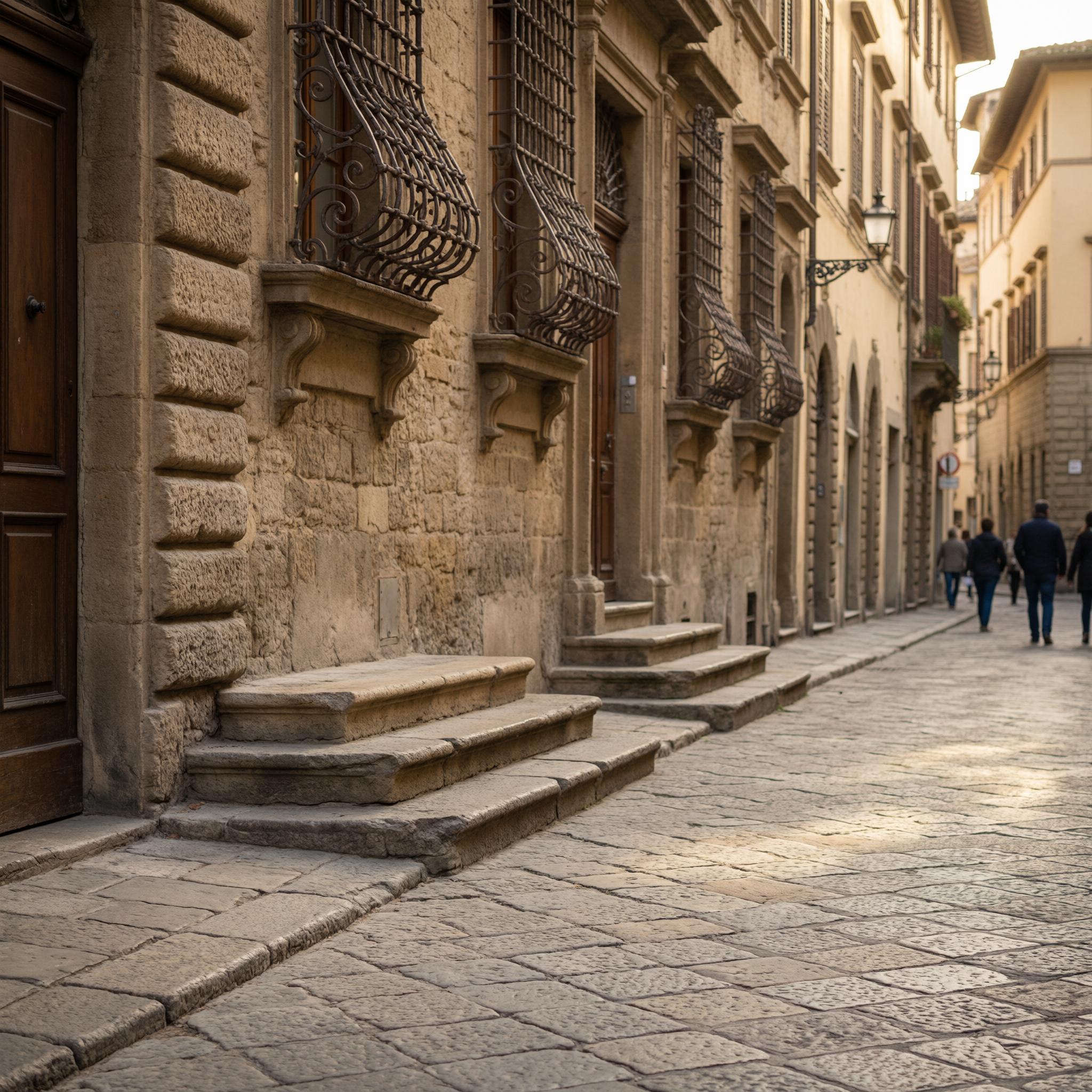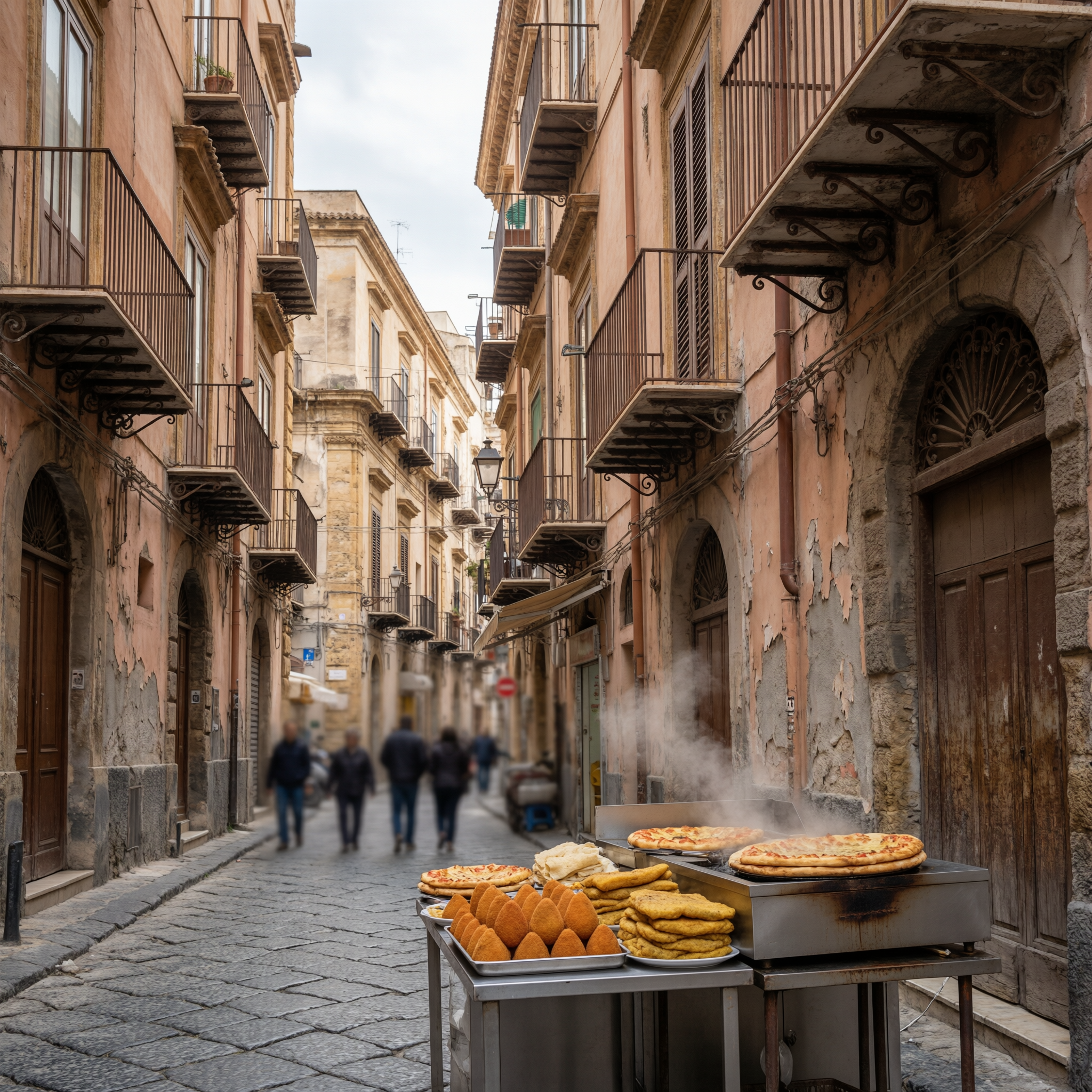
Stepping into Palermo's Ballarò market felt like entering a food lover's dream. The smell of sizzling panelle filled the air while vendors called out over their stalls of bright produce. Walking the market's narrow lanes, I was struck by the layered cultural influences behind each dish. From my first bite of a crunchy arancina to the last crumb of a cannolo picked up at a nearby pastry shop, every flavor had a story to tell. What made the experience truly special were the conversations with locals, who shared the history and passion behind these foods.
Before you go: Visitor details can change. Check Ballaro Market, Palermo – Opening hours and location and Ballarò market in Palermo – Scopri la Sicilia before you go.
Exploring Historic Markets
As I wandered through Palermo's historic markets, I was immediately drawn in by the mix of colors, sounds, and aromas that filled the air. The city's energy is most palpable in places like Ballarò and Vucciria, where Sicilian street life plays out in full. Meandering through these alleyways was a genuine culinary pleasure.
Situated in the Albergheria district, near Via Vittorio Emanuele and the Central Station, Ballarò market is Palermo's oldest and largest, with roots stretching back over a thousand years. Every corner offered a sensory feast: stalls piled with fresh produce, aromatic spices, and a wide array of traditional dishes. The animated chatter and laughter of the locals added to the atmosphere of my street food walking tour. The market is free to enter and requires no reservation; it generally runs from around 7:00 to 20:00, with Sunday often closing earlier, around 14:00–15:00.
Guided by a local, I moved through the narrow lanes as stories of Palermo's culinary history unfolded. We also passed through Vucciria, historically one of the city's most celebrated markets, though some sections have been redeveloped in recent years and its current mix of food stalls is less consistent than it once was, worth exploring, but best approached with that in mind. Where stalls were active, the offerings ranged from sizzling arancine to freshly fried panelle, each bite reflecting Sicily's layered flavors.
This journey through Palermo's markets was more than just a food tasting; it was an immersion into the culture and spirit of this ancient city.
Must-Try Sicilian Snacks
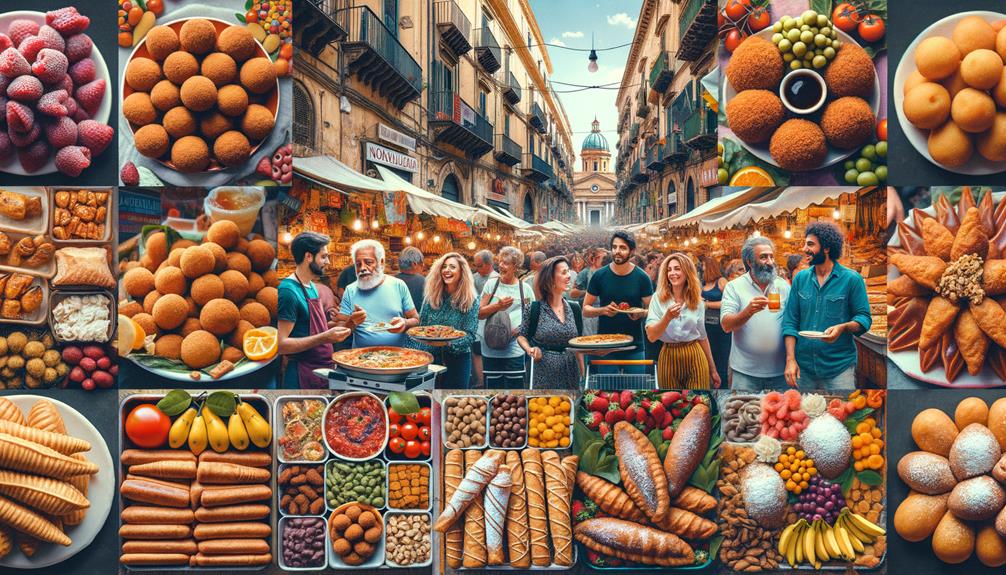
Nothing captures Palermo's street food character quite like biting into a warm, crispy arancina, the Palermitan feminine form of the name, packed with savory meat and melted cheese. Roaming through the streets on a food tour, each bite of this Sicilian staple connected me to generations of culinary tradition. Palermo's street food is more than just a meal; it's a window into local culture.
Panelle and crocchè, chickpea and potato fritters respectively, are everywhere at Ballarò. They make a perfect snack while exploring the city's historic landmarks. As I worked through these golden bites, I kept coming back to the simplicity and honesty of Sicilian cuisine.
One of the most distinctive street foods I tried was pani ca meusa, a spleen sandwich. The sweet-and-sour sauce adds a surprising contrast to the rich, meaty filling. It's a must for anyone with an adventurous palate.
For something sweet, il cannolo is the obvious choice, though worth noting that the best versions tend to come from dedicated pastry shops near the market rather than open stalls. The crispy shell and creamy ricotta filling are a reliable combination. Asking a local guide where to find a good one made all the difference in my Palermo food experience.
Family-Run Eateries
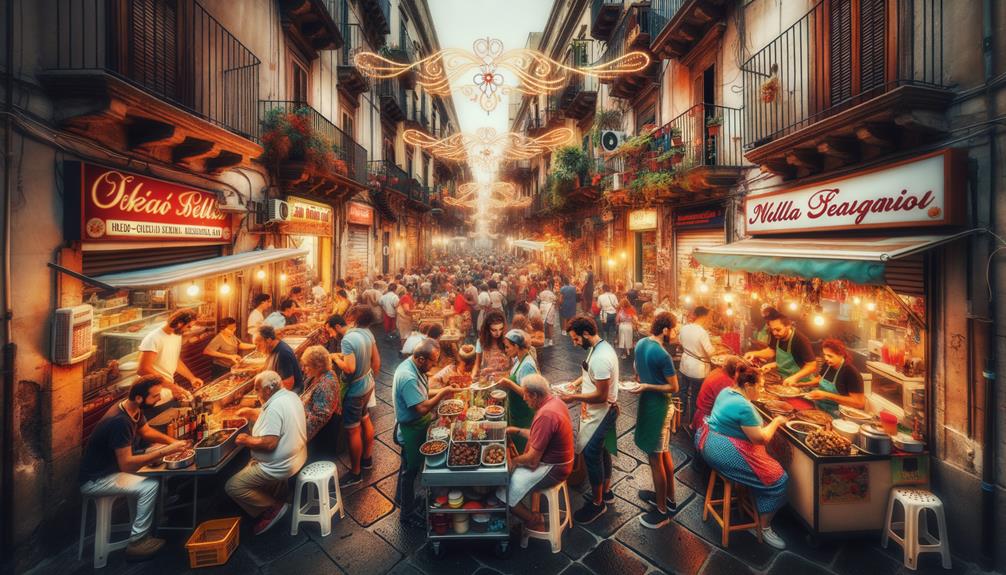
After working through Palermo's street foods, I often found myself drawn toward the quieter charm of the city's family-run eateries. These spots offer a closer look at traditional Sicilian cooking, prepared with the same care that has been passed down through generations. Walking into these places, I felt welcomed rather than merely served. Owners were generally happy to talk about their recipes and methods, adding a sense of personal history to the meal.
In Palermo, family-run eateries are a cornerstone of the local food scene.
- Al Fresco: Said to focus on fresh, locally sourced ingredients and a range of traditional Sicilian dishes. Verify current status before visiting.
- Ciccio Passami l'Olio: A spot associated with hearty, unpretentious Palermitan cooking in a warm setting. Verify current status before visiting.
- Il Vizietto Bistrot: Known for pairing classic Sicilian dishes with a more contemporary approach. Verify current status before visiting.
These establishments are more than just places to eat; they keep Palermo's culinary heritage alive in a way that markets alone cannot.
Sweet Sicilian Treats
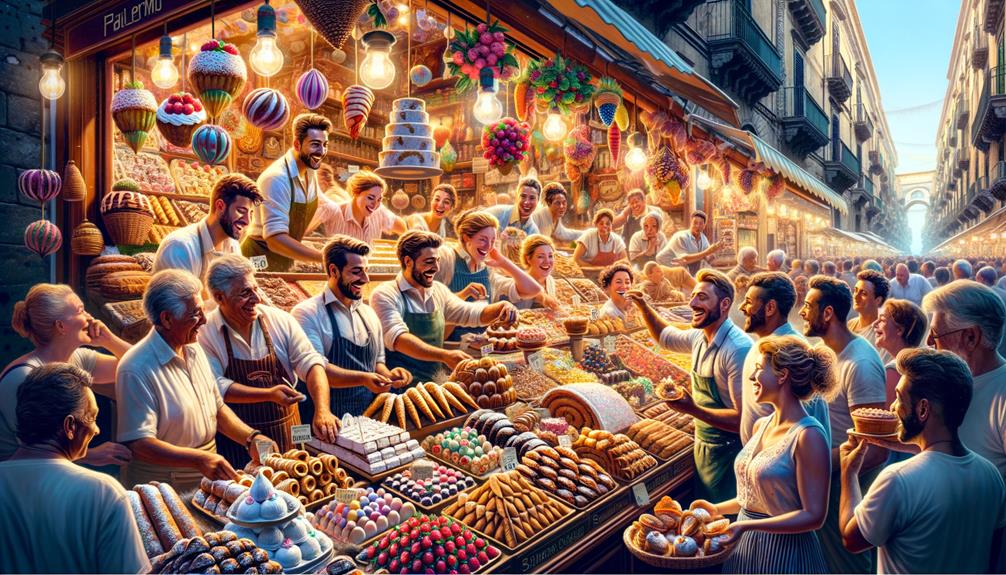
One of the pleasures of Palermo is the range of Sicilian desserts that reflect the island's long culinary history. Walking through the city, I found pastry shops near the markets showcasing traditional sweets. Cannoli, with their crispy shells and ricotta filling, are closely associated with Sicilian food culture, though they are more reliably found at dedicated pastry shops than at open market stalls. Each one I tried offered a clean contrast of crunch and smooth sweetness.
Palermo's sweet offerings go well beyond cannoli. I came across cassata, a layered sponge cake filled with ricotta and candied fruit that speaks to the island's diverse cultural history. The marzipan fruits known as frutta martorana were so carefully shaped they looked almost too good to eat, each piece a small demonstration of Sicilian pastry craft.
While exploring the city, I also found granita, a semi-frozen dessert that was a welcome relief from the heat. Its icy texture and concentrated fruit flavors felt genuinely rooted in the local tradition. Sampling these sweets was its own thread running through my street food time in Palermo.
Local Expert Insights
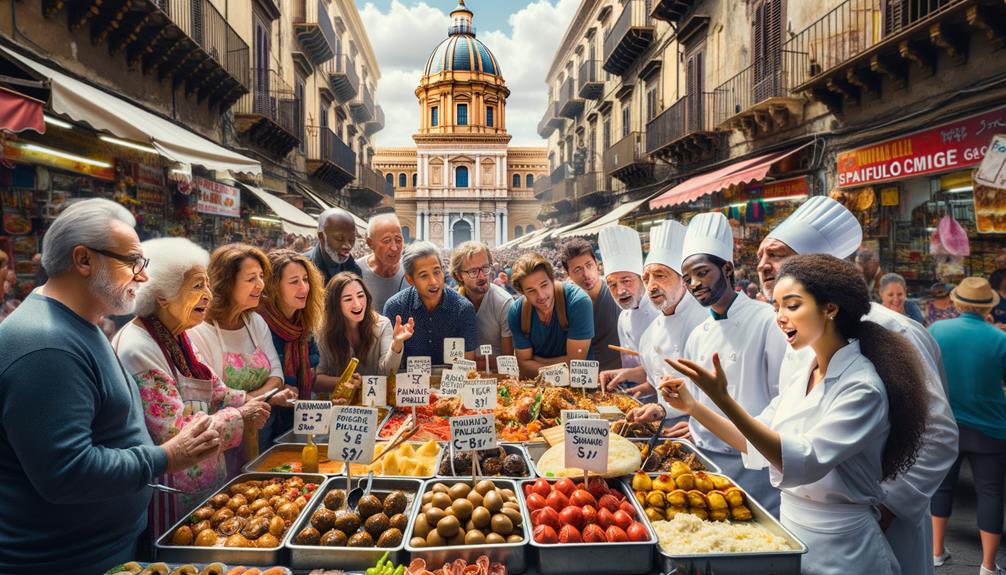
To get a fuller sense of Palermo's street food, I joined a small group tour led by a local guide whose knowledge of the city's history and cooking was evident from the first stop. A guided tour is entirely optional, Ballarò is a free, open public market that anyone can walk into, but having someone to explain context made the experience considerably richer.
The guide shared details about Palermo's culinary scene that I would have missed on my own. Three things stayed with me:
- Historical Roots: Palermo's street food reflects centuries of Arab, Norman, and Spanish influence, each leaving a distinct mark on the local kitchen.
- Signature Dishes: Pani ca meusa (spleen sandwich) and pasta with sardines are two dishes with their own particular histories and preparation methods, worth seeking out and asking about.
- Community and Culture: Street food in Palermo functions as a social occasion as much as a meal, bringing people together around shared recipes and neighborhood traditions.
As I worked through each dish, it became clear that Palermo's street food is woven into the city's daily life. The stories from the guide and the activity of the market around me gave the whole experience a sense of continuity with something much older.
Frequently Asked Questions
What Is the Traditional Food Tour in Palermo?
I explored Palermo's food scene by visiting markets including Capo and Vucciria alongside Ballarò, tasting arancine, panelle, and cannoli picked up at a nearby pastry shop. Guides added food history and cultural context along the way. It was an immersive way to get to know the city, though the markets are equally accessible on your own, no tour booking required.
What Is the Most Famous Street in Palermo?
Via Vittorio Emanuele is often cited as one of Palermo's most significant streets. Walking along it, I passed historic buildings, busy cafes, and the striking Quattro Canti intersection, which marks the crossing of the city's two main historic axes.
What Food Is Palermo Sicily Known For?
Palermo is known above all for its street food: arancina, panelle and crocchè, pani ca meusa, and the cannolo. Every bite I had in the markets brought me back to the flavors that define Sicilian culinary heritage.
Is Palermo a Walking City?
Very much so. I spent most of my time on foot, moving between markets and historic neighborhoods without needing any other transport. The narrow streets reward slow exploration, and the best discoveries, a pastry shop tucked behind a market stall, a courtyard hidden behind a gate, tend to come from simply wandering.