When I think about Varese, the first image that comes to mind is the serene expanse of Lake Varese, where I’ve spent countless mornings cycling along its tranquil shores. The lake’s reflections are mesmerizing, and it’s easy to lose track of time out there. Walking through the Estense Gardens, with their flowing fountains and carefully tended flower beds, always feels like stepping into a peaceful oasis. But Varese’s charm doesn’t end there; the ancient artifacts at the Archaeological Museum in Villa Mirabello offer a fascinating glimpse into the past. And yet, there’s one place that holds an even deeper historical significance…
Before you go: Visitor details can change. Check Isolino Virginia – Museo Ponti (boat service, hours, contact) and Lake Varese Cycle and Pedestrian Path (access, fees, route details) before you go.
Lake Varese
Lake Varese offers a striking landscape just 6 km from the city center, well suited to cycling, jogging, and taking in the views. A cycle and pedestrian path traces the full shoreline in a loop of roughly 27–30 km, open year-round with no entrance fee or permit required. Cyclists can expect to complete it in around three hours; walkers should allow considerably longer, as the full circuit is classified as challenging and takes approximately seven hours on foot. This is Varese, the ‘Garden City,’ at its most immediate.
One of the most compelling stops along the route is Isolino Virginia, a small island preserving a Neolithic stilt settlement recognized as a UNESCO World Heritage Site. Boat service from Biandronno runs on Saturdays and Sundays only, from 10:30 AM to 6:00 PM; the lakeside restaurant Giulietta al Lago is open on those same days. For current schedules and booking, check VareseInforma or the operator’s site before visiting. As you continue around the lake, charming villages and elegant villas appear at intervals along the shore.
Local landmarks punctuate the route, adding a historical layer to the scenic setting. The light on the water shifts throughout the day, and the surrounding hills give the landscape a quiet depth that rewards a slow pace.
Madonnina in Prato

Leaving behind the calm waters of Lake Varese, I was drawn to the quieter haven of Madonnina in Prato, a lesser-known spot surrounded by the greenery that gives the Garden City its name. The path toward the Santa Maria church, part of the Santa Maria del Monte complex, led me through fields and Italian gardens, each stretch bringing me closer to the Sacro Monte di Varese, recognized by UNESCO for its cultural significance.
Madonnina in Prato is a modest church whose understated exterior gives little away. Inside, the atmosphere is calm and conducive to reflection. As I looked out toward the surrounding Campo dei Fiori, the landscape of Varese spread before me—a quiet meeting of history, art, and nature.
In this place, time seemed to slow, and the spirit of the Sacred Mountain filled the air. It was a moment of genuine stillness, the kind that stays with you long after you’ve left.
Archaeological Museum
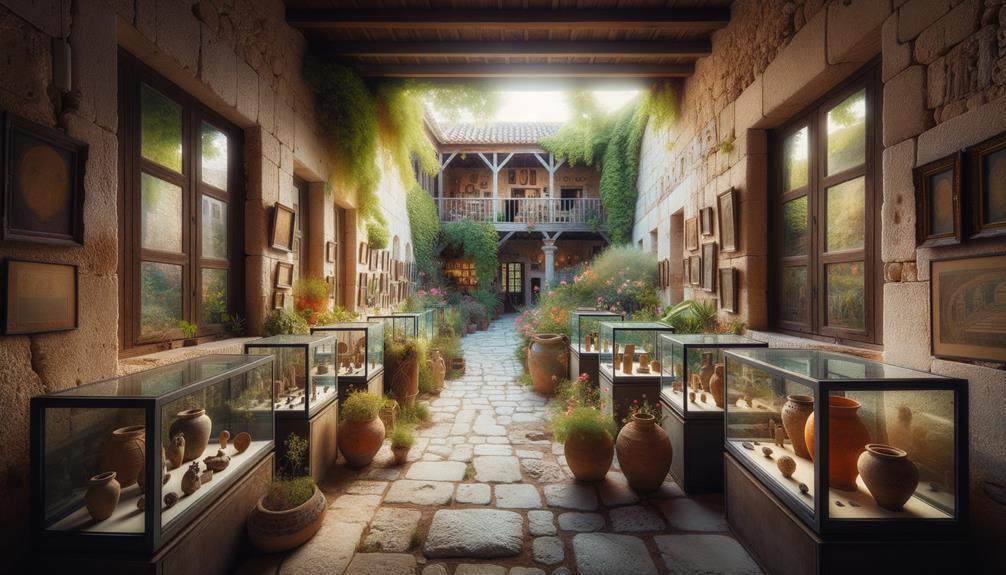
Situated in the heart of Varese, the Archaeological Museum offers a close look at the region’s long history, with each artifact carrying traces of the civilizations that shaped this corner of northern Italy. Housed in the elegant Villa Mirabello, the museum covers the Province of Varese from prehistoric times through the Middle Ages. As I moved through its halls, I felt a real sense of that accumulated past.
Villa Mirabello, set within well-kept grounds, provides a handsome backdrop that complements the collections inside. The building itself speaks to the area’s history of noble patronage, adding another layer to the visit.
The museum’s collection includes:
- Roman artifacts: Coins, pottery, and sculptures that shed light on daily life and belief in the ancient world.
- Prehistoric tools: Stone and bronze implements that illustrate the resourcefulness of the region’s earliest inhabitants.
- Medieval relics: Armor and religious objects that reflect the area’s complex later history.
The Archaeological Museum is one of the more rewarding stops in Varese’s city center. Regular opening hours and admission prices are not confirmed in current official sources, so check the museum’s official site before visiting.
Estense Gardens
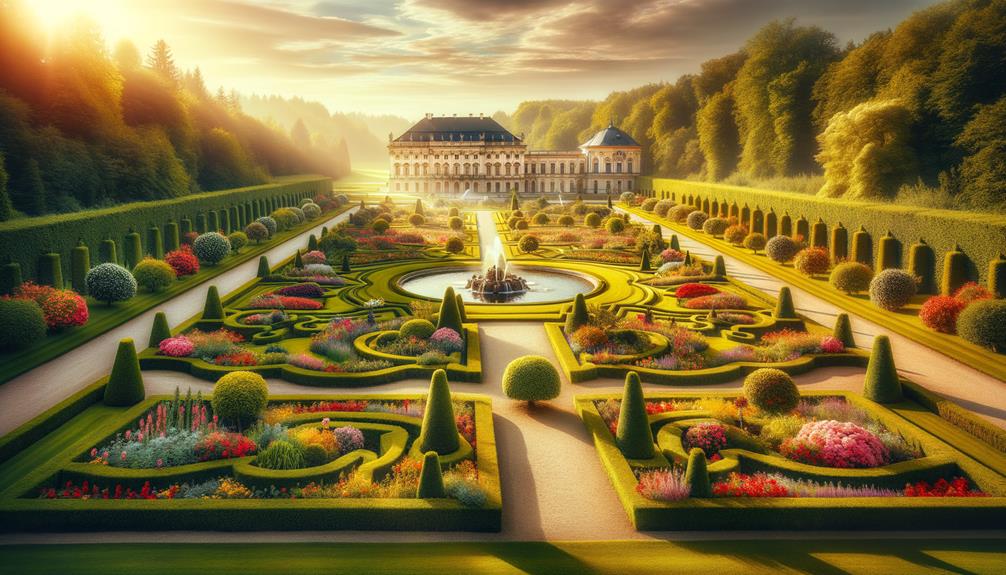
Walking through the Estense Gardens, I felt genuinely captivated by the mix of flowing fountains and carefully arranged flower beds, all framed by the historic Palazzo Estense. Once a grand private residence, the palazzo now serves as the city hall and stands as a quiet reminder of Varese’s aristocratic past.
The gardens are open to the public and offer a welcome retreat from the city streets—though it’s worth checking for seasonal closures or event-related access changes before you go. As I wandered the well-kept paths, the calm atmosphere was hard to resist. Every turn revealed a new angle on the landscaped grounds, with occasional glimpses toward the distant hills enhancing the sense of space. The flower beds moved gently in the breeze, making it an easy place to slow down.
The Estense Gardens appeal to more than just the eyes. The sound of water from the fountains mingles with rustling leaves, creating a calming ambiance that explains why the gardens are well loved by locals and visitors alike.
As I lingered, the sounds of the surrounding city faded, leaving only the blend of nature and history that Varese does so well.
UNESCO Sites Near Varese
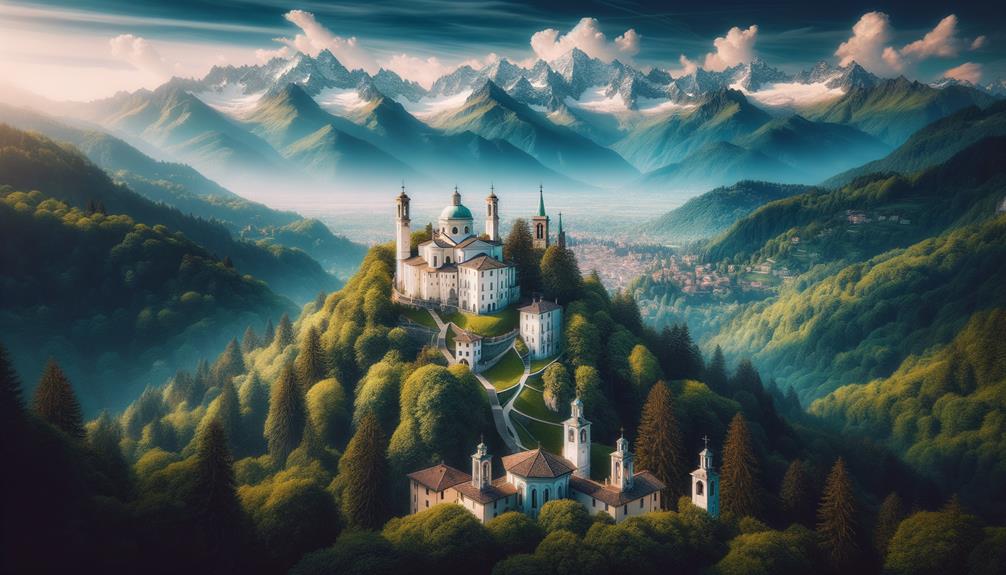
The UNESCO-listed sites near Varese span an impressive range—sacred architecture, lakeside hermitages, and ancient geology—each offering a distinct window into the region’s history and natural character.
The Sacro Monte di Varese, one of nine Sacred Mountains of Piedmont and Lombardy on the UNESCO World Heritage List, is a sequence of 17th-century chapels leading to the Basilica of San Vittore, set within a wooded hillside. The peaceful pathways and detailed frescoes make the ascent as rewarding as the destination.
The Santa Caterina del Sasso Hermitage is built dramatically into a rock face overlooking Lake Maggiore. The view from this site is striking, and the hermitage’s ancient walls carry a palpable sense of solitude and devotion.
Monte San Giorgio, a UNESCO World Heritage Site for its paleontological significance, offers a different kind of encounter with the past. Fossils found here date back 230–245 million years, making it one of the world’s most important records of Triassic marine life.
- Sacro Monte di Varese: A sequence of 17th-century chapels leading to the Basilica of San Vittore.
- Santa Caterina del Sasso: A hermitage with striking views over Lake Maggiore.
- Monte San Giorgio: A paleontological site preserving fossils up to 245 million years old.
Each of these sites near Varese deepens our understanding of the region’s layered history—natural, spiritual, and human.
Frequently Asked Questions
Is Varese, Italy Worth Visiting?
Without hesitation. I fell for Varese’s peaceful lakes, handsome old villas, and unhurried café culture. It draws far fewer visitors than the big Lombard cities, which means you can take in its genuine character at your own pace.
Where to Go From Varese, Italy?
Varese sits close to several worthwhile destinations. Lake Maggiore is an easy reach for lakeside scenery, and the towns of Como and Bellagio reward a half-day excursion. For walkers, the wooded slopes of Campo dei Fiori, rising above the city, offer well-marked trails and broad views across the pre-Alpine landscape.
Is Varese in Italy or Switzerland?
Varese is in Italy, close to the Swiss border. The city has a notably green character, with parks and gardens woven throughout the urban fabric—a quality that has long defined its identity as the ‘Garden City.’