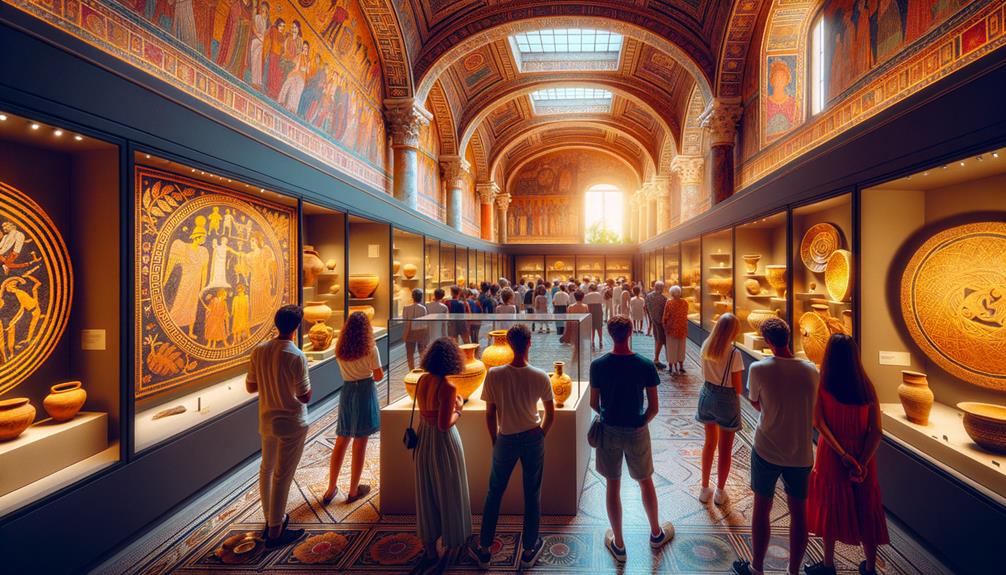
Many visitors underestimate just how significant the National Archaeological Museum of Taranto (MArTA) really is. It holds one of the largest and most important collections of Magna Graecia artifacts in the world. Walking through its halls, I was struck by the Ori di Taranto, a collection of Hellenistic gold jewelry of extraordinary delicacy. The Greek polychrome pottery section, with its beautifully decorated vases, illuminates daily life and artistic practice in ancient Taranto. Each artifact carries its own story, well worth the time to absorb.
Before you go: Visitor details can change. Check The MArTa Museum – Taranto Capitale di Mare (Official Tourism) and National Archaeological Museum of Taranto – Wikipedia before you go.
History of MArTA
Founded in 1887 within the former Convent of San Pasquale di Baylon, the National Archaeological Museum of Taranto has grown into one of the most important archaeological museums in the world. Its collection spans an extraordinary range, from the Palaeolithic era to the Middle Ages, with particular depth in the Magna Graecia period that defined the city’s ancient identity.
The museum's collection mirrors the city's storied past. In the Neolithic section, pottery with Serra d'Alto style geometric and spiral motifs captures the artistic flair of our ancestors. As I moved through the archaic and Magna-Greek sections, I found ceramic grave goods, everyday items, and Paro marble statues, each telling stories of life in the 8th and 7th centuries BC.
The Ori di Taranto section stands apart, showcasing the city’s exceptional goldsmithing tradition. The intricate gold objects reflect Taranto’s wealth and influence during the Magna Graecia period, and they remain among the finest examples of Hellenistic craftsmanship anywhere in Italy.
Key Exhibits to See
Among the museum’s highlights are several pieces that speak to the breadth of ancient Mediterranean exchange. The collection includes objects reflecting connections well beyond the Greek world, illustrating how Taranto sat at a crossroads of cultures in the ancient southern Mediterranean.
The Ori di Taranto dazzles with its Hellenistic goldsmith work. The pieces, decorated with colored stones and glass pastes, give a vivid sense of the refinement and luxury that characterized elite life in ancient Taranto.
| Exhibit | Highlights |
|---|---|
| Statue of Thot | Intricate craftsmanship, cultural exchange |
| Treasure of the Ori | Hellenistic goldsmith art, colored stones |
| Greek Polychrome Pottery | Lively colors, historical significance |
The Greek polychrome pottery section is equally compelling. The colors and intricate figural designs on these ancient vessels reflect the skill of Greek artisans and speak to mythology, ritual, and the rhythms of daily life.
As I moved through the museum, I kept returning to how much of Taranto’s cultural history is concentrated in a single building. The exhibits preserve the past while also making it genuinely legible to a curious visitor.
Ori di Taranto
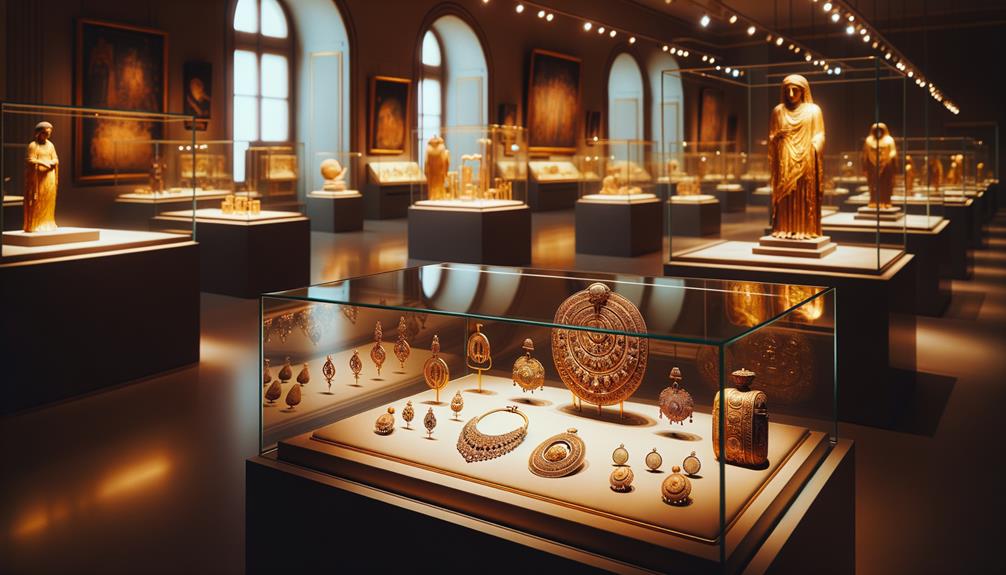
Walking into the Ori di Taranto exhibit, I was immediately arrested by the gold artifacts on display. These treasures from the ancient Magna Graecia civilization speak to the remarkable artistry and wealth of that era. Each piece reflects the height of Hellenistic craftsmanship, from the precision of the metalwork to the sophistication of the overall design.
Moving through the exhibit, the intricate filigree on the necklaces and the delicate engravings on the bracelets held my attention at every turn. The gold catches the light softly, and each artifact conveys something of the skilled artisans who made it and the world in which it was worn.
The Ori of Taranto is more than just a display of gold artifacts; it's a journey back in time that I found deeply moving, offering a glimpse into the cultural and artistic achievements of Magna Graecia. It's a testament to the enduring legacy of human creativity and the beauty that comes from it. This exhibit vividly connects history to our present, inviting us to appreciate its tangible links.
Greek Pottery Collection
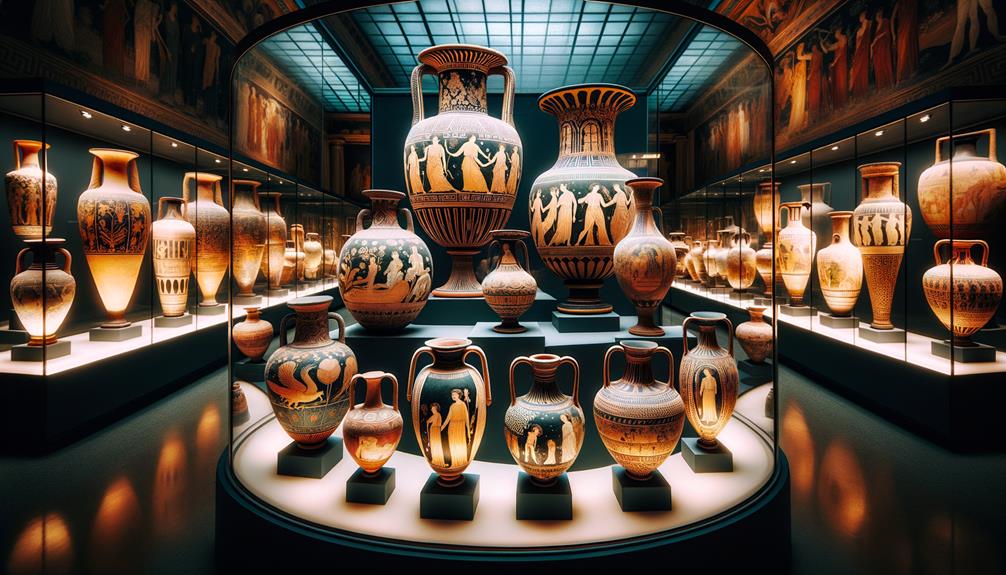
Strolling through the Greek Pottery Collection, I was struck by the vase designs depicting gods, heroes, and everyday life. Each piece offers a window into the ancient Greek culture that shaped this part of southern Italy. The museum’s care in presenting these ceramics ensures they continue to inform and engage visitors.
Intricate Vase Designs
The Greek Pottery Collection at MArTA rewards close attention. Dating as far back as the 8th century BC, each piece narrates a chapter of Taranto’s history and traces the evolution of ceramic technique across the centuries.
The vases span black-figure, red-figure, and white-ground techniques, each demanding its own kind of skill. A red-figure krater from the 5th century BC, crowded with mythological scenes, is particularly arresting. A Greek amphora decorated with mythical creatures and plant motifs, once used for storing wine, shows how function and artistry were inseparable in this tradition.
To fully appreciate these masterpieces, consider:
- The black-figure technique, which preceded the red-figure style.
- The fine detail in Attic vases, long prized for their quality.
- The balance of functionality and artistry in objects made for daily use.
- The mythological narratives encoded in the painted scenes.
- The consistent precision evident across pieces of very different periods.
Visiting Taranto, you are not simply viewing ancient objects; you are reading a visual language that shaped how an entire civilization understood itself.
Historical Significance Explained
As I took in the vase designs, I found myself thinking about the broader historical weight of the Greek Pottery Collection at MArTA. This collection is more than art; it is evidence of the cultural and social life of ancient Magna Graecia. Pieces like the Venus of Parabita and the bronze Zeus of Ugento are not merely beautiful objects, they carry information about funerary practice, religious belief, and daily life across many centuries.
Moving through the museum, I was struck by how these artifacts, spanning from prehistory to the Middle Ages, sustain a continuous thread of human presence in this part of southern Italy. Each red- and black-figure vase, amphora, krater, and lekythos reflects a level of craft that has endured for millennia. The vessels recovered from the necropoles of Taranto and its surroundings underscore the region’s central role in the ancient Greek world.
The Greek pottery collection at MArTA is among Italy’s finest, offering an unusually direct encounter with the artistic, cultural, and historical heritage of ancient Greece in southern Italy.
Preservation at MArTA
The Greek pottery collection at MArTA is presented in carefully controlled conditions, and the museum’s conservation work is evident in the quality of what is on display. Protecting objects of this age and fragility requires sustained, specialist effort, and the results speak for themselves.
For specific details about the museum’s conservation methods and environmental standards, check the official MArTA resources, as practices are updated over time.
- The museum maintains careful environmental controls to help prevent ceramics from degrading or cracking over time.
- Specialist conservators employ gentle cleaning techniques to safely remove dirt and residues from pottery surfaces.
- Conservation work includes stabilizing pottery fragments to prevent them from crumbling and to preserve their structural integrity.
- Artifacts are stored and displayed with careful humidity management to protect them from sudden environmental changes.
- Modern technology is used to document and create records of delicate pieces, allowing for safer long-term study and display.
The museum's dedication to preservation is evident throughout my visit. The attention to detail not only protects the pottery but also helps me connect with the rich history of Taranto. Each piece tells a story, and the museum's commitment ensures these stories remain vivid and accessible for everyone.
Roman Sculptures
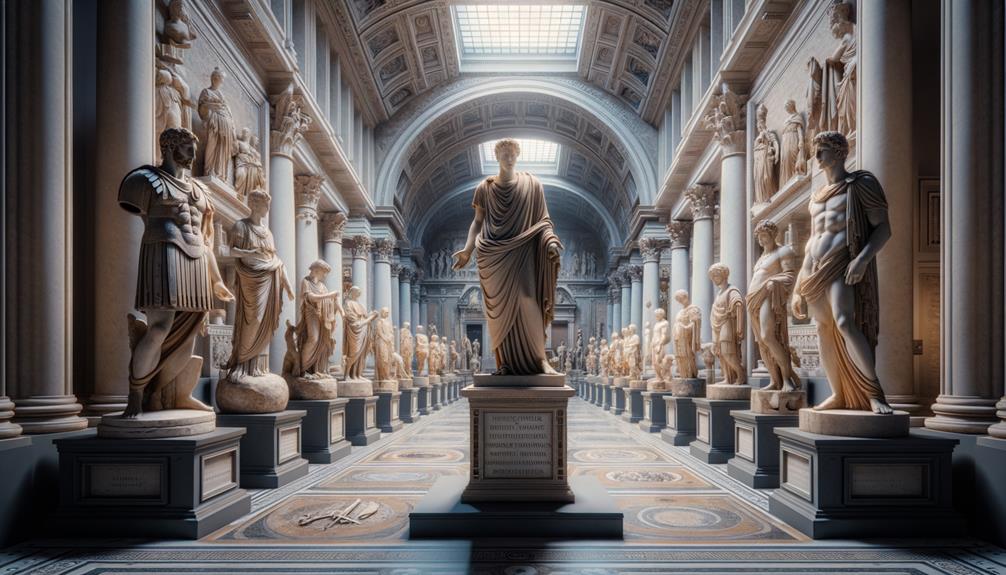
The Roman Sculptures section at the Taranto Archaeological Museum drew me in with its stunning marble masterpieces like the Statua di giovane togato and the Statua di Venere, both from the 1st century AD. These impressive pieces give us a glimpse into Roman times, showcasing the incredible talent of their sculptors. The marble sculptures, carefully crafted, highlight the era's dedication to capturing human form and emotion.
As I walked through the exhibits, I was drawn to how these sculptures, once part of Roman domestic settings, show the influence of Greek models on Roman artistic practice. The collection also includes architectural fragments such as friezes and pediments, which shed light on Roman funerary customs. Each piece adds detail to the picture of what Roman civic and private life looked like in Taranto.
Sculptural decoration, frescoes, and mosaic floors from Roman houses round out this section, conveying the tastes and means of the Roman elite. Together, these objects make the daily lives of ancient Romans in Taranto unusually tangible.
Visitor Information

Before visiting MArTA, it is worth checking current opening hours and ticket prices on the official site, as details can change. The museum is open daily 08:30–19:30 according to current information, and the collection is extensive enough to warrant a generous block of time.
Opening Hours Details
When I planned my visit to MArTA, I looked into the ticketing options in advance. The museum is open daily 08:30–19:30, which allows for a relaxed, unhurried visit. Arriving early is a good idea if you want the galleries to yourself before tour groups arrive.
Tickets can be purchased on-site by card, cash is not accepted, and I found the process straightforward. Groups need to book in advance via email. Here are some key points to keep in mind when planning my visit:
- On-site ticket purchase: Tickets are sold at the museum by card; cash is not accepted.
- Group bookings: Groups must arrange their visit in advance by contacting the museum via email.
- Free entry days: First Sunday of every month.
- Discounts available: For specific categories of visitors; check the official site for current eligibility.
- Payment: Card only at the ticket desk; cash is not accepted.
Knowing these details ahead of time made my visit to MArTA straightforward and let me focus on the collection rather than logistics.
Ticket Prices Overview
When I looked into tickets for MArTA, the pricing structure covered the permanent collection as well as any current temporary exhibitions. Specific prices and categories can change, so it is best to check the official site before your visit.
What I really appreciated is how the museum makes entry accessible: admission is free on the first Sunday of each month, and qualified tourist guides also enter free of charge. General adult visitors have straightforward pricing, so there are no surprises when I arrive.
The pricing structure reflects the museum’s effort to keep the collection accessible to a wide range of visitors, which is consistent with its standing as a state-run institution and one of Italy’s foremost archaeological museums.
Special Exhibitions
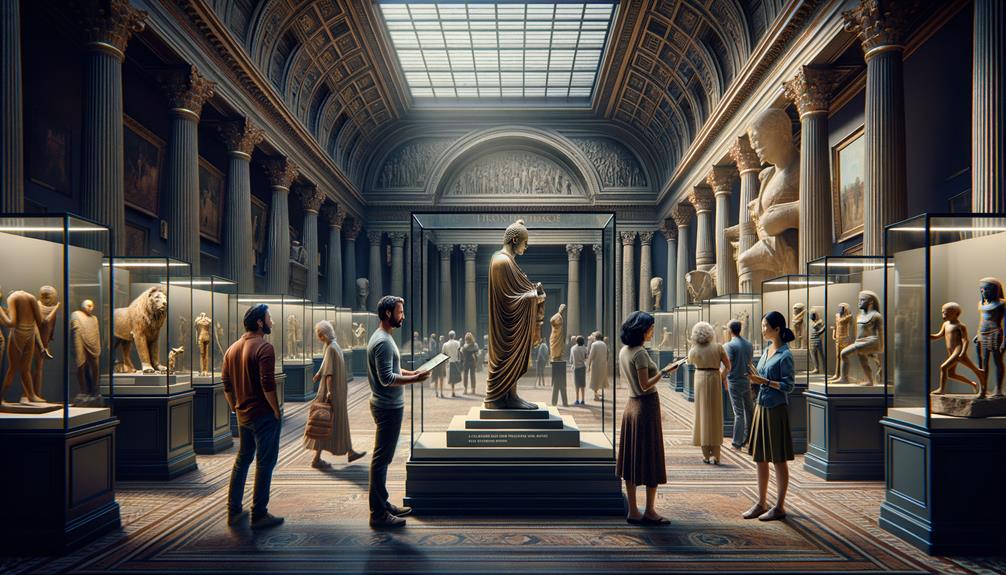
MArTA regularly mounts special exhibitions alongside its permanent collection. The Ori di Taranto, Hellenistic gold artifacts that represent the pinnacle of ancient goldsmithing in this region, is a permanent highlight. For current temporary exhibitions, check the official site before your visit, as programming changes throughout the year.
Walking through the galleries, I was struck by how carefully each display was assembled, the artifacts were given room to speak, and the contextual information helped rather than overwhelmed. Whatever is showing during your visit, the curatorial approach makes the experience worthwhile.
The museum pairs its exhibitions with guided tours, workshops, and educational programs, which add depth for visitors who want more than a self-guided walk. Since the program is regularly updated, it is worth checking what is on offer when you plan your trip.
- Ori di Taranto: Hellenistic gold artifacts, a permanent collection highlight.
- The museum has hosted temporary exhibitions exploring mythological themes connected to the ancient Greek world of Magna Graecia.
- In the Folds of the Toga: Roman attire.
- Guided tours: In-depth historical context from specialist guides.
- Educational programs: Interactive sessions for groups and individuals.
Getting There and Accessibility
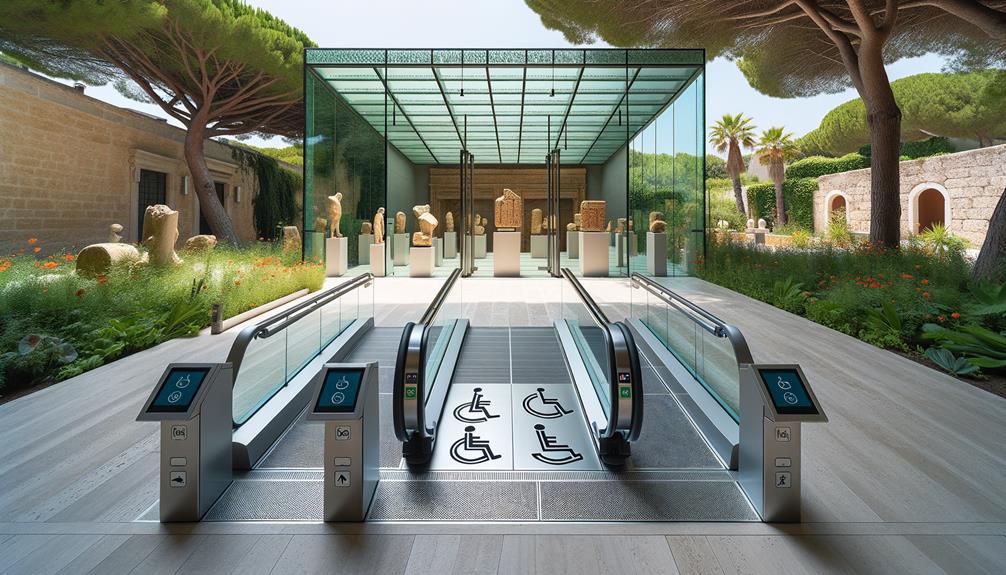
MArTA is located at Corso Cavour (Via Cavour), 10, in central Taranto, a central address that makes it reachable on foot, by local bus, or by car.
The museum is generally accessible to visitors with mobility requirements. For specific details on facilities such as lifts and ramps, check the official site before your visit, as arrangements can change.
The museum’s official website is the most reliable source for up-to-date practical information, and staff are available to assist with questions or specific requirements. MArTA’s combination of scholarly depth and central location makes it an essential stop in Taranto.
Frequently Asked Questions
How Long Does It Take to Visit MArTA?
I’d suggest setting aside at least two to three hours. The collection spans prehistory to the Middle Ages across multiple floors, and the key exhibits, the Ori di Taranto, the Greek pottery, the Roman sculptures, each deserve unhurried attention.
Is There Free Entry at the MArTA Museum in Taranto?
Yes, entry to MArTA is free on the first Sunday of each month, making it a wonderful opportunity to explore one of Italy's finest collections of Magna Graecia artifacts without any cost. Qualified tourist guides also enjoy free admission year-round.
What Is MArTA Best Known For?
MArTA is best known as one of the most important archaeological museums in the world for Magna Graecia material. Its headline exhibits include the Ori di Taranto, an exceptional collection of Hellenistic gold jewelry, along with the Tomb of the Athlete, the Venus of Parabita, and the bronze Zeus of Ugento.