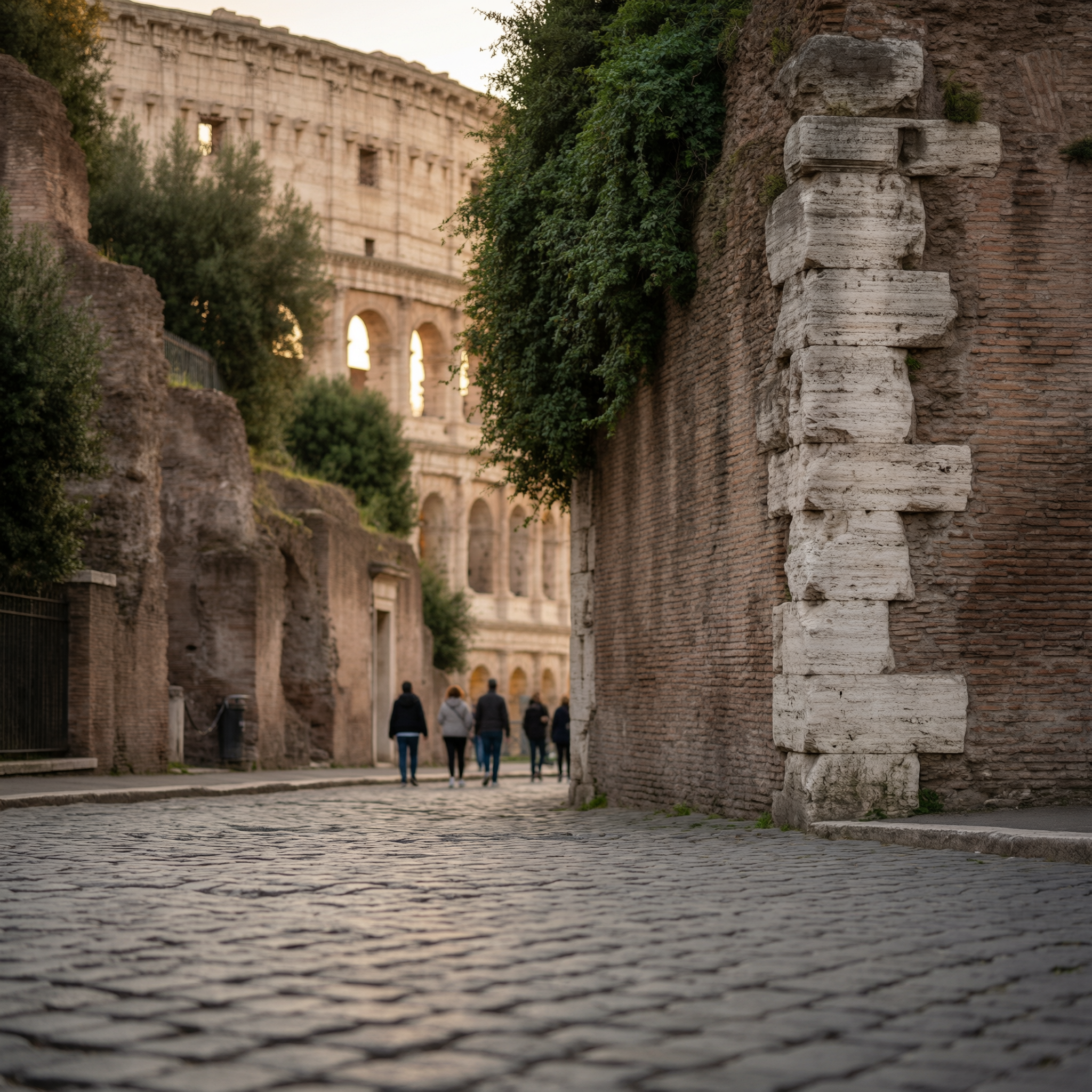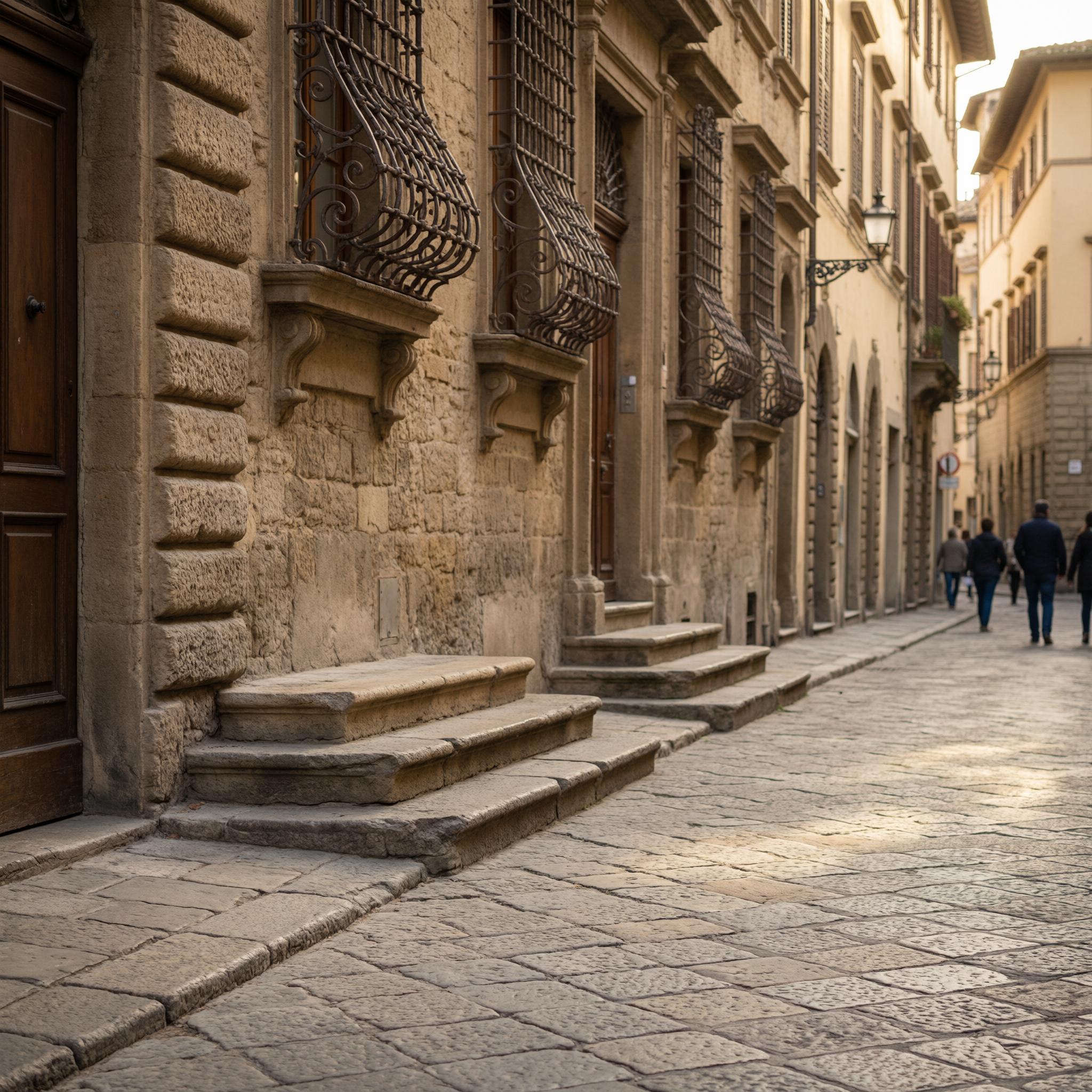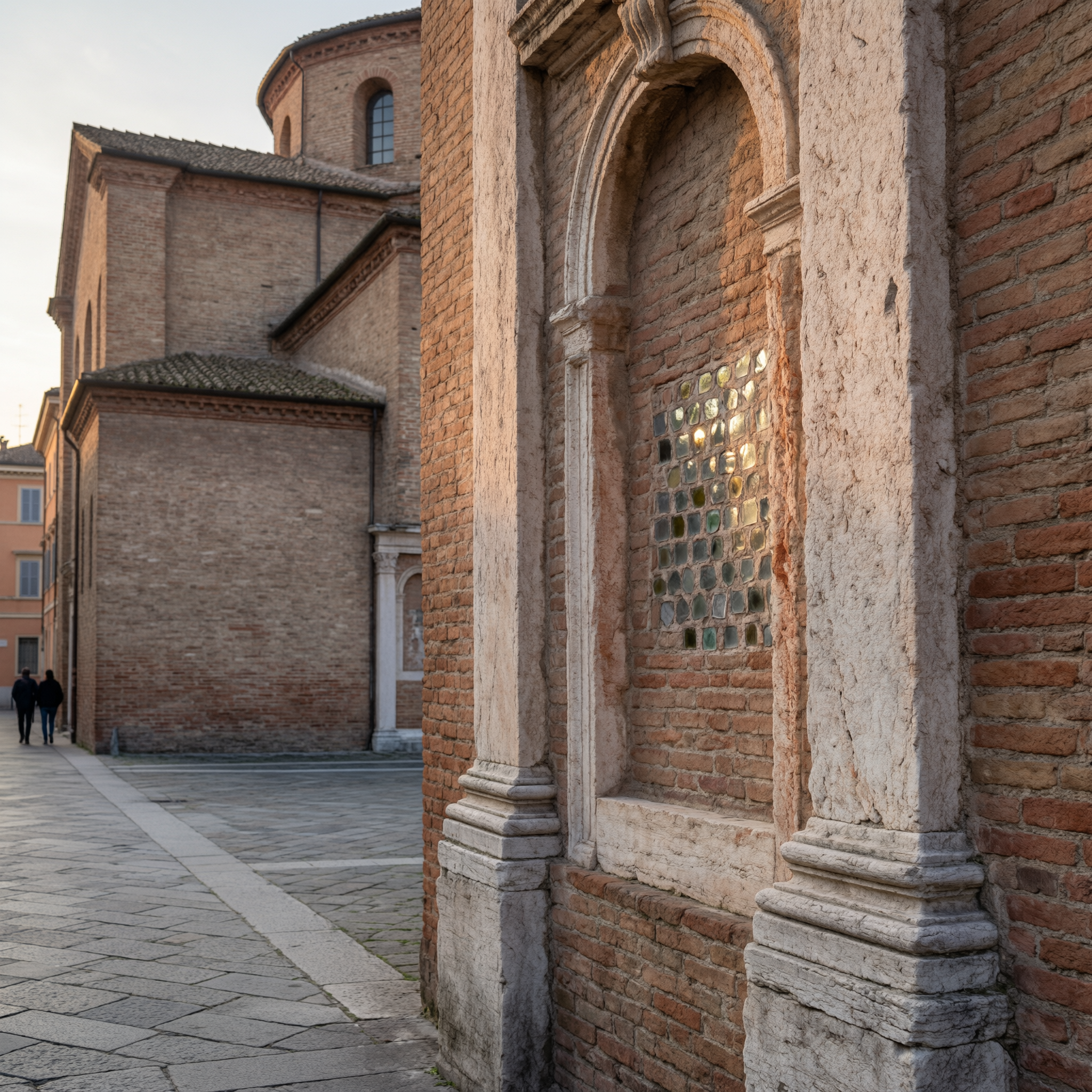
Strolling through the peaceful streets of Ravenna, I was mesmerized by the sunlight catching ancient mosaics, each shimmering tile a piece of history. The Basilica of San Vitale, with its intricate corridors and lavish mosaics, offered a window into the splendor of Byzantine art. As I studied the vivid patterns and meaningful iconography, I was struck by the stories captured in stone, quiet accounts of early Christianity and cultural exchange. But it was the Mausoleum of Galla Placidia that truly brought Ravenna’s mosaic art to life, leaving me eager to learn more.
Before you go: Visitor details can change. Check Entrance time and prices – Ravenna Mosaici (Official 2026/2027 Hours) and Ravenna mosacics…HELP with understanding how the multi tickets work (Rick Steves Community) before you go.
Historical Significance
Walking through the ancient streets of Ravenna, I was struck by the mosaics that speak so directly to the city’s long and layered history. These intricate artworks, created over centuries, reveal the character of an era shaped by Byzantine influence. Inside the Basilica of San Vitale, the grandeur of the mosaics was impossible to ignore, each piece carefully placed to carry both spiritual and political meaning.
Nearby, the Mausoleum of Galla Placidia stands as another testament to the city’s mosaic artistry. The interior, glowing with deep blues and golds, creates an almost otherworldly atmosphere. The designs here are equally captivating, narrating tales of faith and power.
The Basilica of Sant'Apollinare Nuovo also deserves mention. Its long nave is adorned with panels depicting biblical scenes, reflecting the early Christian era. I find it clear why these sites, among others in Ravenna, have earned a spot on the UNESCO World Heritage list. Each mosaic tells stories from a bygone era, inviting me to lose myself in their timeless beauty.
Basilica of San Vitale
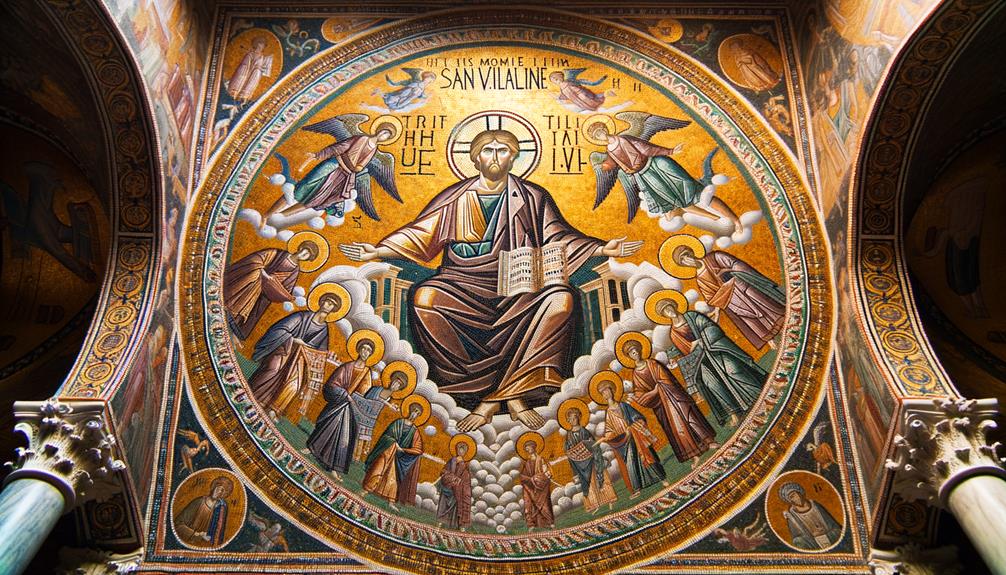
Stepping into the Basilica of San Vitale in Ravenna, your eyes are immediately drawn to the dazzling mosaics depicting both heavenly and earthly figures. This architectural gem, completed around the mid-6th century, blends Roman and Byzantine styles into a remarkable work of art. The basilica’s design features two concentric octagons topped with a towering dome, creating a space that feels both grand and intimate.
The mosaics are truly spectacular. Gold tesserae, brought from Byzantium, shimmer in the light, adding a divine glow to the scenes. The Redeemer stands between San Vitale and Bishop Ecclesius, surrounded by tesserae made from ceramics, glass, stone, marble, and mother-of-pearl. Each piece seems to come alive, carrying stories of faith and power.
Consecrated in 547, the apse of San Vitale offers a remarkable series of interconnected mosaics. These mosaics relate to one another in a complex, almost narrative sequence, inviting visitors to consider the deeper theological messages within. Even at first glance, the beauty is arresting.
In Ravenna, the Basilica of San Vitale stands as an enduring testament to human creativity and spiritual devotion.
Mausoleum of Galla Placidia
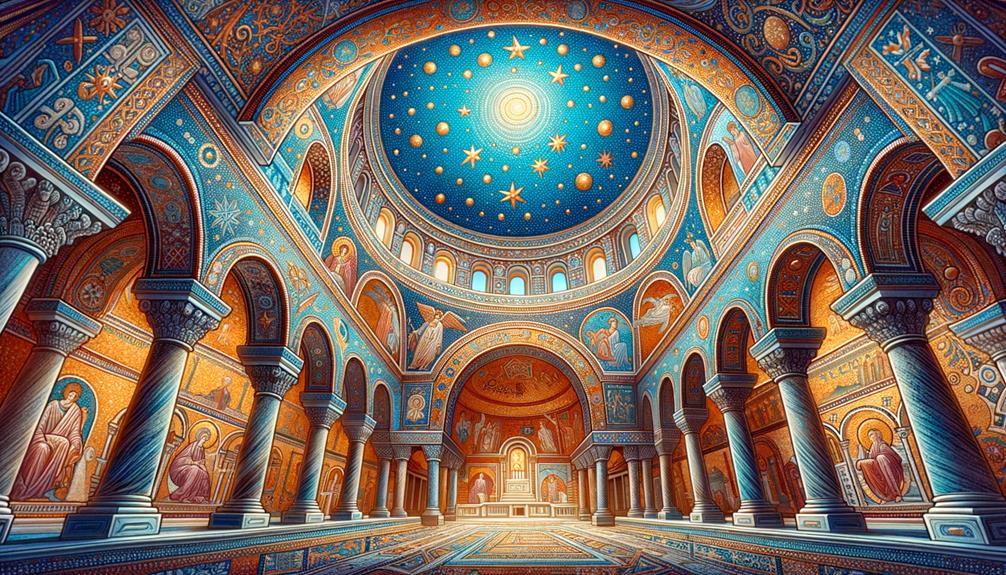
When I walked into the Mausoleum of Galla Placidia, the intimate scale of the space immediately drew me in. The mosaics, with their rich colors and precise patterns, seemed to speak of faith and eternity. Knowing its historical importance, I felt a genuine connection to the early Christian era and the legacy of Empress Galla Placidia.
Architectural Design Features
Entering the Mausoleum of Galla Placidia, I am immediately struck by the contrast between its plain brick exterior and the stunning mosaic interior. This small, cross-shaped building from the 5th century hides a dazzling inner world that showcases the rich mosaic heritage of Ravenna. The architecture blends Roman and Byzantine styles, reflecting the shared cultural and artistic traditions of both empires.
Inside, the central square space surrounded by four barrel-vaulted niches immediately stands out. The vaults, covered with intricate mosaics of stars, flowers, and other ornate designs, create a celestial atmosphere that feels both beautiful and harmonious. These mosaics, precisely crafted, represent the peak of early Byzantine art.
The mosaics and architectural elements here are not merely decorative; they tell a story of cultural exchange and artistic development, making every moment spent inside a journey through history.
Iconic Mosaic Imagery
Stepping into the Mausoleum of Galla Placidia, my eyes were immediately drawn to the mosaic of Christ the Good Shepherd, surrounded by a lush, green landscape dotted with sheep. The mosaic’s rich colors, rendered in tiny pieces of colored glass, shimmered in the dim light, creating a sense of divine presence that felt almost tangible.
These mosaics are among the finest surviving examples of Early Christian art. As I admired the intricate details, I found myself thinking of the Byzantine mosaics I had seen at Sant’Apollinare in Classe. The themes are similar, but the execution here felt more intimate and personal.
| Location | Featured Imagery | Notable Elements |
|---|---|---|
| Mausoleum of Galla Placidia | Christ the Good Shepherd | Colored glass, green landscape |
| Sant'Apollinare in Classe | St. Apollinare amidst stars | Byzantine mosaics |
| Other Ravenna Sites | Various Biblical scenes | Rich iconography |
Walking through, I was enveloped by the mastery on display. Each scene told a story; each tile was a tribute to the devotion and skill of the artists. The vivid colors and sacred imagery transported me back to a time when faith and art were inseparable, each amplifying the other in a play of light and meaning.
Historical Significance Unveiled
Walking into the Mausoleum of Galla Placidia, I was struck by its historical and artistic weight, a testament to the enduring legacy of Early Christian art. Located in Ravenna, this 5th-century structure stands as a symbol of the Roman Empire’s cultural heritage. Inside, the shimmering light from thousands of colored glass pieces, carefully arranged by Byzantine artists to depict biblical scenes, greeted me.
These mosaics are more than art; they tell a story of faith and craftsmanship. The blues, golds, and greens create a heavenly atmosphere, making it feel as though I had stepped into another world. The imagery is steeped in Early Christian symbolism, resurrection and eternal life rendered in glass and stone. It is remarkable to think these mosaics have survived for over 1,500 years, a testament to the skill and care of the artisans who made them.
Galla Placidia, daughter of Emperor Theodosius I, commissioned this mausoleum as both her intended resting place and a statement of faith and authority during the final years of the Western Roman Empire. It is a humbling reminder of the grandeur of the past and the enduring beauty of Ravenna’s cultural heritage.
Basilica of Sant’Apollinare Nuovo
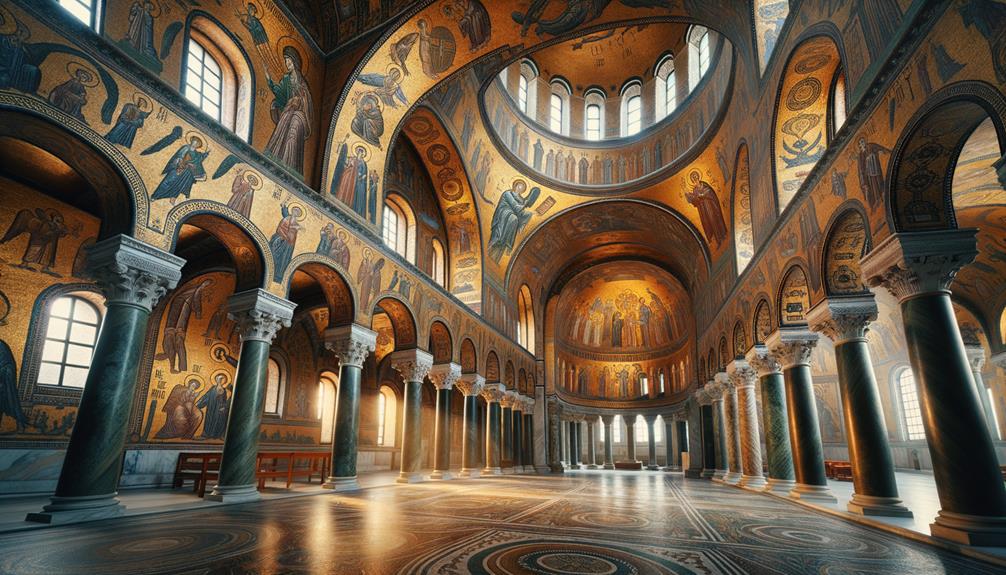
Walking into the Basilica of Sant’Apollinare Nuovo, the historical significance is felt immediately. The mosaics, depicting processions of virgins and martyrs along either side of the nave, are not only visually arresting, they are dense with iconography and symbolism that illuminates early Christian belief. Careful restoration has preserved these artworks, allowing us to appreciate the precise colors and exceptional detail achieved by the original artisans.
Historical Significance Unveiled
In the heart of Ravenna, the Basilica of Sant’Apollinare Nuovo stands as a testament to the city’s rich history, adorned with early Christian mosaics that carry visitors back to the Byzantine Empire. Originally constructed by Theodoric the Great in the early 6th century, the basilica was later consecrated as a Christian church and named after Saint Apollinaris, Ravenna’s patron saint. Some of its mosaics date from the reign of Emperor Justinian, reflecting the church’s layered and storied past.
Walking through the basilica, the colors and intricate designs of the Byzantine mosaics are absorbing. The walls seem to carry stories of faith and power, echoing the character of a distant era.
- Emperor Justinian: His influence is visible in the mosaics, symbolizing the reach of the Byzantine Empire.
- Mosaics Date: These artworks, preserved since the 6th century, offer a glimpse into early Christian art.
- Church in Ravenna: This basilica is a key monument reflecting Ravenna’s significance as a center of early Christianity.
- Bishop Ecclesius: His role in the city’s ecclesiastical history underscores the basilica’s religious importance.
Iconography and Symbolism
Stepping into the Basilica of Sant’Apollinare Nuovo, the detailed mosaics immediately held my attention, drawing me into the spiritual and cultural stories they carry. These Byzantine mosaics are more than decoration; they are a visual expression of faith and history. The Good Shepherd appears in the apse, his calm presence a symbol of guidance and protection.
Each mosaic is a carefully constructed narrative with layered meanings. The procession of saints, adorned with golden halos and flowing robes, represents the heavenly court and the promise of eternal life for the faithful. Walking through the nave, I was struck by the biblical scenes filled with symbolism, fish evoking Christ, lambs representing his followers, and the cross as a sign of ultimate sacrifice.
In Sant'Apollinare, these mosaics are both religious lessons and artistic marvels, creating a timeless conversation between the divine and human. As I wander through, Ravenna's mosaic art invites me to interpret and reflect, offering a journey through the rich mix of early Christian iconography.
Restoration Efforts Detailed
Restoration efforts at the Basilica of Sant’Apollinare Nuovo have revealed the original splendor and intricate detail of the ancient mosaics. Walking through the basilica, I was struck by the colors and the meticulous craftsmanship brought back to light. The work aimed to preserve the 6th-century Byzantine mosaics using period-appropriate materials and techniques, though visitors seeking precise details about the organizations and dates involved should consult the site’s official documentation.
The process was fascinating. A few highlights:
- Advanced Technologies: The team used 3D scanning and infrared reflectography to analyze damage and deterioration, ensuring no detail was overlooked.
- Removal of Past Restorations: Earlier, inconsistent restoration work was carefully removed to recover the mosaics’ authentic appearance.
- Reintegration of Fragments: Original mosaic fragments that had been lost or removed over time were reintegrated, restoring the intricate designs.
- Skilled Team: A dedicated team of conservators, restorers, and historians, working alongside international experts, carried out the painstaking work of preservation.
Standing there, I felt a deep connection to Ravenna’s long cultural history. The restoration of these mosaics preserves Byzantine art while telling an enduring story of care and dedication.
Neonian Baptistery
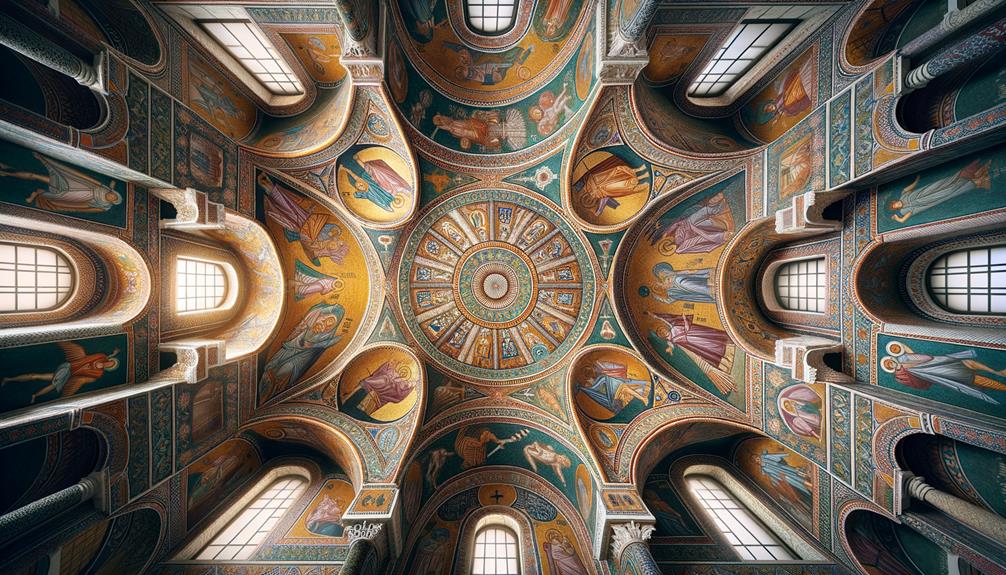
Walking into the Neonian Baptistery, you are immediately struck by the stunning mosaics adorning its ancient dome. Each tile tells a vivid biblical story, making you feel as though you have stepped back in time. This 5th-century structure in Ravenna is a testament to the grandeur of Byzantine art and holds the city’s oldest surviving mosaics. The colors and intricate details are breathtaking. The depiction of the Baptism of Christ is particularly captivating, the water rendered so fluidly it almost seems to move.
As one of Ravenna’s eight UNESCO World Heritage Sites, the Neonian Baptistery reflects the rich cultural and artistic legacy of the Eastern Roman Empire. The octagonal structure, with its Byzantine architecture, carries a deep sense of historical significance. Each remarkably well-preserved mosaic tile, after more than 1,500 years, offers a glimpse into a time when art was a powerful medium for storytelling and spiritual expression. Standing among these ancient masterpieces, you feel a profound connection to the past and a genuine appreciation for the craft of Byzantine mosaic-making.
Visiting Tips
Standing among the mosaics of the Neonian Baptistery, I felt a surge of excitement to uncover more of Ravenna’s treasures. With a few practical tips, you can make the most of your visit to this mosaic-rich city. Ravenna’s appeal lies not only in its mosaics but also in its history, culture, and ease of exploration.
First, consider getting a combined ticket. The 5-monument pass costs €14.50 and covers all five UNESCO mosaic sites, including the Basilica of Sant'Apollinare Nuovo and the Mausoleum of Galla Placidia, while a 4-monument pass is available for €12.50. Both passes are valid for 7 consecutive days, giving you plenty of time to explore at your own pace.
Plan your trip based on your interests and book accommodations and attractions in advance to avoid the busiest periods. The city’s tourist information offices and local guides offer useful context for navigating Ravenna’s many attractions.
Getting to Ravenna is straightforward. You can fly into Bologna and then take a train or bus, or drive and park near the main sites.
Consider visiting in autumn. The weather is mild and the crowds thinner, allowing you to take in the city and its mosaics at a more relaxed pace.
Here's a quick checklist to help you:
- Get the combined ticket: Access multiple sites for 12.5 EUR.
- Plan in advance: Book accommodations and timed entry slots early, especially in summer.
- Transportation options: Fly into Bologna or drive directly to Ravenna.
- Visit in autumn: Enjoy milder weather and fewer tourists.
These tips will help make your visit to Ravenna as smooth and rewarding as the mosaics themselves.
Frequently Asked Questions
Why Are the Mosaics of Ravenna Important?
Walking through the old streets of Ravenna, I was struck by how directly these mosaics speak across centuries. They matter because they tell a visual story, blending Roman and Byzantine styles in a way that survives nowhere else in such concentration. The designs offer deep cultural insight and reflect a sustained human desire for beauty and meaning.
What Is the Best Mosaic in Ravenna?
For me, the apse mosaic in San Vitale stands out above the rest. Its detailed composition, rich colors, and exceptional craftsmanship make it a genuinely memorable experience for anyone drawn to art or history.
What Is the Oldest Mosaic in Ravenna?
Ravenna’s oldest mosaics are found in the Neonian Baptistery, which dates to the 5th century, predating the mosaics of Sant’Apollinare Nuovo by roughly a century. Standing beneath the Baptistery’s dome, I found it remarkable that these images of the Baptism of Christ have survived largely intact for over 1,500 years.
What Techniques Were Used to Create Ravenna’s Mosaics?
Ravenna’s mosaics were created by setting small, hand-cut tesserae, pieces of colored glass, stone, ceramic, and gold-backed glass, into wet mortar. The skill lay in the cutting, the angle at which each piece was set, and the sequencing of colors to achieve luminosity and depth. The results, still visible across the city’s UNESCO sites, speak to the extraordinary precision of the craftspeople who made them.