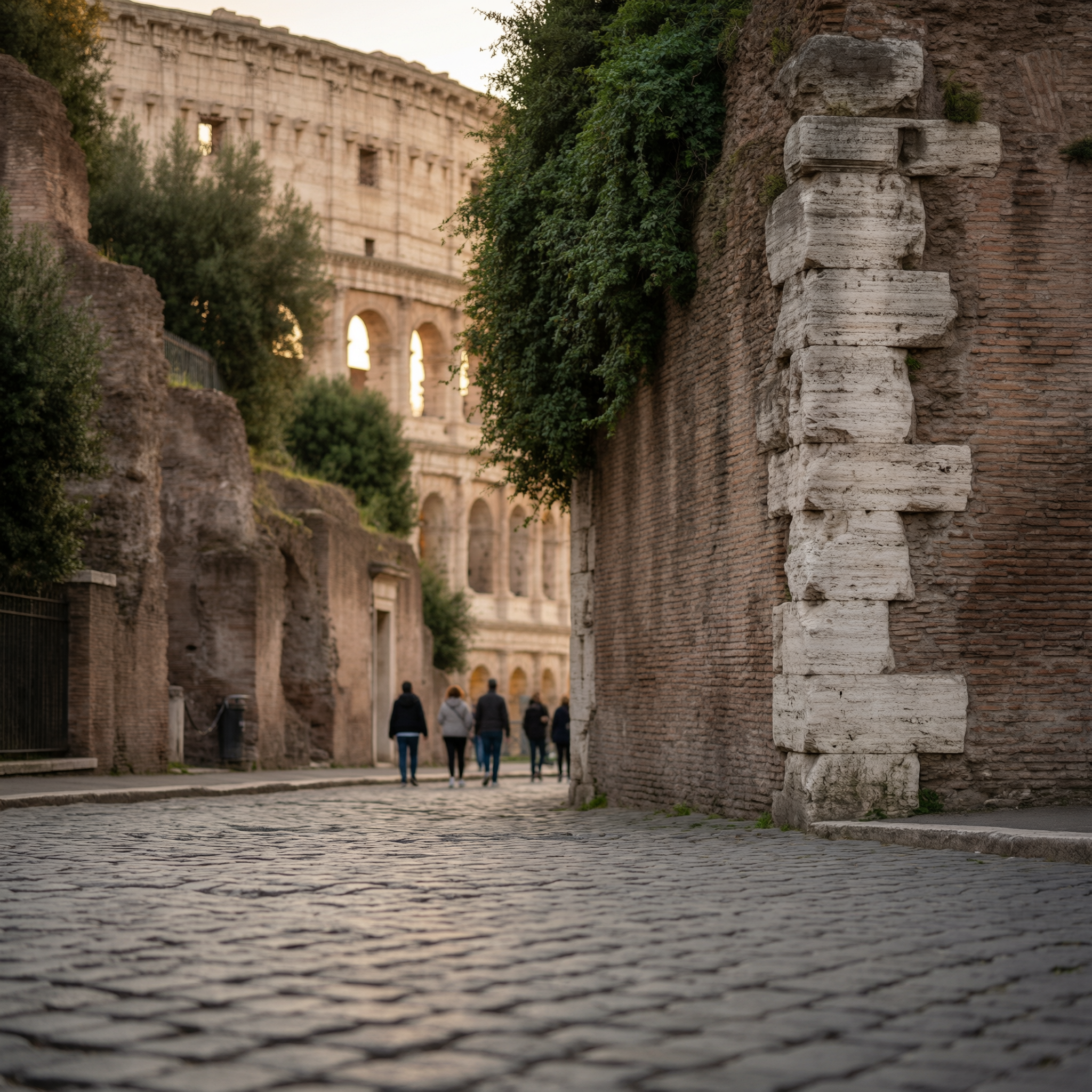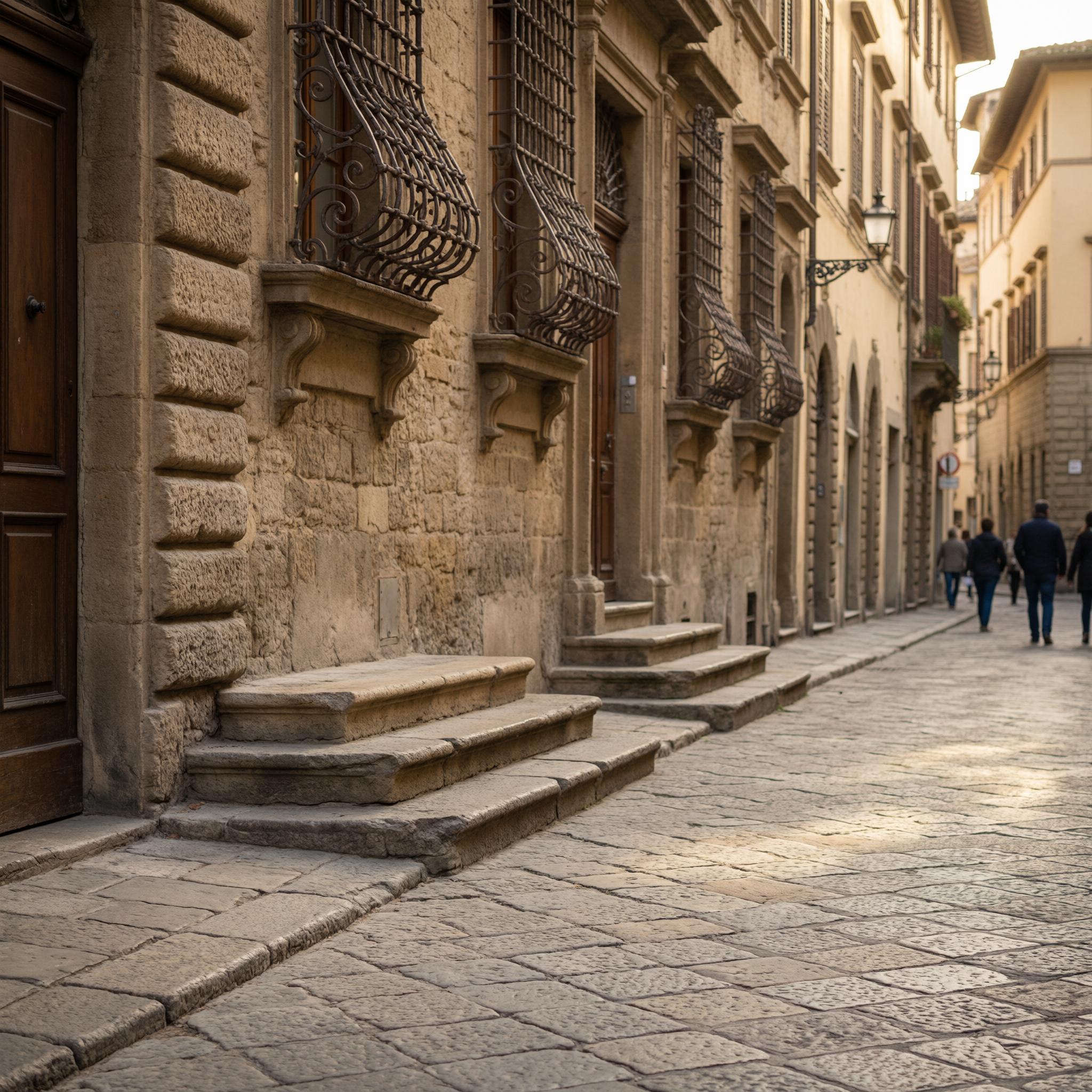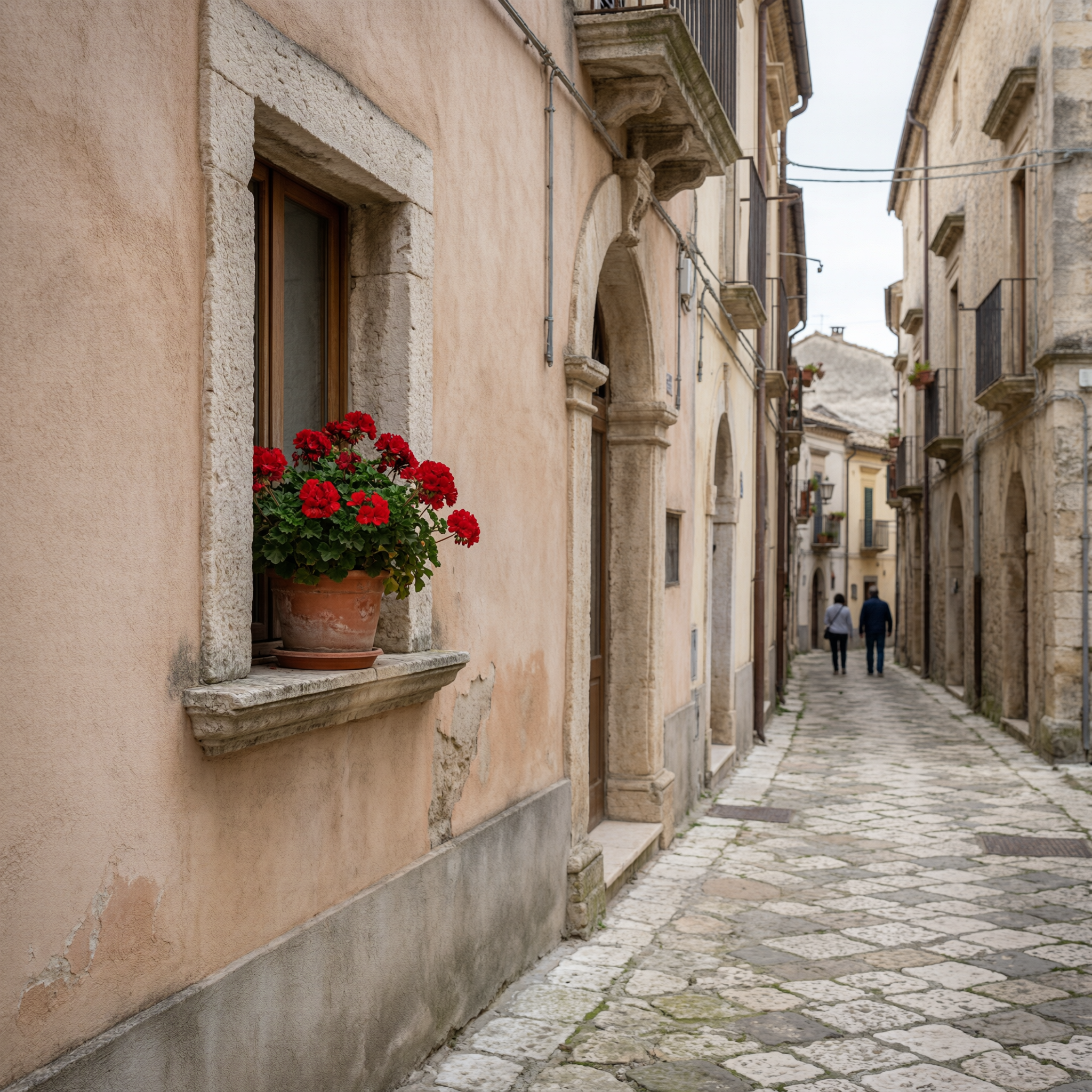
Walking through Potenza, the capital of the Basilicata region, I felt the pull of centuries in its streets. The cobblestones near the Torre Guevara, the sole surviving remnant of a medieval castle, seemed to carry the weight of the city’s long history, and the 17th-century Palazzo Loffredo and the Cathedral of San Gerardo left a lasting impression. Every corner of Potenza’s historic center has a story worth pausing for.
Before you go: Visitor details can change. Check Basilicata: Cities & Points of interest to visit – Italia.it before you go.
Potenza's Rich History
Located in the heart of the Basilicata region, Potenza’s history unfolds across ancient ruins, medieval landmarks, and enduring cultural traditions. Walking through Potenza’s historic center feels like stepping back in time. Each cobblestone street reveals traces of centuries past, from Roman settlement to medieval upheaval.
Strolling through the narrow alleys, I felt the rough texture of stone walls that have stood for centuries. The sound of church bells from the Chiesa di San Michele Arcangelo added an ageless quality to my exploration. As I wandered further, I came upon the Torre Guevara, the sole remnant of a once-mighty castle. Standing before it, I couldn’t help but imagine the lives of those who once moved through these grounds.
Cultural traditions are evident in every corner. I was fortunate to catch a local festival celebrating San Gerardo, Potenza's patron saint. The air buzzed with excitement as residents dressed in traditional costumes paraded through the streets, proudly showcasing their heritage. The historic center isn't just a place; it's a living testament to Potenza's enduring spirit.
Stunning Apennine Views
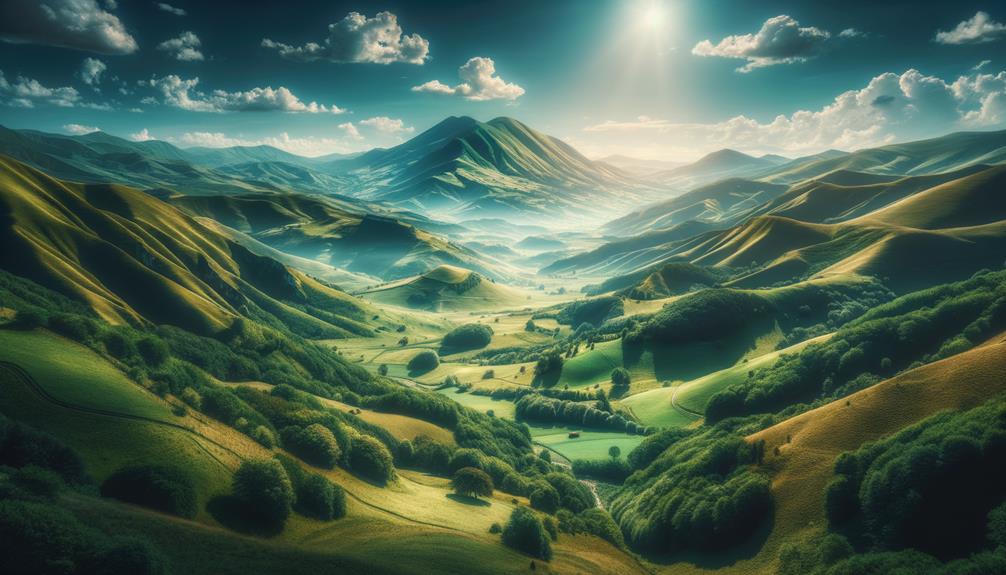
Standing at one of the scenic overlook points above Potenza, I found myself absorbed by the mountain views stretching in every direction. The hiking trails winding through the Apennines offered more than a physical journey; each step revealed new layers of natural beauty, and the region’s calm splendor was easy to linger in.
Panoramic Mountain Vistas
From the vantage point of Monte Vulture, the Apennine landscapes stretch out like a stunning mix of rolling hills, lush forests, and quaint villages that seem to have stood still in time. Standing on a high ridge, I felt like I was on top of the world, the air crisp and refreshing. The views seemed endless, a perfect blend of natural beauty and cultural heritage.
- The patchwork of vineyards and olive groves, a tribute to centuries-old farming traditions.
- The sparkling lakes nestled in volcanic craters near Monte Vulture, reflecting the sky's blue tones.
- The medieval castles perched on hilltops, telling stories of past eras.
One morning, I set out early to catch the sunrise over the Apennines. As the first light spilled across the mountains, the landscape below shifted through colors and shadows in a way that felt genuinely humbling.
Locals will tell you that these views offer a glimpse into the soul of Basilicata. Each look across the ridges and valleys reveals another layer of the region’s history, and it’s hard not to feel a sense of space and connection standing among them.
Serene Hiking Trails
Eager to explore beyond the viewpoints, I laced up my hiking boots and headed into the Apennine Mountains. Each trail brought new surprises. Gallipoli Cognato Park, in the Lucanian Apennines, offers a rich mix of forest, wildlife, and marked paths, though trail conditions and accessibility vary, so it’s worth checking the park’s official site before visiting. I was struck by the wildflowers and the occasional glimpse of local fauna, and felt genuinely immersed in the landscape.
The trails cater to all skill levels, making them accessible to everyone. I began with an easy path and gradually tackled more challenging routes. Each trail had its own charm, ancient villages that seemed untouched by time, grand castles on hilltops, and historic sites that told stories of Basilicata's lively cultural heritage.
A highlight was finding a charming village tucked away in the mountains. The locals greeted me warmly, sharing stories of their ancestors and offering homemade treats. The combination of natural beauty and cultural richness made each hike an adventure. The Apennine Mountains, with their tranquil trails, are the perfect getaway for those seeking freedom and discovery.
Scenic Overlook Points
The scenic overlook points scattered across the Apennine Mountains offer far-reaching views that capture something essential about Basilicata’s landscape. Standing well above a thousand meters, I felt the cool mountain air and took in panoramas that stretched across ridges and valleys below.
- Jagged mountain peaks piercing the sky
- Verdant valleys carpeted with wildflowers
- Ancient villages nestled in the folds of the earth
Each overlook point tells a unique story. One particular spot, Monte Sirino, at 1,907 meters above sea level, provided a sweeping view of the surrounding landscape. I could see the shimmering lakes below and the serpentine roads weaving through the hills. The sight was so mesmerizing, it felt like time stood still.
Locals often gather at these points to share stories and legends, adding a cultural richness to the natural splendor. I met an elderly shepherd who recounted tales of the region's history, his eyes gleaming with pride. These encounters made me realize that Basilicata is not just about the sights but also the people who call this rugged land home.
Modern and Ancient Architecture
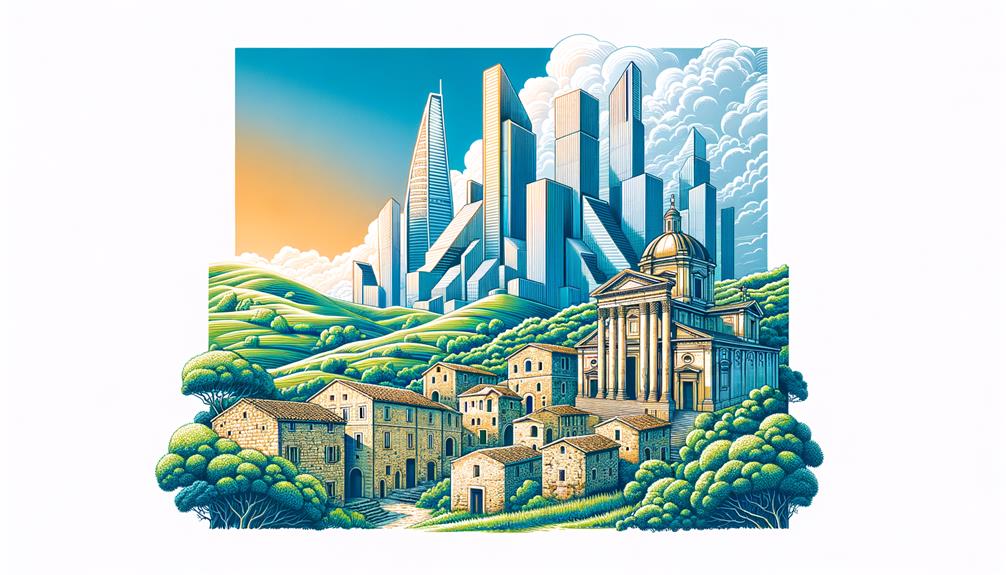
Walking through the streets of Potenza, I was struck by how the city layers its past onto a largely modern urban fabric. Major earthquakes in 1857 and 1980, along with wartime damage, reshaped much of the city, and the contrast between the rebuilt districts and the surviving historic core is part of what makes Potenza distinctive. The Ponte San Vito is sometimes cited as a local landmark, though its medieval credentials are not well documented, check with local heritage sources before treating it as a confirmed historic site.
Roman-Influenced Structures
Walking through Potenza, the city’s layered architectural history is hard to miss. The historic center along Via Pretoria preserves the clearest evidence of earlier eras, where Roman-era foundations underlie medieval and later construction. Claims about specific Roman-influenced structures should be verified with local heritage sources, as the city’s repeated earthquake damage has complicated the picture considerably.
Here are some highlights that left a lasting impression on me:
- Cathedral of San Gerardo: Originally built in the 12th century and renovated in the 18th, this cathedral is a testament to enduring faith and architectural persistence.
- Palazzo Loffredo: This 17th-century palace, now a museum, combines contemporary exhibitions with its classical design.
- Chiesa di San Michele Arcangelo: A church noted for its religious art and traditional atmosphere; check the parish’s current schedule directly for any musical or special programming.
Potenza’s historic structures are more than architectural set pieces; they carry stories. The church of San Francesco, founded in 1274, houses a Byzantine Madonna and the De Grasis sepulcher, drawing visitors deeper into the city’s medieval past. For anyone keen to explore history through buildings, Potenza’s surviving landmarks offer a rewarding, if sometimes fragmentary, journey.
Medieval Castles and Fortresses
Walking through Potenza, the remnants of its medieval past are few but telling. The city’s castle is almost entirely gone, leaving only the Torre Guevara. Standing near this lone tower, you get a clear sense of the historical and cultural weight it carries. The stones speak of old conflicts and long-vanished lives.
A visit to Palazzo Loffredo, now a museum, takes you further into Potenza’s medieval era. The artifacts on display offer a tangible glimpse into life in earlier centuries. The Ponte San Vito is sometimes described as a medieval bridge with scenic views of the city, though its historical documentation is uncertain, verify with the Comune di Potenza or local heritage maps before relying on that characterization.
Don’t miss the Chiesa di San Francesco, founded in 1274, with its Gothic architecture and notable interior works. Every visit to this building deepens an appreciation for Potenza’s medieval heritage.
Contemporary Urban Designs
As I wander through Potenza, I’m struck by how the modern city and its older core sit side by side. Walking along Via Pretoria, the main pedestrian street through the historic center, the mix is immediately apparent:
- Historic landmarks like the Cathedral of San Gerardo, notable for its Romanesque rose window.
- The 17th-century Palazzo Loffredo, now a museum that highlights Potenza's cultural heritage.
- The Torre Guevara, the sole surviving remnant of the city's medieval castle, now used for art exhibitions.
Strolling down Via Pretoria, I’m struck by how contemporary shops and cafés sit alongside centuries-old structures. The Chiesa di San Francesco stands as a clear marker of the city’s medieval past, its 13th-century origins visible in the stonework.
Sitting with an espresso at a café along the street, I find myself thinking about how Potenza holds its history lightly, acknowledging what was lost to earthquakes and war while getting on with the present. It’s a city that rewards curiosity.
Cultural Attractions
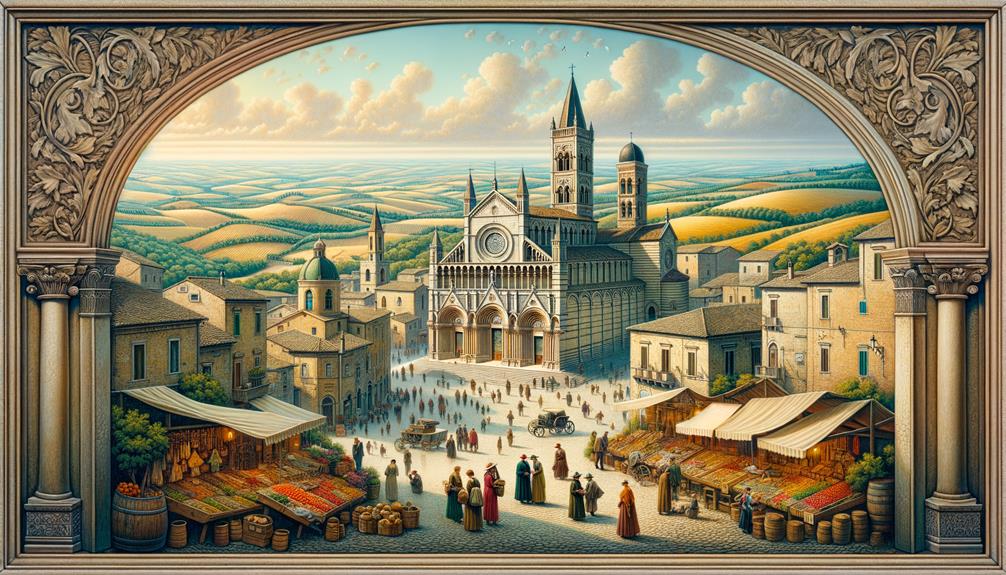
The Cathedral of San Gerardo, with its 18th-century renovations layered over a 12th-century core, offers a concentrated look at Potenza’s history. As I walked through its interior, the worn stonework and surviving decorative details made the passage of time feel immediate.
Potenza’s cultural draw extends well beyond the cathedral. The Palazzo Loffredo, a 17th-century palace now operating as a museum, is worth an extended visit. Walking through its rooms, I found the collections, spanning pottery, jewelry, and religious objects, genuinely absorbing, each piece connected to the broader story of the region.
Here's a quick snapshot of some must-visit cultural spots:
| Attraction | Highlights |
|---|---|
| Palazzo Loffredo | Ancient artifacts, museum atmosphere |
| Chiesa di San Francesco | De Grasis sepulcher, Byzantine Madonna |
| Chiesa di San Michele de Arcangelo | Live organ music, classic religious art |
In the heart of the city, the historic center repays slow exploration. The Torre Guevara and the Palazzo Loffredo anchor the area’s cultural offer, and the surrounding streets fill in the gaps with smaller churches, squares, and the kind of everyday life that gives a place its character.
Potenza Cathedral
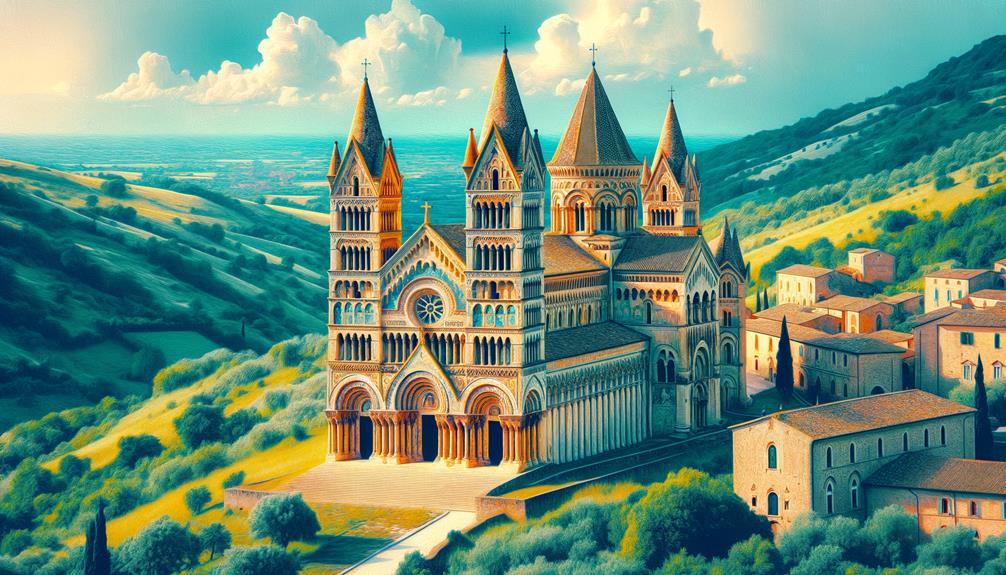
When I walked into the square, the rough grey stone of Potenza Cathedral immediately caught my eye. Dating back to the 12th century, with significant 18th-century renovations, it remains one of the city’s most important landmarks. Dedicated to San Gerardo, Potenza’s patron saint, it’s a place where the city’s long history feels close at hand.
Historical Significance Overview
Standing in front of Potenza Cathedral, the weight of centuries in its rough grey stones is unmistakable. Also known as the Cathedral of San Gerardo, the structure was originally built in the 12th century and has been shaped by renovation, earthquake damage, and restoration ever since.
As I stood there, the square around the cathedral was busy with people of all ages, lending a lived-in energy to the historic setting. The surrounding buildings add to the atmosphere, though specific claims about former convents or other structures in the immediate vicinity are worth verifying locally.
- The weathered stones of the cathedral have silently witnessed centuries of history.
- The square buzzes with life, mixing the old with the new.
- The surrounding buildings hint at the layered history of this part of the city.
Walking through Potenza, the Cathedral of San Gerardo stands out as a powerful reminder of the city’s cultural continuity. It’s not only a religious site; it’s a marker of endurance through earthquakes, war, and the passage of time. The cathedral’s historical significance makes it a natural starting point for any visit.
Architectural Highlights
In the heart of Potenza’s historic center, the Potenza Cathedral announces itself with its Romanesque rose window, a striking survival from its medieval origins. As I approached the Cathedral of San Gerardo, that detail stood out clearly against the 18th-century renovations that define much of its current appearance.
Inside, the interplay of original fabric and later restoration is palpable. The nave’s lines and arches reflect the many hands that have built, repaired, and renewed this space across the centuries. The 1980 Irpinia earthquake left its mark here as elsewhere in Potenza, but the cathedral’s survival mirrors something of the city’s own resilience.
One detail that caught my attention was the statue of San Gerardo, Potenza’s patron saint, a quiet focal point that speaks to the city’s enduring sense of identity. The cathedral isn’t just an architectural landmark; it’s a living record of Potenza’s history and the community that has sustained it.
Museums to Explore
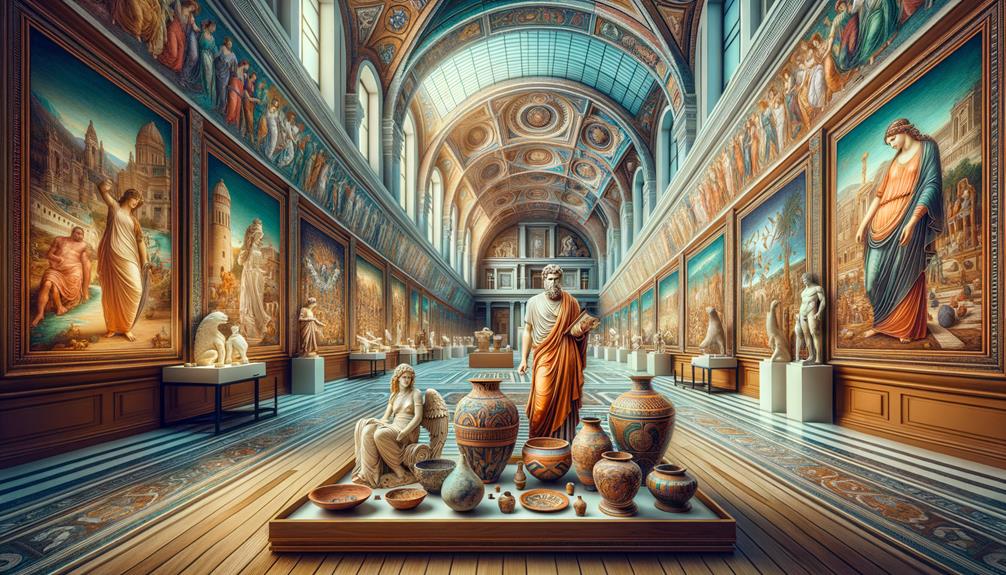
Potenza’s museums offer a focused look at the history and culture of the Basilicata region. My first stop was the Museo Archeologico Nazionale (National Archaeological Museum), where the collections trace the story of the area from prehistory onward. Walking through the exhibits, I found the pottery and jewelry recovered from local archaeological sites genuinely compelling, objects that connect directly to the people who lived here long before the city took its current form.
- Ancient Artifacts: Well-preserved relics spanning the prehistoric era.
- Roman History: Statues and mosaics reflecting the influence of Roman civilization in the region.
- Local Culture: Objects and displays exploring the traditions and heritage of Basilicata.
The Diocesan Museum is another worthwhile stop, its religious artifacts, vestments, sacred art, and devotional objects, reflecting the deep spiritual history of the region. Check the official sites for current opening hours before visiting, as these can change.
Each museum visit felt like working through the layers of a place that has been continuously inhabited and repeatedly remade, an experience that makes Potenza’s present feel more legible.
Economic Contributions
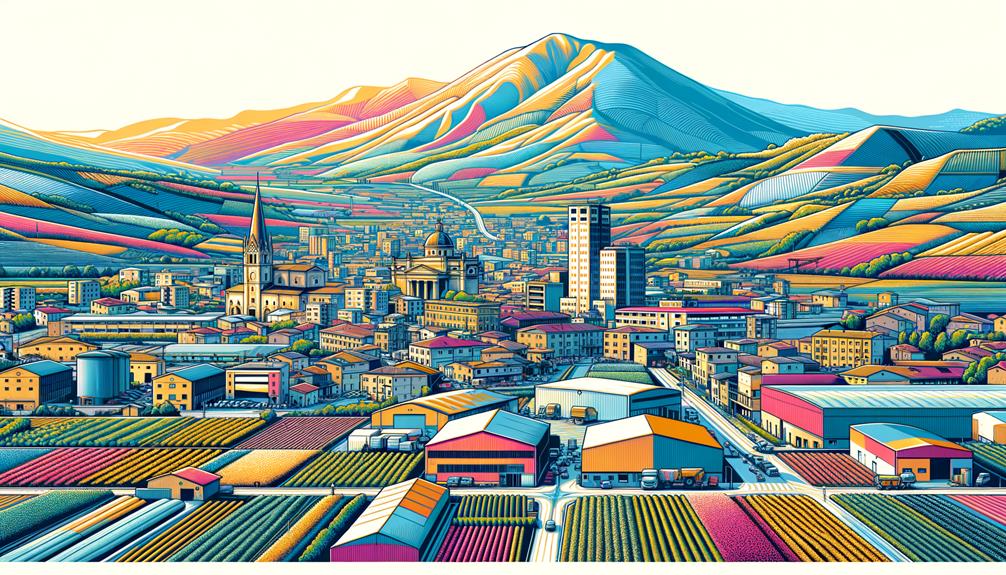
After time spent in Potenza’s museums, I found myself noticing the city’s economic life with fresh eyes. As the capital of Basilicata, Potenza functions as the region’s administrative and commercial hub, its position in the Apennines shaping both its challenges and its connections to surrounding areas.
One of my favorite finds was Potenza's role as a railway junction on the Salerno-Taranto line. This spot not only boosts the movement of goods and people but also highlights the city's role in linking Basilicata with wider markets. The constant activity of the railway is a clear reminder of Potenza's dynamic economic scene.
Local administration plays a visible role in the city’s development, and the investment in public infrastructure is evident in the historic center. Potenza’s economic life is shaped by its position as a regional capital, a function that sits alongside, rather than apart from, its cultural identity.
Agricultural Significance

Basilicata’s agricultural landscape is well represented at Potenza’s local markets, where fresh produce reflects the region’s fertile soil and favorable growing conditions. The variety on offer, from vegetables and fruit to preserved goods, gives a clear sense of what the surrounding countryside produces.
- Olive groves: A significant source of quality olive oil across the Basilicata region.
- Vineyards: Basilicata’s wine production, including the Aglianico del Vulture DOC from the Monte Vulture area, has a strong regional reputation.
- Orchards: A range of fruits and nuts reflecting the region’s diverse agricultural output.
I often find myself drawn to the olive oil stands at local markets, where the quality of the oil is immediately apparent. The region’s wine tradition runs deep, particularly around Monte Vulture in northern Basilicata, where volcanic soils produce grapes with distinctive character. In Basilicata, agriculture is woven into daily life in a way that’s easy to appreciate even as a visitor.
Picturesque Landscapes
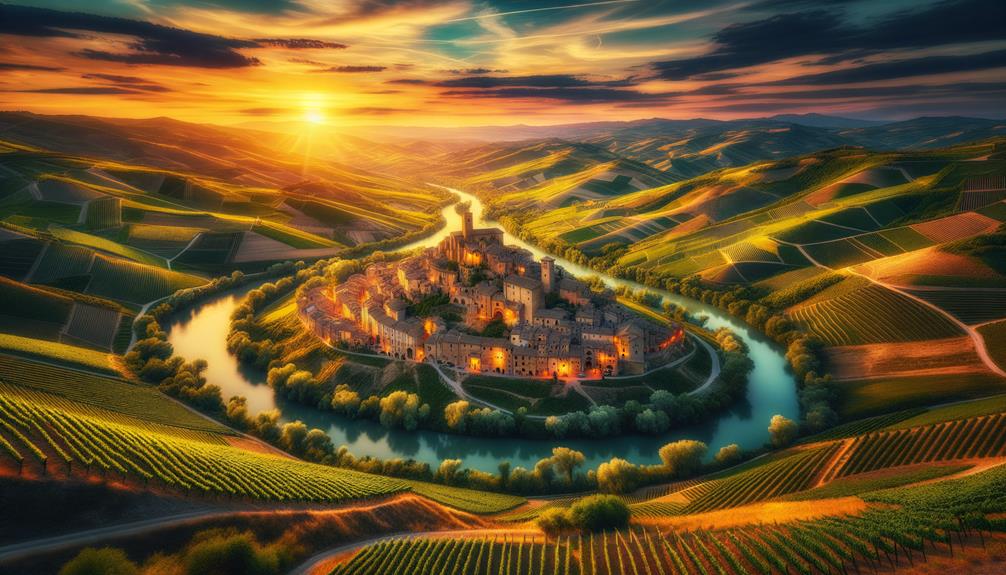
Walking through the rolling hills and ancient villages of Basilicata, I found myself pausing constantly at the views. The landscapes here are genuinely arresting, fields of sunflowers, terraced vineyards, and hilltop settlements that look as though they’ve grown out of the rock. Nature and history are hard to separate in this part of southern Italy.
One of the highlights was finding a hidden valley that felt far removed from the main roads. The air carried the scent of wildflowers, and the rugged mountains, often wrapped in low cloud, created an atmosphere that was both dramatic and oddly calming.
The locals speak about their connection to the land with real feeling, and it’s easy to understand why. Each hill and valley carries traces of the people who have worked and lived here across the centuries. Basilicata’s landscapes invite slow travel, the kind where you stop, look around, and let the place settle.
Must-Visit Destinations
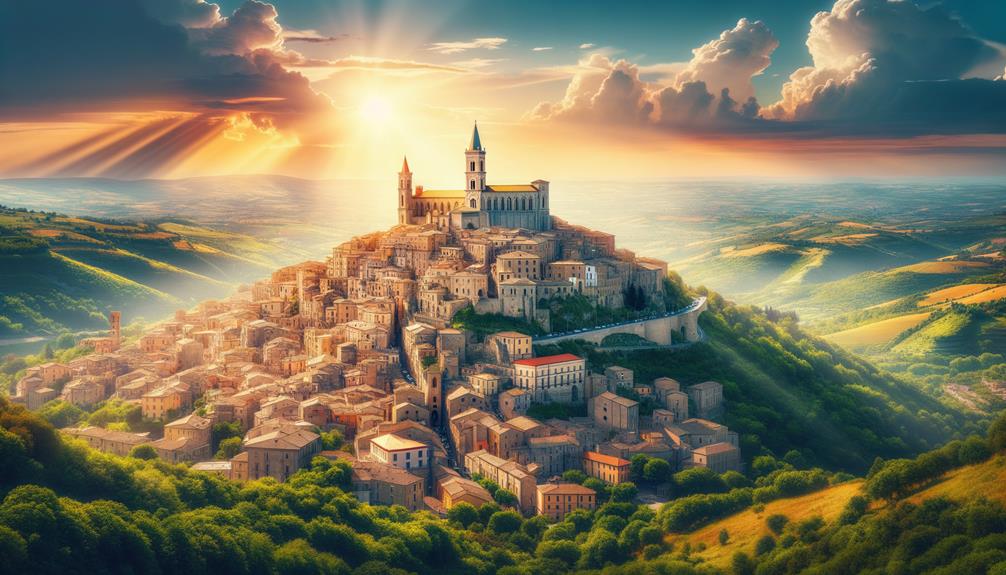
As I moved through Basilicata’s landscapes, Potenza’s historic sites drew me back repeatedly, each with its own distinct character. The Cathedral of San Gerardo was a natural first stop, a 12th-century structure with 18th-century renovations, dedicated to the city’s patron saint, its interior quietly absorbing after the bustle of the streets outside.
Next, I visited the Chiesa di San Francesco. Founded in 1274, it houses the De Grasis sepulcher and a Byzantine-style Madonna that has been venerated here for centuries. The combination of Gothic architecture and older devotional art makes it one of the more layered spaces in the city.
To get a real sense of Potenza's past, I visited Palazzo Loffredo. This 17th-century palace, now a museum, offered fascinating insights into the region's cultural heritage.
- Torre Guevara: The sole surviving remnant of Potenza’s medieval castle, now used for art exhibitions.
- Chiesa di San Michele Arcangelo: A church noted for its religious art; check the parish directly for current programming and visiting hours.
- Palazzo Loffredo: A 17th-century palace turned museum, offering insight into the region’s history and material culture.
Potenza’s appeal lies in these surviving landmarks, each carrying a piece of a history that has been repeatedly tested and rebuilt.
Frequently Asked Questions
What Is the Basilicata Region Well Known For?
Basilicata draws visitors with its dramatic landscapes, distinctive local cuisine, and deep historical roots. I’ve enjoyed exploring Potenza’s historic center, tasting regional dishes like lagana, and discovering the area’s lesser-known cultural sites, the kind of place that rewards those willing to look beyond the more obvious southern Italian destinations.
What Is Potenza Italy Famous For?
Potenza is known as the highest regional capital in Italy by elevation, and its historic center along Via Pretoria preserves notable medieval and Baroque landmarks. I was drawn to its Byzantine-influenced religious art, the lively atmosphere around Piazza Mario Pagano, and traditional dishes like lagana, a city with more depth than its modest profile might suggest.
Is Potenza, Italy Worth Visiting?
Yes, Potenza is worth the detour. I spent time in the historic center, visited the 12th-century cathedral, and ate well on local food including lagana. The city has an unhurried quality, and the combination of surviving medieval landmarks and the surrounding Apennine scenery makes for a satisfying stay.
Is Potenza Worth Seeing?
Potenza is an underrated stop in southern Italy. Walking its cobblestone streets through the historic center gives a genuine sense of the city’s long history, and the surrounding Apennine landscape adds a natural dimension that many visitors overlook. Local festivals and a strong food culture round out the experience.