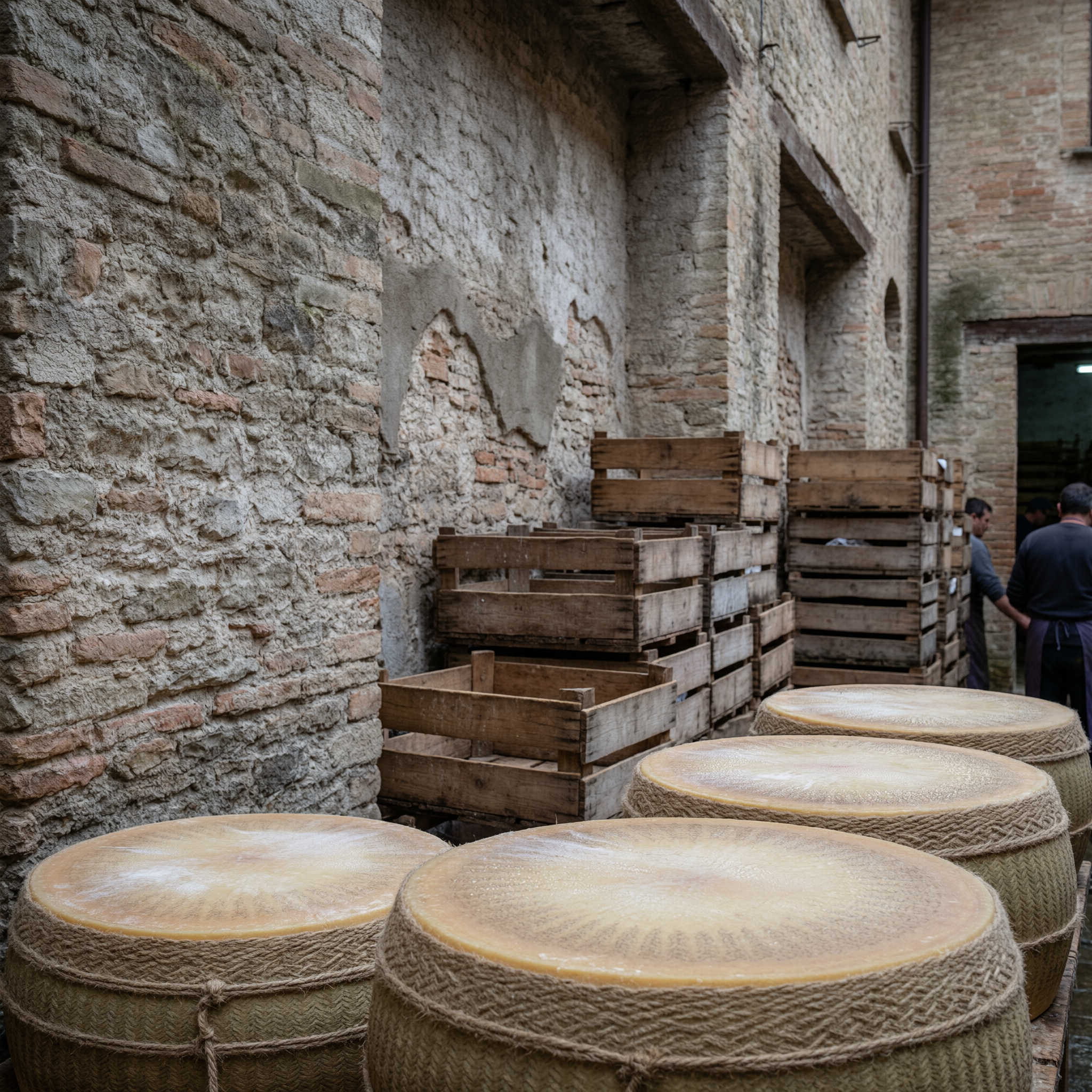
Parma has always fascinated me with its blend of tradition and flavor. Walking through a Parmigiano Reggiano dairy, the smell of aging cheese is both inviting and intriguing. Watching the artisans at work, their dedication to perfection is evident as they inspected each wheel meticulously before it earned its branding. The tours offer more than just a taste; they provide insight into the detailed process behind each bite. The suggested pairings really enhanced the experience. So, how do you pick the right tour?
Before you go: Visitor details can change. Check Book a guided tour – Parmigiano Reggiano Consortium and Guided tour of the cheese factory and tasting of Parmigiano Reggiano before you go.
The Charm of Parma
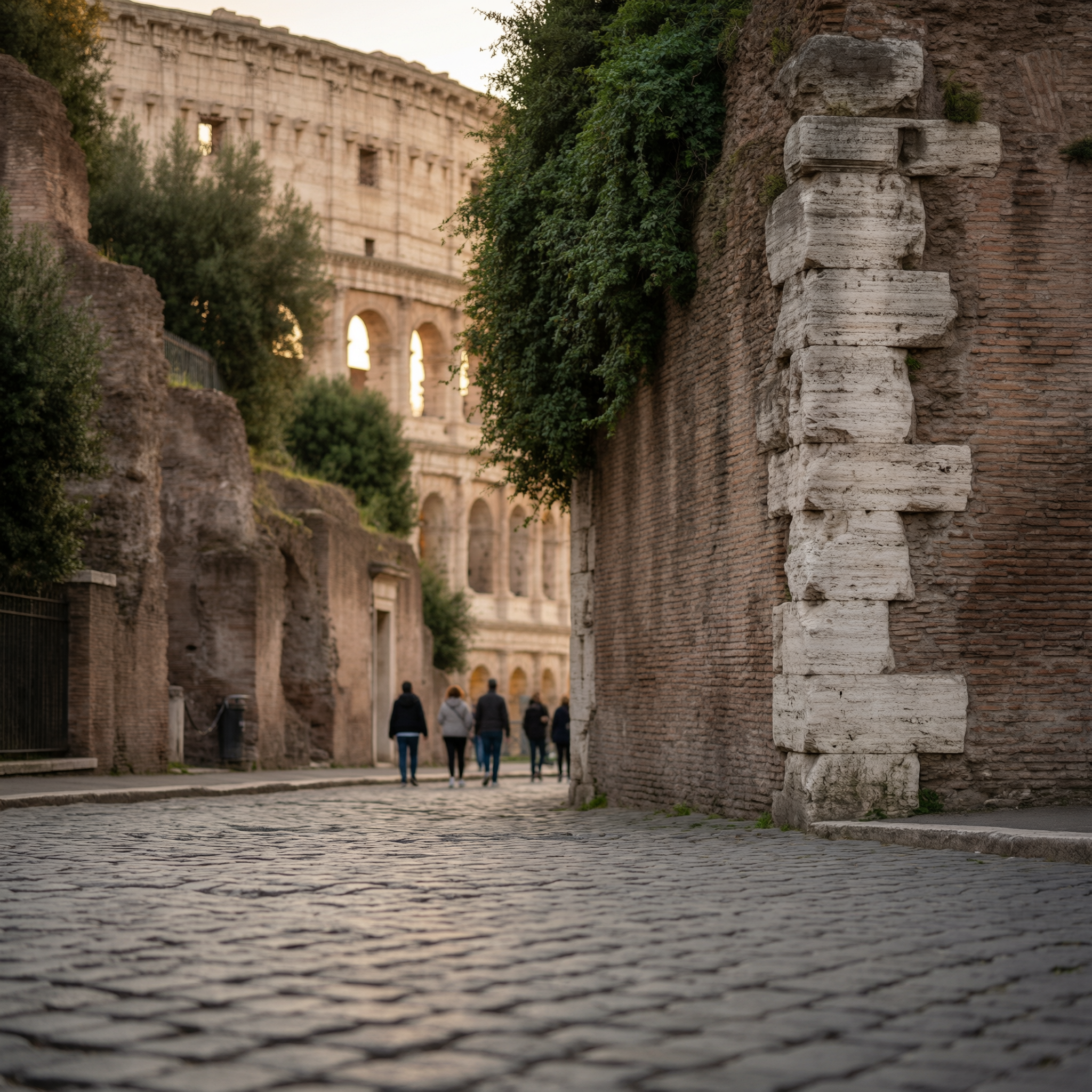
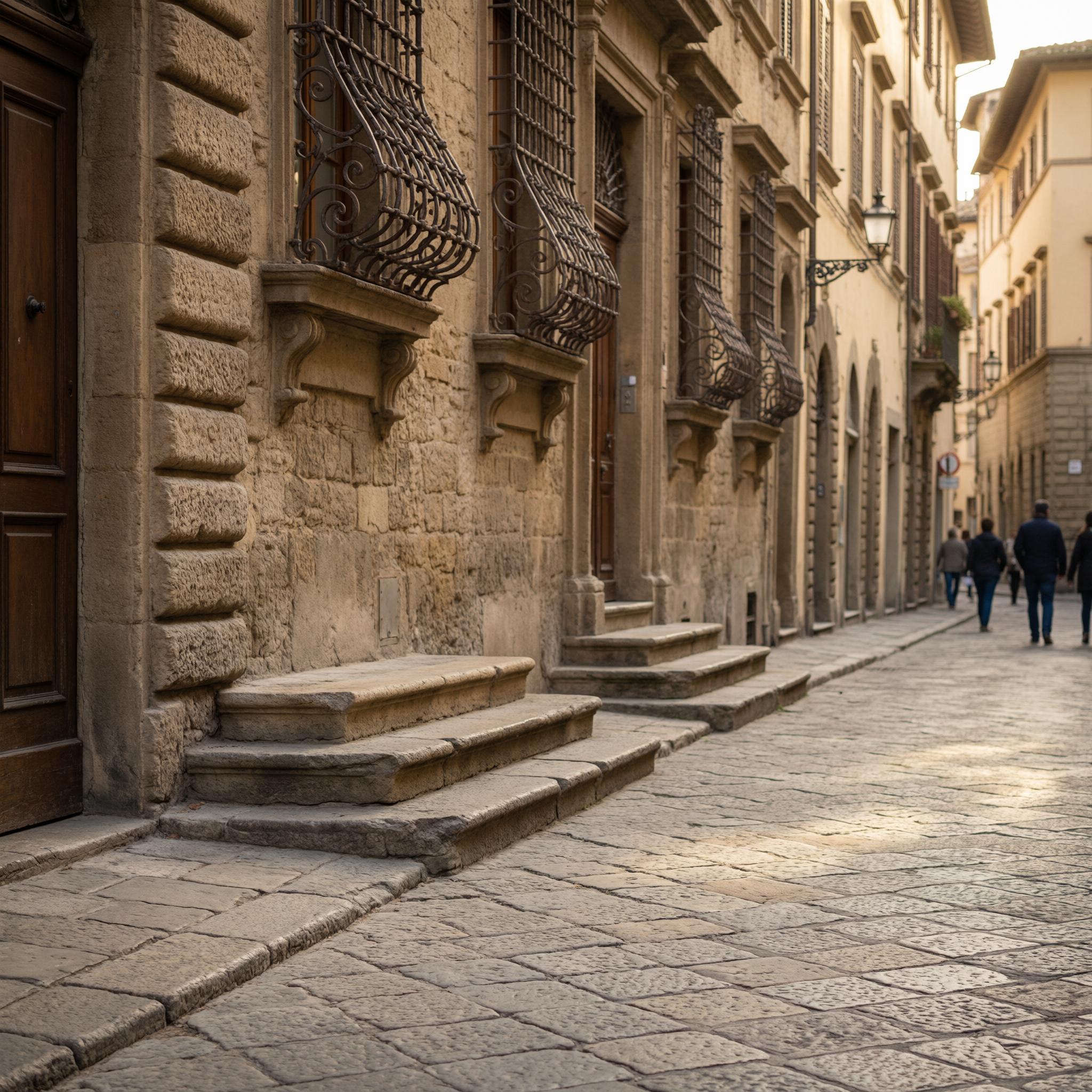
Who could resist the pull of Parma, a city where history, culture, and the rich aroma of Parmigiano Reggiano come together so perfectly? As I walked along the cobblestone streets, Parma’s charm wrapped around me. The air was filled with the scent of aged cheese, tempting everyone nearby. This city, in the heart of Italy, offers a delightful mix of timeless beauty and culinary treats.
In Parma, Parmigiano Reggiano is more than just cheese; it’s a tradition. Made from simple ingredients—milk, salt, and rennet—it undergoes a careful process. You can visit dairies to see the cheese being cooked, molded, and salted. Watching the wheels of Parmigiano Reggiano mature in large, temperature-controlled rooms is fascinating. Each wheel is tended to every day, waiting to reach its peak flavor; the minimum aging period is 12 months, though most wheels considered at their best have matured for 24 months or more.
Parma’s commitment to quality shines through with every bite of Parmigiano Reggiano. As I roamed the city, I felt a strong connection to a culinary tradition that has thrived for nearly a thousand years. This isn’t just a place to see; it’s a place to experience and savor.
History of Parmigiano Reggiano
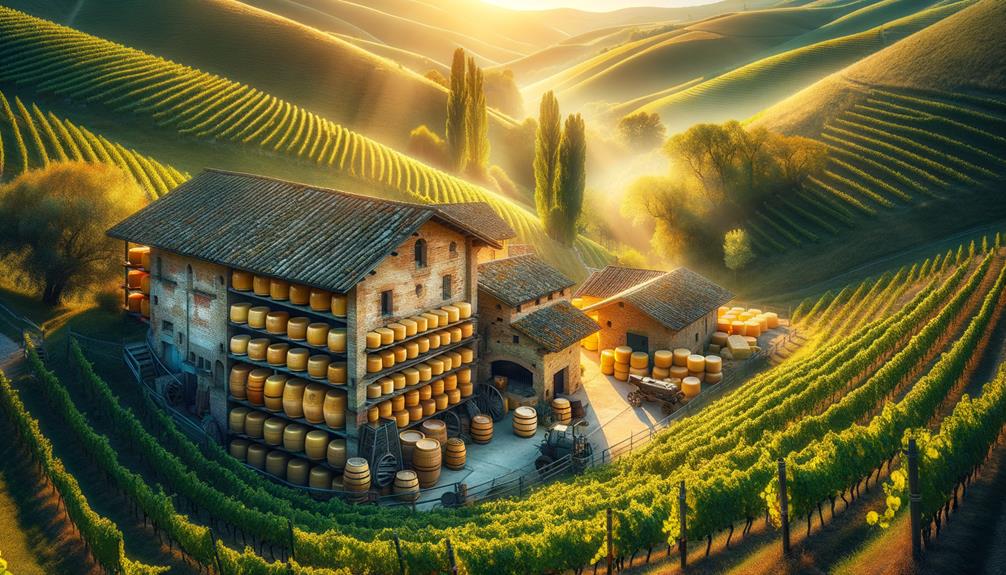
Strolling through Parma, I found myself pondering how this historic city became known for Parmigiano Reggiano, a cheese that has delighted people for nearly a thousand years. The story of Parmigiano Reggiano is as rich and complex as the cheese itself. It began in the medieval monasteries of Parma and Reggio Emilia, where monks first perfected its production. Using just milk, salt, and rennet, they created a cheese that would endure through the ages.
As I wandered the cobblestone streets and admired the ancient buildings, I thought about the dedication and skill needed to craft this renowned cheese. Wheels are aged for a minimum of 12 months, with many maturing for 24 months or beyond—and some reaching 36 months or more as stravecchio—before undergoing strict quality checks. Only the finest wheels earn the hot-iron branding from the Consorzio del Formaggio Parmigiano Reggiano.
The aging rooms, where the cheese wheels rest and are carefully tended to, showcase the artistry involved in making Parmigiano Reggiano. This unique process, deeply connected to the land and its people, has maintained a tradition that continues to inspire and satisfy.
The Cheese-Making Process
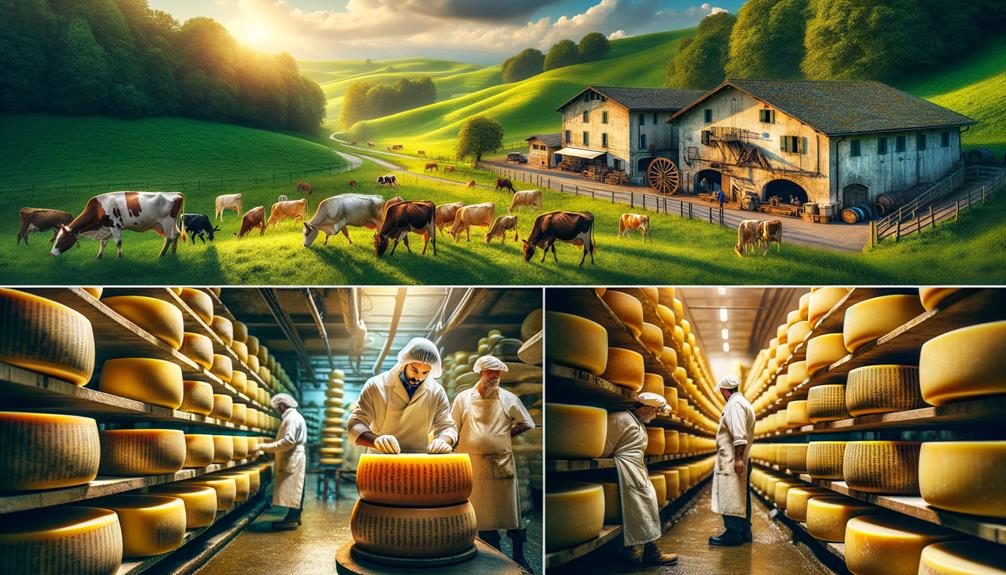
Watching the cheese-making process up close was fascinating. The attention to detail in each step—from following age-old recipes to the careful aging and maturing—showcases the skill of the artisans. Strict quality control ensures that every wheel of Parmigiano Reggiano lives up to the high standards established by generations of cheese makers.
Traditional Cheese Recipes
In the heart of Parma, the meticulous process of making Parmigiano Reggiano starts with selecting and heating fresh milk. Watching the cheese makers work is truly impressive. The milk is warmed in large copper vats, and rennet is added to thicken it. Once it curdles, the mixture is cut into tiny pieces, cooked, and then shaped into the famous cheese wheels.
The wheels are then soaked in a salt brine, which gives them their unique flavor. This step is crucial for developing the distinct taste of Parmigiano Reggiano. The care and attention given to each wheel are evident; the process is as much about passion as it is about precision.
- Watch how the copper vats are used to heat the milk.
- Observe the curd being cut and cooked.
- Learn why the salt brine is so important.
- See the cheese wheels being formed and shaped.
The dedication and craftsmanship in Parma’s cheese making are truly inspiring. It’s a farm-to-table journey rich in tradition and care.
Aging and Maturing Process
The moment the cheese wheels entered the maturation room, they began a careful aging process that turns them into the Parmigiano Reggiano we know. As I watched, the massive wheels sat on wooden shelves, each one destined to develop its own depth of flavor. The room was cool and dark, filled with the earthy scent of aging cheese.
Every day, experts tend to these wheels, rotating them with precision to ensure even aging. This careful rotation prevents unwanted mold from forming and helps the cheese develop its characteristic granular texture. Each wheel is treated with the attention of a living thing, nurtured over months—sometimes years.
The aging process requires patience. Wheels destined for the standard designation mature for a minimum of 12 months, though 24 months is widely considered the point at which the cheese reaches its best flavor. Some are left for 36 months or more, adding further complexity. Every turn, every movement, is part of a process that draws out the rich, nutty character of Parmigiano Reggiano.
It’s clear that the journey from milk to aged cheese is an art form. Each wheel tells a story of time, care, and tradition, ending in the beloved Parmigiano Reggiano.
Quality Control Standards
Walking through the cheese-making facility, I couldn’t help but admire the careful attention to detail that ensures each wheel of Parmigiano Reggiano meets exacting standards. The journey begins with fresh milk being cooked, moulded, and salted, demanding precision at every stage.
In the maturation rooms, rows of cheese wheels rest under the vigilant eyes of dedicated experts. These wheels go through rigorous tests to confirm they meet the strict standards set by the Consorzio del Formaggio Parmigiano Reggiano. The maturation process—lasting at least 12 months, and typically 24 months for the most prized wheels—is crucial. Every day, the wheels are carefully turned and assessed for the right degree of ripeness.
Before they’re branded with a hot iron, each wheel undergoes a thorough quality check, including the traditional battitura—a technique in which inspectors tap the wheel with a small hammer to detect any internal defects by sound. Only those that pass these stringent tests earn the Parmigiano Reggiano designation. This quality control process isn’t just about keeping up tradition; it’s about preserving what makes Parmigiano Reggiano unique and irreplaceable.
- Watch master cheese makers at work
- Learn about the cooking, moulding, and salting stages
- Experience the rigorous quality checks firsthand
- Understand the importance of the maturation process
Selecting the Right Tour
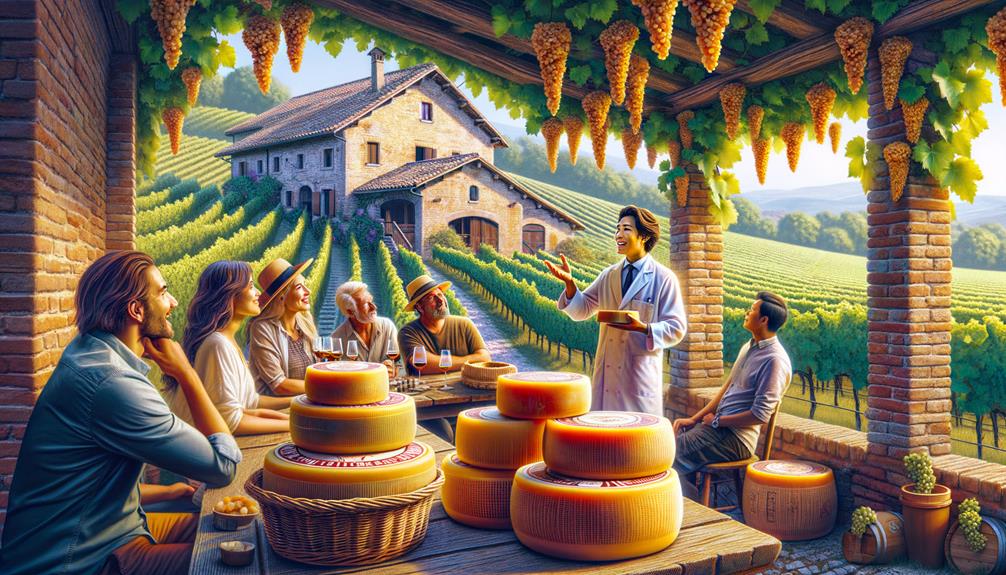
Picking the ideal Parmigiano Reggiano tour depends on several factors: duration, cost, language options, and the kind of experience you’re after—such as visiting a traditional dairy or enjoying a wine pairing. The best starting point is the Parmigiano Reggiano Consortium’s guided tour portal, which lists verified dairies offering morning tours of production facilities, aging rooms, and tastings. Some operators offer in-depth, English-language tours of several hours that walk you through every stage of the cheese-making process.
If you prefer an all-in-one outing, some small-group tours include transport from Bologna and multiple tastings along the way—worth considering if you’d rather not drive through the countryside yourself. The Consortium portal is the most reliable place to compare what’s currently available, as individual tour offerings and availability change. Prices vary by operator and group size; check the official site or a reputable booking platform before visiting for current rates.
For those who enjoy combining food with outdoor activity, some operators pair a dairy visit with a cycling route through the Po Valley. Each option has something distinct to offer, so it’s worth reading the itinerary carefully to find one that matches your interests.
Timing Your Visit
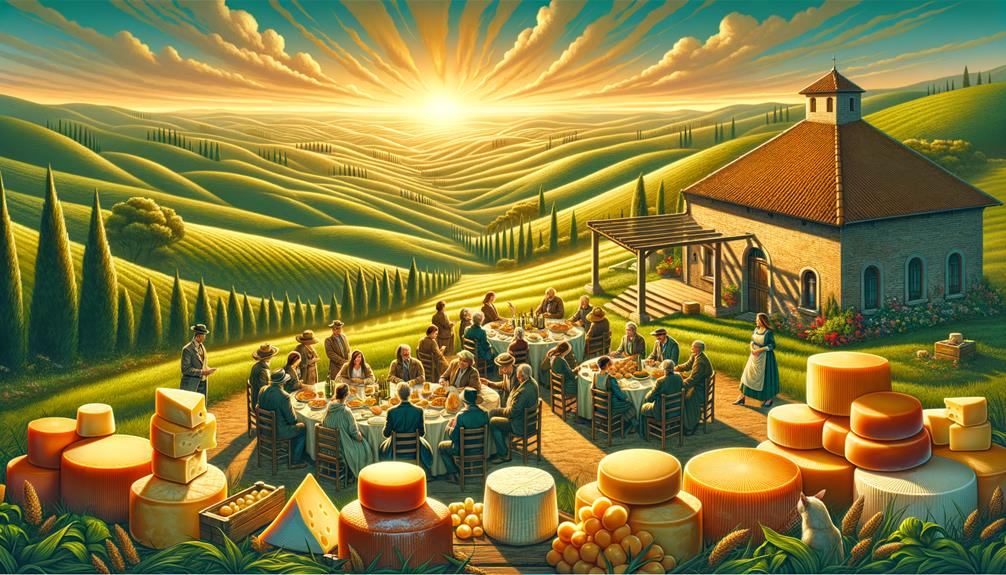
Timing your visit to a Parmigiano Reggiano tour can significantly shape the experience. To see the cheese-making process at its most active, aim for the early morning, when the factory is busy with the day’s first batch. Arriving early lets you catch the milk delivery, curd cutting, and the transformation of raw ingredients into those famous golden wheels.
Spring and autumn are particularly good times to visit. The weather is pleasant, and the countryside around Parma is at its most appealing, adding to the overall experience. The fresh milk from cows grazing on lush pastures during these seasons is also said to influence the flavor of the finished cheese.
Here are some tips to make the most of your visit:
- Book a few days ahead: This is recommended to secure your preferred time slot, though requirements vary by dairy.
- Arrive early: This way, you can see the cheese-making process from start to finish.
- Choose spring or autumn: Enjoy the best weather and attractive scenery.
- Sample different ages: Taste Parmigiano Reggiano at various stages of maturity, along with delicious ricotta and honey.
Timing truly shapes the quality of a Parmigiano Reggiano tour.
Navigating the Dairy Farms

As I drove through the countryside’s winding roads, the charm of the dairy farms greeted me warmly. Meeting local farmers gave me insight into their daily routines and dedication to making Parmigiano Reggiano. Watching the cheese production process, I was impressed by their careful attention to each step, from milking the cows to aging the cheese wheels.
Meeting Local Farmers
As I made my way through the dairy farms nestled in the picturesque countryside, I looked forward to meeting the local farmers and learning about the time-honoured methods behind Parmigiano Reggiano production. The rolling fields and crisp air made for an ideal backdrop. Every dairy I visited had a strong bond between its farmers and the cheese they produced, with a clear commitment to traditional techniques.
Upon arriving at one of the dairies, I noticed the farmers hard at work, their hands reflecting years of commitment. They greeted visitors warmly, eager to share their passion and expertise. The sight of cows grazing peacefully in the fields, alongside the steady hum of milking machines, painted a vivid picture of rural life.
- Check with dairies ahead of time to confirm tour availability.
- Consider taking a taxi due to the remote locations of many dairies.
- Use the Consortium’s tour booking page to find verified dairies near Modena or Parma, as individual dairy listings are updated regularly.
- Ask questions about the history and process of Parmigiano Reggiano directly from the experts on site.
Meeting these farmers offers a genuine glimpse into the essence of Parmigiano Reggiano, making the journey truly memorable.
Exploring Cheese Production
As I stepped into the world of cheese production, I was immediately greeted by a blend of sights, sounds, and smells. The dairy farms where Parmigiano Reggiano is made are steeped in tradition and history. Cows roam freely on green pastures, their milk the foundation of this iconic cheese. The farms are a testament to generations of skilled craftsmanship.
Walking through the barns, it was clear how much care and attention the farmers put into their work. Fresh, unpasteurized milk is collected twice a day to preserve its rich flavor. Watching the milk turn into curds, then being cut and molded, it was easy to anticipate the tastings that lay ahead.
The aging rooms were a feast for the senses too. Stacks of cheese wheels were meticulously checked and turned, filling the air with the earthy, nutty scent of aging Parmigiano Reggiano. Each phase of the process, from milking to aging, is steeped in tradition and passion.
In those moments, I felt a deep connection to the land and its timeless cycles. Visiting these dairy farms is a tribute to heritage and taste.
Tasting Techniques
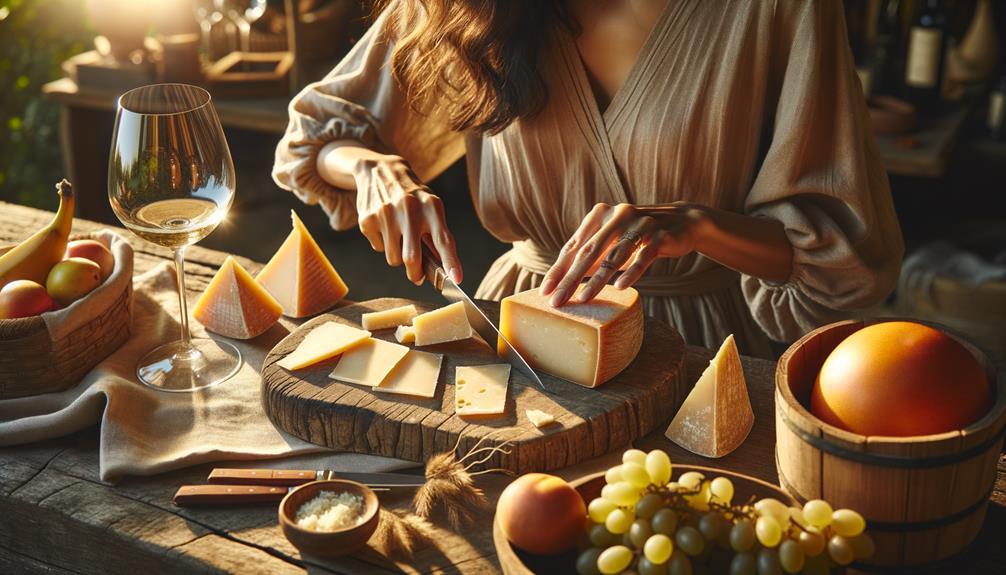
Tasting Parmigiano Reggiano is a sensory experience, with every detail—from its golden color to its rich aroma—adding to the pleasure of this exceptional cheese. The texture and flavor tell a story, ranging from fruity and floral to nutty and savory. Age plays a significant role: younger Parmigiano Reggiano is milder and creamier, while longer-aged varieties develop a more pronounced, granular texture.
To truly appreciate Parmigiano Reggiano, I’d recommend taking small pieces and letting them dissolve slowly in your mouth. This allows the complex flavors to unfold naturally, revealing layers that are both intricate and harmonious. The optimal temperature for tasting is between 20°C and 24°C (68°F to 75°F), which best showcases the cheese’s natural aromas and flavors.
Here’s a simple guide to appreciating it fully:
- Look at the color: A golden hue indicates good quality.
- Feel the texture: Younger cheese is creamier, while older cheese is more granular.
- Smell the aroma: Notice the rich, savory scent that rises from the cheese.
- Taste it slowly: Let small pieces dissolve to appreciate the full flavor profile.
Pairing Suggestions
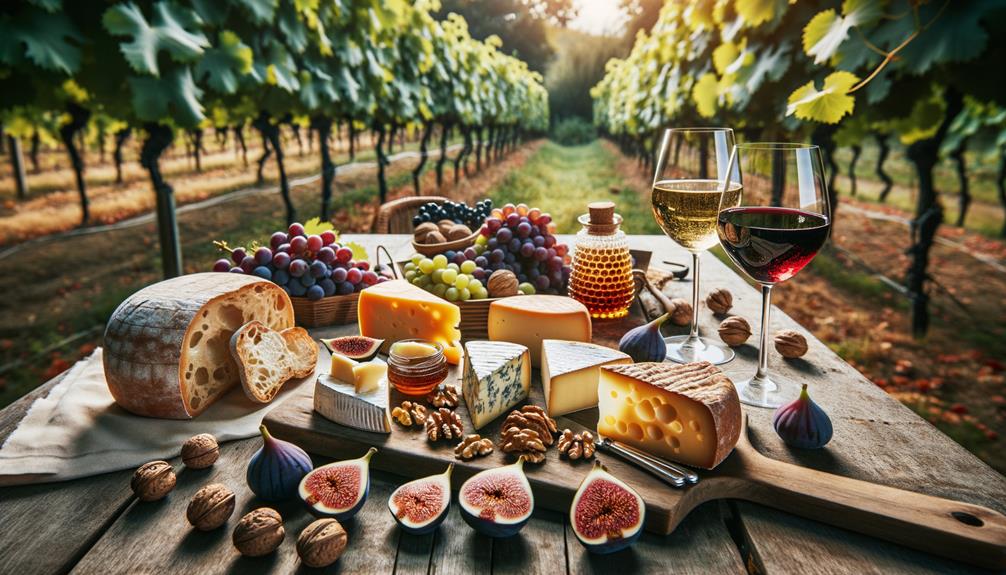
Pairing Parmigiano Reggiano with the right accompaniments can really make its nutty richness shine. Personally, I find a good red wine does the trick. Adding sweet figs and crunchy walnuts also brings a pleasing contrast. Here are some combinations worth exploring to enrich your tasting experience.
Wine and Parma Cheese
Pairing wine with Parmigiano Reggiano can turn a simple tasting into an unforgettable experience, especially when a sparkling red Lambrusco brings out the cheese’s nutty and fruity flavors. Imagine savoring a piece of aged Parmigiano Reggiano, its granular texture melting into rich, umami goodness. A sip of Lambrusco follows: its bubbles cut through the cheese’s richness, creating a satisfying balance on the palate.
For a more indulgent combination, try slices of Prosciutto di Parma alongside Parmigiano Reggiano with a glass of Chianti. The prosciutto’s saltiness pairs well with the cheese’s nuttiness, while the Chianti’s tannins add a refreshing contrast. If you’re in the mood for something sweet, a 24-month-aged Parmigiano Reggiano goes beautifully with Moscato d’Asti, blending savory and sweet notes seamlessly.
Choose Lambrusco: Enhances Parmigiano Reggiano’s nutty and fruity flavors.
Try Chianti: Works well with both Parmigiano Reggiano and Prosciutto di Parma.
Opt for Moscato d’Asti: A natural match for 24-month-aged Parmigiano Reggiano.
Match age: Younger cheeses with lighter wines, older with more structured ones.
With these pairings, your Parmigiano Reggiano tasting will be well worth savoring.
Fruit and Nut Pairings
Imagine biting into a crisp apple slice, its sweetness balancing the nutty richness of Parmigiano Reggiano. It’s a pleasing combination, where the fresh, juicy apple draws out the cheese’s complex, savory flavors. Try pairing the cheese with the earthy crunch of almonds or the mild sweetness of pistachios—each nut highlights different aspects of Parmigiano Reggiano’s umami character.
Dried fruits like apricots and prunes offer another tasty contrast. The chewy sweetness of an apricot complements the crumbly, salty bite of aged Parmigiano Reggiano. And figs? Their jammy sweetness pairs particularly well with the cheese’s depth of flavor. Here’s a quick guide to some worthwhile pairings:
| Fruit/Nut | Characteristics | Pairing Notes |
|---|---|---|
| Apples | Crisp and sweet | Highlights nutty richness |
| Pears | Juicy and fresh | Complements savory notes |
| Apricots (Dried) | Chewy and sweet | Balances salty, aged flavors |
| Figs | Sweet and jammy | Contrasts with crumbly texture |
| Almonds | Earthy and crunchy | Brings out umami taste |
| Hazelnuts | Rich and toasty | Adds depth to the creaminess |
| Pistachios | Nutty and slightly sweet | Complements rich, savory flavors |
Each pairing enhances the Parmigiano Reggiano experience, making every bite a journey of flavors and textures.
Booking Your Tour
Booking Your Tour
To secure your spot on a Parmigiano Reggiano tour, booking a few days ahead is recommended to secure your preferred time slot, though requirements vary by dairy. The Parmigiano Reggiano Consortium’s guided tour portal is the most reliable place to browse verified dairies and make a reservation. Prices vary by operator and group size; for reference, a guided factory tour with tasting has been listed at around €39.60 for two adults, though rates change, so check the relevant site before booking. Child rates and group discounts, where available, will be listed by the individual operator.
As you finalize your booking, you can almost anticipate the rich, nutty flavor of Parmigiano Reggiano. The tour typically includes a visit to the cheese factory, an overview of the manufacturing process, and a walk through the aging warehouse. Some operators also offer an optional visit to a dairy farm for a closer look at where it all begins.
- Book ahead to confirm availability and secure your preferred time.
- Check group sizes for the best rates.
- Ask about child rates and any available discounts when booking.
- Consider the optional dairy farm visit for a fuller experience.
This journey is more than just a tour—it’s an exploration of tradition and taste.
Insider Tips
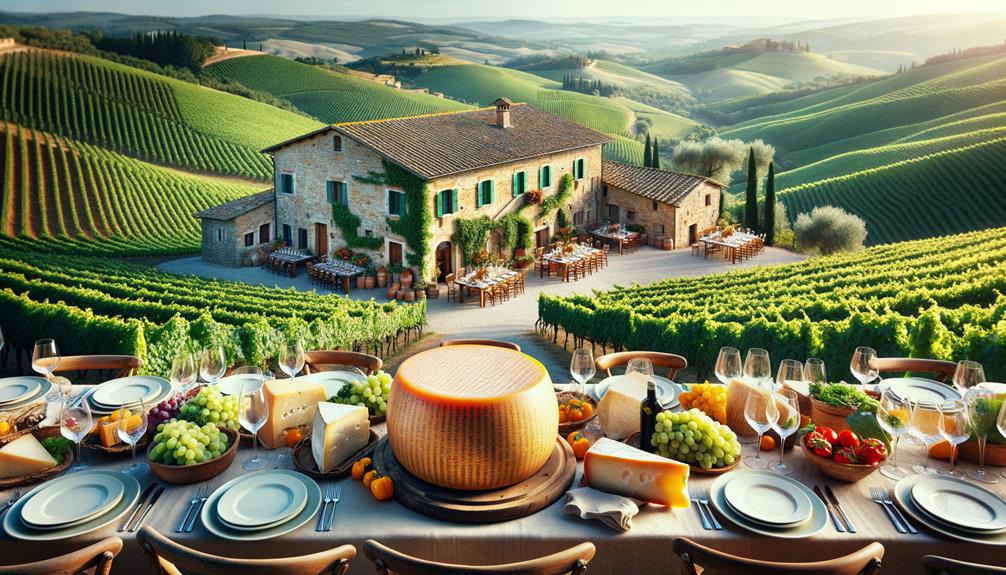
To make the most of your Parma cheese tasting tour, arrive early. This gives you time to enjoy the peaceful countryside and chat with the local artisans before the official tour begins. The early morning light beautifully illuminates the rolling hills, making it a good moment for photos and a breath of fresh air.
During the tasting, being in a smaller group tends to be more rewarding. You’ll have the chance to ask the cheese makers detailed questions and, at some dairies, even participate in steps of the production process. The smell of freshly cut cheese is something you won’t forget.
| Tip | Description |
|---|---|
| Arrive Early | Enjoy the peaceful countryside and meet the artisans. |
| Small Groups | Allows for a more personal and interactive tour. |
| Ask Questions | Learn more about the detailed cheese-making process. |
| Photography | Capture the beautiful landscapes around you. |
| Savor Slowly | Take your time to appreciate each flavor. |
Following these tips will help make your Parma cheese tasting tour a memorable one. Take it slow and immerse yourself in the moment.
Frequently Asked Questions
What Is the Parma Cheese and Vinegar Tour?
Some operators in the Parma region offer combined tours that take in both a Parmigiano Reggiano cheese factory and a traditional balsamic vinegar producer. These typically last several hours, include tastings paired with wine, and are led by a knowledgeable guide. Check the Consortium’s tour portal or a reputable booking platform for currently available options, as specific tours and their availability change.
Where Is the Parmesan Factory in Italy?
Parmigiano Reggiano is produced across a defined zone in northern Italy that includes the provinces of Parma, Reggio Emilia, Modena, and parts of Mantua and Bologna. You can visit working dairies throughout this area to see the cheese-making process firsthand. The Consortium’s booking portal lists dairies open to visitors across the region.
Is Costco Parmesan From Italy?
Costco’s Parmesan cheese is not imported from Italy. It is produced in the United States and does not carry the Parmigiano Reggiano PDO designation. While the production process may draw on similar techniques, the ingredients, aging period, and geographic origin differ from the Italian original, which is why it is sold at a lower price point.
Does Parmesan Cheese Have to Be From Parma?
True Parmigiano Reggiano carries a Protected Designation of Origin (PDO) and must be produced within a specific zone in northern Italy—covering the provinces of Parma, Reggio Emilia, Modena, and parts of Mantua and Bologna—using strictly defined methods. Cheese made outside this zone cannot legally be sold as Parmigiano Reggiano within the European Union, ensuring that the name guarantees both origin and quality.