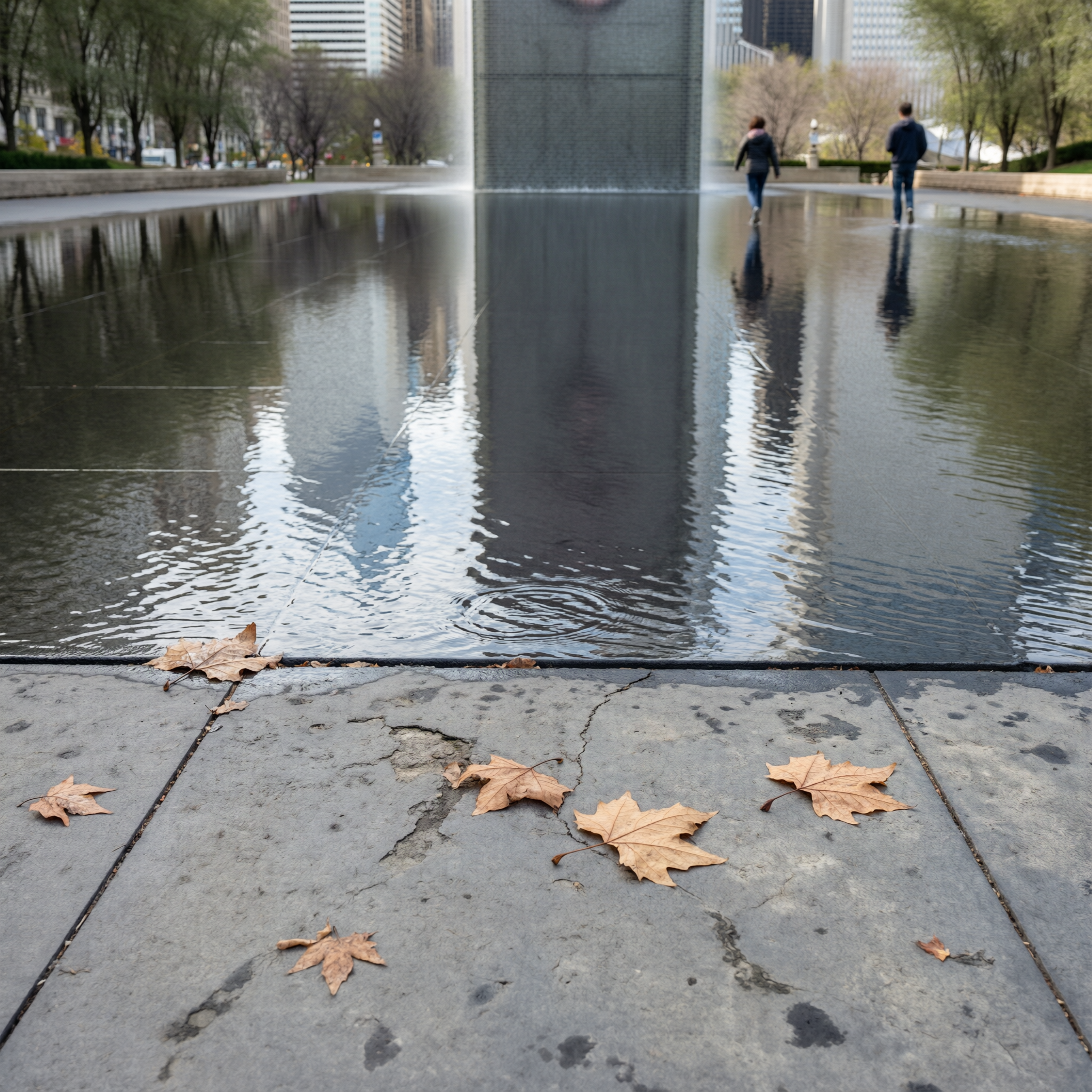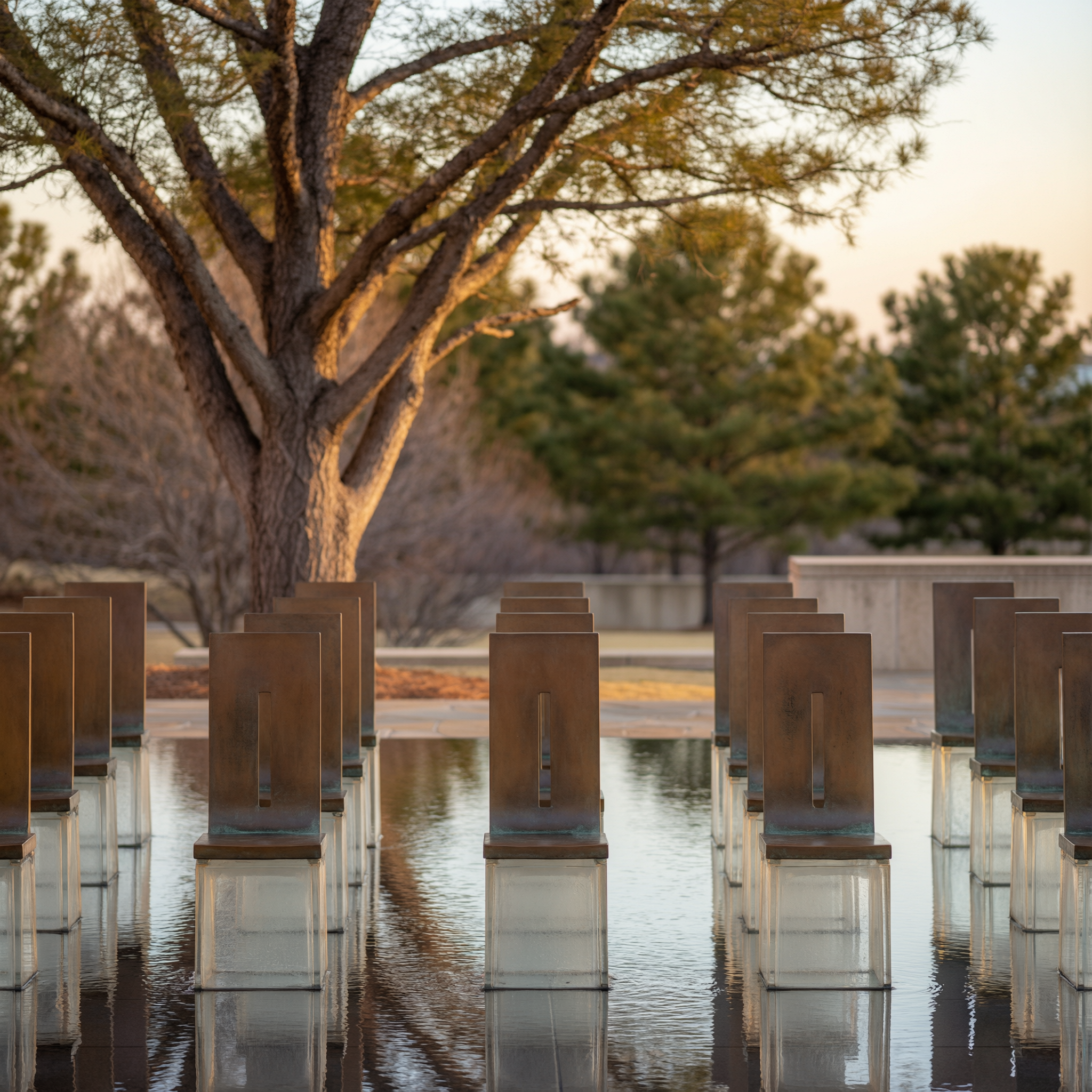
Stepping into the Oklahoma City Memorial, I felt like I entered a space where time stood still to honor a profound loss. As I walked past the Reflecting Pool and the Field of Empty Chairs, each element whispered stories of resilience and remembrance. The Survivor Tree stood tall, symbolizing enduring hope amidst tragedy. I couldn’t help but feel a deep connection to the lives affected by the 1995 bombing. What struck me most was how the memorial seamlessly weaves together history and personal narratives, inviting each visitor to engage in a unique way.
Before you go: Visitor details can change. Check Get Tickets – Oklahoma City National Memorial & Museum and Oklahoma City National Memorial & Museum before you go.
Plan Your Visit
Planning your visit to the Oklahoma City Memorial is a chance to engage deeply with a poignant chapter of history through interactive exhibits and immersive storytelling. As I walked through the outdoor symbolic memorial, I felt the weight of the past merge with the resolve of the present. The serene reflection pool, flanked by the bronze Gates of Time, invites contemplation, while the Field of Empty Chairs stands as a stark tribute to lives lost.
Inside the museum, the interactive touchscreens and immersive galleries drew me further into the narrative. Each exhibit unfolded a piece of the story, making history come alive in a way that’s both educational and deeply moving. The Stronger Together App, the official mobile app for the Oklahoma City National Memorial & Museum, offers enhanced walking tours, interactive content, and augmented reality features.
With free parking included in admission, my visit was hassle-free, allowing me to focus fully on the memorial. It’s heartening to know that school groups can access personalized educational experiences here, ensuring that young minds understand the significance of this historical event. Whether you’re alone or with a group, the Oklahoma City Memorial offers a powerful journey through history, and I found it deeply moving.
Getting Here
Arriving at the Oklahoma City National Memorial & Museum is straightforward. Free parking is available with paid Museum admission at the Memorial Parking Garage, located at the corner of NW 6th and Harvey Ave. Entry to the garage is on Harvey Ave. just north of 6th. Without Museum admission, the garage costs $5 per hour and closes at 7:00 PM.
The memorial’s central location at 620 N. Harvey Avenue, Oklahoma City, OK 73102, makes it easily accessible. Metered street parking is also available, which is free on weekends, federal holidays, and evenings after 6 PM.
The Oklahoma City National Memorial & Museum is an affiliate of the National Park System and is owned and operated by the Oklahoma City National Memorial Foundation, a private 501(c)(3) organization that does not receive annual government operating funds.
Stronger Together App

When I downloaded the Stronger Together App for my visit to the Oklahoma City Memorial, I was immediately struck by how it transformed my experience. The app, which is free to download, offers enhanced walking tours, interactive content, and augmented reality features. It was like having a knowledgeable guide with me, enriching my journey through the memorial.
Augmented Reality Experience
Exploring the Oklahoma City Memorial becomes an immersive experience with the Stronger Together App‘s augmented reality features. As I opened the app, the Memorial’s narrative came alive in ways I’d never imagined. The app’s augmented reality added layers of history and emotion that deepened my understanding of the events commemorated here.
Walking through the Memorial, I felt a strong connection to the stories and faces of those affected by the tragedy. The augmented reality features transformed static exhibits into dynamic, interactive experiences. I could almost hear the voices of survivors sharing their stories, see digital recreations of the timeline, and witness poignant moments as if I were part of the unfolding history.
Downloading the Stronger Together App before my visit was crucial. It was like having a knowledgeable guide in my pocket, ready to share insights and untold stories. The app’s ability to blend the past with the present made my visit not just informative, but deeply personal and reflective. I would recommend this experience to anyone wanting to fully engage with the Memorial and its powerful story.
Interactive Features Overview
The interactive features of the Stronger Together App truly brought the Oklahoma City Memorial to life for me. As I navigated through the memorial, the app seamlessly blended technology and storytelling, deepening my understanding of this significant site. The app is more than just a guide – it’s an immersive experience that adds layers of context and emotion to each exhibit.
Some of the interactive features that stood out to me include:
Personal Stories – Hearing firsthand accounts from survivors and family members provided an incredibly personal connection to the events.
Virtual Timelines – The detailed timelines helped me grasp the sequence of events and the impact on the community.
Interactive Maps – These maps allowed me to explore the memorial at my own pace, highlighting key areas and providing additional information as I went along.
These features turned my visit into a deep, reflective journey. By downloading the Stronger Together App beforehand, I was able to fully engage with the exhibits in a way that felt both personal and profound. This app is a must-have for anyone visiting the Oklahoma City Memorial.
Digital Companion Benefits
The Stronger Together App completely transformed my experience at the Oklahoma City Memorial. From the moment I downloaded it, I felt like I had a digital guide accompanying me throughout my emotional journey. The augmented reality feature brought the stories to life in a way that traditional exhibits couldn’t.
As I walked through the museum, the app’s interactive features allowed me to access additional content that deepened my understanding of the tragic events and the resilience that followed. Each exhibit became more engaging with videos, survivor testimonies, and detailed narratives that provided a deeper connection to the memorial’s story.
The app’s interactive elements made my visit not just educational but also profoundly moving. I could explore at my own pace, delving into various aspects of the history as I felt drawn to them. Using the Stronger Together App, I experienced the Oklahoma City Memorial in a more personal and impactful way, making it an unforgettable visit.
Educational Field Trips
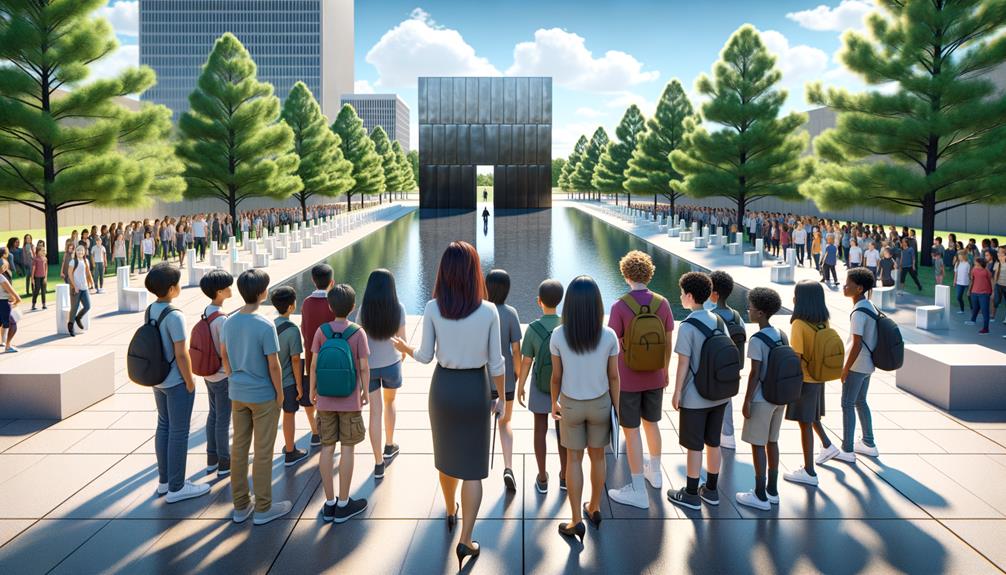
Taking a field trip to the Oklahoma City Memorial offers students a unique opportunity to connect with history and understand the human stories behind the tragic events of April 19, 1995. I observed that these educational field trips are perfectly designed for students from 4th grade and up, offering a blend of interactive exhibits and personal accounts that bring history to life.
The memorial’s educational programs focus on key values like resilience and community strength. As students navigate the exhibits, they learn about the tragic events and the incredible stories of survival and unity that followed. This hands-on experience makes history tangible, fostering a deeper understanding and empathy. Free admission is available for students who request a STEM Lab as part of their visit.
What makes these field trips stand out is:
Interactive exhibits let students engage directly, making learning dynamic and memorable.
Personal accounts from those who experienced the events firsthand provide a powerful and emotional connection.
Customized programs are specially crafted to suit the educational level, ensuring an age-appropriate and impactful visit.
Upcoming Events

I’m excited to explore the lineup of upcoming events at the Oklahoma City Memorial. Upcoming events include “Rescue Dogs Demonstration” on July 16, August 20, September 17, October 15, and November 19, 2026. The “2026 Summer STEM Series – Environmental Science” is scheduled for August. “Museums on Us – August” offers free admission for Bank of America cardholders in August.
The Lunchtime Better Conversations event also stands out. These gatherings offer a relaxing atmosphere to share ideas and perspectives over a midday meal, providing a refreshing break from the daily routine and a chance to connect with fellow community members.
For those who appreciate personal stories, the EYEwitness Tour featuring Sara Sweet is not to be missed. Hearing firsthand accounts brings history to life in a deeply moving and unforgettable way.
Looking ahead, the 2026 Summer STEM Series focusing on Environmental Science is set to inspire young minds. This series will examine the intersection of science and sustainability, encouraging participants to think about their role in protecting our planet, and I’m excited for it.
Explore the Memorial
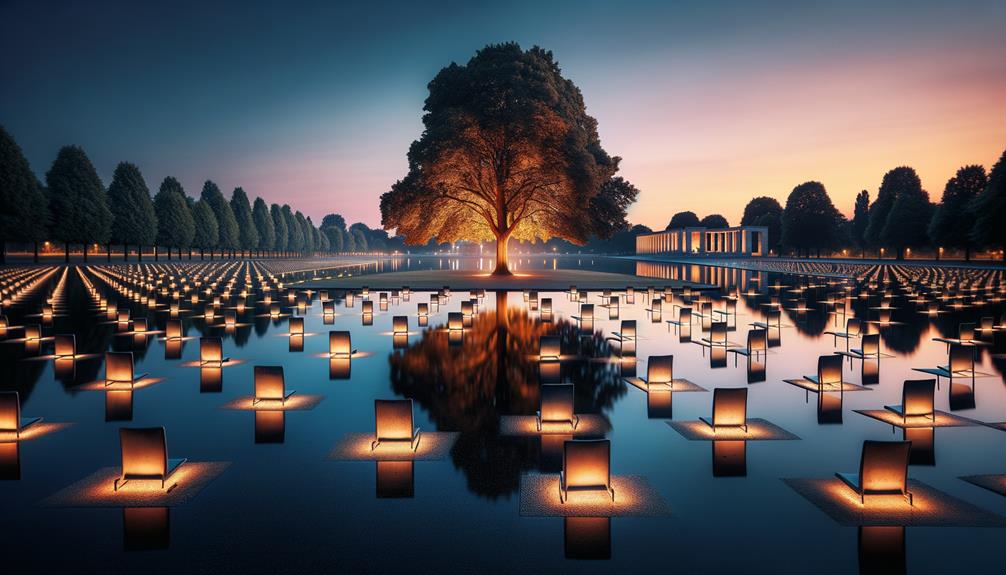
Walking through the Oklahoma City Memorial, I’m struck by the profound symbolism and serene reflection it offers. The Gates of Time, the quiet Reflecting Pool, and the poignant Field of Empty Chairs each tell a story of loss and resilience. Inside the museum, exhibits provide a deeper understanding of the events, making the experience both educational and deeply personal.
Symbolic Memorial Features
As I stroll through the Oklahoma City Memorial, the Gates of Time and Reflecting Pool envelop me in a profound sense of serenity and reflection. The Gates of Time, standing tall at either end of the pool, mark the moments before and after the bombing, symbolizing a pivotal shift in our national consciousness. The Reflecting Pool, with its tranquil waters, mirrors the sky and invites us to pause and consider the fragility of peace.
The Field of Empty Chairs is perhaps the most poignant feature. Each of the 168 chairs represents a life lost, arranged in nine rows to signify the nine floors of the Alfred P. Murrah Federal Building. As I walk among them, I’m struck by the powerful silence and the tangible presence of absence. The 19 smaller chairs represent the children killed.
The Survivor Tree, a resilient American elm, stands as a testament to strength and hope, having withstood the blast and continued to thrive.
The Survivors Wall bears the names of over 600 survivors, a tribute to their enduring spirit.
The Memorial Fence is adorned with heartfelt mementos, transforming it into a living mix of remembrance and love.
Each element of the memorial draws me deeper into the shared national grief and the enduring spirit of resilience.
Reflective Outdoor Spaces
The Outdoor Symbolic Memorial offers a peaceful atmosphere, inviting me to reflect on the events of April 19, 1995. As I walk through the Gates of Time, I’m struck by the weight of history and the lives lost. The Reflecting Pool‘s tranquil water mirrors the sky, prompting me to think about the fragility of life. Each ripple seems to carry echoes of the past, offering a moment of peace amidst the sorrow.
The Survivor Tree, an American elm that withstood the blast, stands tall and proud, embodying strength and perseverance. Under its branches, I find comfort, reminded of nature’s enduring spirit and humanity’s capacity to overcome adversity.
Nearby, the Field of Empty Chairs silently honors each victim, their names etched in glass, forever remembered. The Survivors Wall, with over 600 names, speaks to hope and the unbreakable spirit of those who endured. The Memorial Fence, adorned with tokens and tributes, creates a tangible connection between past and present, allowing visitors like me to leave a piece of their heart here. This space, both solemn and uplifting, invites me to honor, remember, and reflect.
Museum and Exhibits
Stepping into the Oklahoma City National Memorial & Museum, I’m enveloped by the powerful stories and poignant artifacts that bring the events of April 19, 1995, to life. The museum’s carefully curated displays offer an intimate glimpse into the day that forever changed the city. Interactive exhibits draw me into the narrative, allowing me to explore archives of photographs and documents.
Reflecting on the survivors’ stories, I feel a deep connection to their resilience. The artifacts, from personal belongings to remnants of the building, serve as stark reminders of the tragedy and the strength that emerged from it. Guided tours provide a nuanced understanding of the memorial’s significance, weaving together tales of first responders, community members, and the human spirit.
Interactive Displays: Engage with multimedia presentations that vividly recount the events and aftermath.
Survivor Stories: Hear firsthand accounts that personalize the historical narrative.
Artifacts: View items recovered from the site, each telling its own story of loss and hope.
Before leaving, I visit the gift shop, selecting a meaningful souvenir to support the memorial’s mission of remembrance. The Oklahoma City National Memorial & Museum is a poignant tribute to the past, serving as a testament to the power of human resilience.
Memorial History

The Oklahoma City National Memorial stands as a powerful testament to the resilience and unity of a community that came together in the face of tragedy. The journey to create a memorial began shortly after the devastating bombing on April 19, 1995. The need for a place to honor the victims and remember the event’s impact led to its creation.
The memorial’s construction, which took place from 1997 to 2001, was an impressive undertaking. The Butzer Design Partnership’s vision was chosen, capturing the themes of resilience, hope, and the far-reaching consequences of violence. The design incorporates elements like the Gates of Time and the Reflecting Pool, which contribute to the narrative of remembrance and healing. The total cost was $29.1 million, funded entirely by private donations, showcasing the community’s dedication.
The Outdoor Symbolic Memorial, completed in 2000, features poignant structures like the Field of Empty Chairs and the Survivor Tree. In 2004, the site was transferred to the Oklahoma City National Memorial Foundation, ensuring its preservation and continued impact. This memorial is more than just a building; it’s a tribute to human strength and unity.
Visitor Information

For anyone seeking a place to reflect and remember, the Oklahoma City Memorial offers a profound and serene experience. Located at 620 North Harvey Avenue, the site is a poignant tribute to the lives lost in the tragic 1995 bombing of the Murrah Federal Building. The Outdoor Symbolic Memorial is open 24 hours a day, 365 days a year, inviting visitors to honor the victims and contemplate the human spirit’s resilience.
Managed by the Oklahoma City National Memorial Foundation, this sacred space has drawn over 4.4 million visitors since its dedication. Each year, around 350,000 individuals visit, seeking comfort and understanding. The Outdoor Symbolic Memorial is free to explore daily, 24 hours a day, 365 days a year.
To deepen your connection, consider a guided tour. These tours share in-depth stories of survivors, first responders, and the memorial’s significant features.
Location: 620 N. Harvey Avenue, Oklahoma City, OK 73102
Annual Visitors: Approximately 350,000
Outdoor Symbolic Memorial: Open 24 hours, 365 days a year
The Oklahoma City National Memorial & Museum stands as a tribute to the enduring spirit and the power of remembrance.