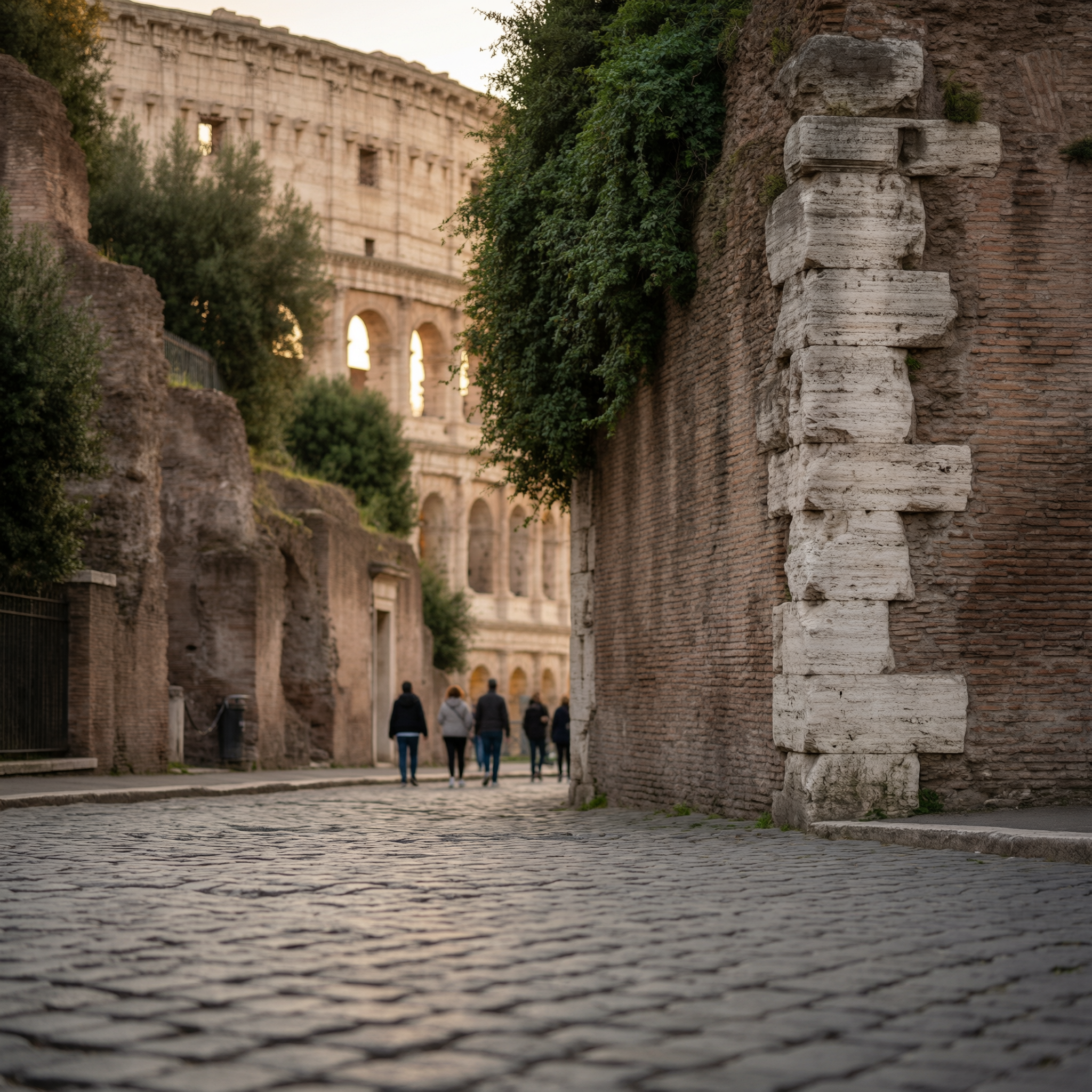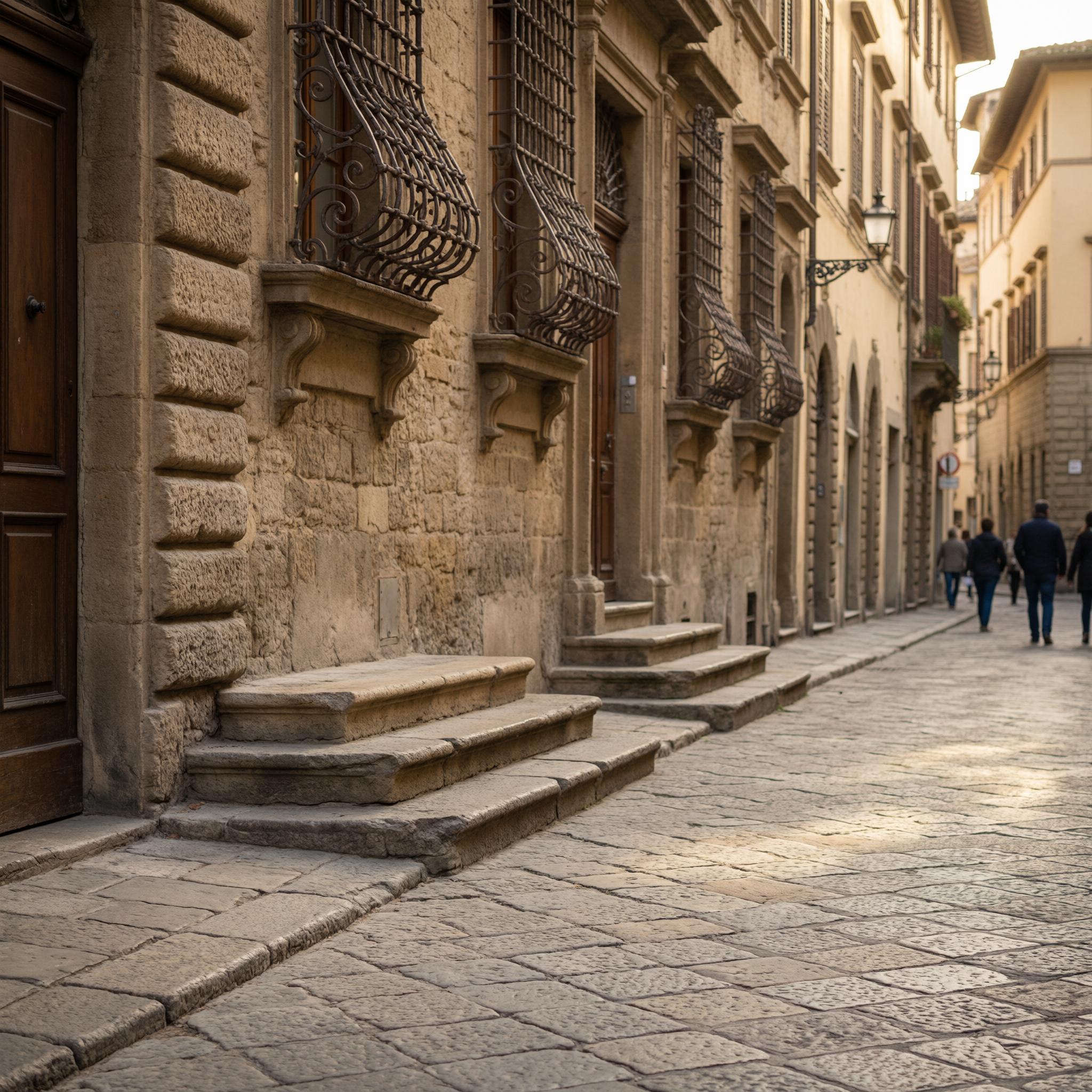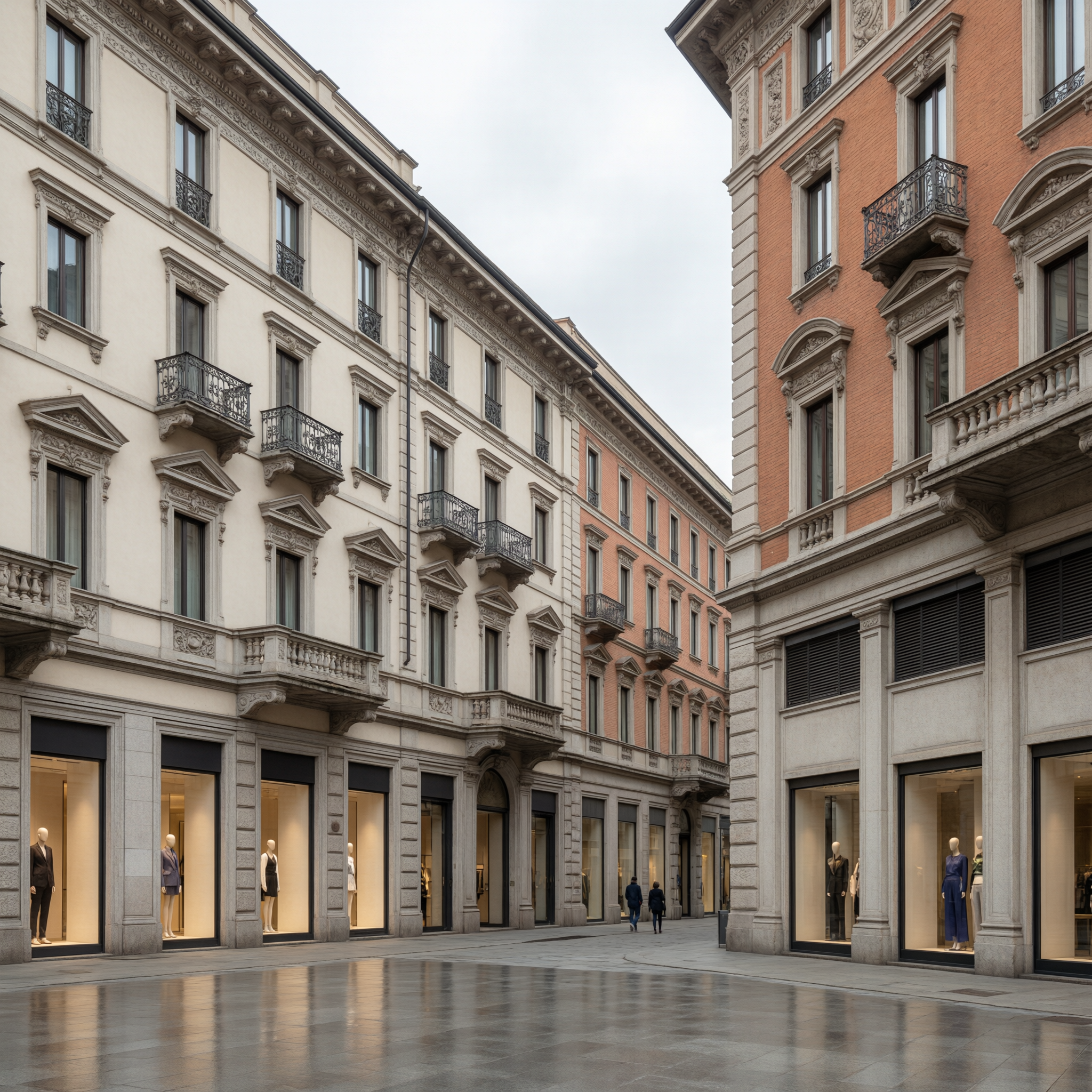
I sometimes wonder if Milan truly deserves its title as the fashion capital, but walking through its fashion district makes a strong case. Strolling down Via Montenapoleone, the concentration of luxury boutiques is almost overwhelming, each shop window a testament to high-end design. Then there’s the Brera District, where art and fashion sit comfortably side by side, creating an atmosphere that is both refined and eclectic. Corso Como brings an avant-garde edge, while Porta Venezia surprises with its mix of contemporary and vintage styles. Each area has its own distinct character, and I left each one wanting to see more.
Before you go: Visitor details can change. Check Fashion Week Dates 2026–2027 and MILAN FASHION WEEK 2026 The definitive guide before you go.
Via Montenapoleone
Via Montenapoleone is one of Milan’s most storied streets, lined with high-end fashion boutiques and architecture spanning the 17th to 19th centuries. It forms the spine of the Quadrilatero della Moda, Milan’s premier shopping quarter, alongside Via della Spiga, Via Sant’Andrea, and Via Manzoni.
The atmosphere is unapologetically luxurious. Boutiques for Versace, Armani, Dolce & Gabbana, and Chanel line the street, each one less a shop than a showcase of its designer’s vision.
The architecture holds its own against the fashion. Beautifully restored mansions from the 17th to 19th centuries now house these boutiques and hotels, their ornate facades merging historical craftsmanship with contemporary luxury. The pedestrian-friendly street invites a slow, unhurried look at both the window displays and the buildings themselves.
Via Montenapoleone is more than a place to shop; it is a concentrated expression of Milanese style and history, and essential for any serious fashion enthusiast.
Brera District
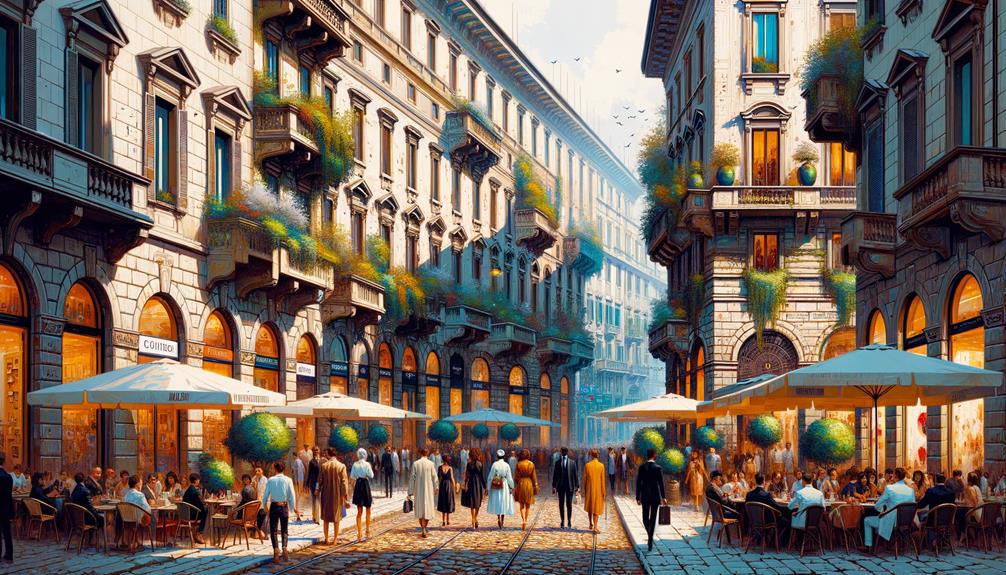
Walking through the Brera District, it is hard not to linger over the mix of art galleries, Neoclassical buildings, and independent boutiques. The narrow streets are full of one-of-a-kind shops, and the easy access to museums and galleries gives the whole area a quietly artistic character that sets it apart from the rest of Milan’s fashion quarters.
Art Galleries Galore
Brera, affectionately known as Milan’s Art District, is home to a rewarding concentration of galleries that reflect the city’s deep cultural roots. Walking its narrow, cobblestone streets, you quickly sense that while the fashion district commands global attention, Brera operates on its own quieter frequency, one tuned to art rather than commerce.
The district’s anchor is the Pinacoteca di Brera, which holds an impressive collection of 15th-century paintings, including Bellini’s Madonnas. Check the official site before visiting for current opening hours, ticket prices, and any reservation requirements. Beyond the Pinacoteca, the streets are dotted with independent galleries showing work by both established and emerging artists.
Historic buildings, ornate fountains, and shaded courtyards add texture to every walk. Piazza del Carmine, ringed by small cafés and boutiques, is a particularly pleasant place to pause.
Here’s a quick look at some must-visit galleries:
| Gallery Name | Specialty | Location |
|---|---|---|
| Pinacoteca di Brera | 15th-century paintings | Via Brera |
| Galleria d'Arte Moderna | Modern Art | Via Palestro |
| Galleria Carla Sozzani | Contemporary Art | Corso Como |
| Spazio Rossana Orlandi | Design and Innovation | Via Matteo Bandello |
| Galleria Corsini | Classic and Modern Art | Via della Lungara |
In Brera, art isn’t simply displayed, it shapes the whole experience of being there.
Historic Architecture Marvels
As I walked through the Brera District, the historic architecture had a way of making the present feel distant. Cobblestone streets wound between old buildings, each with its own layered history. The grandeur of the Quadrilatero d’Oro is close by, but Brera offers something different, a quieter, more introspective beauty.
Along Via Manzoni, I was struck by the elegance of the Neoclassical façades, the intricate balconies and window surrounds speak to a period when decorative craftsmanship was taken seriously. The district’s atmosphere is so painterly that it is easy to understand why it has long drawn artists and writers, though the popular claim that Leonardo da Vinci found direct inspiration here is, as local legend has it, more romantic than documented.
Turning a corner, I found myself in front of the Pinacoteca di Brera, its imposing façade signalling one of Italy’s finest art collections inside. The dialogue between Renaissance buildings and more recent additions gives the area a layered quality that rewards slow exploration. Every street in Brera felt like a page worth re-reading.
Trendy Boutiques Shopping
Moving away from Brera’s historic streets, I found myself in the middle of its shopping district. Independent boutiques and small art shops line the narrow lanes, and the neighbourhood’s bohemian character draws designers, artists, and fashion enthusiasts in roughly equal measure. Shopping here felt personal in a way that the big-brand avenues do not.
As I explored, I came across everything from vintage clothing to handmade jewellery. Each shop had its own identity, and there was real pleasure in moving between them. Unlike the flagship luxury stores elsewhere in Milan, Brera’s boutiques feel intimate and genuinely individual.
Art galleries are woven throughout the area, showing work by local and international artists and reinforcing the district’s creative identity. The combination of vintage stores, artisan workshops, and independent boutiques makes Brera a rewarding stop for anyone after something more personal than a designer logo.
Porta Venezia
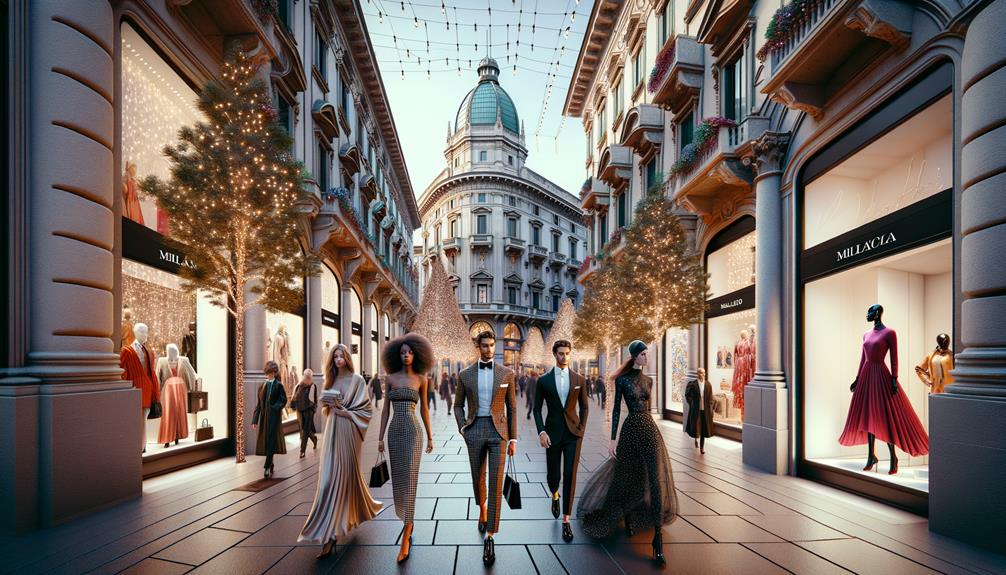
Walking through Porta Venezia, the 19th- and early 20th-century architecture sets an immediate tone. The area mixes independent shops with artisan workshops, and as evening arrives the neighbourhood shifts into a lively dining and nightlife destination.
Architectural Marvels to See
Porta Venezia’s architecture is a confident blend of Art Nouveau and eclectic early 20th-century styles. As I walked along Via Palestro, the ornate buildings told their own version of Milan’s history, each façade layered with decorative detail.
One notable landmark is the Palazzo Bagatti Valsecchi on Via Gesù, a 19th-century building that has functioned as a museum dedicated to Milanese domestic life of that era, though access arrangements can change, so check the official site before visiting. Nearby, Corso Buenos Aires is a busy commercial artery reported to host well over 300 high-street brands, all set within architecture that makes the shopping feel less routine than it might otherwise.
The contrast between old and new is striking throughout, with historic landmarks holding their ground alongside contemporary establishments. Here’s a quick overview:
| Landmark | Location | Era |
|---|---|---|
| Palazzo Bagatti Valsecchi | Via Gesù | 19th Century |
| Corso Buenos Aires | City Center | Early 20th Century |
| Porta Venezia Station | Corso Buenos Aires | 20th Century |
| Liberty-style Buildings | Throughout Porta Venezia | Early 20th Century |
Porta Venezia illustrates Milan’s capacity to preserve its architectural heritage while remaining a fully functioning, forward-looking city.
Trendy Boutiques and Shops
Wandering through Porta Venezia, I came across a range of boutiques and independent shops that rewarded browsing. Each storefront had its own personality, and the neighbourhood’s energy made it easy to lose track of time.
I also walked down Via della Spiga, one of the four streets that make up the Quadrilatero d’Oro, where high-end designer stores present their latest collections in meticulously dressed windows. The craftsmanship on display, in both the clothes and the interiors, is genuinely impressive.
Monte Napoleone, another iconic street, beckons with its array of prestigious labels. As I walk through this area, I'm surrounded by history and innovation. The boutiques here are more than just stores; they're experiences that celebrate the art of fashion.
Porta Venezia itself offers a more eclectic mix, from independent designers to vintage finds. It is this range, from high fashion to singular discoveries, that gives the district its particular appeal.
Dining and Nightlife Spots
Porta Venezia’s dining and nightlife is as varied as its shopping. Walking down Corso Buenos Aires, I noticed how the early 20th-century buildings give even a casual evening out a certain atmosphere.
The dining options cover a wide range, from traditional Italian trattorias to international restaurants serving everything from sushi to Middle Eastern food. One evening, I started with a classic Margherita pizza at a neighbourhood pizzeria, the smell of freshly baked dough and melting mozzarella was hard to resist.
After dark, Porta Venezia shifts gear. Bars and cafés fill up for aperitivo, that distinctly Milanese early-evening ritual, and the streets stay lively well into the night. I settled in with a spritz, watching the neighbourhood come alive, before moving on to a cocktail bar for a post-dinner drink. It is one of the more enjoyable ways to end a day in Milan.
Corso Como
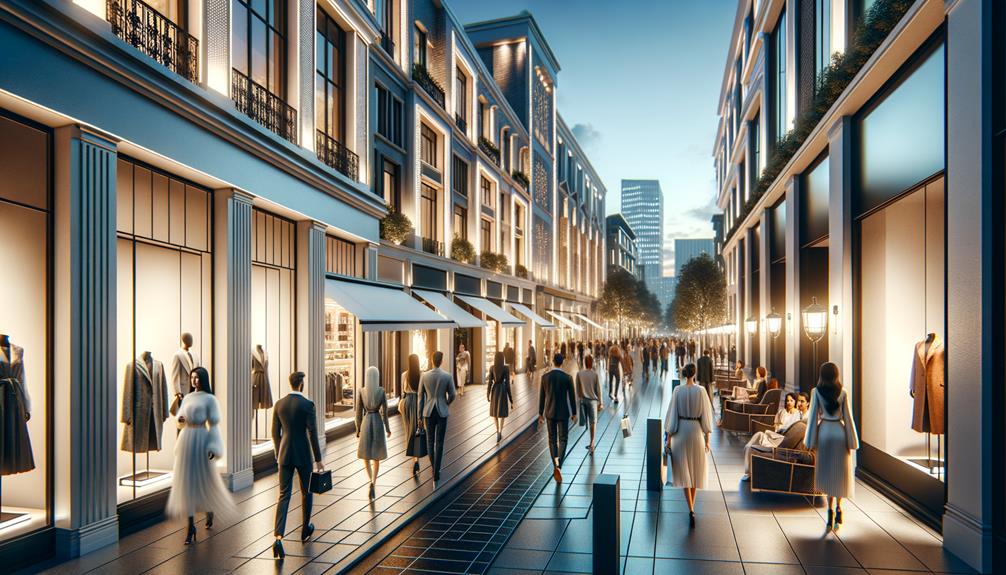
Corso Como, in the northern part of the city centre, is a compact street with a strong identity: independent boutiques, design-conscious cafés, and a sense of style that feels considered rather than corporate.
Fashion stores line the avenue, each with a carefully edited selection. The range runs from emerging designers to established names, and the interiors tend to be as thoughtfully put together as the clothes themselves.
I was particularly drawn to 10 Corso Como, the concept store that has become something of a reference point for Milan’s fashion-forward identity. It combines fashion, art, design, and a bookshop under one roof, more a curated environment than a conventional shop. Sitting with an espresso at the café inside, I found it easy to understand why the place has endured. Corso Como rewards anyone who values originality over scale.
Navigli Canals
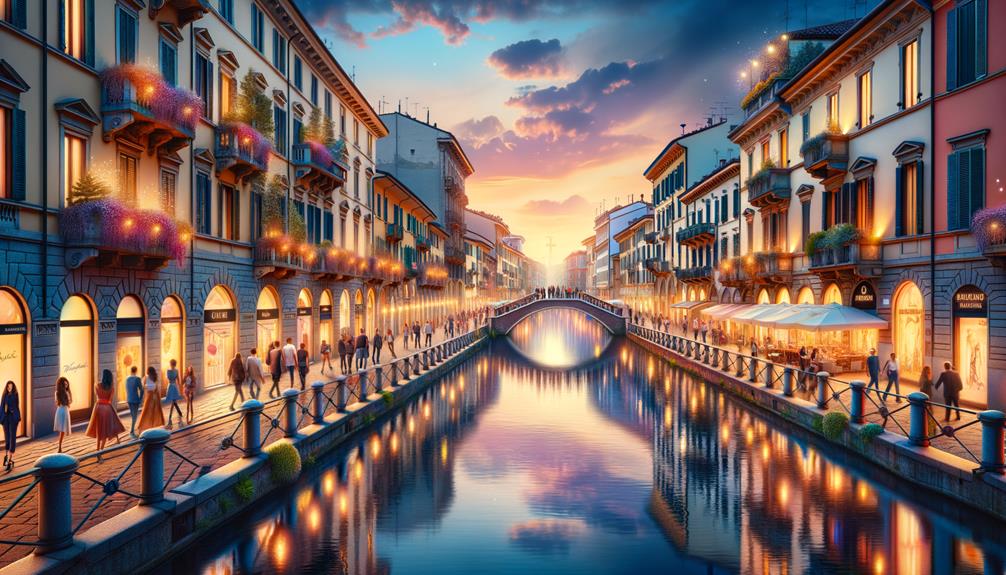
Walking along the Navigli Canals, I was immediately drawn into the area’s mix of artistic energy and historic character. Milan’s fashion credentials are well established, but Navigli operates on a different register, looser, more bohemian, and genuinely local in feel.
The canals date to the 12th century, originally built to move goods across the region. Today they frame a neighbourhood full of art galleries, independent shops, and weekend street markets, a refreshing contrast to the polished luxury of the Quadrilatero.
| Aspect | Description |
|---|---|
| Historic Landmarks | Neoclassical palaces, centuries-old canals |
| Vibe | Artistic, bohemian |
| Activities | Art galleries, street markets, nightlife |
As I explored, the mix of old and new was striking. Historic buildings stood alongside street murals and contemporary boutiques, and by evening the area had transformed into one of Milan’s liveliest nightlife strips, with restaurants, bars, and clubs drawing a mixed crowd. Navigli’s unpretentious character makes it an essential stop for anyone wanting to see a different side of the city.
Porta Romana
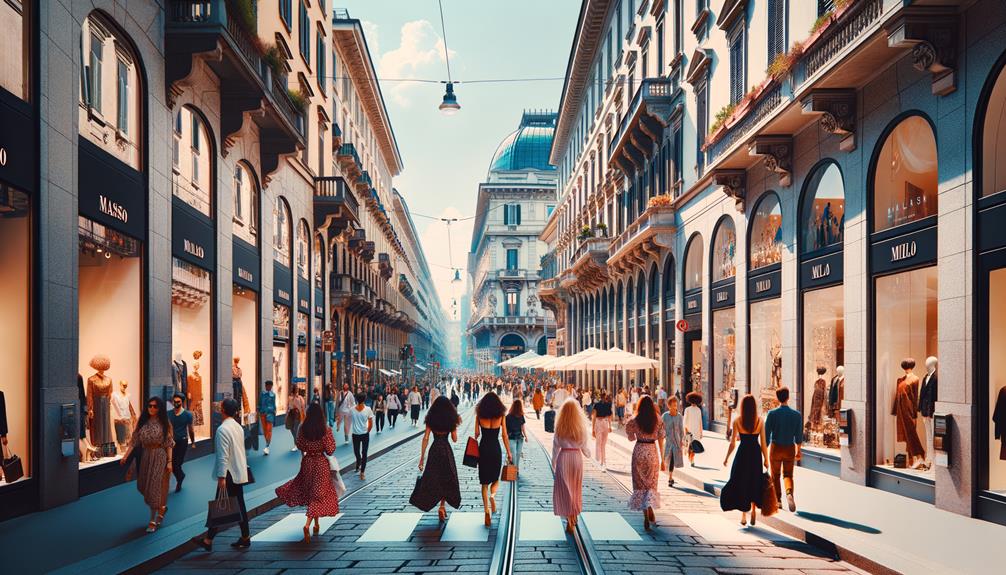
Porta Romana offers a quieter, more residential take on Milan’s urban character. As I wandered through the area, 19th- and early 20th-century buildings created a settled, unhurried atmosphere. Corso Porta Romana, the main artery, leads directly into the city centre and gives the neighbourhood a natural sense of purpose.
Walking along Corso Porta Romana, I couldn't help but notice the variety of small shops and craftsmen's workshops. Each storefront felt like a hidden treasure, just waiting to be found. The artisans here take great pride in their work, showcasing an array of handmade goods that blend tradition with modernity. From custom leather items to intricate jewelry, I could feel the Milanese craftsmanship in the air.
Porta Romana is more than a shopping detour; it is a working piece of Milan’s history. The nearby Basilica of Sant’Ambrogio, founded in the 4th century, offers a moment of calm amid the activity of the surrounding streets, and serves as a reminder that the city’s identity runs considerably deeper than fashion.
Porta Nuova
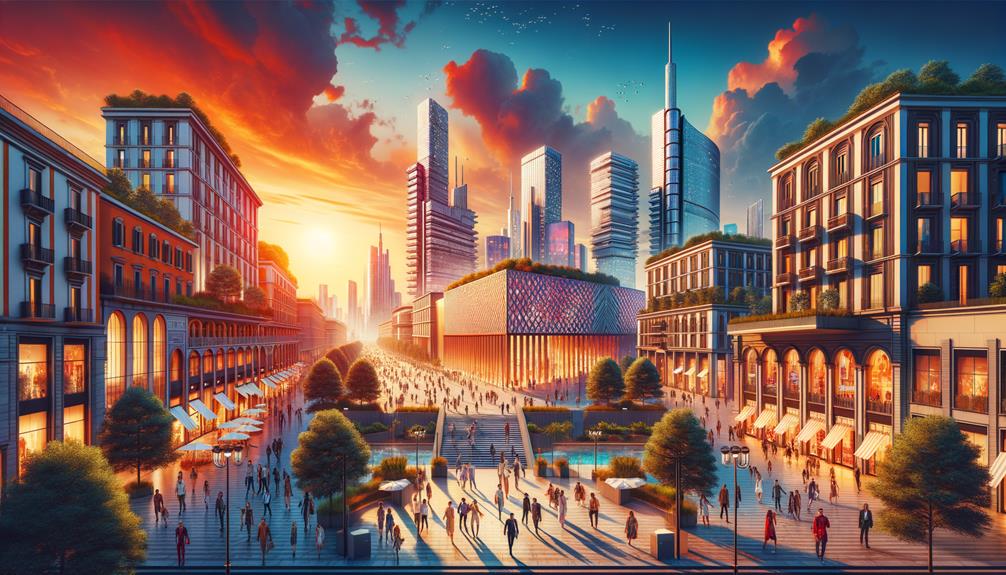
Walking into Porta Nuova, the towers and contemporary buildings made an immediate impression, a sharp shift from the 19th-century streetscapes of Porta Romana. This is the part of Milan that signals the city’s architectural ambitions most clearly, and I found myself drawn to the scale and confidence of the buildings around me.
My time in Porta Nuova included some of the most striking retail spaces I encountered on the trip. Fashion here sits comfortably within the contemporary urban setting, and several boutiques were particularly memorable:
- Bulgari – Their elegant displays were simply mesmerizing.
- Prada – The essence of Italian sophistication.
- Gucci – Bold and daring, true to their style.
- Armani – Timeless and classic, yet contemporary.
Each store offered a unique experience, making my fashion tour in Porta Nuova truly memorable. The area's lively energy and cutting-edge style were unmistakable, showing exactly why Porta Nuova is a must-visit for fashion lovers looking for the latest trends in Milan.
Porta Ticinese
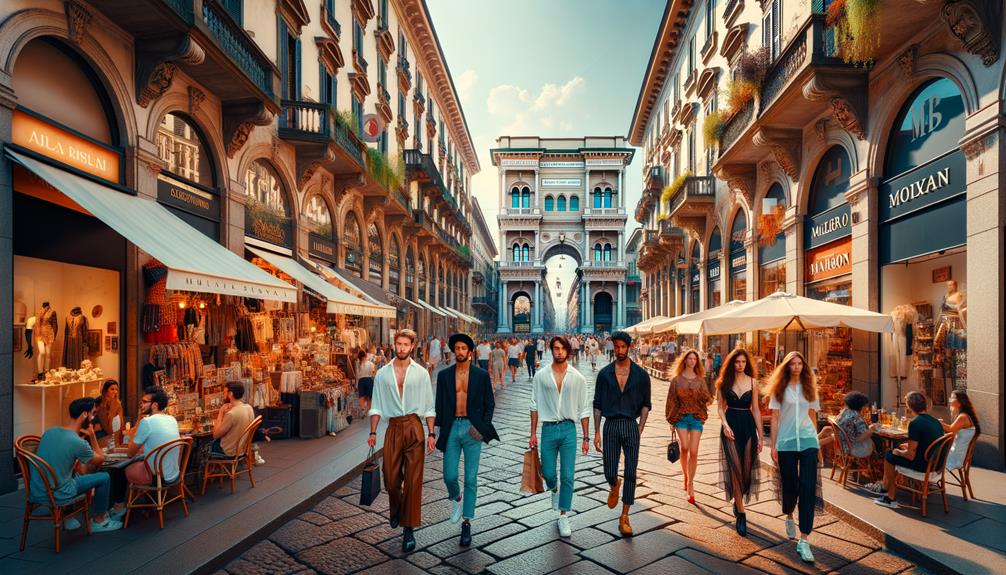
Porta Ticinese occupies a historic corner of Milan where casual and high-end shopping sit alongside significant cultural landmarks. Walking its streets, I was drawn to the combination of boutiques and historic architecture, the range runs from independent clothing and accessories to home goods and locally made souvenirs.
Neoclassical buildings add a layer of grandeur that contrasts pleasantly with the neighbourhood’s relaxed, street-level energy. The undisputed landmark is the Basilica of Sant’Ambrogio, a 4th-century church whose age and scale put the rest of the city’s history into perspective.
Despite its historic fabric, Porta Ticinese is well connected to the rest of Milan by tram and bus, making it straightforward to reach. The combination of history, independent retail, and genuine neighbourhood character makes it one of the more rewarding areas to explore outside the main fashion quarter.
Fashion Events
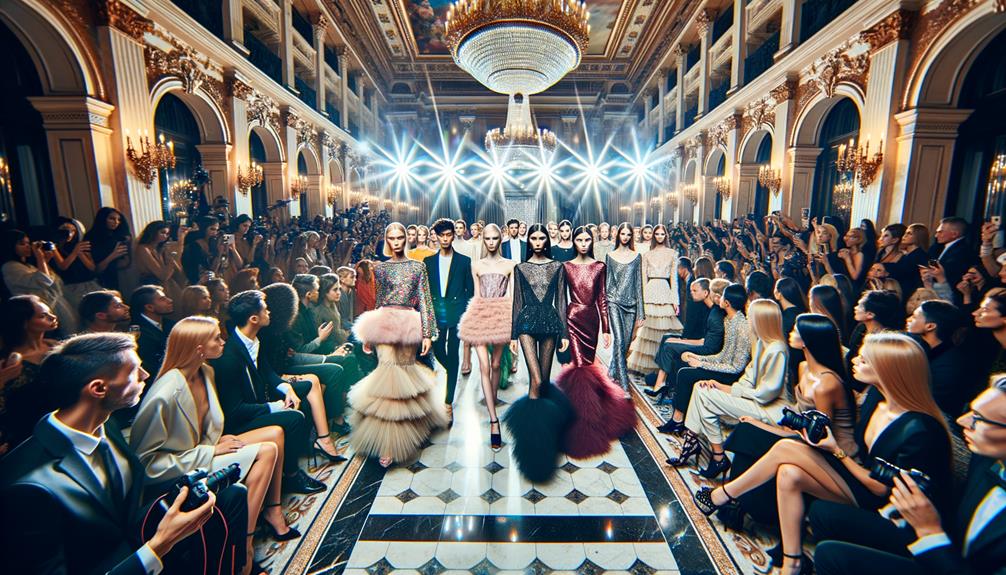
As I moved deeper into Milan’s fashion district, the city’s relationship with its own industry became more tangible, particularly around the periods when major fashion events take over the streets. Walking down Via Montenapoleone during one of those windows, the anticipation in the air was unmistakable.
Here's a quick overview of some must-see fashion events in Milan:
- Milan Fashion Week: The highlight of Milan's fashion calendar, where top designers present their latest collections.
- Vogue Fashion's Night Out: A glamorous evening turning shopping streets into a lively mix of style, music, and exclusive offers.
- White Milano: A contemporary fashion trade show that focuses on avant-garde designers and new trends.
- La Rinascente Fashion Shows: Hosted on the rooftop of this iconic department store, offering spectacular views along with cutting-edge fashion.
Each event reshapes the streets, Via della Spiga and Corso Venezia in particular take on a different character during Fashion Week. Having been there during one of those periods, I can say that fashion in Milan is less a spectacle you watch than an atmosphere you move through.
Frequently Asked Questions
What Is the Famous Fashion District in Milan?
Milan’s fashion district centres on the Quadrilatero della Moda, a quartet of streets, Via Montenapoleone, Via della Spiga, Via Sant’Andrea, and Via Manzoni, where the world’s leading luxury brands maintain flagship boutiques alongside architecture from the 17th to 19th centuries.
What Is Milan Famous for in Fashion?
Milan is home to some of the world’s most influential fashion houses, including Versace, Armani, and Dolce & Gabbana, and hosts Milan Fashion Week four times a year. The Quadrilatero della Moda is the natural starting point for any fashion-focused visit.
What Is Milan Fashion Week Famous For?
Milan Fashion Week is known for the breadth and prestige of its shows, with houses such as Gucci, Prada, and Armani presenting collections that set the direction for the industry. It balances heritage craftsmanship with genuine creative risk-taking, which is why it remains one of the four major fashion weeks globally.
Can You Visit Fashion Houses in Milan?
You can visit the retail boutiques of Milan’s major fashion houses, I walked through the Gucci, Louis Vuitton, and Versace stores, and each one was an experience in itself, with interiors as considered as the clothes. It is worth noting, however, that these are retail spaces only; design studios, ateliers, and backstage areas are not open to the general public.