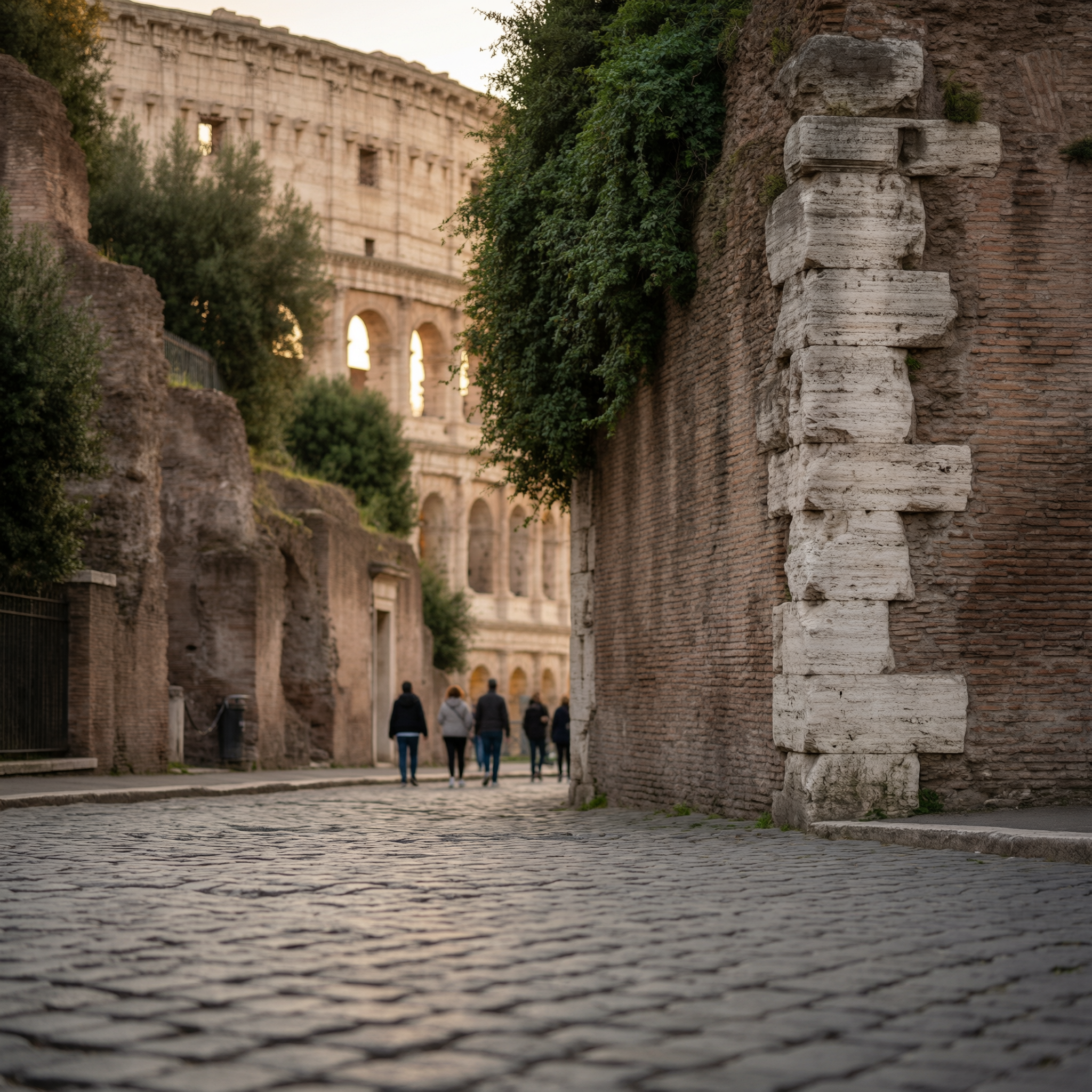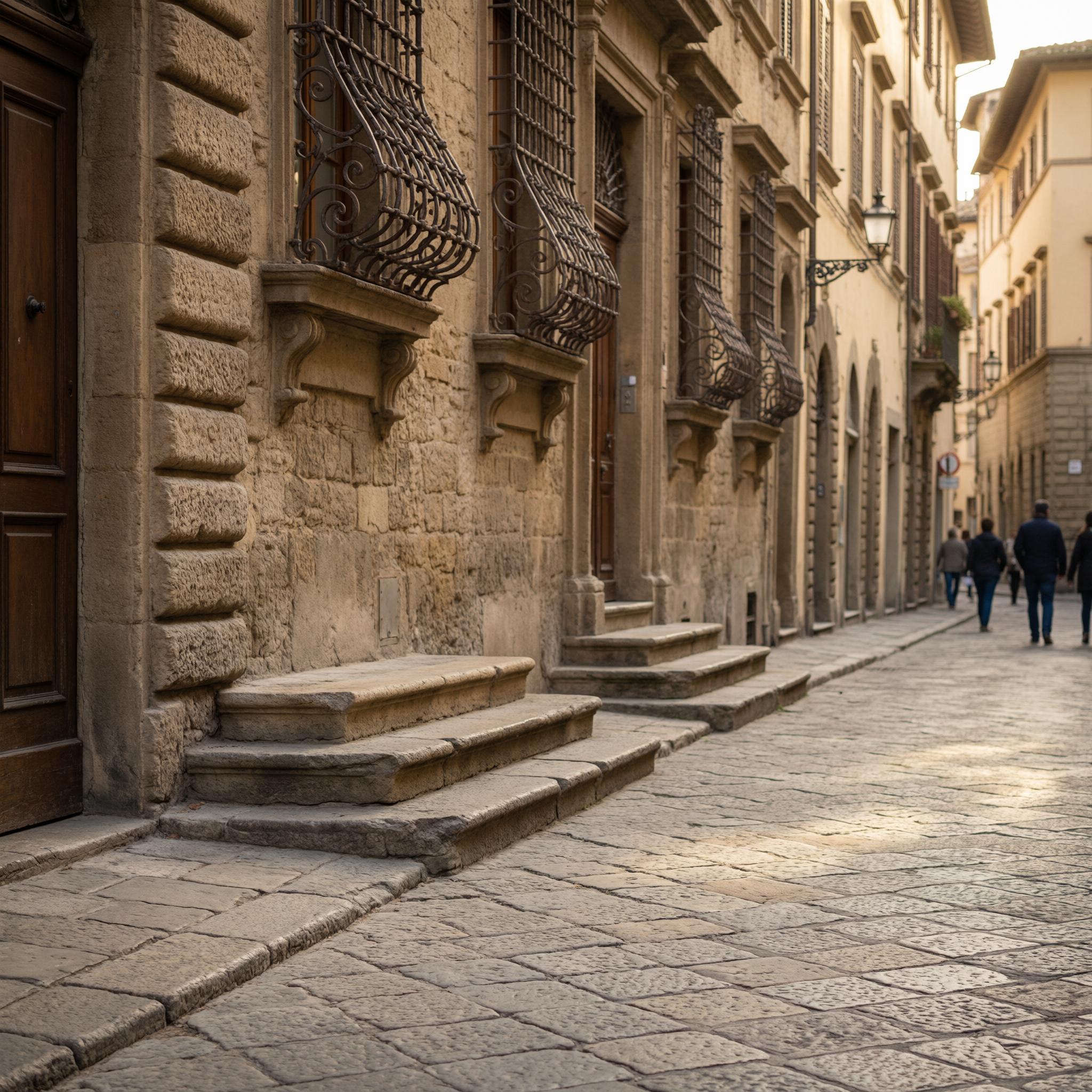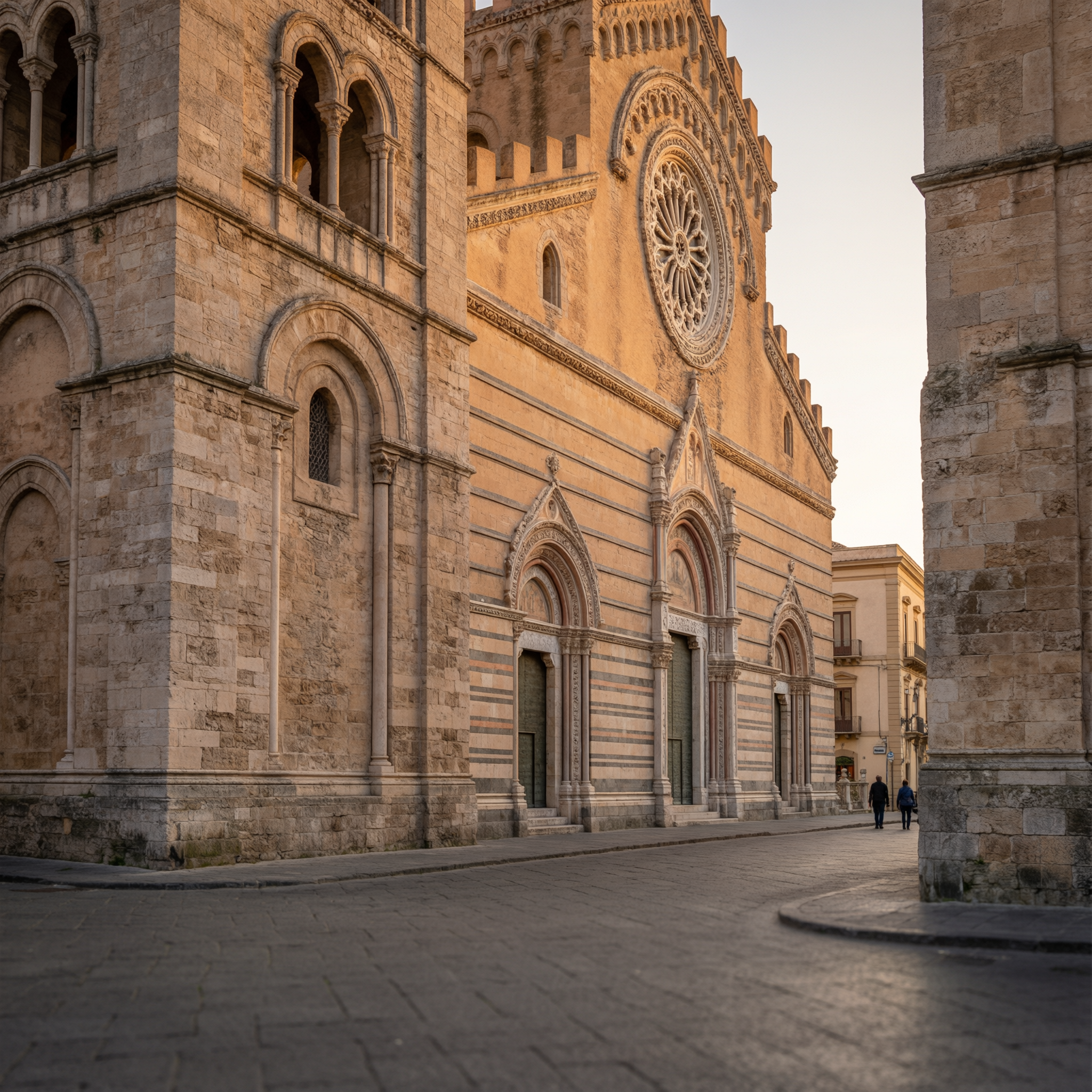
Walking through Messina Cathedral, I was struck by its Norman-Arab design and the mosaics that line the apse walls. The Bell Tower, with its extraordinary Astronomical Clock, depicts scenes from Messina’s history and mythology, a testament to the city’s long resilience. The Treasury, housed in the sacristy, added another layer of depth to the visit. With guided tours available, there was always more to uncover about this storied building. Every detail invited a closer look.
Before you go: Visitor details can change. Check The Cathedral of Messina – Official Site and Messina Cathedral – Visit Sicily (Official Tourism Portal) before you go.
History of Messina Cathedral
Messina Cathedral has a past shaped by destruction and renewal. Walking through its grand entrance, I was struck by how this structure has survived major earthquakes and World War II bombing. The cathedral, with its imposing façade, is more than a building; it stands as a record of a city that has repeatedly rebuilt itself.
One of the most compelling features is the Bell Tower, which houses a remarkable Astronomical Clock. Inaugurated on August 13, 1933, and created by the Ungerer firm of Strasbourg, the clock is considered the world’s largest and most complex of its kind. Every day at noon, gilded bronze figures animate for roughly 12 minutes, depicting scenes from Messina’s history and mythology. Watching it, I felt a genuine connection to the city’s past.
Standing there, I understood that the Cathedral, the Bell Tower, and the Astronomical Clock are not merely historical artifacts; they are symbols of endurance. They speak to what a city can preserve and rebuild across centuries of upheaval.
Architectural Highlights
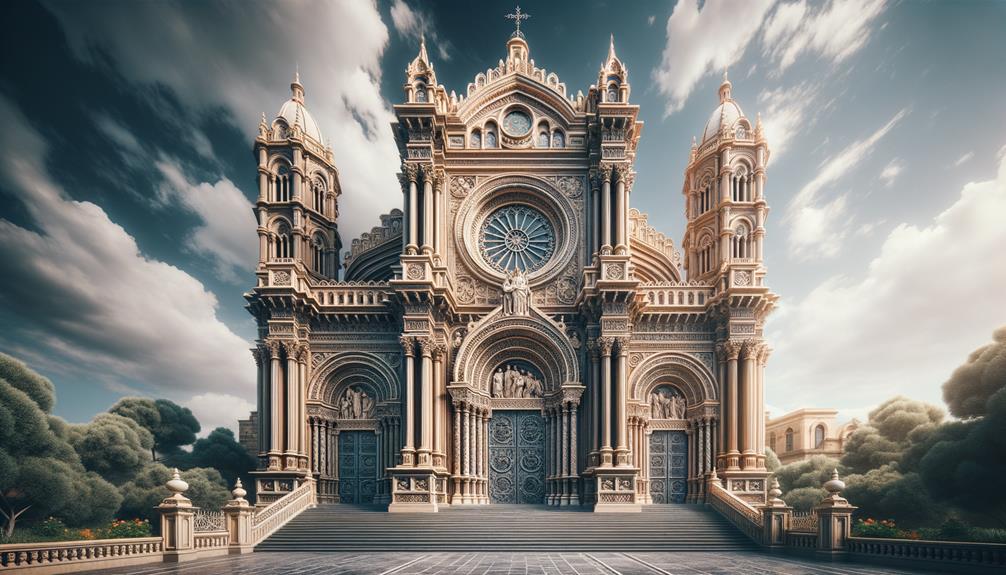
Walking through Messina Cathedral, I kept returning to its Norman-Arab arches and columns. The apse mosaics, the left apse mosaic dating to the 14th century, the main apse mosaic recreated in 1930–1931 and again for the 2000 Jubilee, still impress with their craftsmanship. The side bell towers and central dome, added after the 1783 earthquake, blend into the cathedral’s layered architectural character.
Norman-Arab Influence
Walking into Messina Cathedral, I immediately noticed the blend of Norman and Arab architectural features, a record of cultural exchange written in stone. The cathedral is a striking example of mixed influences, each contributing to its particular beauty and scale.
As I explored the space, my attention was drawn to the large dome at the center of the transept, added after the 1783 earthquake. This element sits naturally within the Norman-Arab framework, its proportions both bold and coherent. The marble floor, designed by Giovan Angelo Montorsoli in the 16th century, reinforces that dialogue with intricate patterns that reflect the artistic exchange between Norman and Arab traditions.
- The large central dome: added after the 1783 earthquake, it exemplifies the Norman-Arab architectural blend.
- Marble floors by Montorsoli: detailed and ornate, showcasing cross-cultural artistry.
- Side apses and bell towers: symbols of adaptation and historical continuity.
Reflecting on these elements, I felt a real connection to the past. Messina Cathedral is more than a structure; it is a record of how diverse cultural influences can produce something lasting and coherent.
Bell Tower Details
The Bell Tower of the Messina Cathedral, with its detailed mechanical and astronomical clock, never fails to impress me with its blend of engineering skill and artistic beauty. Known as the Campanile Orologio di Messina, this tower features the world's largest and most complex astronomical clock, expertly created by the Ungerer firm of Strasbourg and inaugurated on August 13, 1933.
Every day at noon, the clock’s mechanism activates, putting on a roughly 12-minute show. Gilded bronze statues on the façade come to life, narrating scenes from Messina’s civil and religious heritage. Watching this carefully arranged display of history and craftsmanship felt like stepping into a story told in metal and motion.
Visiting the Bell Tower is straightforward. For current opening hours, ticket prices, and any access restrictions, check the official cathedral site before your visit, as details can change.
The experience is a memorable combination of history, art, and engineering. For group visit arrangements, consult the MESSINARTE website directly for current booking information.
Mosaics and Frescoes
After taking in the Bell Tower’s mechanical show, I found myself equally drawn to the cathedral’s mosaics and frescoes. The apse mosaics are among the most significant works inside: the left apse mosaic dates to the 14th century, while the main apse mosaic was recreated in 1930–1931 and restored again for the 2000 Jubilee. These are not merely decorative; they tell stories through detailed designs that reflect the cathedral’s Arab-Norman architectural character.
The frescoes, painted by various artists across the centuries, add further historical depth. From the Renaissance to the Baroque periods, each work captures the spirit of its time, creating a layered record of artistic change.
- Historic Mosaics: Dating back to the medieval period, these mosaics showcase extraordinary craftsmanship, with the left apse mosaic originating from the 14th century.
- Ornate Marble Floor: Designed by Giovan Angelo Montorsoli in the 16th century, the floor enhances the cathedral’s overall character.
- Cultural Blend: The Arab-Norman architectural framework, combined with Renaissance and Baroque frescoes, produces a layered visual experience unlike any single-period building.
Moving through Messina Cathedral and taking in its mosaics and frescoes, I felt a genuine connection to the past, every corner offered another piece of history and craft.
The Bell Tower
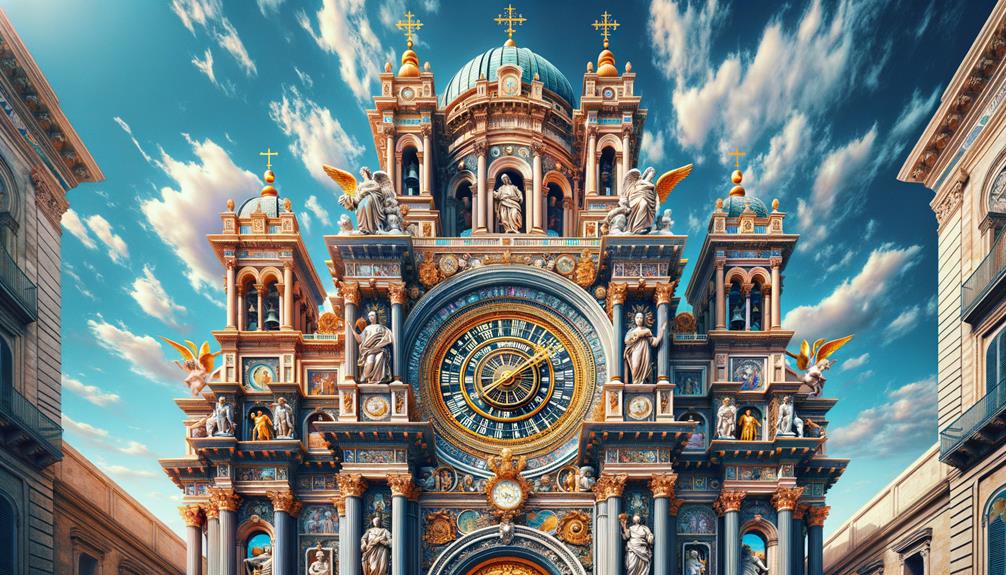
Standing before Messina Cathedral’s Bell Tower, it is hard not to admire the scale and intricacy of its mechanical and astronomical clock. Designed by the Ungerer firm of Strasbourg and inaugurated on August 13, 1933, the clock is a record of human ingenuity and Messina’s civic traditions. The gilded bronze statues on the façade connect the viewer to both the civil and religious history of the city.
The Bell Tower comes alive every day at noon, holding visitors’ attention for roughly 12 minutes with its animated mechanism. For current opening hours and admission details, check the official site before visiting.
| Admission Type | Adults (€) | Under-18s (€) |
|---|---|---|
| Bell Tower Only | 5.00 | 2.50 |
| Combined Ticket (Bell Tower + Treasury) | 7.50 | 4.00 |
| Special Opening Hours | 10:00 am – 3:30 pm |
The blend of art, history, and engineering leaves a lasting impression. The Bell Tower is not simply a timepiece; it is a record of Messina’s capacity to create and preserve. The experience is well worth planning around.
Astronomical Clock Features
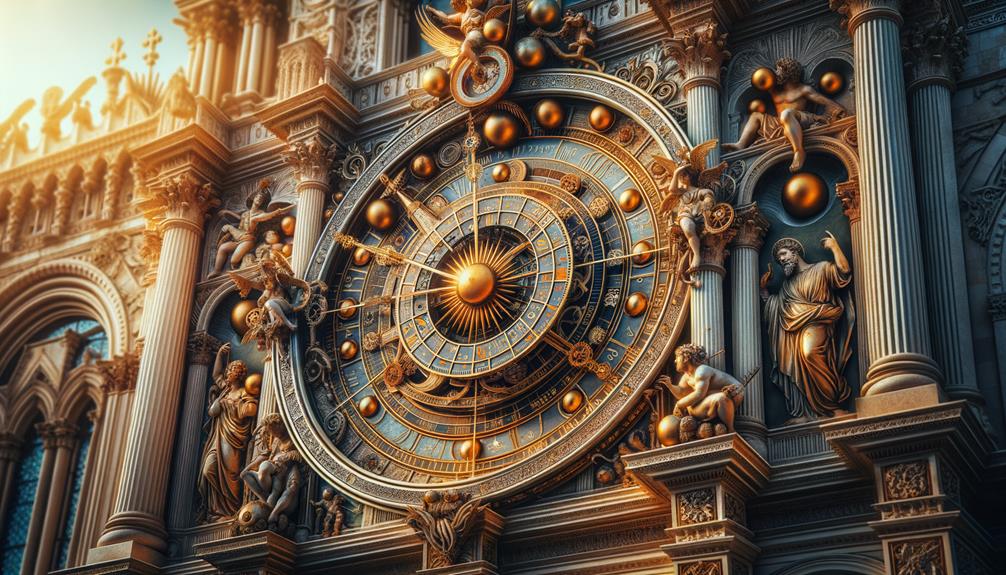
Looking up at the Astronomical Clock at Messina Cathedral, I was struck by how it merges art and science. This is not a clock built merely to tell the time; it is a demonstration of what precision engineering and artistic ambition can produce together. Every feature has its own story and purpose.
The clock face displays celestial movements, the paths of the sun, moon, and stars, rendered through an intricate arrangement of gears and dials. The gilded details catch the light, giving the whole mechanism a presence that goes well beyond function.
- Zodiac Signs: The zodiac wheel rotates daily, marking each astrological sign in turn.
- Lunar Phases: A smaller dial tracks the moon’s phases with precision.
- Planetary Positions: Another section displays the positions of the known planets.
Standing there, I understood that this clock is about more than timekeeping, it is about our relationship to the cosmos. Even now, there is something genuinely affecting about a mechanical masterpiece that brings science and art together in one place.
Bronze Statues
Standing in front of the bronze statues, I felt a strong connection to the past. The craftsmanship of each figure tells its own story, and it is worth pausing to consider the historical weight these works carry within the cathedral’s long history.
Historical Significance
The bronze statues around Messina Cathedral are not decorative afterthoughts; they quietly recount the building’s history. Moving through the cathedral, you can almost feel the weight of the centuries. Each figure, with its fine detail and composed expression, speaks to Messina’s turbulent past and its repeated capacity for renewal.
Reflecting on their historical significance, a few points stand out:
- Endurance Through Hardship: The cathedral has survived earthquakes, wars, and numerous rebuilds. These statues have stood through it all, representing the perseverance of Messina’s people.
- Silent Guardians: Positioned with care, they serve not only as art but as reminders of the cathedral’s sacred and historical significance.
- Cultural Heritage: Each statue represents a facet of Messina’s history, religious, civic, and artistic, capturing the character of different periods.
These statues are tangible links to the past. They invite us to pause and consider the layers of history within Messina Cathedral, offering a deeper appreciation of its lasting legacy.
Artistic Details
Approaching the Bell Tower, I was struck by the gilded bronze statues that are central to the clock’s animated mechanism. Rich in civil and religious symbolism, these figures stand on the façade and draw the eye with their detailed craftsmanship. Every day at noon, they come to life in a roughly 12-minute performance.
On a guided tour, I learned that these statues are not ornamental but integral to one of the largest and most complex mechanical and astronomical clocks in the world. The clock, designed by the Ungerer firm of Strasbourg and inaugurated on August 13, 1933, represents the height of early 20th-century clock-making. Watching the figures move, I felt a real connection to Messina’s cultural heritage, each movement narrating a piece of the city’s past.
The bronze figures add considerably to the Bell Tower’s artistic character. Their daily performance pays tribute to human ingenuity and craftsmanship, an intimate look at the point where art, history, and engineering meet.
Mechanical Systems
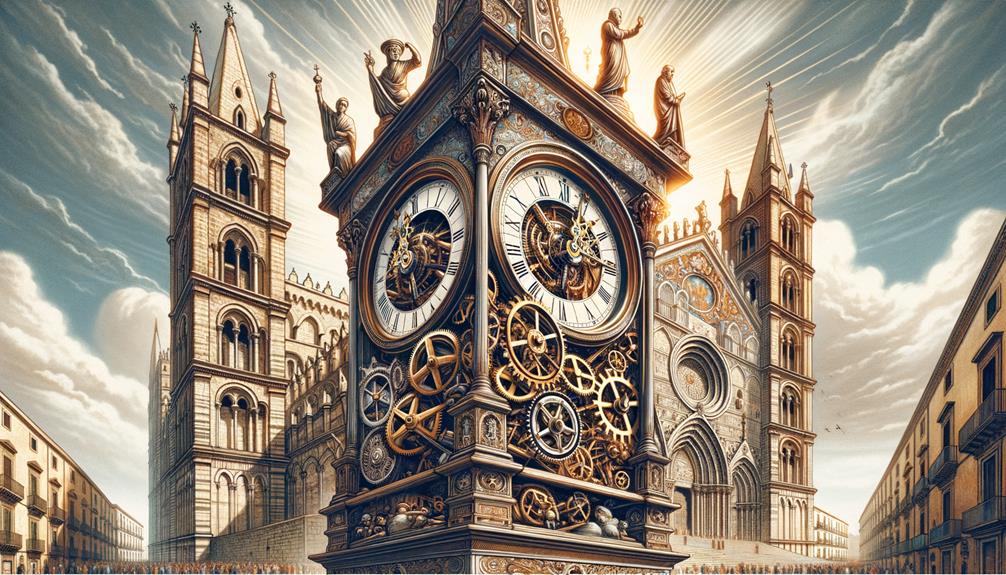
One of the most compelling features of Messina Cathedral is the intricate mechanical system driving its astronomical clock. On a guided tour, I was drawn to the clock’s elaborate design. The engineering behind it is genuinely impressive, blending precision and artistry in a way that still feels remarkable nearly a century after its inauguration.
- A lion roars every day at noon, opening a spectacular display.
- Golden figures parade past, representing different stages of human life.
- Celestial movements track the phases of the moon and the positions of the planets.
Standing there, I was in awe of the ingenuity behind this mechanism. The clock does not simply tell time; it tells a story, combining science, art, and history. Each component works in concert, producing a living sequence of movement and sound. The mechanical systems of Messina Cathedral stand as a testament to human creativity and the enduring desire to represent the cosmos in physical form.
Treasury of the Cathedral
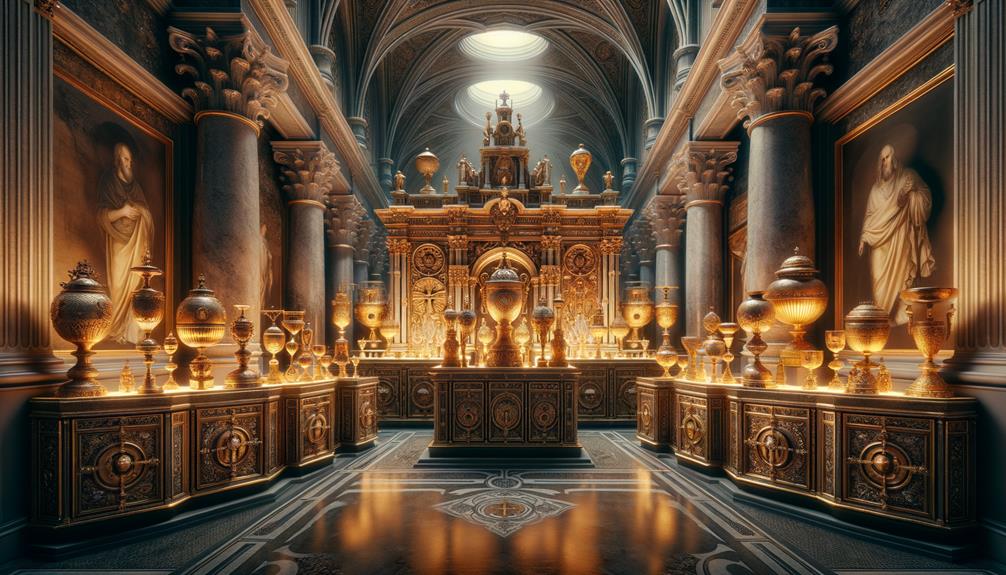
Entering the Treasury of the Cathedral, I felt an immediate sense of wonder at the collection of historic artifacts. The religious relics on display, each with its own story, brought history into sharp focus. Among the highlights, the detailed monstrances stood out for the skill and care evident in their making.
Historic Artifacts Collection
The Treasury of the Cathedral, located in the sacristy, holds an extensive collection of historic artifacts, precious jewels, ornate reliquaries, and sacred vestments. I was struck by the quality and historical importance of each piece as I moved through the collection. A guided tour, available in several languages, deepened my appreciation by revealing the stories behind these objects.
- A 12th-century Byzantine crucifix, striking in its ancient form.
- A 14th-century Gothic reliquary, showcasing medieval craftsmanship.
- A Flemish mix depicting the Life of the Virgin, meticulously detailed.
Each artifact spoke to the reverence and artistry of earlier times. The Treasury is more than a display; it is a journey through history, where each object reveals a piece of Messina’s spiritual and cultural heritage. Reflecting on the ornate tapestries and embroidered fabrics, I was struck by the skill and devotion required to produce them. The Treasury is a genuinely rewarding part of any visit to the cathedral.
Religious Relics Display
Moving through the Treasury’s rooms, I was moved by the collection of religious relics. Among them were a fragment of the True Cross and a thorn from Christ’s Crown, objects that the Museo Tesoro has preserved for centuries.
Pausing in this space, I thought about the meaning these objects hold for so many people. A reliquary said to contain a fragment of the Virgin Mary’s veil was particularly striking, a fragile piece brought out during special occasions. Each relic seemed to carry stories of faith, dedication, and the passage of time.
The calm atmosphere of the Treasury encouraged reflection. I felt a strong connection to history, as if the walls themselves were keeping watch over these sacred objects. For current admission details, including whether Bell Tower access is included, check the official site before visiting, as pricing and arrangements can change.
The Treasury of the Cathedral is a worthwhile stop for anyone interested in the depth of religious heritage in Messina. Check the official cathedral site for current opening hours before your visit.
Architectural Masterpieces Showcased
As I moved through the Treasury, the design of the rooms caught my eye immediately. Frescoes and mosaics framed each artifact, their colors and patterns adding context to the treasures they surrounded.
Walking through the Treasury, I was held by the beauty and historical weight of the collection. Golden crowns gleamed under soft lighting, ornate chalices caught the eye, and embroidered vestments spoke to the craftsmanship of past eras. Each room added something new, making this section of the visit genuinely memorable.
- 12th-century golden reliquary: A fine example of medieval artistry, reflecting the religious devotion of its time.
- 15th-century silver crucifix: Exquisite detail that speaks to the skill of Renaissance metalworkers.
- 17th-century Flemish mix: Rich in colour and texture, evidence of long-standing cultural exchange.
Whether taken as a guided or self-directed visit, the Treasury offers a genuine glimpse into Messina’s past through these carefully preserved works. It is not simply a collection of artifacts; it is a journey through time.
Visiting Hours
According to the official cathedral site, Messina Cathedral is open daily from 7:30 am to 12:30 pm and 4:00 pm to 7:30 pm. Early morning visitors can enjoy calm light filtering through the windows, while those who come in the evening find the ancient stone softened by the last of the day’s light.
If you are looking for a deeper experience, weekday masses are held at 7:30 am and 6:00 pm. On Sundays and religious holidays, services take place at 9:00 am, 11:00 am, 12:15 pm, and 6:00 pm. It is always worth checking the official site for the latest schedule before you go, as times can change.
Entry to the cathedral itself is straightforward. For a richer experience, I found that a guided tour, available in Italian, English, French, and Spanish by reservation, added real depth to the visit. Audioguides may also be available; check the official site for current options and pricing. Reflecting on my time there, I appreciated how much the space rewards a slow, attentive visit.
Group Reservations

Groups wishing to visit Messina Cathedral can arrange tours through MESSINARTE. For current contact details, minimum group sizes, and booking procedures, check the official site directly, as this information can change.
MESSINARTE can assist with arranging access to the Bell Tower and Treasury as part of a group visit. For up-to-date ticket prices and combined ticket options, consult the official cathedral site before booking.
When planning a group visit, booking in advance is advisable to confirm availability and allow time for any special arrangements. A few points worth noting:
- Advance booking: Recommended to secure availability, especially for larger groups.
- Inclusive tours: Bell Tower and Treasury can be included in group arrangements.
- Special offers: Discounts for large groups and schools.
A group visit to Messina Cathedral is most rewarding when planned ahead and coordinated through official channels.
Special Dates and Events
One of the most memorable experiences at Messina Cathedral is watching the Bell Tower‘s astronomical clock in action. Every day at noon, the gilded bronze statues animate for roughly 12 minutes, depicting scenes from Messina’s civil and religious heritage, a spectacle worth planning your visit around.
The Bell Tower welcomes visitors throughout the year, and the daily noon show of the astronomical clock, lasting around 12 minutes, is a highlight not to be missed. The cathedral itself is open daily from 7:30 am to 12:30 pm and again from 4:00 pm to 7:30 pm, giving you plenty of opportunity to explore both the tower and the Treasury housed in the sacristy. For the most up-to-date admission prices and any group visit arrangements, it is best to check directly with the cathedral or consult the official cathedral website before your trip.
It is worth confirming Bell Tower access on the day, as closures can occasionally occur. The MESSINARTE website is the best source for up-to-date visitor information.
Frequently Asked Questions
Is Messina Walkable From Cruise Port?
Yes, the cruise port sits close to the historic centre. The cathedral is roughly a 10–15 minute walk, passing through streets that give a good first impression of the city’s architecture and scale.
Is Messina Worth Seeing?
Messina is well worth a visit. Walking through its historic centre, taking in architecture that spans several centuries, and watching the Bell Tower’s noon display, I felt a genuine connection to a city with a layered and often dramatic past.
How Do You Spend a Day in Messina?
I would start with a walking tour of the historic centre to get my bearings, then spend time at the cathedral and Bell Tower in time for the noon clock display. The afternoon could take in the Treasury and the surrounding piazza, with the evening free to explore the waterfront.
What Is the City of Messina in Sicily Known for at the Norman Cathedral?
Messina is known for its Norman Cathedral, whose apse mosaics, Arab-Norman architecture, and extraordinary astronomical clock draw visitors from across Sicily and beyond. Exploring it, I felt the pull of a history that stretches back through Norman rule, Byzantine art, and centuries of rebuilding after disaster.