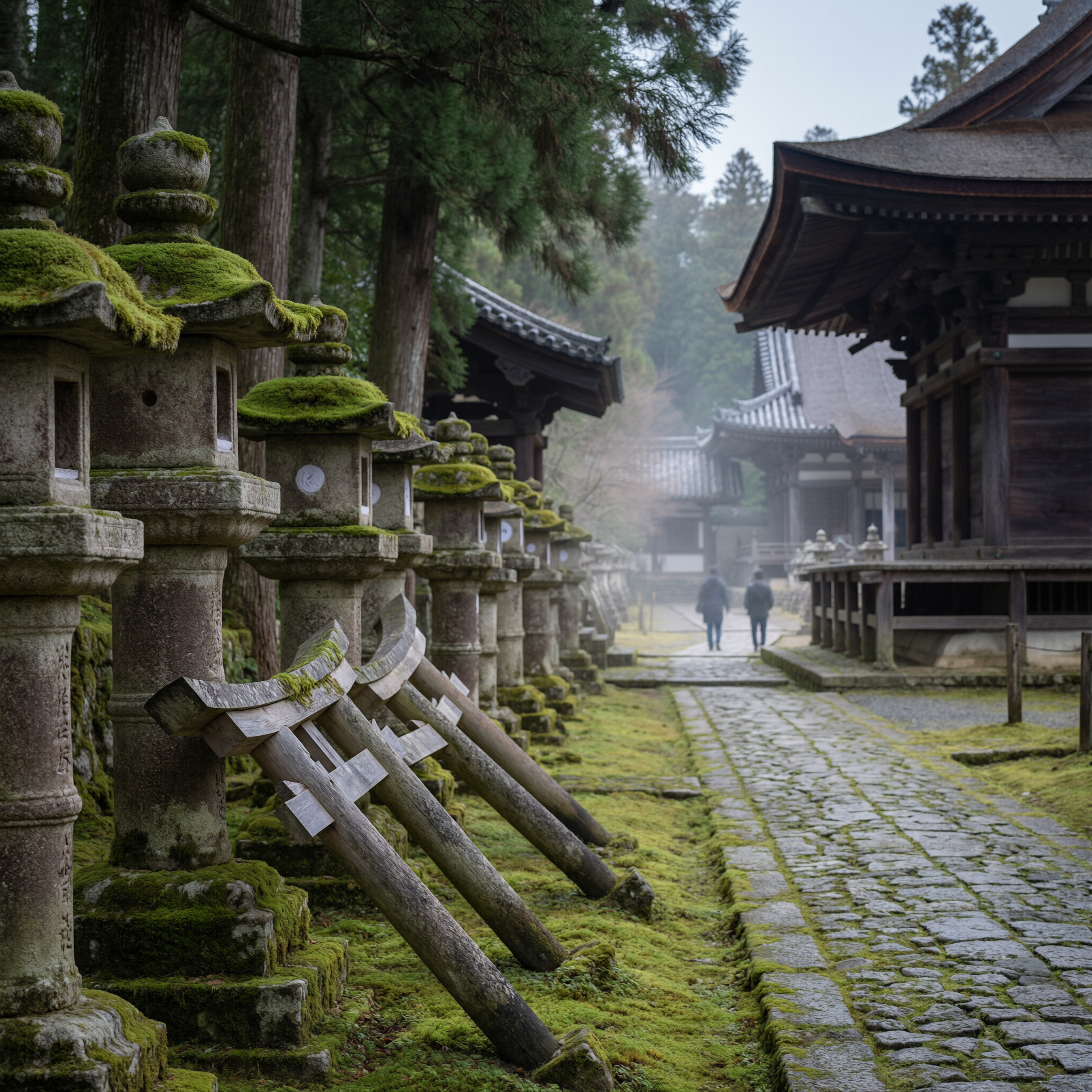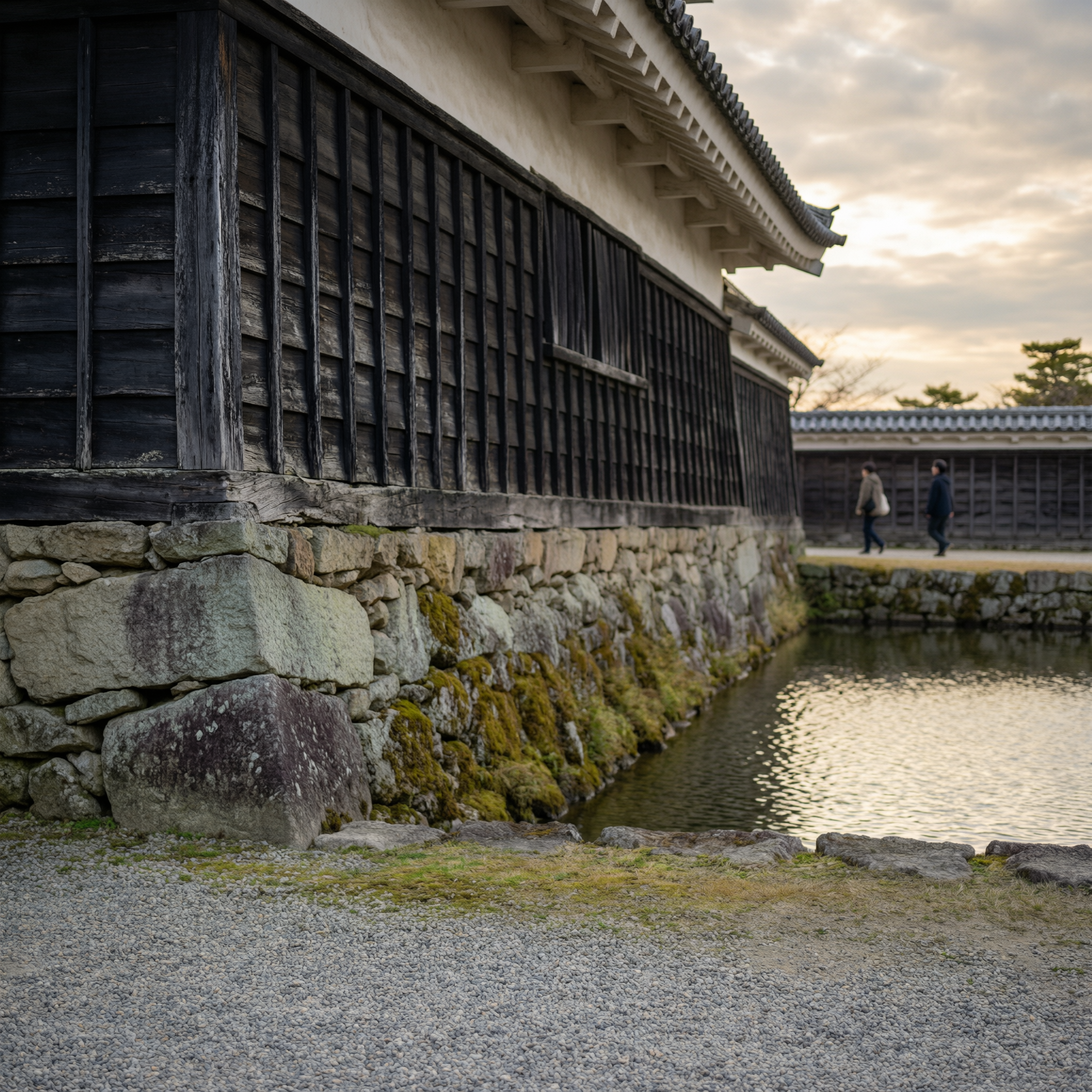
Wandering through the ancient halls of Matsue Castle felt like stepping back in time to Japan’s feudal era. Wearing the samurai armor and holding the katana brought a sense of connection to the past. The interactive demonstrations gave me a deeper appreciation for the disciplined lifestyle and intricate skills of the samurai. Strolling through the peaceful Jozan Park and enjoying a quiet boat ride around the castle moat made me realize how much more there is to learn about this historic place and its unique cultural offerings.
Before you go: Visitor details can change. Check Matsue Castle – Japan Guide and Matsue Castle – GaijinPot Travel before you go.
Matsue Samurai District
Walking into the Matsue Samurai District felt like stepping back to the Edo Period. The area, close to Matsue Castle, captures the essence of middle-class samurai life with its well-preserved buildings and historical charm.
The Buke Yashiki, a specific former samurai residence from 1733, offers a glimpse into the daily lives of samurai families. As I wandered through its rooms, I admired the traditional materials and furniture, each piece echoing stories from the past. The garden, a peaceful retreat, highlighted the aesthetic tastes of that era.
Not far off, I found the Lafcadio Hearn Memorial Museum. This spot showcases the life and work of the famous writer who was deeply influenced by Matsue’s samurai culture. Visiting his former home added depth to my understanding of the area’s rich history.
Throughout the Matsue Samurai District, the architecture stood out
simple yet graceful
mirroring the disciplined and honorable lives of the samurai. Every part of this district offered a vivid connection to the samurai heritage.
Guided Tours and Activities
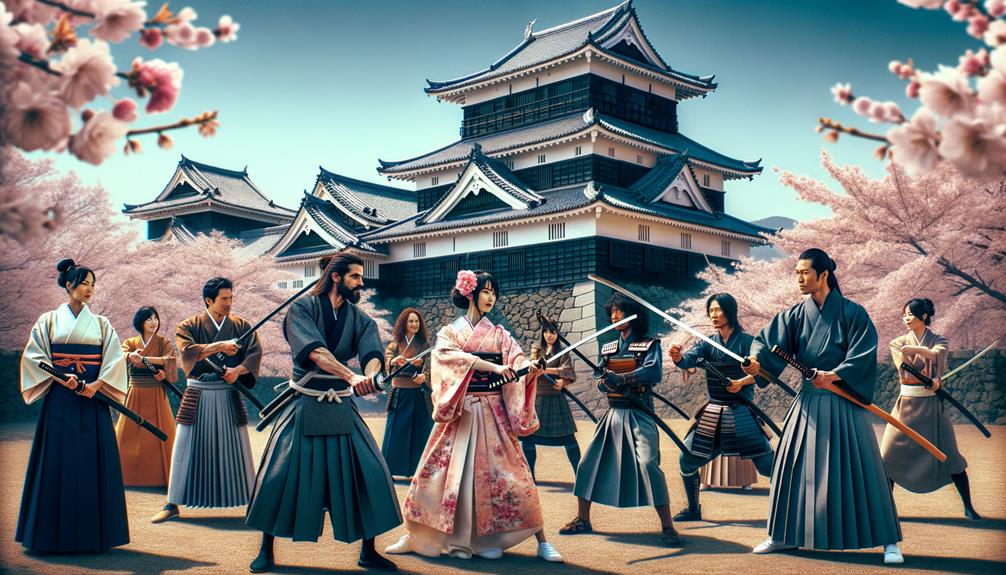
The guided tours at Matsue Castle offer some truly captivating experiences that bring samurai history to life. As I wandered through the castle grounds, I felt like I was stepping back in time, thanks to the rich stories and historical details shared by our knowledgeable guide. The tales of samurai warriors, their honor, and their way of life were told with such enthusiasm that it felt like witnessing history firsthand.
Here are some highlights that make these tours unforgettable:
- Samurai Traditions: Visitors can view samurai weaponry and armor, and learn about their customs and daily life. Some replicas may be available for handling during specific demonstrations.
- Historical Sites: Explore the castle’s various historical sites, including a museum with artifacts and exhibits on samurai culture.
- Tea Ceremonies: Traditional tea ceremonies are offered at locations such as Meimei-An Garden and the Matsue History Museum. Check their official sites for schedules and booking requirements.
- Interactive Demonstrations: Watch demonstrations that showcase the skills and techniques of samurai warriors. Check the official Matsue Castle website for information on scheduled demonstrations and events.
These activities don’t just inform; they immerse you in the world of the samurai, making history come alive in a way that books and documentaries can’t match. Each step through the castle and garden deepened my appreciation for the rich history and culture associated with Matsue Castle.
Matsue Castle Highlights
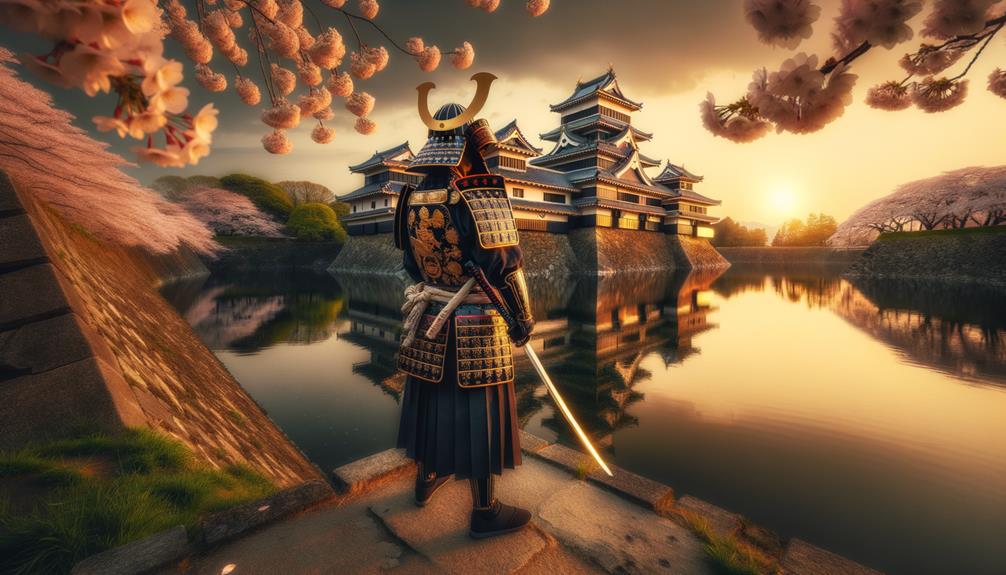
Wandering through Matsue Castle, I was captivated by its majestic architecture and the rich history embedded in its ancient walls. Recognized as a National Treasure, Matsue Castle is one of the few remaining original Japanese castles, offering a genuine glimpse into the past. The view from the top of the castle keep is nothing short of spectacular, with a 360-degree panorama of the cityscape and the surrounding landscape.
Jozan Park, which surrounds the castle, is perfect for a leisurely stroll. Its picturesque paths wind along stone walls, moats, and gentle hillsides. The tranquil boat cruises around the castle moats gave me a unique perspective of this historic site, with the castle’s reflection on the water adding a timeless quality to my visit. Boat cruises operate from 9:00 AM to 5:00 PM (until 4:00 PM from October to February) with departures every 20-30 minutes. A 1-day pass costs ¥1600.
The castle’s cultural vibrancy comes alive during special events. I was lucky enough to experience a drum festival, where the powerful rhythms echoed through the grounds, evoking the spirit of the samurai era. As night fell, the evening illuminations cast a magical glow over the castle, enhancing its grandeur and mystery.
Matsue Castle is more than just a historic site; it’s a testament to Japan’s rich heritage, offering unforgettable experiences at every turn.
Nearby Attractions
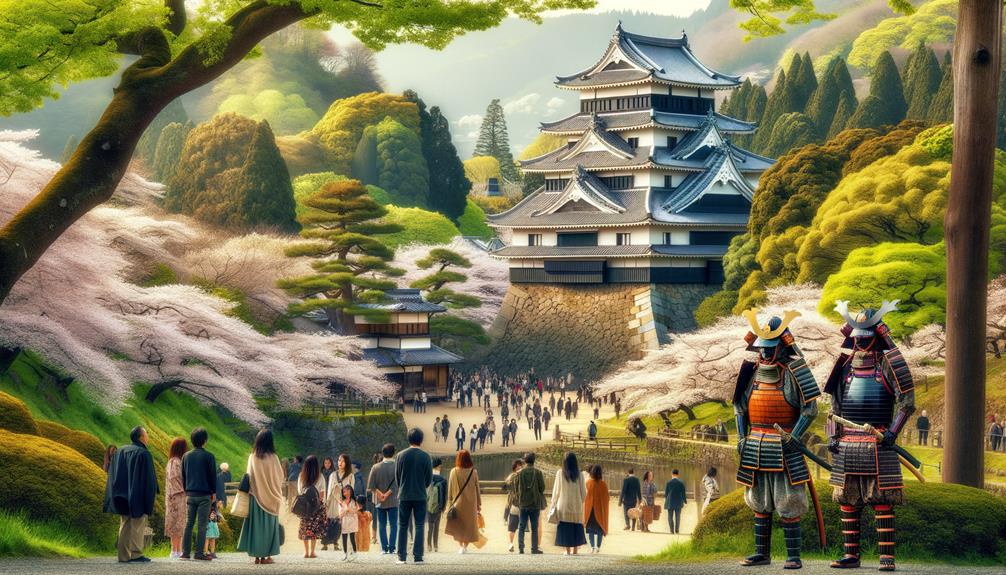
After taking in the beauty of Matsue Castle, I found that the area around it is rich with attractions that enhance the historical and cultural vibe. Matsue’s appeal goes beyond the castle, offering samurai history, natural beauty, and lively local culture.
- Matsue History Museum: Just a short walk from the castle, this museum offers a deep look into the region's past with displays and exhibits that highlight Matsue's samurai roots.
- Meimei-An Garden: This peaceful garden is home to a tea house where traditional tea ceremonies are offered. The calm surroundings made it a great spot for me to think about the samurai era while enjoying traditional matcha. Check their official site for schedules and booking requirements.
- Aquas Shimane Aquarium: Located a quick trip from Matsue Station, the aquarium showcases a variety of aquatic life, including fun-loving beluga whales. It's a refreshing break from historical sites.
- Musha Gyoretsu Warrior Parade: This lively event brings the spirit of the samurai to life with a grand parade of warriors, celebrating the founding of Matsue. It takes place annually on the first Saturday of April.
Also, the Tsuwano Yabusame Festival, featuring exciting mounted archery, is held on the first Sunday of April at Washibara Hachimangu Shrine in Tsuwano. The Matsue Suitouro (Water Lantern Festival) illuminates the area around Matsue Castle in autumn, adding more cultural layers to the visit. Each attraction adds to the rich story of Matsue’s history, making the experience truly memorable.
Visitor Information and Booking
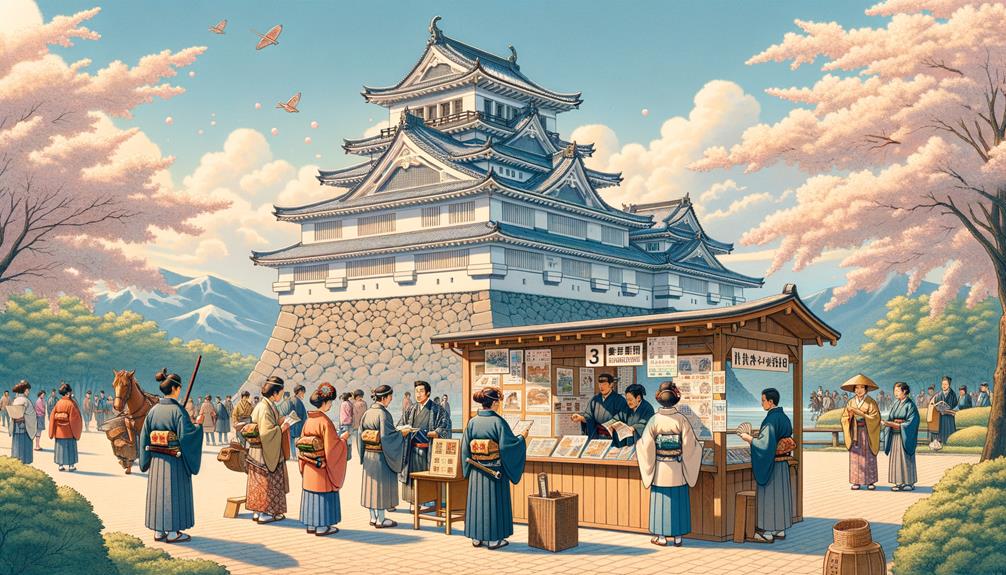
Booking tickets for Matsue Castle is straightforward. Online ticket booking is available for the castle tower. While there isn’t a single “Matsue Castle Samurai Experience” package, various activities and tours can be booked separately. I found it easy to book my visit, and the confirmation emails arrived quickly, outlining the details of my reservation and providing helpful information about the meeting point and what to expect.
The guided tours led by professional guides make samurai history and culture come alive. My guide was incredibly knowledgeable, sharing fascinating stories and insights about the samurai who once roamed the castle grounds. Exploring the castle with such expert guidance gave me a deeper appreciation for the samurai way of life. English-speaking guides are available on weekends from March to November, 10:00 AM to 4:00 PM, but reservations are recommended.
For those traveling in groups, discounts are available for Matsue Castle admission, making it more affordable to enjoy this enriching experience together. Specific tours and activities will have their own schedules, so it’s best to check individual listings for flexibility.
Cancellation policies are clearly outlined by individual tour operators or the castle itself, giving you peace of mind if your plans change. With everything so well-organized, my visit to Matsue Castle was seamless, informative, and unforgettable.
Frequently Asked Questions
What Are Some Interesting Facts About Matsue Castle?
They say, “Seeing is believing.” Matsue Castle is one of Japan’s 12 original castles and has been designated a National Treasure. From the top floor, you can enjoy a stunning 360-degree view of the area. Jozan Park, located nearby, is the perfect spot to see cherry blossoms. It’s a place where history and beauty blend seamlessly.
Where Can I See Samurai History in Japan?
I felt the history of the samurai come alive at Nijo Castle in Kyoto, where you can still sense the power in the shogun’s chambers. Another fantastic place is Kanazawa’s Nagamachi Samurai District. The preserved homes and narrow streets there really give you a glimpse into the everyday life of a samurai.
What Was Matsue Castle Built For?
Matsue Castle was built back in 1611 as both a military fortress and a home for the Matsudaira clan. Sitting atop Mount Kameda, its position offered excellent defense and a clear view of the surrounding area. The castle combines classic Japanese architecture with practical features like archer slits for protection.
How Do I Get to Matsue Castle?
Getting to Matsue Castle from JR Matsue Station is straightforward. You can take a 10-minute Ichibata bus ride to the Kencho-mae bus stop, or use the Lakeline loop bus. Alternatively, it’s about a 30-minute walk. It’s a smooth journey that nicely contrasts with the castle’s rich history, blending modern convenience with a touch of the past.