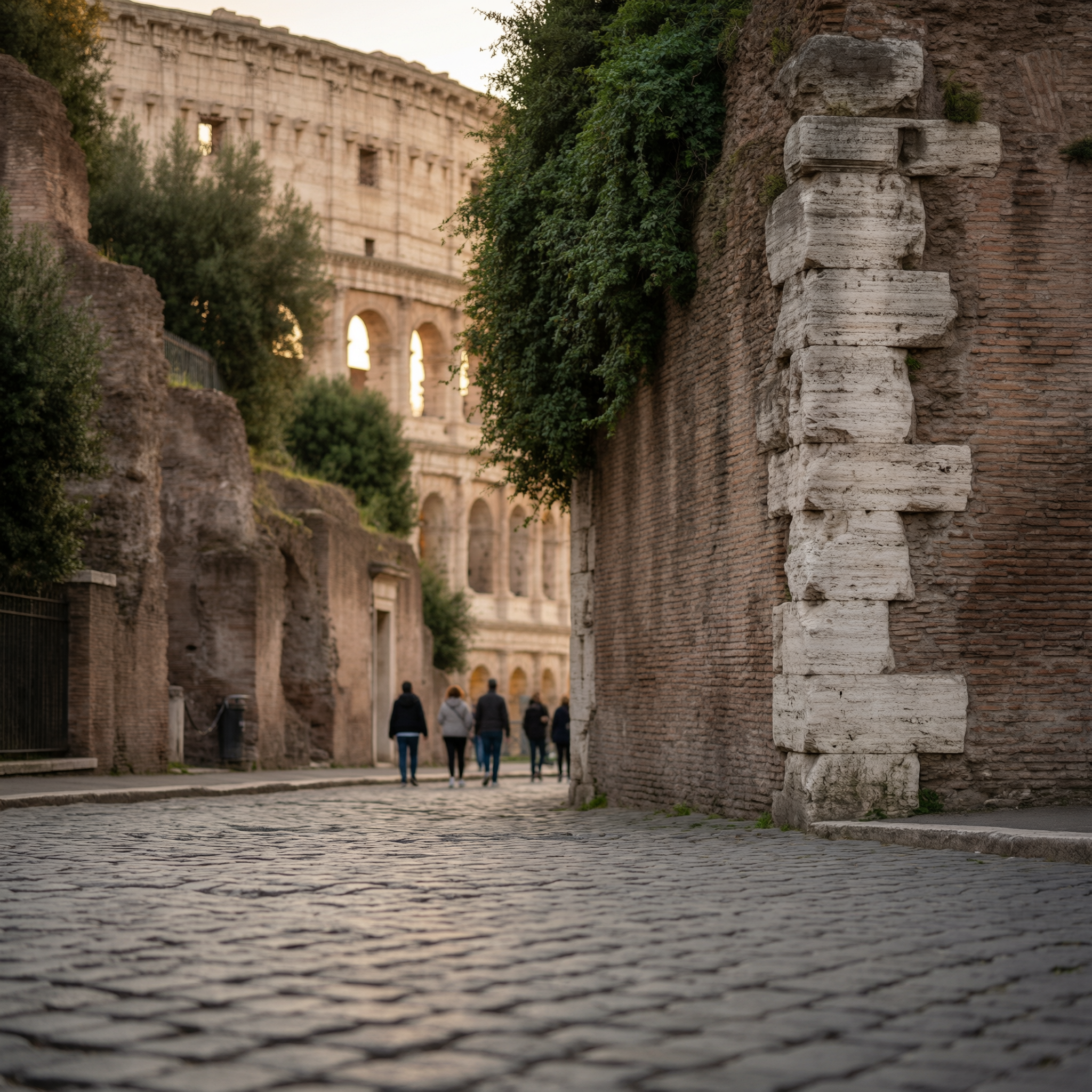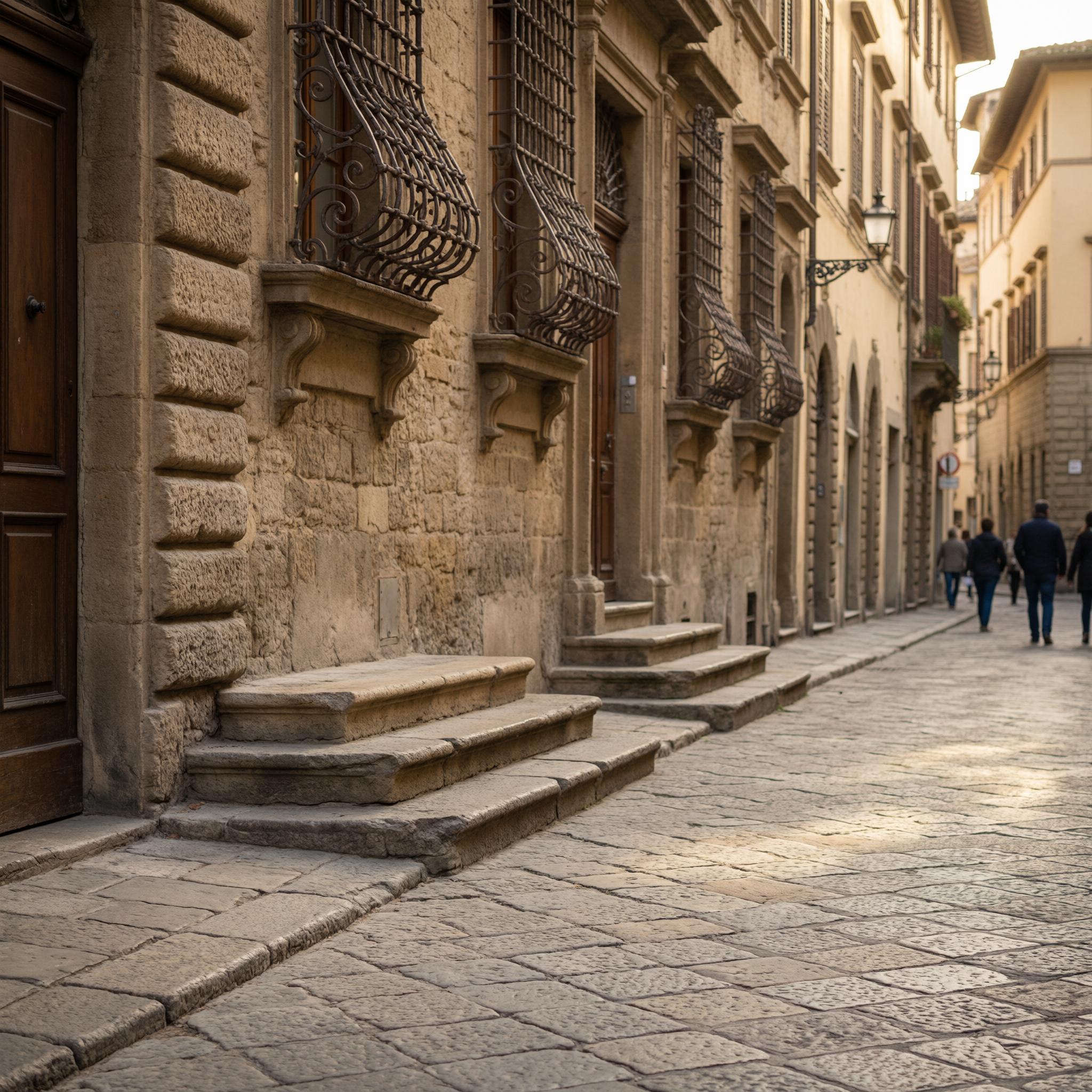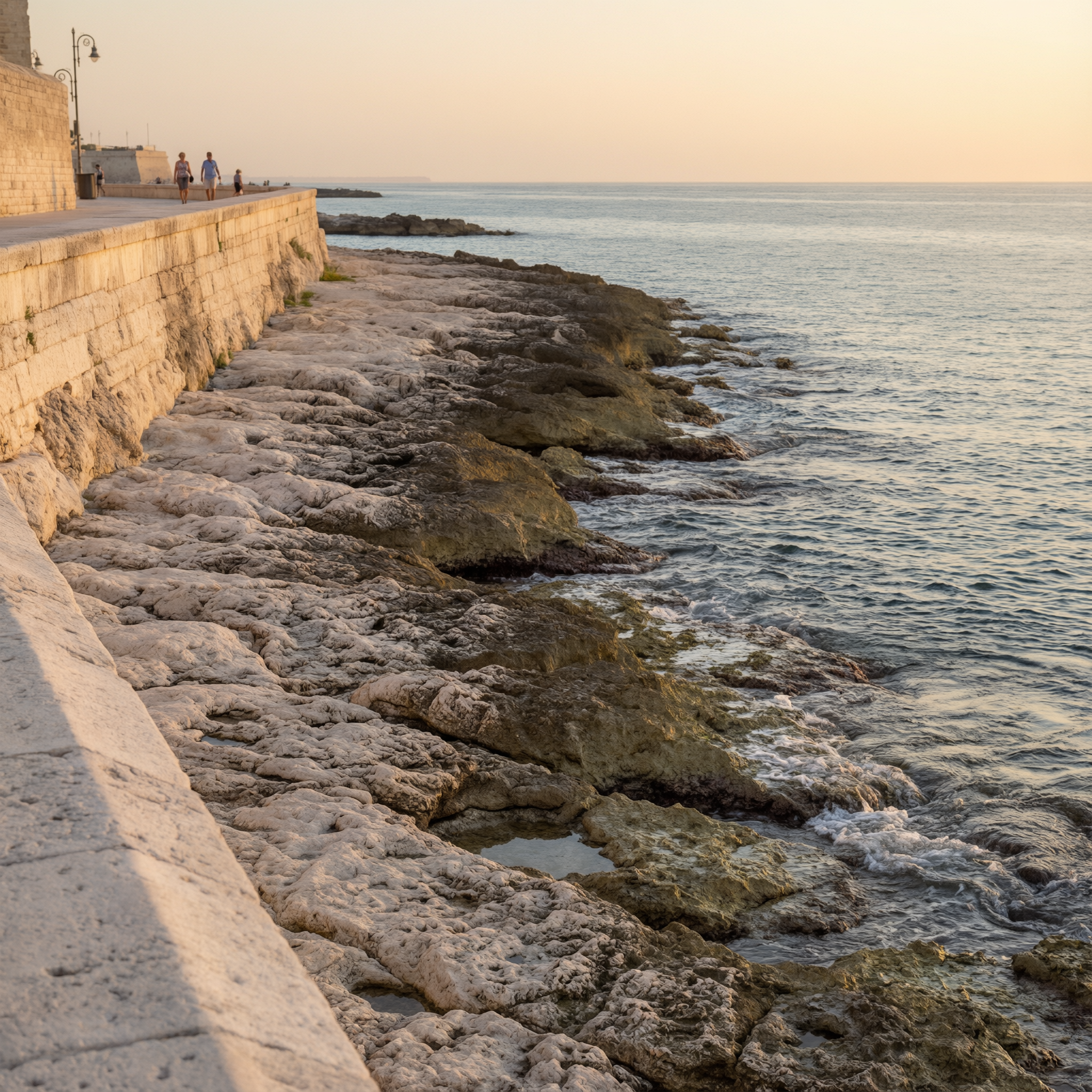
I began my time in Bari with a walking route through the city’s historic center, starting at Piazza Mercantile. The cobblestone streets wound past old churches and quiet piazzas, and the smell of fresh seafood drifting from nearby trattorias made it easy to slow down. The Adriatic Sea glittered at the edges of the old town, pulling me further along the waterfront with each turn.
Before you go: Visitor details can change. Check Basilica Pontificia San Nicola – Official Site and Bari | Visit Puglia (Official Tourism Portal) before you go.
Walking Route Through Bari Vecchia
Starting from Piazza Mercantile in the heart of Bari Vecchia, I was immediately drawn into the old city’s atmosphere—sea views framing the ends of narrow lanes, and the worn stone underfoot carrying a sense of long use. The cobblestone streets of Bari’s old town have a quiet confidence about them, each block opening onto something unexpected.
Before long, I reached the Basilica of San Nicola, its grand façade a clear marker of Bari’s deep spiritual history. I paused to take in the stonework before continuing toward the water. The Adriatic Sea opened up at the edge of the old town, its blue expanse offering a sharp contrast to the dense medieval streets behind me.
Reaching the Lungomare Imperatore Augusto, the route shifted from tight historic lanes to an open seafront, where the old city and the modern waterfront met in a way that felt entirely natural.
Lungomare Imperatore Augusto
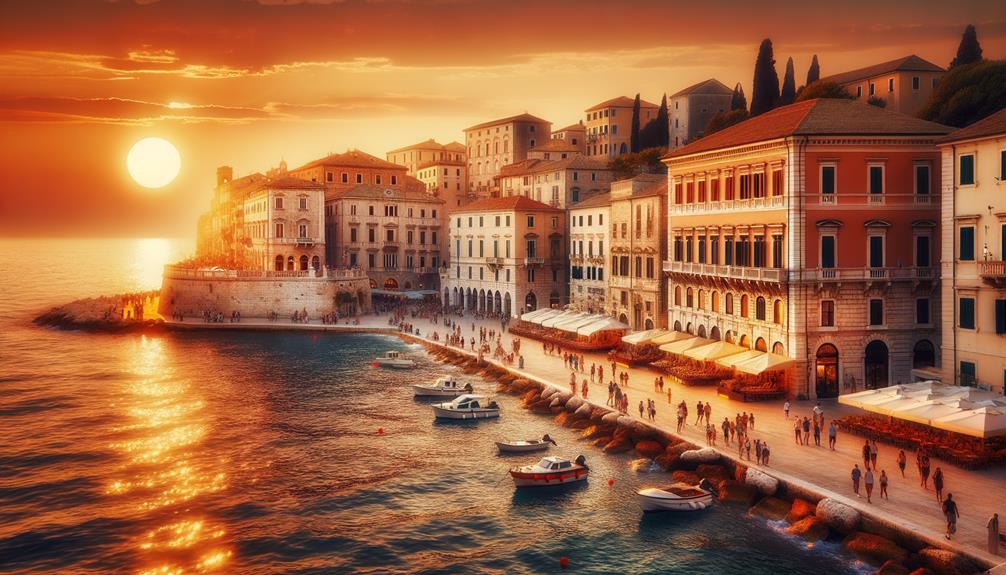
Walking along Lungomare Imperatore Augusto, I was immediately struck by the unbroken views of the Adriatic Sea. The seafront promenade begins near the yacht club on Piazza IV Novembre and follows a flat, easy path suitable for walkers of all fitness levels. Note that Lungomare Nazario Sauro is the name given to another stretch of Bari’s waterfront; the two promenades together form the city’s extended coastal walk.
As I strolled, I passed locals and visitors alike settling into the unhurried pace of the place—conversations spilling out of cafes, people eating at outdoor tables, others simply sitting on benches watching the water. The sound of waves and the occasional clink of glasses set the rhythm of the afternoon.
The promenade is well-lit at night, making it a comfortable walk after dark as well. Lungomare Imperatore Augusto is less a route to complete than a place to settle into—somewhere the seaside culture of Bari makes itself felt at every bench and balustrade.
Waterfront San Girolamo-Fesca
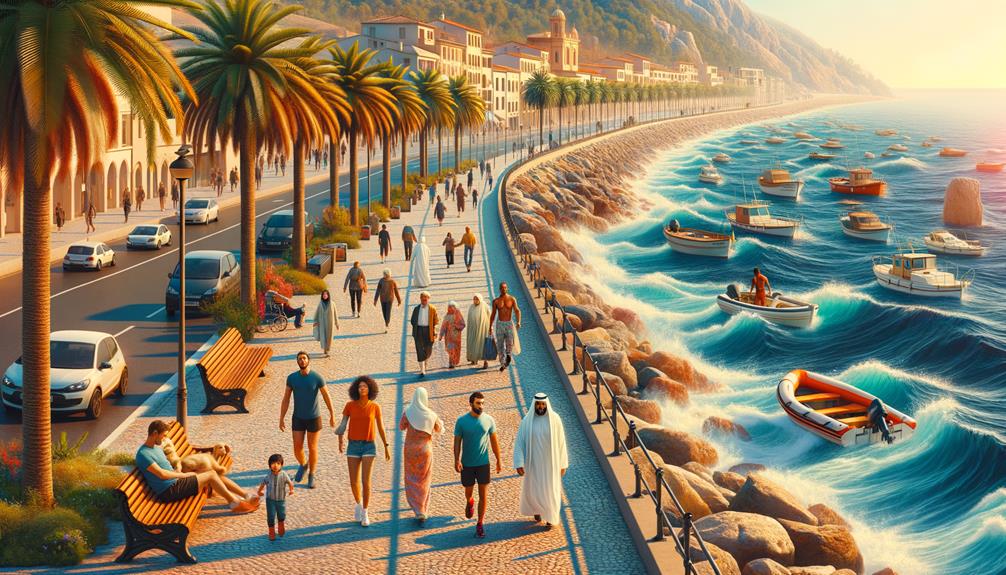
Strolling along the Waterfront San Girolamo-Fesca, I was struck by how the new promenade balances open beach on one side with the city’s low skyline on the other. The coastal scenery shifts gradually as you walk, and the sound of the waves provides a steady counterpoint to the hum of the neighbourhood behind.
Part of Bari’s broader urban redevelopment, the promenade is reported to include beach areas, gardens, and a commercial center, though visitors should check current conditions before heading out, as the project has been ongoing. Walking here, I felt the openness of the sea alongside the energy of a neighbourhood in the middle of reinventing itself.
| Activity | Experience | Audience |
|---|---|---|
| Walking along | Scenic views of the Adriatic Sea | Locals, Tourists |
| Jogging | Fresh sea breeze, smooth paths | Fitness Enthusiasts |
| Relaxing | Calm atmosphere, picturesque views | Everyone |
| Exploring gardens | Green spaces amid urban setting | Nature Lovers |
| Visiting commercial center | Shopping, dining options | Shoppers, Foodies |
Close to Bari’s historic center, this waterfront makes a natural extension of a day spent exploring the old town and the Lungomare. Whether you arrive on foot from Lungomare Imperatore Augusto or come specifically to see the redevelopment, it offers a different, quieter side of the city’s relationship with the sea.
Trani Cliff Walk

Perched along the stunning Adriatic coastline, the Trani Cliff Walk seamlessly combines natural beauty with historical charm. Starting from the Trani seafront promenade, the path turns into a cliff-top trail offering sweeping views of the Adriatic Sea. As I began my walk, the fresh sea breeze and the sound of the waves drew me in immediately, with the historic Torre Olivieri appearing along the route as a striking reminder of the area’s layered past.
For those who love to explore, here are some highlights:
- Panoramic views: Wide, unobstructed scenes of the Adriatic Sea throughout the walk.
- Coastal flora and fauna: A variety of plants and birds along the cliff edge.
- Photography: Strong light and dramatic cliff-top angles make this a rewarding stretch for photographs.
- Historic tower: Torre Olivieri, a coastal watchtower, marks the far end of the trail.
- Accessible terrain: Suitable for most fitness levels, though some sections are steep and rocky.
The trail’s exact length and walking time are not officially confirmed, so I’d recommend checking locally before you set out—conditions and access points can vary. The terrain kept things interesting throughout, with rocky stretches that required some care underfoot. Arriving at Torre Olivieri, a stone watchtower standing at the trail’s end, felt like a fitting conclusion to the walk. Check the official site or local tourism offices before visiting for the most current trail information.
Alta Murgia National Park
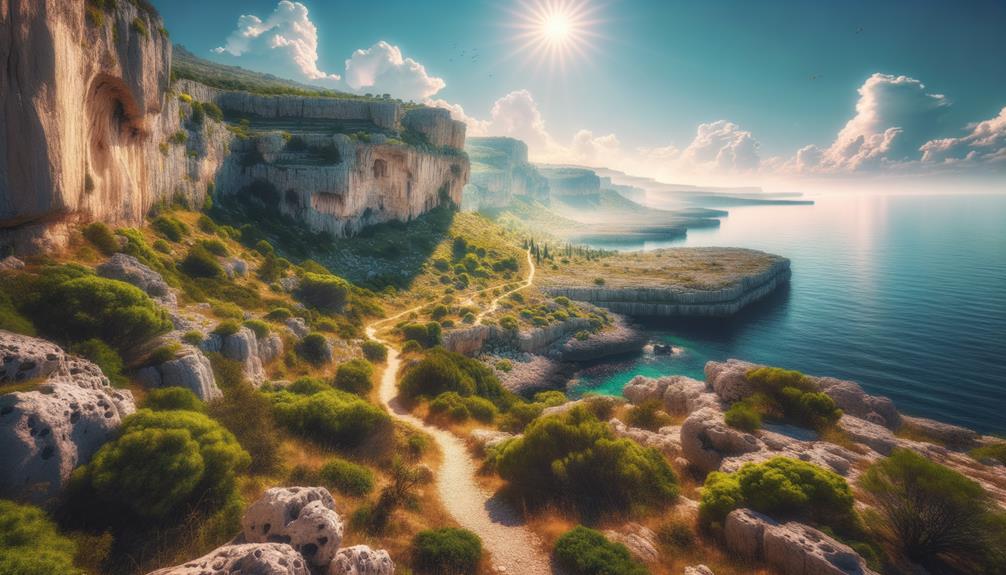
Amid rolling hills and ancient landscapes, Alta Murgia National Park offers a rugged escape into the interior of Puglia. As I wandered through the park, I felt a genuine connection to the region’s raw, open terrain. Spanning over 600 square kilometres, this national park encompasses a wide range of Apulian landscapes. Trails that once served shepherds now guide walkers past ancient cave dwellings and small hillside churches.
Starting from the historic city of Gravina di Puglia, my walk took me into a landscape where the pace of change feels slow and deliberate. For practical guidance—maps, trail conditions, and access points—I’d recommend contacting visitor facilities near Gravina di Puglia or checking the park’s official resources before you go, as visitor center locations can vary. The hiking trails range from easy to demanding, passing through olive and almond groves that speak to the region’s long farming traditions.
For those seeking a longer challenge, multi-day routes through the park offer a more demanding but rewarding experience of the countryside. As I hiked, the quiet landscape and distant hilltop towns gave the walk a reflective quality. Alta Murgia National Park, with its particular mix of natural and historical character, rewards anyone willing to move through it slowly.
Forest De Mercadante

When I stepped into the Forest De Mercadante, the thick canopy and the clean scent of pine created an immediate sense of calm. Located a short drive from Bari, this forest in Puglia offers a quiet contrast to the city’s coastal bustle. The trails wind through dense woodland, and the forest has a history worth looking into before you visit—local information boards and any available guides can add useful context to the walk.
The paths took me through a green landscape where each turn opened onto something new. There was a stillness here that felt genuinely restorative, and I found myself walking more slowly than usual, paying attention to the light through the trees.
- Ancient oak and pine trees: The mature woodland creates a natural, cathedral-like atmosphere.
- Wildlife: Watch for deer and various bird species along the trails.
- Picnic spots: Several clearings offer good places to stop for lunch.
- Historical features: Old stone structures and remnants of past use appear along some paths.
- Walking trails: Routes range from easy, flat strolls to more demanding woodland hikes.
Walking through the Forest De Mercadante was a straightforward but genuinely refreshing escape—nature and a thread of local history running through the same afternoon.
Parco Regionale Della Murgia Materana
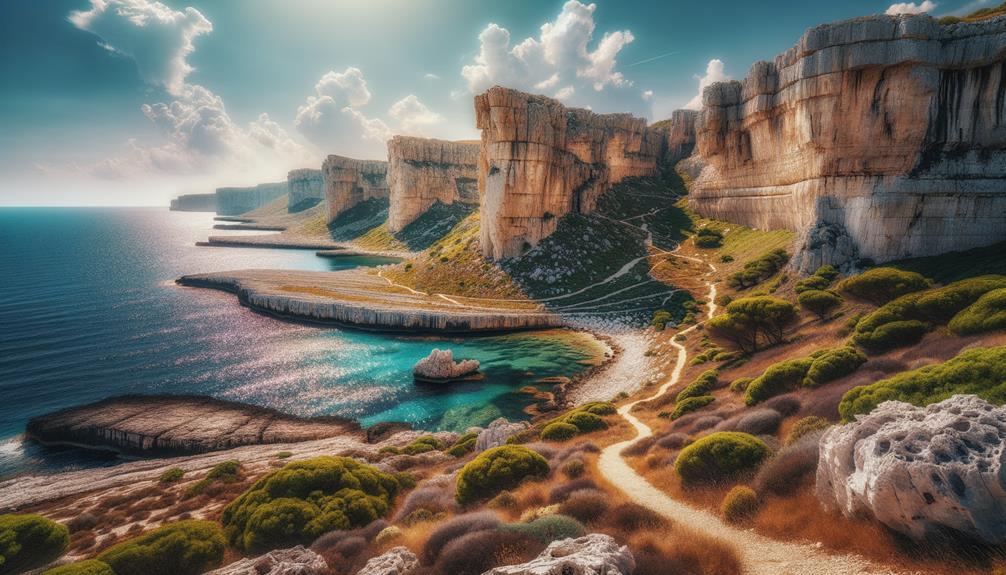
When I first set foot in Parco Regionale Della Murgia Materana—located in Matera province rather than Bari—I was struck by the raw character of its rugged hills and ancient cave dwellings. The landscape carries a weight of history that becomes more apparent the further you walk into it. Each site seemed to hold traces of the region’s long cultural past, and the Apulian terrain revealed new details at every turn.
I joined a small-group walking tour led by a knowledgeable guide who brought the old settlements into focus. We moved through the landscape at a measured pace, discovering rock-cut churches and traditional rural structures that connected the present to Roman-era occupation and beyond.
Amid the natural beauty, we found ourselves immersed in the sights and sounds of the park, discovering local flavors at nearby trattorias and exploring the landscape on foot. The experience left us with a deep appreciation for the region’s rich biodiversity and the quiet drama of its ancient terrain.
Every section of the park offered a fresh perspective. The historic sheep-herding routes, the open views, and the sense of continuity between past and present made this one of the more memorable walks of the trip.
Parco Terre Delle Gravine

About an hour’s drive south of Bari, Parco Terre Delle Gravine opened up as a landscape of deep ravines, ancient forests, and wide agricultural plains. Covering 280 square kilometres, this regional park offers a range of walking opportunities across varied terrain. As I began my hike, the scale of the countryside was immediately apparent.
Walking through stretches of olive groves and almond fields, I felt a strong connection to the land and its agricultural rhythms. The park contains historic villages and cave dwellings carved into the ravine walls—each one a reminder of how long people have made use of this particular landscape. Note that the Via Ellenica del Cammino Materano, sometimes associated with this region, may belong to Matera province rather than this park specifically; verify trail details with local tourism offices before planning a long-distance route.
The park supports a range of wildlife, and I was fortunate to see deer moving through the woodland and hear wild boar in the undergrowth. For maps and current trail advice, check with local visitor facilities or the park’s official resources before setting out.
- Extensive olive groves and almond fields
- Historic villages and ancient cave dwellings
- Long-distance walking routes through the ravine landscape
- Diverse wildlife, including deer and wild boar
- Local visitor facilities with maps and trail guidance
Bosco Delle Pianelle

After leaving Parco Terre Delle Gravine, I arrived at the edge of Bosco Delle Pianelle, a forested nature reserve with a character entirely its own. Spanning over 1,200 hectares, this reserve sits quietly in Puglia’s countryside. As I walked in, the density of Mediterranean vegetation closed around me—oak, beech, and pine forming a canopy overhead, with wildflowers and low undergrowth covering the forest floor.
The forest was full of sound: deer in a clearing, wild boar rustling somewhere out of sight, birds of prey calling from above. I set out on the 12-kilometre Sentiero delle Pianelle trail, a demanding but rewarding route that took the better part of a day to complete properly.
I picked up trail information before heading in—I’d recommend doing the same, as conditions can vary. Each stretch deeper into the forest brought something new: old trees, patches of open ground, and the particular quiet that only dense woodland produces. Bosco delle Pianelle is a place for anyone who wants to spend serious time in the wilder side of Puglia.
Frequently Asked Questions
What Is the Best Beach Town Near Bari?
I’ve explored Polignano a Mare’s sea caves and swum in its clear waters. The whitewashed houses, narrow streets, and dramatic clifftop setting make it my favourite beach town within easy reach of Bari.
Where to Walk Around in Bari?
I found the Lungomare Imperatore Augusto the most satisfying walk in the city—the sea breeze, the yachts, and the long unbroken view of the Adriatic made it easy to keep going. It captures Bari’s coastal character better than anywhere else I walked.
Is Bari a Walkable City?
Very much so. I spent time wandering through the old town, walked the length of the seafront promenade along Lungomare Imperatore Augusto and Lungomare Nazario Sauro, and found the flat, grid-pattern streets of the modern centre easy to navigate on foot. The city rewards slow exploration.
Can You Swim in Bari, Italy?
Yes—the Adriatic waters around Bari are suitable for swimming, and Pane e Pomodoro beach is a confirmed and popular spot for a dip. It’s a straightforward way to experience the Italian coast without leaving the city.