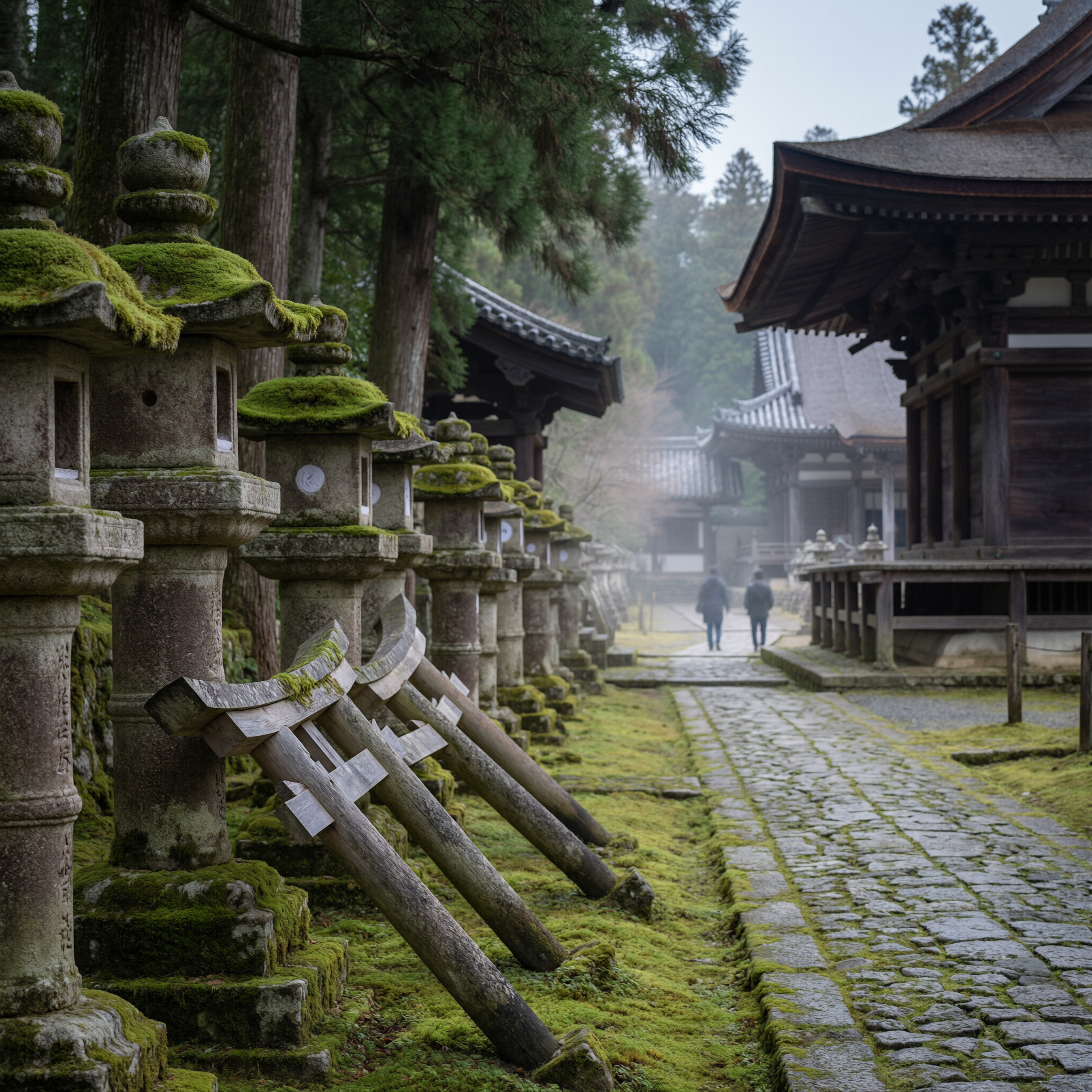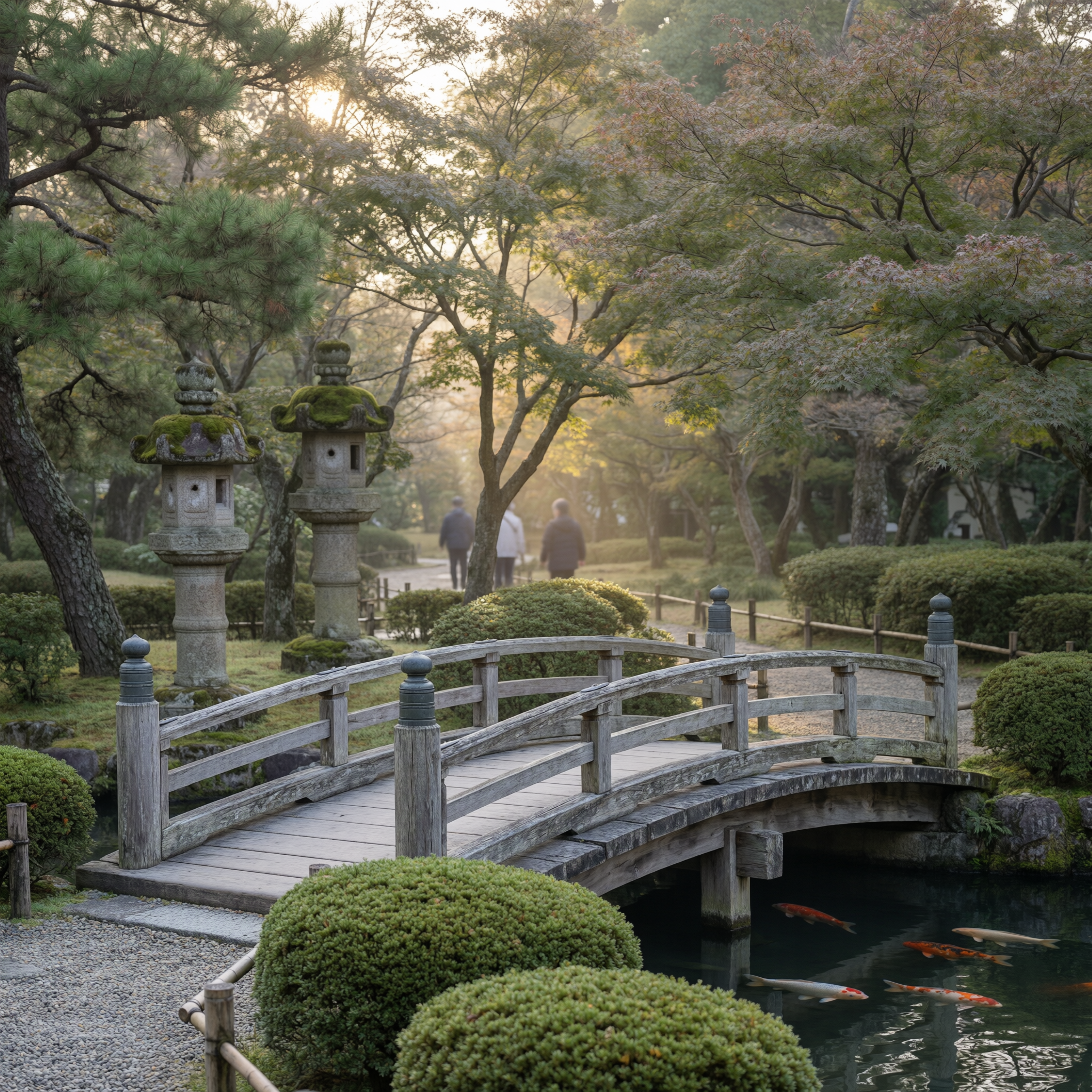
Walking through Himeji Koko-en Garden, I find peace in the carefully placed stones, hear calm in the flowing waterfalls, and sense history in the Edo-period architecture that shapes its nine walled gardens. Each area, whether it’s the lush tea garden or the quiet pine tree garden, tells a unique story that blends the past and present effortlessly. As I wander further, the grand Himeji Castle appears in the background, adding a stunning touch to the already beautiful scenery. There’s a certain charm here that invites me to dive deeper into Himeji’s rich cultural heritage.
Before you go: Visitor details can change. Check The World Cultural Heritage: The National Treasure of Himeji Castle and Kokoen Garden – Himeji Travel – Japan Guide before you go.
History of Koko-en
Koko-en Garden, built in 1992 on the historic site of the lord’s west residence in Himeji, celebrates the city’s rich heritage and natural beauty. Walking through the garden, the history of the place felt palpable. What was once the domain of feudal lords is now a beautiful retreat open to everyone seeking peace and beauty.
The garden was created to commemorate the 100th anniversary of Himeji becoming a municipality. It’s intriguing to think how a space that once catered to the ruling elite now provides a serene spot for all visitors. Choosing the lord’s west residence site was a deliberate way to honor history, blending the past with the present.
Koko-en formed a sister garden relationship with Ro Ho En in Phoenix, Arizona, in 2017. With its 3.5 hectares of space, Koko-en offers plenty to explore and serves as a reminder that history isn’t just found in books but lives on in places like this.
Gardens Within Koko-En

As I walked through the nine distinct walled gardens, each one carefully designed to reflect the grace of Edo-period styles, I was struck by how beautifully nature and history were intertwined. Every garden told its own seasonal tale, from the bold colors of the Garden of Flowers to the calm simplicity of the Tea Ceremony Garden. It was like stepping into a living work of art, where each detail was selected to bring about a sense of timeless peace.
The gardens within Koko-en are more than just pretty sights; they offer a journey through Japan’s rich history. Their layout mirrors the homes and pathways from the Edo period, giving visitors a direct connection to a time known for its simplicity and elegance. As I wandered, the imposing Himeji Castle in the background added an extra touch of grandeur, rooting the gardens in a deep cultural setting.
Strolling through these gardens, I felt a deep sense of freedom. The thoughtful design encourages you to stop, think, and truly soak in the harmony of nature and history. It’s a place where the past and present meet, providing a unique break from the hustle and bustle of modern life.
Architecture and Design
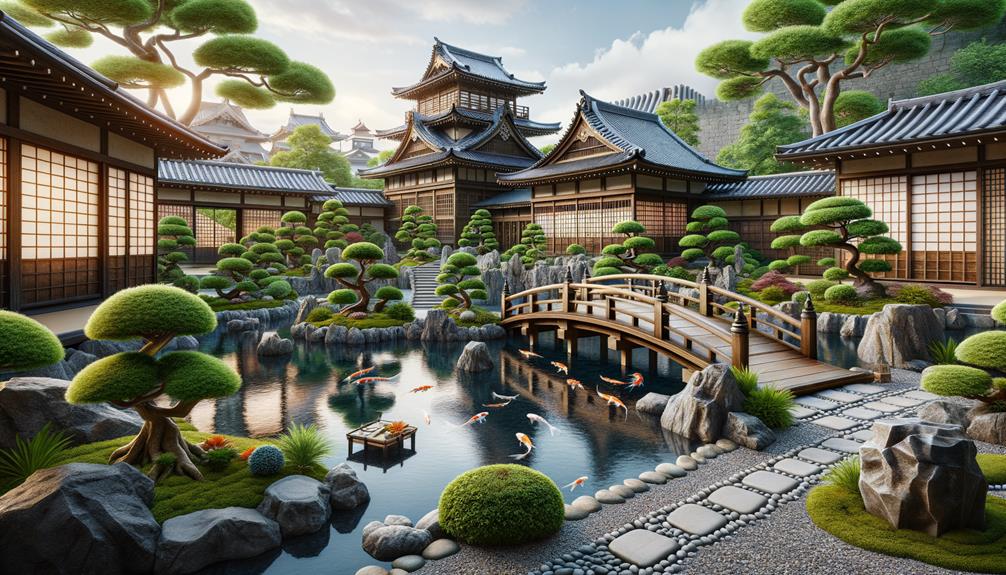
The intricate architecture and thoughtful design of the gardens beautifully merge Edo-period aesthetics with the grandeur of Himeji Castle. Walking through Koko-en, I immediately notice how traditional Japanese elements like Tsuji-bei walls and Yashikimon gates create a seamless flow, guiding me deeper into a world that feels both ancient and timeless.
Each of the nine gardens within Koko-en is carefully crafted to reflect historical residences and pathways from the Edo period. The Nagayamon gates stand tall and inviting, taking me back to a time when simplicity and elegance were key. I can’t help but admire how streams, waterfalls, and ponds intricately connect these gardens, creating a serene and picturesque setting that is truly enchanting.
The design isn’t just about looks; it’s a living representation of traditional Japanese culture. Every stone, plant, and water feature is placed with intention, offering moments of reflection and tranquility. As I wander through these thoughtfully designed spaces, the stunning backdrop of Himeji Castle amplifies the beauty and cultural significance of Koko-en’s architecture and design, making it an unforgettable experience.
Access and Directions
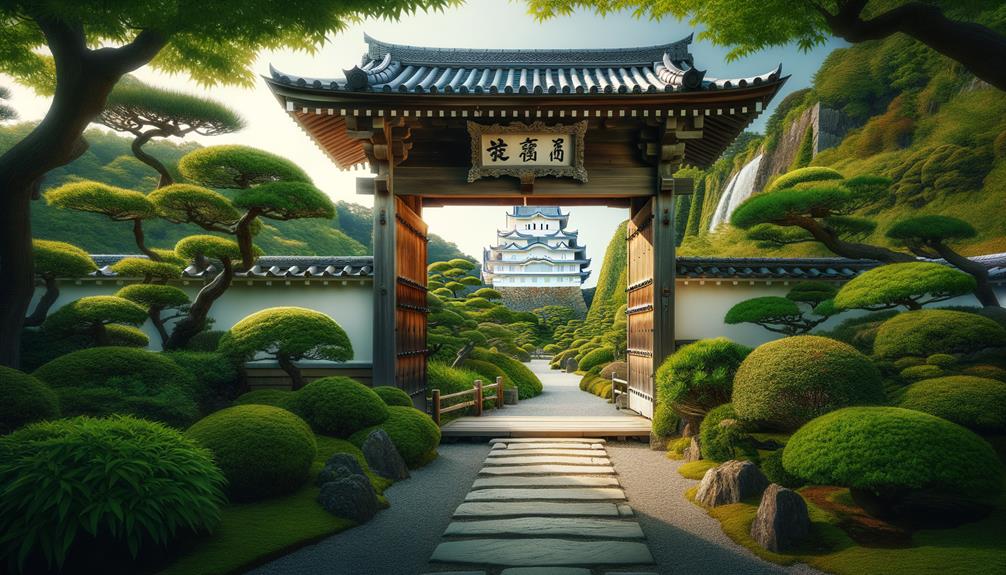
Getting to Himeji Koko-en Garden is easy and convenient, whether you enjoy a relaxed walk or a quick bus ride. The garden’s close location to Himeji Castle makes it a perfect follow-up visit, seamlessly transitioning from the castle’s grandeur to the garden’s calm beauty.
If you’re starting from Himeji Station, you have a couple of options. A pleasant 20-minute walk through the city’s charming streets will bring you to the garden. If you prefer a faster option, catch the Shinki Bus from Himeji Station’s North Exit, and you’ll arrive at the Himeji Castle Otemon-mae bus stop in just five minutes. From there, it’s just a short stroll to the garden.
Here’s a quick breakdown:
| Travel Method | Duration | Starting Point |
|---|---|---|
| Walking | 20 mins | Himeji Station |
| Bus | 5 mins | Himeji Station, North Exit |
| Walking | 15 mins | Himeji Station (JR/Sanyo) |
| Walking | Few mins | Himeji Castle Main Gate |
With easy access from both Himeji Station and Himeji Castle, visiting Koko-en Garden can easily fit into your plans. Whether you choose to walk or take the bus, the journey allows you to enjoy glimpses of Himeji’s lively city life along the way.
Events and Exhibits
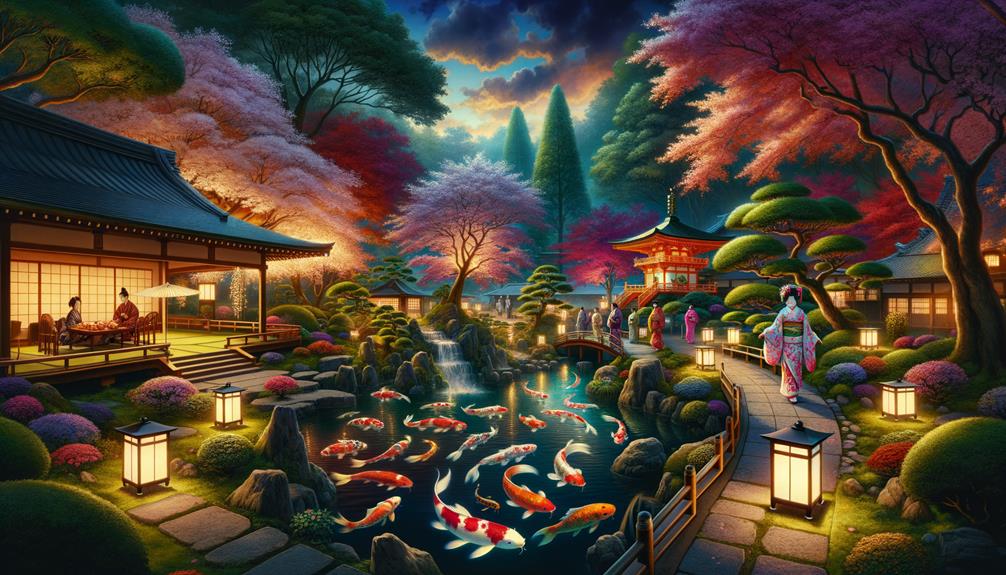
After a calm walk through the peaceful paths of Himeji Koko-en Garden, you’ll discover that the garden’s appeal goes beyond its beautiful landscapes, offering a range of engaging events and exhibits. Located next to Himeji Castle, the Tea Ceremony Garden provides a genuine experience of the traditional Japanese tea ceremony, blending tranquility with cultural insight that leaves a lasting impression.
Himeji Koko-en Garden is open from 9:00 AM to 5:00 PM (last entry 4:30 PM) from September to March, and from 9:00 AM to 6:00 PM (last entry 5:30 PM) from April 27 to August 31. It is closed on December 29th and 30th. Each delicate design tells a unique story, capturing the essence of Japanese craftsmanship and creativity. It’s a must-see for anyone who appreciates fine art.
Every event and exhibit at Himeji Koko-en Garden is carefully curated, making each visit special. Whether you’re an art lover, a culture enthusiast, or simply enjoy nature, there’s something here for everyone.
Visitor Facilities
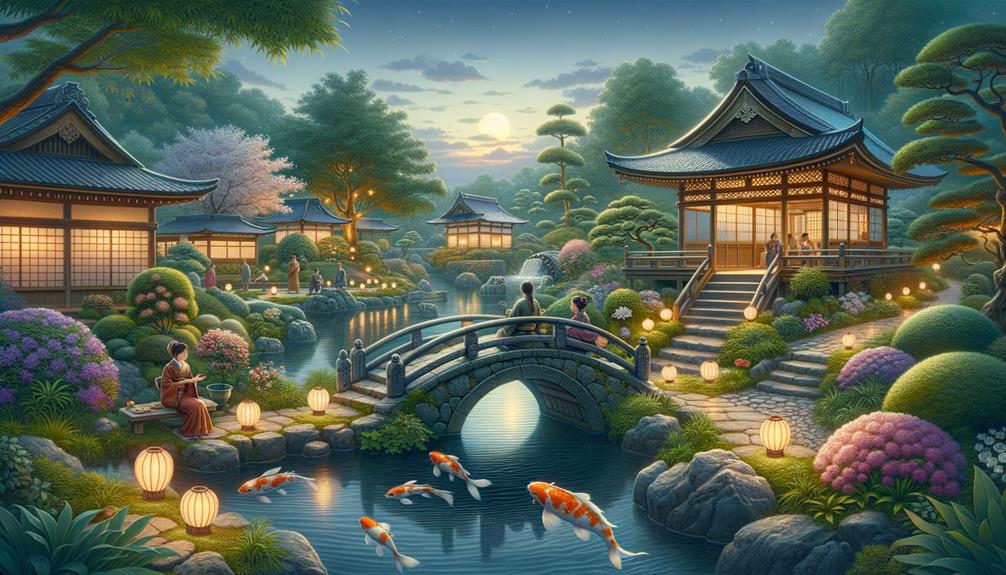
As I strolled through the peaceful paths of Koko-en Garden, I couldn’t help but notice how well the visitor facilities are set up to make the experience better. The clean restrooms, tasty dining choices, and handy amenities like Wi-Fi and credit card acceptance make everything straightforward. It’s clear that every detail, from accessibility to comfort, has been carefully planned to ensure a relaxing and enjoyable visit for everyone.
Restrooms and Hygiene
The garden has restrooms available. As you explore the garden, you might head towards the Lords Residence for a fantastic view. Just past this peaceful area, you’ll find clean and well-kept restrooms to ensure a smooth experience for us.
While I wandered through the garden, I noticed the restrooms are thoughtfully placed at key spots. They’re modern and easy to access. The garden is committed to comfort and accessibility.
These improvements show our commitment to comfort and accessibility. While the temporary closure might require a bit of planning, the end result will offer a higher standard of hygiene and convenience. So, even with the main restroom under construction, your visit to Himeji Koko-en Garden will still be enjoyable.
Dining and Refreshments
There are plenty of wonderful dining choices near Koko-en Garden. As I strolled through the beautiful landscape, I noticed a variety of spots just steps away from the garden. From cozy cafes to traditional eateries, each place offers a unique taste of local flavors that perfectly match the peaceful vibe of Koko-en.
One of my favorite finds was a nearby teahouse, where I enjoyed a warm cup of matcha while taking in the carefully maintained scenery. The experience was both calming and energizing, a perfect break after wandering through the garden’s lush paths. For those wanting a heartier meal, there are several charming restaurants serving authentic Japanese dishes, from savory ramen to delicate sushi.
The nearby dining options ensure visitors won’t miss out on great food. These local eateries and cafes not only offer delicious meals but also add to the overall experience of visiting Koko-en Garden, making it a memorable journey through both natural beauty and local cuisine.
Accessibility and Convenience
Visiting Koko-en Garden is incredibly easy thanks to its thoughtful visitor amenities. I found restrooms, and shops conveniently located throughout the garden. The coin lockers were a lifesaver, letting me store my belongings and wander freely, fully enjoying the serene beauty and rich history of this place.
The availability of Wi-Fi meant I could stay connected and share my experiences instantly. It’s also great that they accept credit cards, making transactions smooth and hassle-free. Parking facilities add an extra layer of convenience, especially for those driving in.
The garden’s location is another plus. It’s just a 20-minute walk from Himeji Station or a quick 5-minute bus ride from Himeji Castle Otemon-mae bus stop, making it easy to get to. The garden is open from 9:00 AM to 5:00 PM (last entry 4:30 PM) from September to March, and from 9:00 AM to 6:00 PM (last entry 5:30 PM) from April 27 to August 31, fitting perfectly into a day of exploring Himeji’s cultural landmarks. It is closed on December 29th and 30th. Check the official site before visiting for current hours.
As I strolled through Koko-en, I was captivated by the cherry blossoms and felt a deep connection to the historical legacy surrounding this peaceful oasis.
Seasonal Highlights

When I visit Koko-en Garden, I’m always amazed at how the landscape changes with each season. In the spring, cherry blossoms cover the garden in pink and white, while autumn brings a burst of reds and oranges. It’s wonderful to see how the garden’s beauty shifts throughout the year, inviting me to enjoy its unique charm no matter when I go.
Cherry Blossom Viewing
Springtime at Himeji Koko-en Garden is a sight to behold, with cherry blossom viewing typically from late March to early April. Visitors are invited to experience the serene beauty of hanami, a deeply rooted Japanese tradition that goes beyond just enjoying the view.
As I wandered through the garden, I felt the soft petals falling like confetti. Each step was accompanied by a gentle breeze carrying the sweet scent of blossoms. The lively colors and peaceful atmosphere made it easy to lose myself in the moment, cherishing every second of this fleeting beauty.
Guests can also participate in traditional Japanese activities, such as tea ceremonies held under the blooming cherry blossoms, enhancing their connection to the season. The garden’s thoughtful design ensures that every viewpoint offers a unique perspective of the cherry blossoms, making each visit dynamic and unforgettable.
| Activity | Date Range | Highlight |
|---|---|---|
| Cherry Blossom Viewing | Late March – Early April | Over 100 cherry blossom trees |
| Tea Ceremonies | Throughout Spring | Traditional Japanese experience |
| Scenic Walks | Throughout Spring | Serene beauty of pink blooms |
| Photography | Throughout Spring | Capturing delicate shades of pink |
In these moments, the garden becomes a sanctuary, a perfect escape for those seeking freedom and peace amidst nature’s fleeting masterpiece.
Autumn Foliage Colors
As autumn sets in, Himeji Koko-en Garden comes alive with lively reds, oranges, and yellows, transforming the landscape into a breathtaking mosaic. Walking through the garden, I’m in awe of the beauty of the autumn foliage, with maple and ginkgo trees putting on a stunning display. Each leaf catches the light perfectly, creating a warm, inviting glow that feels like a cozy blanket.
The garden’s diverse plants provide a picturesque backdrop, perfect for capturing those fleeting moments of natural beauty. It’s not just the colors that draw you in, but the way they blend and contrast, creating a living masterpiece. The best time to see the foliage is from late November to early December, making it an ideal time to visit and enjoy this seasonal wonder.
Every twist and turn in Himeji Koko-en Garden reveals another vivid scene, each more enchanting than the last. The autumn foliage adds an extra layer of charm to the already stunning setting, making every visit feel like a new adventure. Surrounded by nature’s brilliance, I can’t help but feel a sense of freedom and awe.
Frequently Asked Questions
Is Kokoen Garden Worth Visiting?
Absolutely, you should visit Kokoen Garden. The mix of traditional architecture, peaceful ponds, and gardens that change with the seasons creates an immersive experience. Each section highlights Japan’s rich history and culture, providing a tranquil escape and stunning views.
How Much Does Himeji Castle Cost?
Admission to Himeji Castle for non-residents (18 and over) is 2,500 yen as of March 1, 2026, and free for those under 18. A combined ticket for Himeji Castle and Koko-en Garden is available for 2,600 yen for adults. Check the official site before visiting for current prices.
How Long Does It Take to See Himeji Castle?
I spent about 2 hours exploring Himeji Castle. The time can vary depending on how deeply you dive into its history and architecture. With fewer crowds, you might get through faster, but it's definitely worth taking your time.
Why Is Himeji Castle so Famous?
Himeji Castle is famous for a few key reasons. Its designation as a UNESCO World Heritage site highlights its cultural and historical importance. The castle’s stunning feudal architecture is a prime example of traditional Japanese design, and its survival through wars and natural disasters makes it a remarkable symbol of resilience. Visitors are often struck by its beauty and the peaceful atmosphere, as well as the incredible panoramic views it offers.