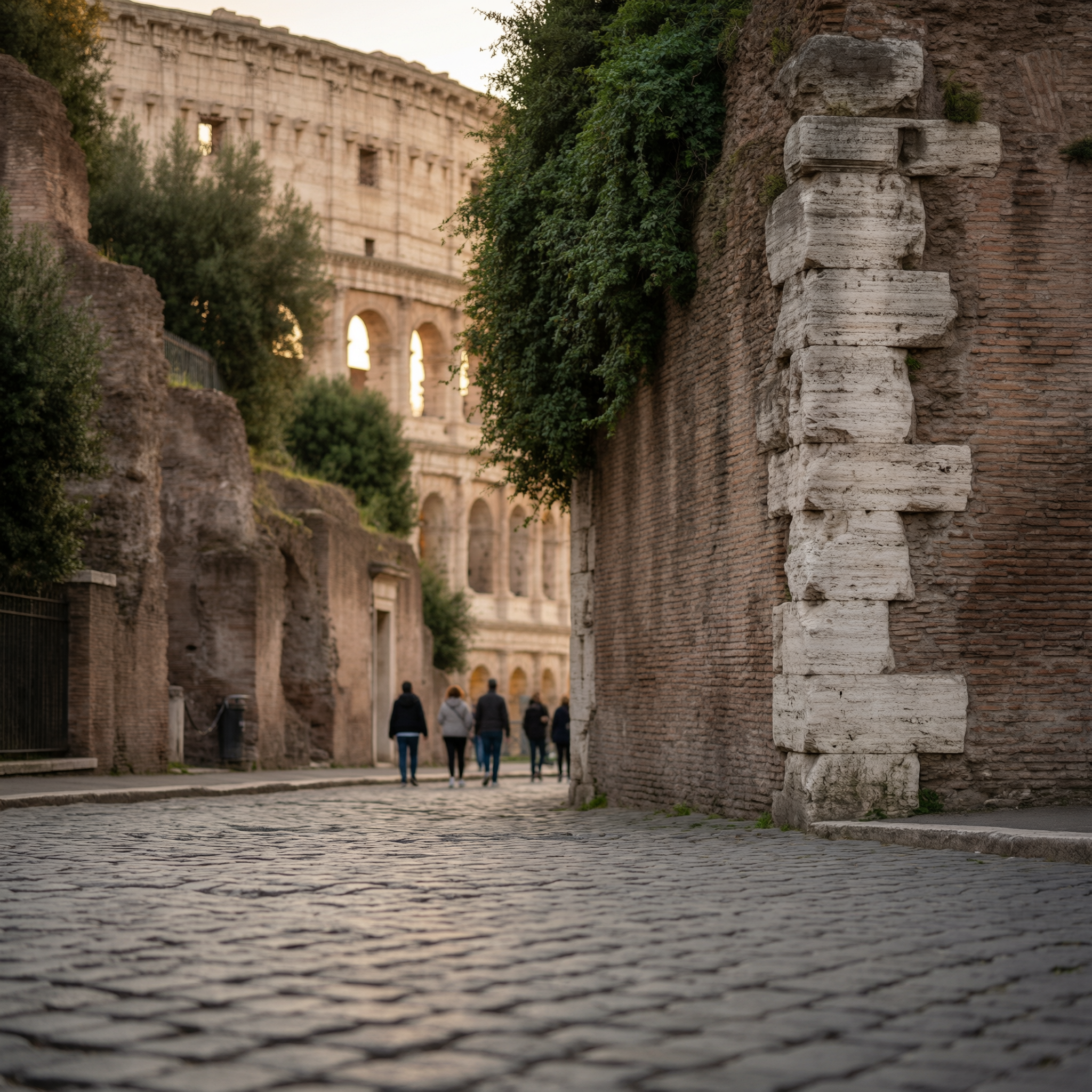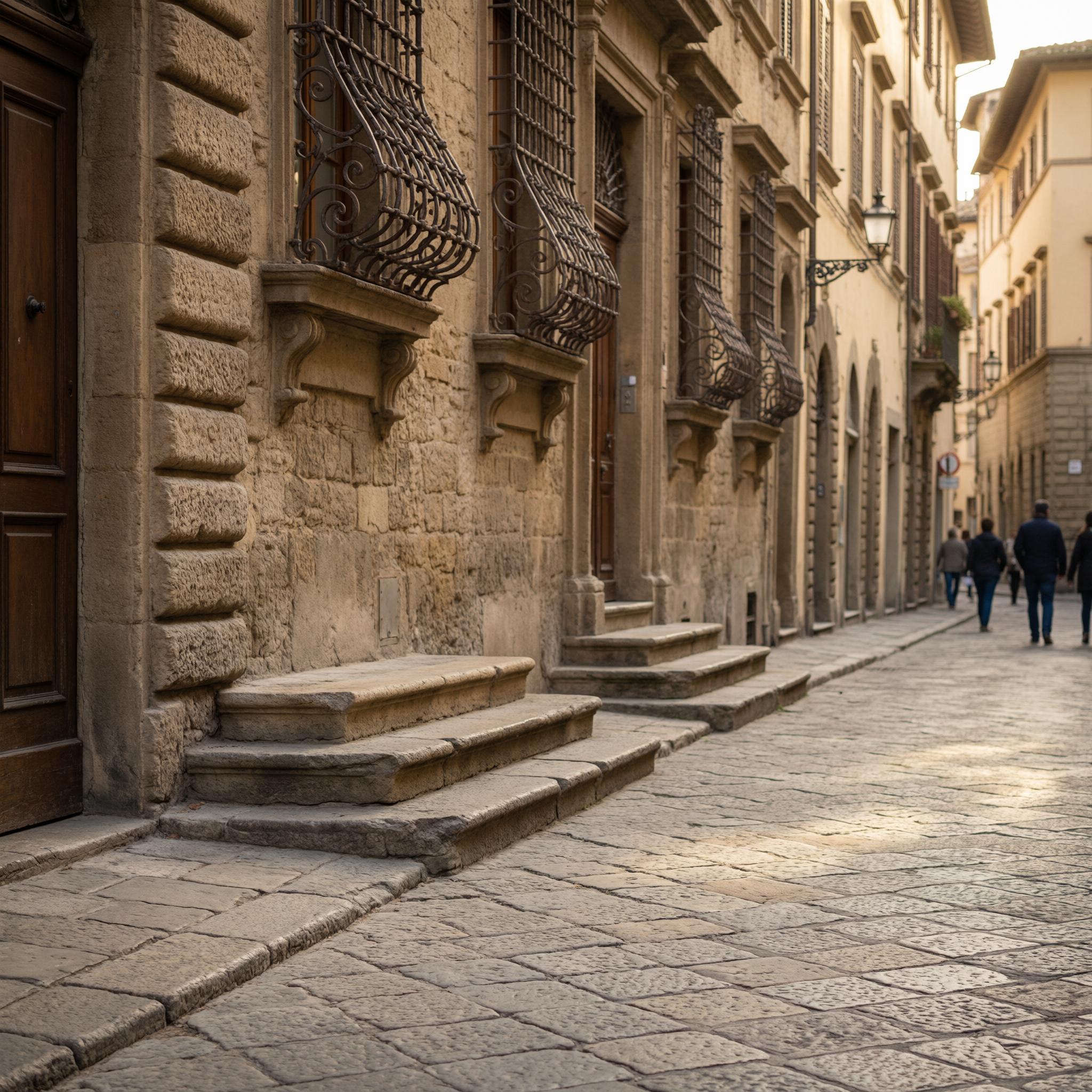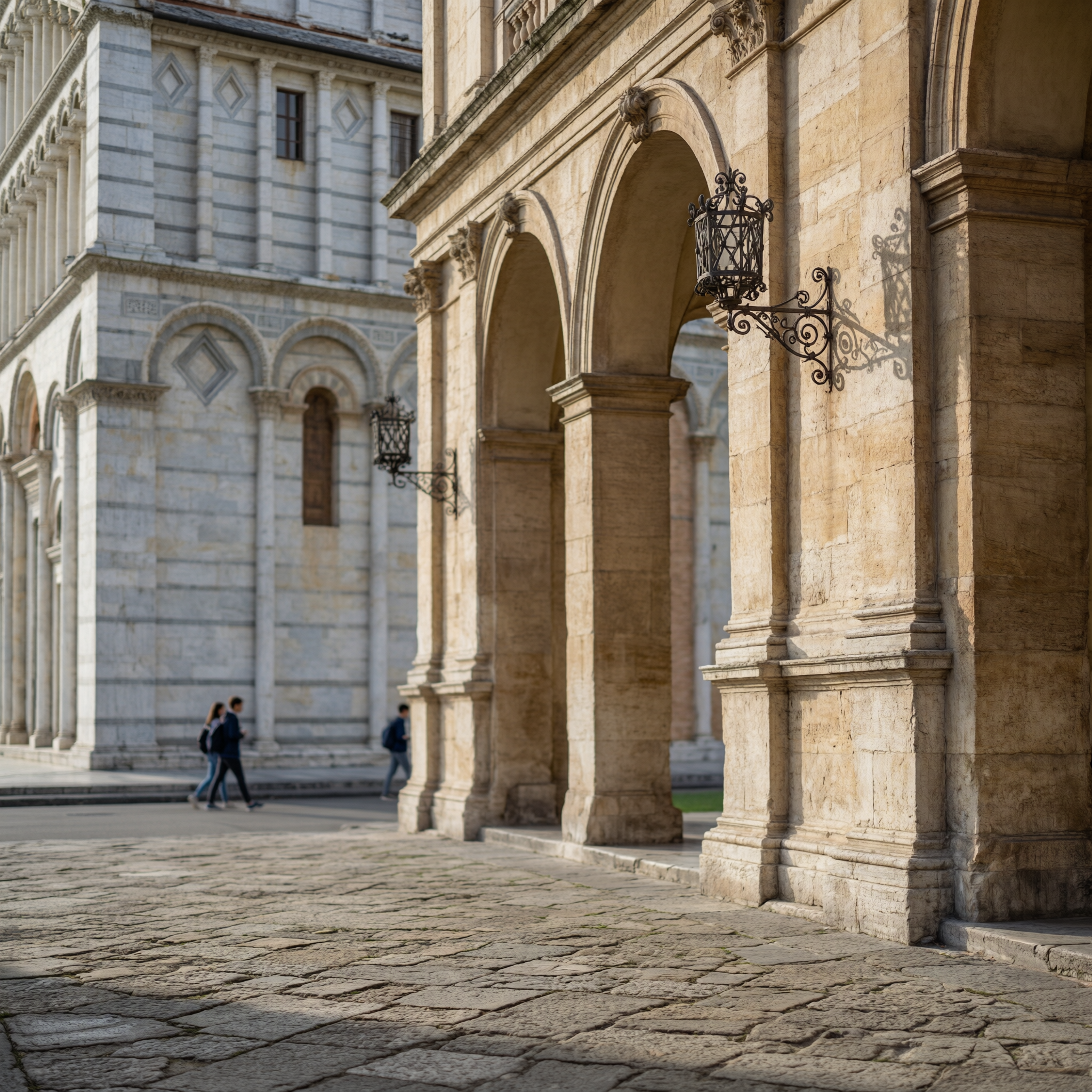
Stepping off the plane at Pisa International Airport, I was struck immediately by the sense that this city rewards slow exploration. Wandering through its narrow medieval streets, with a lively student community filling the piazzas, I found the place far richer than its famous tower suggests. Spring and autumn are the best times to visit, with thinner crowds and comfortable temperatures. The Leaning Tower is a must-see, but there is much more to discover. Curious about where the locals eat or the spots most visitors miss? Read on.
Before you go: Visitor details can change. Check Pisa International Airport – Wikipedia and Pisa Airport Guide – Transport, Terminals & Services – Kupi.com before you go.
How to Get There
Getting to Pisa is straightforward, thanks to the well-placed Pisa International Airport. Known officially as Galileo Galilei Airport, it sits approximately 1.6 km south of the city center, close enough that I was in the heart of Pisa within minutes of clearing arrivals.
An approximately 5-minute train ride on the dedicated airport line connects the airport to Pisa Centrale, the main station, with services running every 10–15 minutes. Buses are an alternative, typically taking around 10–15 minutes depending on traffic. From Pisa Centrale, onward trains run regularly to Florence, Livorno, and Rome. I found the public transport links genuinely useful for spontaneous day trips across Tuscany.
For those who prefer driving, the A11 highway from Florence typically takes about an hour, while the A12 from Genoa is around 2.5 hours, both subject to traffic and time of day. Pisa is well served by a range of European carriers; check the airport’s official site at pisa-airport.com for current routes, as schedules change seasonally. From the moment I arrived, the city’s travel connections made the whole trip feel easy.
Best Time to Visit
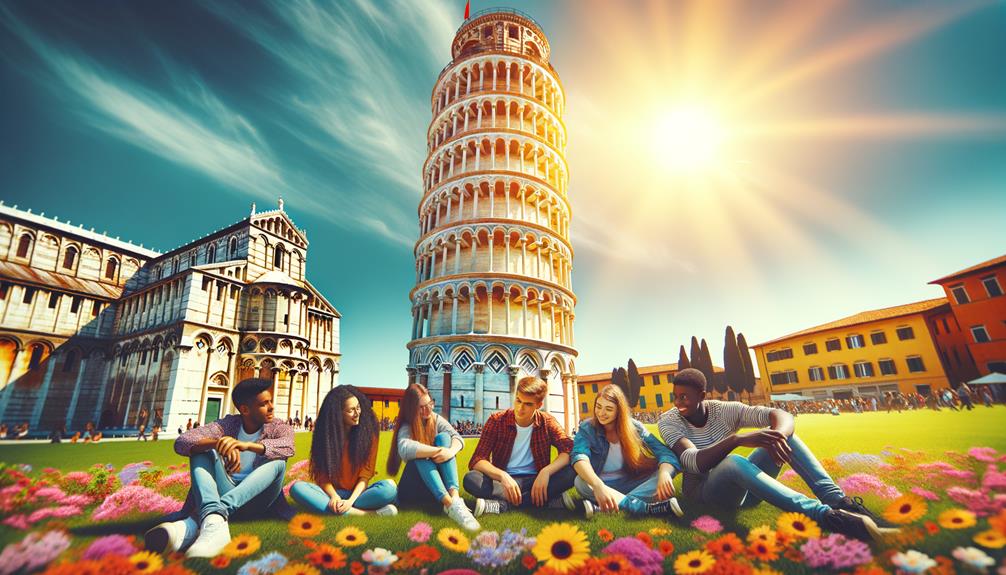
When I visited Pisa in late September, the mild weather and quieter streets made exploring the city a genuine pleasure. The crisp autumn light was ideal for photography. The Luminara di San Ranieri festival in June is also worth planning around, though be prepared for summer heat and larger crowds.
Weather and Climate
Spring and autumn are the most comfortable seasons to visit Pisa, with mild temperatures and fewer tourists. As someone who prefers a quieter pace, I find these months ideal for spending time with the city’s history and architecture without feeling rushed.
Pisa has a Mediterranean climate, with hot summers and mild winters. In spring and autumn, temperatures average around 22°C (72°F), making it well suited to walking and eating outside. Crowds are noticeably thinner in these seasons, so sights like the Leaning Tower feel more accessible.
Summer is sunny, Pisa averages around 2,524 sunshine hours annually, though this figure varies year to year, but July can be genuinely hot, with temperatures often reaching 31°C (88°F) and moderate humidity. Winter is cooler, with average highs around 12°C (54°F), and can suit budget travelers willing to accept occasional rain.
Rainfall is moderate, concentrated mostly between October and March, with a historical annual average of around 756 mm (29.8 in), though this varies. Even so, Pisa enjoys plenty of sunshine across most of the year.
Annual Events Calendar
Walking through Pisa during the spring and autumn months, I was always drawn to the city’s calendar of annual events. One of the most memorable is the Luminara, traditionally held on June 16th, when more than 100,000 candles are placed along the banks of the Arno River. The entire month of June, known as Giugno Pisano, is filled with celebrations, including the historic Regatta of San Ranieri, traditionally on June 17th. Note that municipal calendars can shift, so confirm dates closer to your visit.
- Luminara: More than 100,000 candles illuminate the banks of the Arno River in a striking display.
- Regatta of San Ranieri: A historic boat race honoring Pisa’s patron saint.
- Pisa Jazz Festival: Held in July, the city hosts a program of jazz performances.
- PisaFilmFest: In November, a celebration of cinema draws film enthusiasts to the city.
September brings the Festa dell’Uva, a grape harvest festival with local wines, traditional food, and live music. As winter approaches, a Christmas market in December gives the city a festive atmosphere well suited to leisurely evening walks.
Where to Stay
When I visited Pisa, I found a range of accommodation to suit different budgets and preferences. Near the train station, the elegant Palazzo Cini offers a more upscale experience, while the cozy Hotel Novecento, with its garden, provides a quieter, more intimate setting. Whether you want something polished or simply comfortable, there are good options within easy reach of Pisa’s main attractions.
Top Accommodation Options
Staying close to the Leaning Tower and Piazza dei Miracoli made a real difference to my visit, I could reach the square early in the morning before the crowds arrived, which I’d recommend to anyone.
A few well-regarded places to consider:
- Hotel Roma: Steps from Piazza dei Miracoli, with some rooms offering views of the Leaning Tower. Check the hotel’s official site for current rates, as prices vary by season.
- Royal Victoria Hotel: A historic property on the Arno River with characterful rooms. Check the official site for current pricing.
- Hotel Bologna: Set in a quieter neighborhood, offering comfortable rooms. Rates vary; check the hotel directly for up-to-date availability.
- Palazzo Cini: Elegant rooms in a 19th-century palazzo near the train station. Check the official site for current rates.
These central locations made it easy to move around the city on foot. Pisa has enough variety in its accommodation that most travelers will find something that fits both their style and budget.
Budget-Friendly Stays
Finding affordable accommodation in Pisa is easier than many expect. My go-to suggestions for budget travelers range from hostels to B&Bs and modestly priced hotels. The B&B Hotel Pisa Tower is conveniently located near the Leaning Tower; rates start seasonally, so check the official site for current pricing before booking.
Solo travelers or those on a tighter budget may want to look at the Pisa Youth Hostel, which offers dorm beds at seasonal rates, check directly for availability and current prices. Private rooms are usually available for those who prefer more space.
For those who prefer hotels, Hotel Bologna and Hotel Novecento, the latter housed in an old villa, are both worth considering. Rates at both properties vary by season and availability; check their official sites for accurate figures before booking.
| Accommodation | Price Range (Per Night) | Highlights |
|---|---|---|
| Pisa Youth Hostel | €20-€40 | Dorms and private rooms |
| Hotel Bologna | €100-€120 | Quiet neighborhood |
| B&B Hotel Pisa Tower | €30-€50 | Close to Leaning Tower |
With this range of options across different price points, most visitors will find something comfortable and well-located in Pisa.
Must-See Attractions
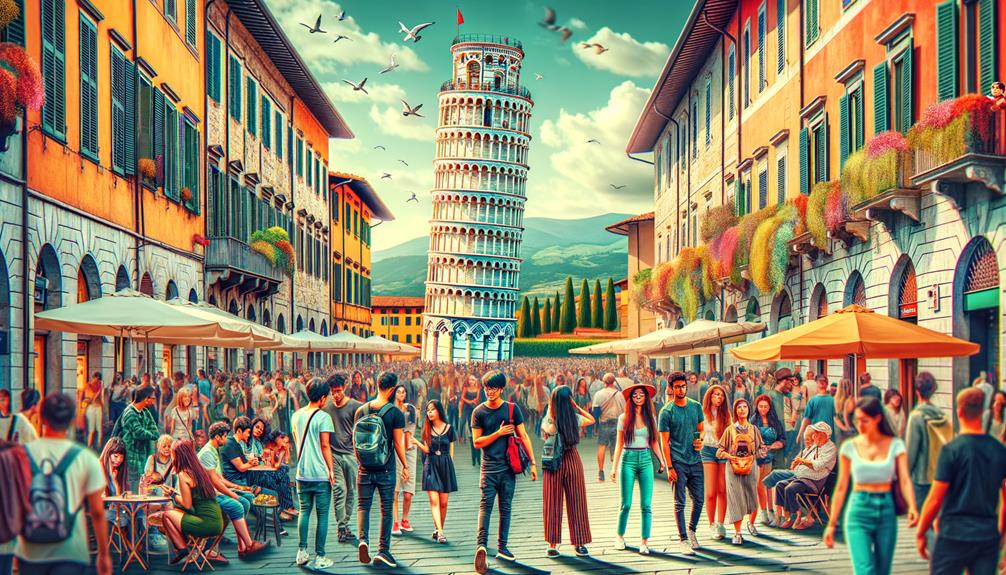
Visiting Pisa’s main sights feels like walking through an open-air architecture lesson, with the Piazza dei Miracoli at its center, a UNESCO World Heritage site of white marble buildings set against an improbably green lawn. The Leaning Tower is the undisputed focal point: 55.83 meters tall with a tilt of 3.97 degrees, it has drawn visitors since its completion. Climbing it requires a timed reservation and advance ticket purchase, so plan ahead and check the official site before visiting.
Nearby, the Cathedral of Pisa is a fine example of Pisan Romanesque architecture. I was struck by the intricacy of the carved façade and the calm around Saint Ranieri’s tomb inside. The Baptistery of St. John, also on the piazza, offers panoramic views of the city and requires fewer stairs than the tower.
Crossing the Ponte di Mezzo early in the morning, the view along the Arno, historical buildings reflected in still water, is one of the quieter pleasures the city offers.
- Leaning Tower of Pisa: The iconic tilted campanile; timed entry tickets required.
- Cathedral of Pisa: Pisan Romanesque architecture with rich interior detail.
- Baptistery of St. John: Panoramic city views with a less demanding climb.
- Ponte di Mezzo: The central bridge, with fine views along the Arno.
Dining in Pisa
After a morning among Pisa’s landmarks, my appetite led me to the city’s culinary scene, where traditional Tuscan cooking and fresh seafood both feature. I started at La Buca, where a bowl of ribollita, the classic Tuscan bread and vegetable soup, made a satisfying introduction to local food.
I spent time at the Mercato delle Vettovaglie, a covered market stocked with fresh produce, local cheeses, and bread. The atmosphere was lively and the quality high. Afterwards, I stopped at a nearby café for cantucci con vin santo and ricciarelli, both worth seeking out.
Oro Gelateria served some of the best gelato I had on the trip, the flavors were clean and intense rather than sweet. La Mescita, a small wine bar, was a good place to slow down with a glass of local wine and a few small plates.
At Gusto Giusto, the recommendations from the counter staff were genuinely helpful in steering me toward the best dishes of the day. I finished with castagnaccio, a dense chestnut flour cake, paired with fresh ricotta. Eating well in Pisa requires little effort; the ingredients do most of the work.
Day Trips From Pisa
Pisa’s position in Tuscany makes it a practical base for day trips. Several worthwhile towns are within easy reach by train or bus:
- Lucca: Around 30 minutes by train from Pisa Centrale. The city is known for its intact Renaissance walls, which you can walk or cycle along, and a well-preserved historic center that comes alive in the evenings.
- Volterra: Approximately a 1.5-hour bus ride away, this hilltop town is notable for its Etruscan ruins, alabaster workshops, and wide views over the Tuscan countryside.
- San Gimignano: Reachable by bus or car in roughly 1.5 hours, this medieval village is famous for its towers and its setting among vineyards. The historic center is compact and easy to explore on foot.
- Livorno: About an hour by car or train, Livorno has a working harbor, a lively seafood market, and a distinct character compared to the more tourist-oriented Tuscan towns.
All of these destinations are accessible directly from Pisa, so there is no need to base yourself in Florence to reach them. A practical tip: combining a day in Pisa with a day trip to one of these towns makes for a well-rounded Tuscan itinerary.
Frequently Asked Questions
How Many Days in Pisa Is Enough?
I spent about three days in Pisa, which felt right for covering the main sights, wandering the streets at a relaxed pace, and fitting in a day trip. Two days is workable if your schedule is tight, but three allows you to move without rushing.
Is Pisa Good for a City Break?
Yes, Pisa works well as a short break. I enjoyed exploring the historic center on foot, eating well, and using the city as a base for nearby towns. The airport connections and rail links to Florence and Rome make it easy to combine with a broader Italian trip.
What Is the Best Month to Visit Pisa, Italy?
April and October are both strong choices. Temperatures are comfortable, crowds are manageable, and the city’s street life is at its most relaxed. July and August bring reliable sunshine but also peak heat and tourist numbers.
What Is the Nicest Part of Pisa?
For me, the historic center is the most rewarding part of the city. The medieval streets around Borgo Stretto, with their arcaded walkways, independent shops, and café terraces, give a clearer sense of how Pisa actually lives than the tourist-heavy Piazza dei Miracoli alone.