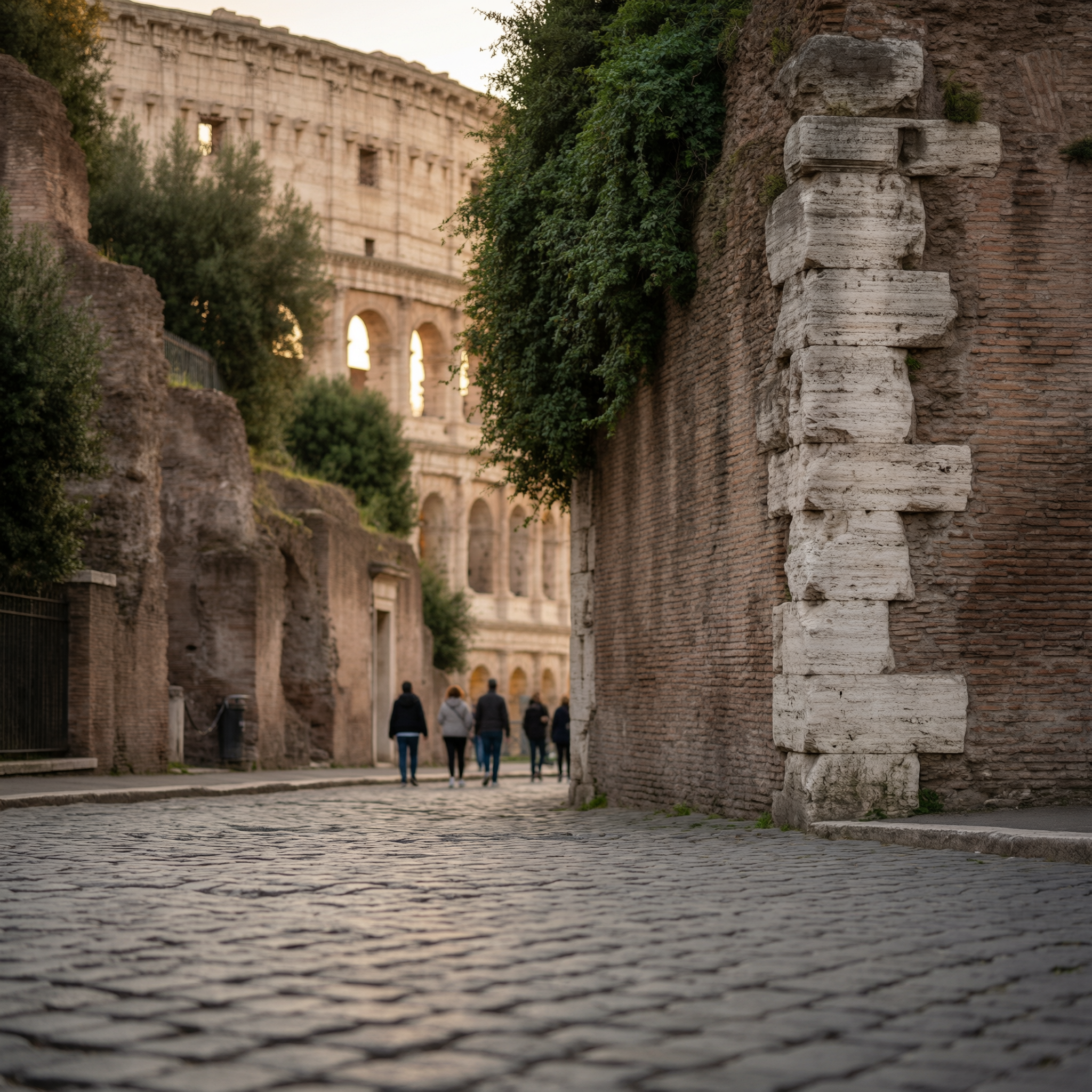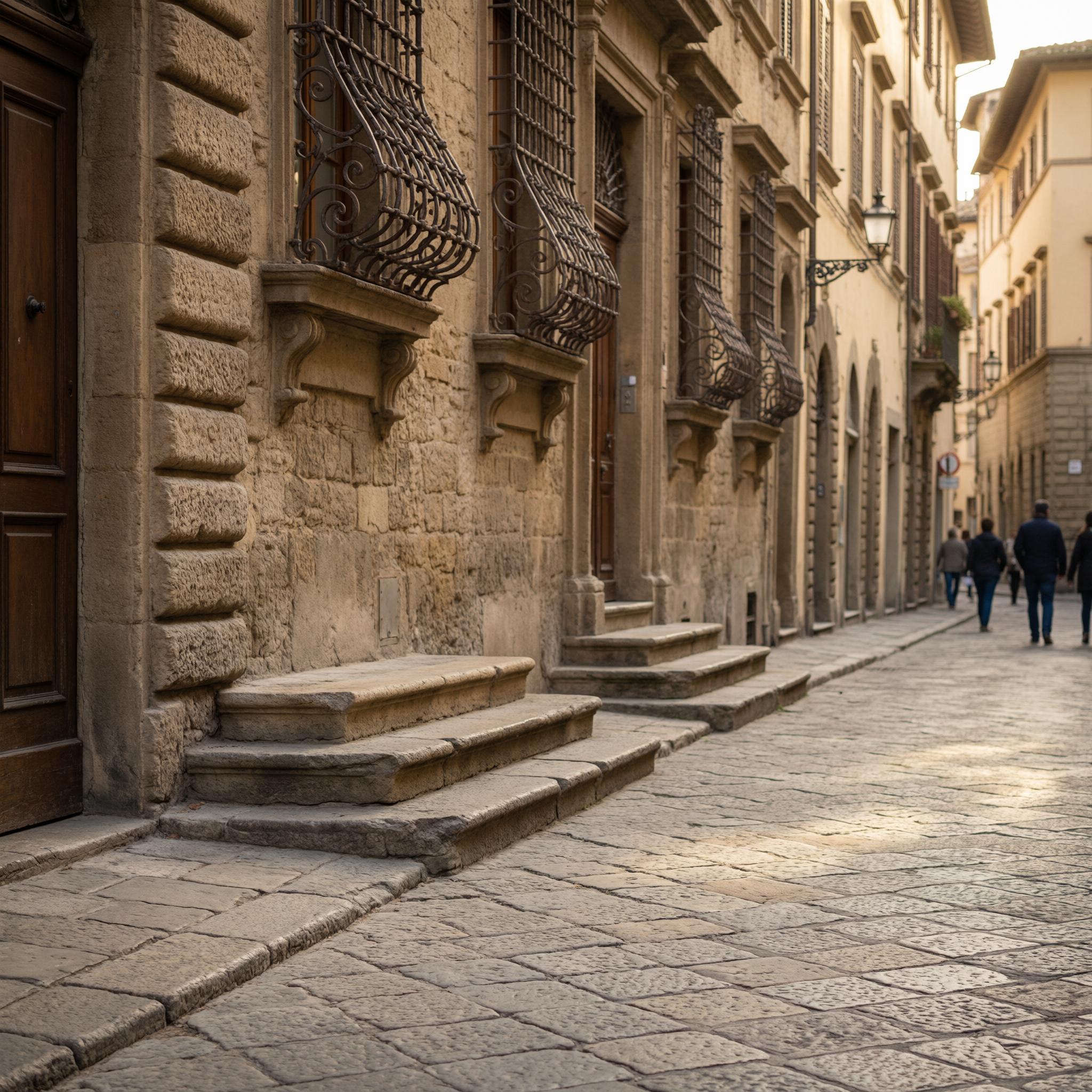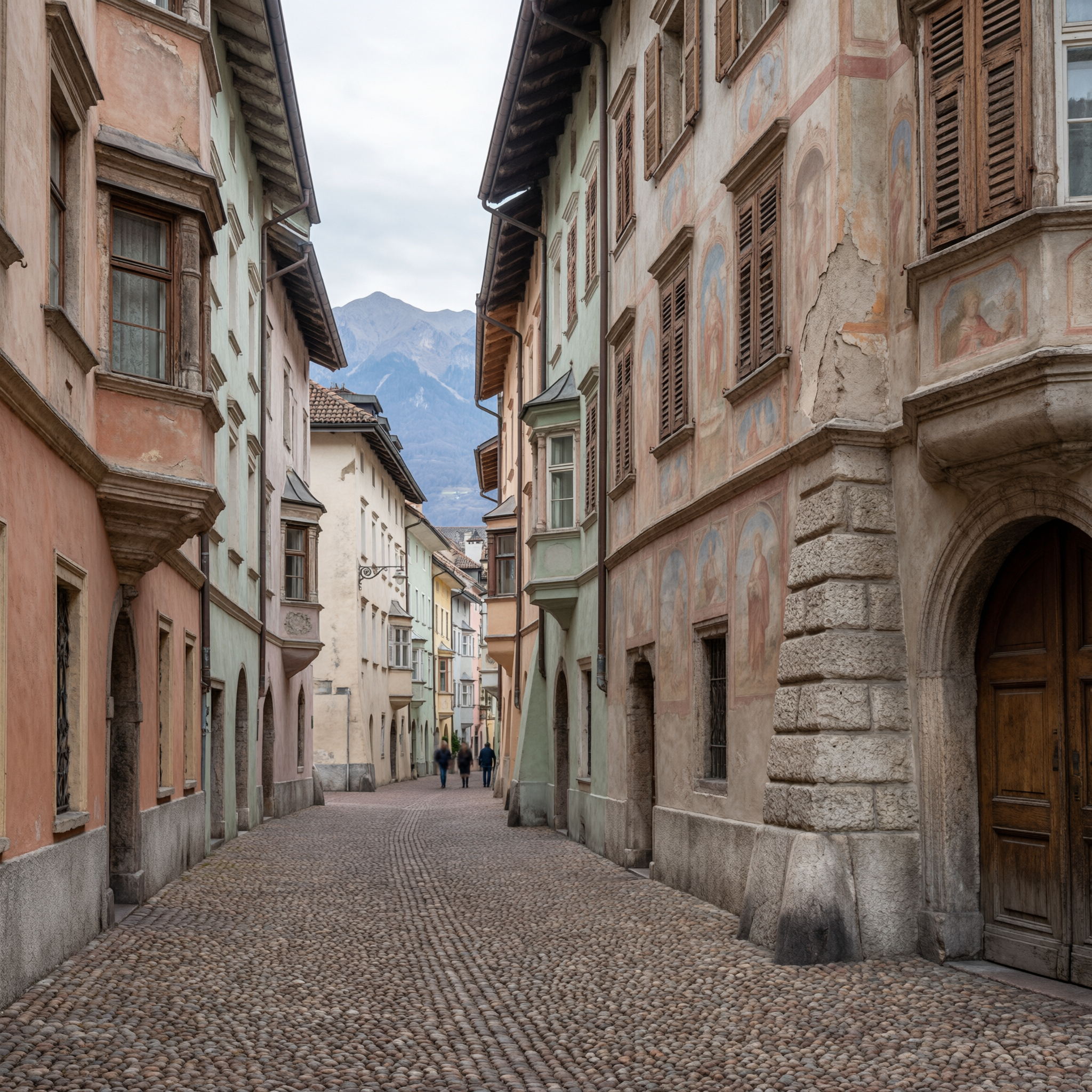
Bolzano, right in the heart of South Tyrol, has a way of growing on you. Wandering through its historic center, I found the traditional arcades and sun-warmed Piazza Walther spoke quietly of a layered past. Standing before the South Tyrol Museum of Archaeology and coming face-to-face with Ötzi the Iceman was one of those genuinely arresting moments. Surrounded by medieval castles and the serene Dominican and Franciscan Churches, the city’s appeal kept deepening, and the hiking trails threading out from the center into the mountains made it clear that history was only part of the story.
Before you go: Visitor details can change. Check Ötzi the Iceman – South Tyrol Museum of Archaeology and South Tyrol Museum of Archeology – Oetzi before you go.
Exploring Bolzano's Historic Sites
Strolling through Bolzano’s historic center, I was drawn in by the timeless appeal of its traditional arcades and the broad, unhurried Piazza Walther. The medieval buildings seemed to hold centuries of stories, and my curiosity led me straight to the South Tyrol Museum of Archaeology. Standing before the glass case containing Ötzi the Iceman, I felt the full weight of the encounter: this 5,300-year-old mummy once moved through these same mountains, and the museum brings that ancient life into sharp, unsettling focus.
Next, Castel Roncolo at the entrance to the Sarentino Valley caught my eye with its remarkably preserved frescoes. The walls were covered in detailed depictions of medieval courtly life, making the castle one of the more vivid windows into the region’s history.
Bolzano is surrounded by several other castles, including Firmiano and Casanova, each carrying its own chapter of local history. The Dominican and Franciscan Churches added another dimension to the visit, their intricate interiors and quiet atmospheres offering a counterpoint to the bustle of the streets outside.
Hiking and Outdoor Activities
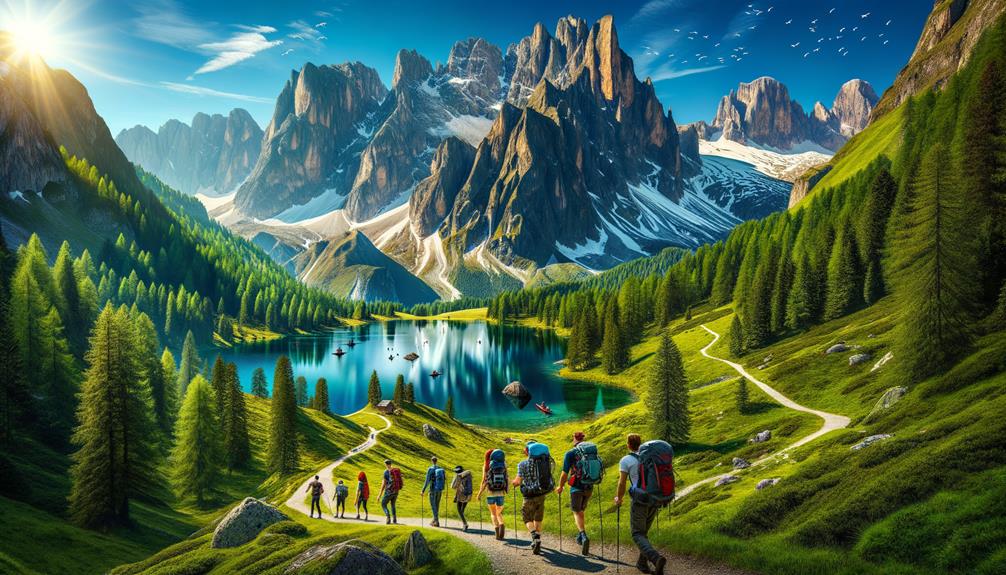
The landscapes around Bolzano suit hiking enthusiasts well, with trails starting in the city itself and cable cars providing quick access to higher ground. Taking the cable car up to the Renon plateau was one of the trip’s highlights, the ride offered sweeping views of the valleys below, and at the top I hiked through open meadows, past alpine huts, and into quiet forest. The trails are well-marked and cover a range of difficulty levels, making it straightforward to find a route that fits your pace.
Another rewarding outing was hiking toward the mountain village of Colle, reached by a scenic cable car and then paths edged with wildflowers. Bolzano’s Mediterranean climate extends the outdoor season considerably, and the town’s network of cycle paths offers yet another way to move through the surrounding countryside.
South Tyrolean Cuisine Delights
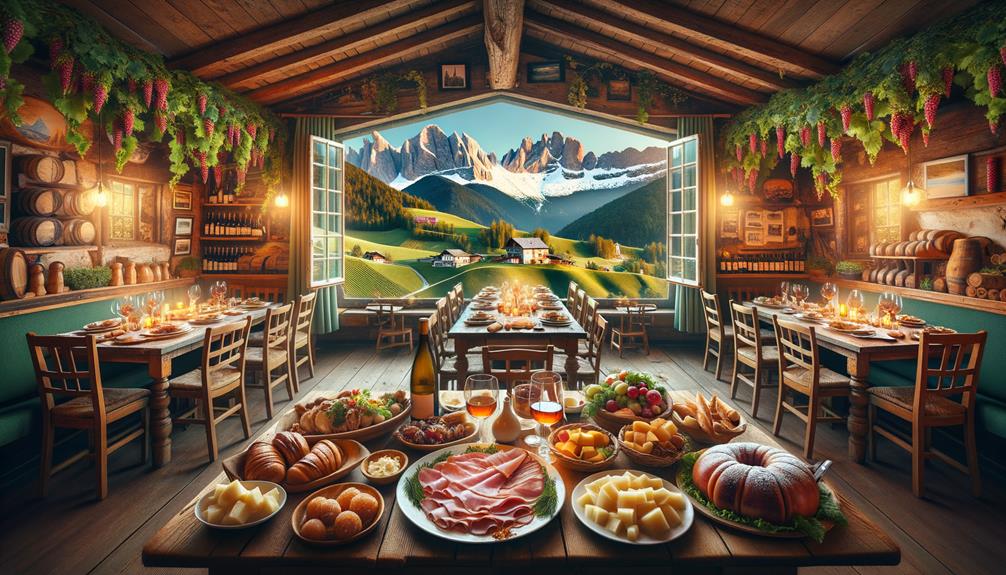
Moving through Bolzano’s busy markets, I kept being pulled toward the smell of fresh canederli and the stalls piled with wild game and local produce. One evening, a glass of Gewürztraminer alongside a bowl of goulash felt like a near-perfect summary of the region: Alpine warmth with a distinctly local character. South Tyrol’s food, rooted in tradition yet quietly inventive, reflects the place more honestly than any postcard.
Traditional Alpine Ingredients
South Tyrolean cooking draws on a pantry that bridges the Alps and the Mediterranean, game meats, wild mushrooms, and foraged berries alongside olive oil and aromatic herbs. Walking through Bolzano’s markets, I could see that pantry laid out stall by stall, each one a small argument for the region’s culinary depth.
The air is filled with the earthy scent of wild mushrooms, freshly foraged from the Alpine forests, and I find myself drawn in by the region’s remarkable larder. Baskets brimming with plump blueberries and raspberries remind me of the lush, fertile valleys all around. Venison and wild boar, cured and seasoned to perfection, highlight the Alpine expertise in game meats that I have come to admire. The Mediterranean influence is evident in the liberal use of olive oil, adding a smooth, fruity note to hearty dishes. Aromatic herbs like rosemary and thyme infuse the air, their fragrance mingling with the Alpine freshness in a way I find utterly captivating.
- Game meats: Venison, wild boar
- Mushrooms: Porcini, chanterelles
- Berries: Blueberries, raspberries
- Olive oil: Adds a Mediterranean touch
- Aromatic herbs: Rosemary, thyme
Through these ingredients, South Tyrol’s cuisine tells a story of tradition and the easy, unforced meeting of Alpine and Mediterranean influences.
Must-Try Local Dishes
During my time in South Tyrol, each local dish felt like a short lesson in the region’s culinary history. An early stop at a small trattoria introduced me to speck, the region’s signature smoked ham, smoky, faintly sweet, and best eaten slowly with a glass of something local.
I also tried canederli, bread dumplings served in a rich broth, at a restaurant that treated them with real care. Each one was a satisfying nod to the region’s rustic roots, the kind of dish that needs no reinvention to impress.
I couldn’t pass up Schlutzkrapfen, delicate pasta filled with spinach and ricotta, finished with melted butter and a dusting of Parmesan. They were exactly what good regional cooking should be: simple, precise, and full of flavor.
At local markets, I tried Strauben, a crispy golden pastry similar to funnel cake, dusted with powdered sugar and served with lingonberry jam. Every dish I encountered in South Tyrol showed the same quality: honest ingredients, handled with confidence.
Wine and Spirits
After working through South Tyrol’s food, I turned my attention to its wines, and found another layer of the region worth exploring. The area around Bolzano has long been recognized as one of South Tyrol’s significant wine-growing zones, with a winemaking tradition that runs deep, though the precise extent of that history is best explored through local producers and the region’s own wine institutions.
I was particularly keen to try the Lagrein and Santa Maddalena wines, both native to this corner of the Alps and shaped by its unusual combination of altitude, sun, and cool nights. They didn’t disappoint.
- Lagrein wine: A full-bodied red with notes of dark berries.
- Santa Maddalena wine: Light and elegant, well-suited to a long summer lunch.
- Local wineries: Several producers in the region offer tours and tastings; check individual winery websites for current availability.
- South Tyrolean Wine Road: A scenic wine route connecting villages across the region, worth following at your own pace.
- Scenic views: The Dolomite backdrop adds something to every tasting.
Each glass felt like a small piece of the landscape, South Tyrol is a region where the wine and the place are genuinely inseparable, and I left with a much better understanding of both.
Wine Tasting Experiences
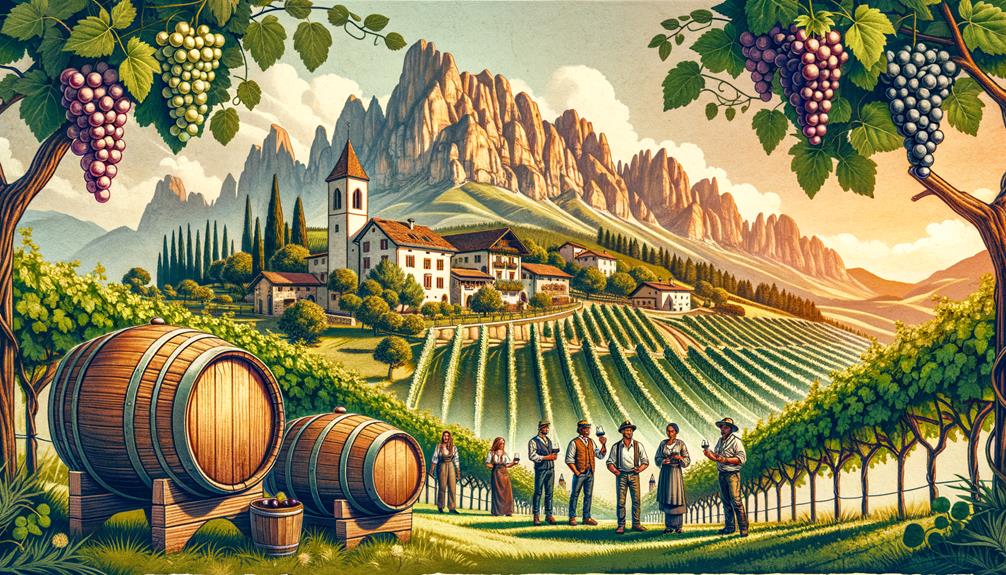
Walking through South Tyrolean vineyards, I could sense how much the climate and soil shape what ends up in the glass. Tasting a Lagrein alongside local cheese made the connection between land and wine feel immediate rather than abstract, and following stretches of the South Tyrolean Wine Road turned the whole experience into something more than a series of stops.
Local Vineyards Exploration
Walking through the sun-soaked vineyards of Bolzano, I was immediately struck by the smell of ripe Lagrein grapes and the sight of Santa Maddalena vines stretching across the hills. South Tyrol’s wine culture is evident everywhere, with each turn revealing a new piece of its rich heritage, and I found myself wanting to linger at every vineyard I passed.
My time in the vineyards went beyond the views. I was struck by the care the winegrowers brought to their work, a respect for the land that clearly runs through generations. The South Tyrolean Wine Road passes through a series of quiet villages, each with its own character and its own story to tell.
- Lagrein and Santa Maddalena grapes: The signature varieties of Bolzano’s vineyards, shaped by the area’s distinctive microclimate.
- Cable car rides: Offering sweeping views of the vineyards from altitude.
- Deep winemaking roots: A legacy evident in every glass, with traditions passed down through generations of local producers.
- Local wineries: Several are known for their architecture as much as their wines; check ahead for tasting availability.
- South Tyrolean Wine Road: A well-established wine route connecting villages across the region.
Moving through these vineyards felt like watching tradition and careful modern practice work side by side, South Tyrol’s winemaking heritage is very much alive.
Tasting Tour Highlights
Working through the wines of Bolzano on a tasting tour, I kept returning to Lagrein and Santa Maddalena, both rooted in South Tyrol’s particular combination of altitude and sun. The vineyards, set against the Dolomites, made for a setting that was hard to improve on.
One memorable moment for me was taking Bolzano’s cable cars up to the Renon plateau, where the panoramic views of the surrounding mountains added real magic to the experience. I savoured local wines while feeling the cool alpine breeze, and each glass seemed to capture the essence of this unique landscape in a way I will not easily forget.
Driving sections of the South Tyrolean Wine Road, I stopped at small family-run wineries where the producers talked through their methods with genuine enthusiasm. Strong Merlot and elegant Cabernet Franc appeared alongside the native varieties, each one reflecting the care that goes into Bolzano’s winemaking.
Spending time in Bolzano’s wine country, I felt a real connection to a place where every bottle carries the character of its soil, its climate, and the people who tend it.
Pairing Tips and Tricks
Mastering wine pairing in South Tyrol means diving into the region’s rich culinary traditions, where each dish and wine reflect its deep heritage. I found that the area’s grass-fed meats and locally grown produce pair beautifully with its exquisite wines, and every meal I shared here felt like a genuine lesson in the art of regional flavour.
South Tyrol’s wine range is broad. Whites such as Chardonnay and Pinot Grigio work well with Alpine cheeses, while reds like Merlot and Cabernet Franc hold their own against game meats. A few practical suggestions:
- Visit local wineries: Many offer tastings that include guidance on regional pairings; check individual winery websites for current schedules.
- Travel the South Tyrolean Wine Road: This scenic route through wine villages is well-suited to sampling local wines in context.
- Dine at quality local restaurants: South Tyrol has a strong restaurant culture, and many establishments take wine pairing seriously, ask your server for recommendations.
- Ask the locals: Sommeliers and winery staff can offer pairing suggestions that go well beyond the obvious.
- Try new pairings: Don’t hesitate to experiment with less conventional combinations.
In South Tyrol, the relationship between food and wine reflects traditions that have been refined over a long time, and the results speak for themselves.
Wellness and Relaxation Spots
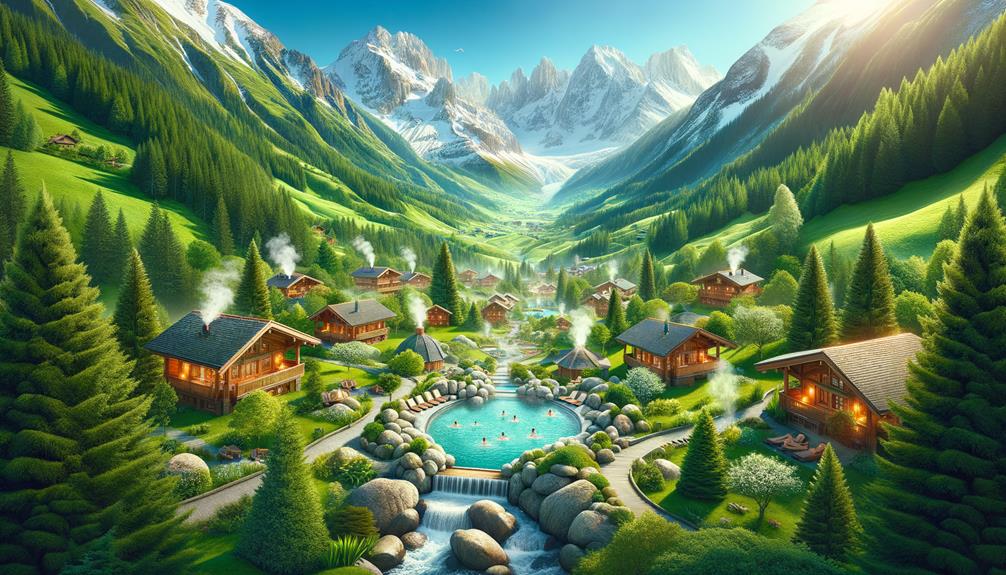
Tucked into the valleys around Bolzano, I found spas and wellness retreats that made a genuine case for slowing down. My time in the Sarentino Valley introduced me to mountain retreats that combined alpine simplicity with real comfort, rustic in feel, considered in execution.
One afternoon, I sat in an outdoor hot tub ringed by tall pines, the mountain air doing most of the work. The Dolomite views were a constant backdrop, and the treatments I tried drew on herbs and oils sourced from the surrounding forests, nothing contrived about it.
Evenings in a wood-fired sauna, with the fire providing a steady, calming sound, rounded out the days well. The locals I spoke with talked about their connection to the land with an ease that felt genuine, and those conversations added something to the experience that no spa menu could provide. Bolzano’s wellness spots offer more than rest, they open a door to the region’s quieter rhythms.
Cultural and Art Attractions

Leaving the valleys behind, I found myself back in Bolzano’s historic center, where the cobblestone streets led to a handful of attractions that between them cover a remarkable range.
- South Tyrol Museum of Archaeology: Home to Ötzi the Iceman, the museum’s centerpiece is the 5,300-year-old mummy discovered in the Alps in 1991. Seeing him up close prompted more questions about ancient life than I’d expected to leave with.
- Museion: A modern and contemporary art museum dedicated to contemporary art. The exhibits here offered me fresh perspectives and genuinely broadened my artistic horizons in ways I had not anticipated.
- Piazza Walther: The city’s main square functions as a natural gathering place, hosting events and markets through the year. I spent time there simply watching the city go about its day.
- Teatro Comunale: Bolzano’s main theater presents opera, drama, and dance; check the current program before visiting.
- Bolzano Festival Bozen: This classical music festival takes place each August, bringing orchestras and soloists to the city. Check the official site for the current season’s program.
Each corner of Bolzano’s historic center added something to the picture of a city that takes its cultural life seriously.
Best Times to Visit Bolzano
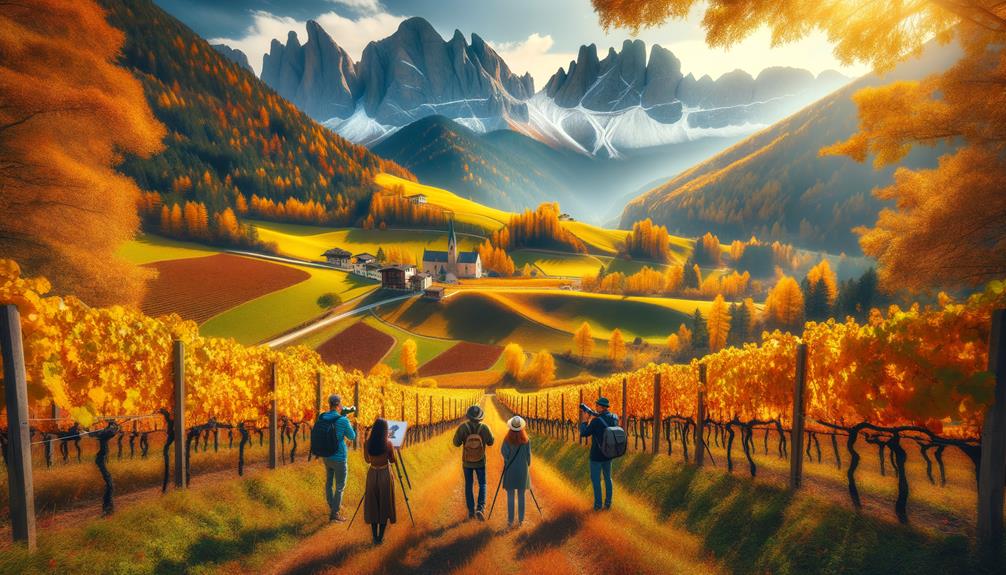
Bolzano rewards a visit in any season, but spring and autumn tend to offer the most comfortable conditions. The weather is mild, the city is active without being overwhelmed, and the blend of Alpine and Mediterranean character that defines South Tyrol’s capital feels most accessible during these months.
Spring brings flowers to the city’s parks and squares, and the temperatures are well-suited to walking and exploring. Autumn turns the vineyards and mountain slopes into something worth making a trip for on its own, the colors are striking, and the season coincides with local harvest traditions and wine events.
Here’s a quick look at what each season offers:
| Season | Highlights |
|---|---|
| Spring | Blooming parks, mild weather, Flower Festival |
| Summer | Warm temperatures, bustling markets, outdoor concerts |
| Autumn | Lively foliage, wine harvests, Törggelen feasts |
| Winter | Snow-capped peaks, Christmas markets, skiing |
Bolzano’s calendar of events gives me a wonderful reason to return in different seasons. The city comes alive with cultural celebrations throughout the year, and each visit I have made provided a unique way to experience its rich traditions. The Bolzano Festival Bozen, held every August, is a highlight I particularly look forward to, featuring top orchestras and soloists in a truly memorable setting.
Frequently Asked Questions
Is Bolzano, Italy Worth Visiting?
In my experience, Bolzano is absolutely worth visiting. I lost myself wandering its medieval streets, soaking in the Alpine culture, and marvelling at the breathtaking mountain views that frame the city at every turn. The combination of rich history, outstanding food, and warm hospitality left a lasting impression on me.
What Is Special About Bolzano?
Bolzano sits at an unusual crossroads, Italian, Austrian, and Ladin influences all leave their mark on the architecture, the food, and the language. Cable cars connect the city center to high-altitude trails within minutes, Ötzi the Iceman draws visitors from around the world to the archaeology museum, and the local wines are among the most distinctive in northern Italy. The combination is genuinely hard to find elsewhere.
What Is Special About South Tyrol?
South Tyrol feels special to me because of its mix of languages and cultures, stunning Dolomite views, and deep-rooted traditions. The region's autonomy and the harmonious way people live together here give a sense of freedom and peace that's hard to find elsewhere.
Is Bolzano a Good Base for the Dolomites?
Bolzano works well as a Dolomites base. Public transport connections to trailheads and mountain villages are reliable, and the city itself gives you somewhere worth returning to after a day in the hills, good restaurants, a walkable center, and enough to keep you occupied on rest days. I found the logistics straightforward and the local culture a genuine bonus rather than an afterthought.