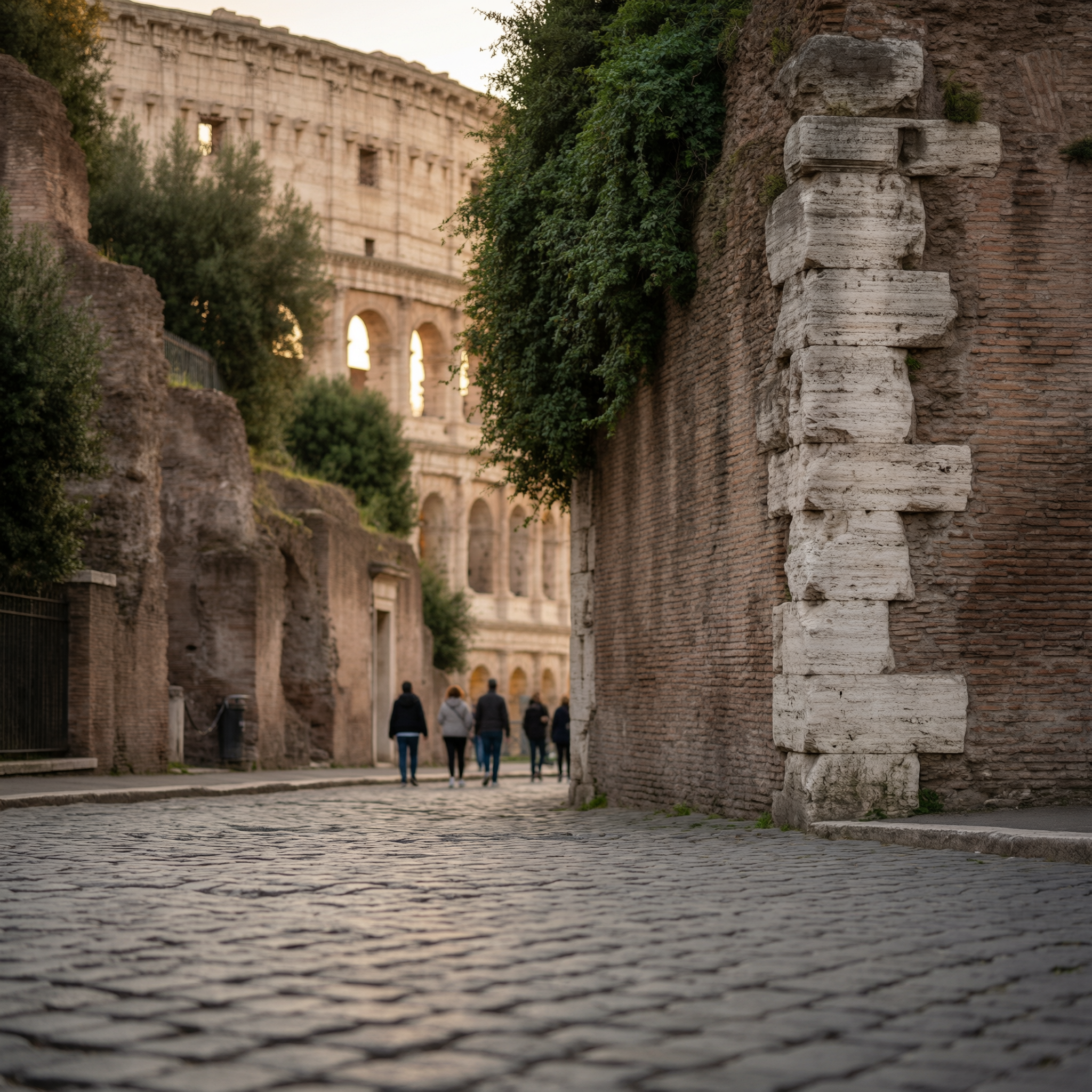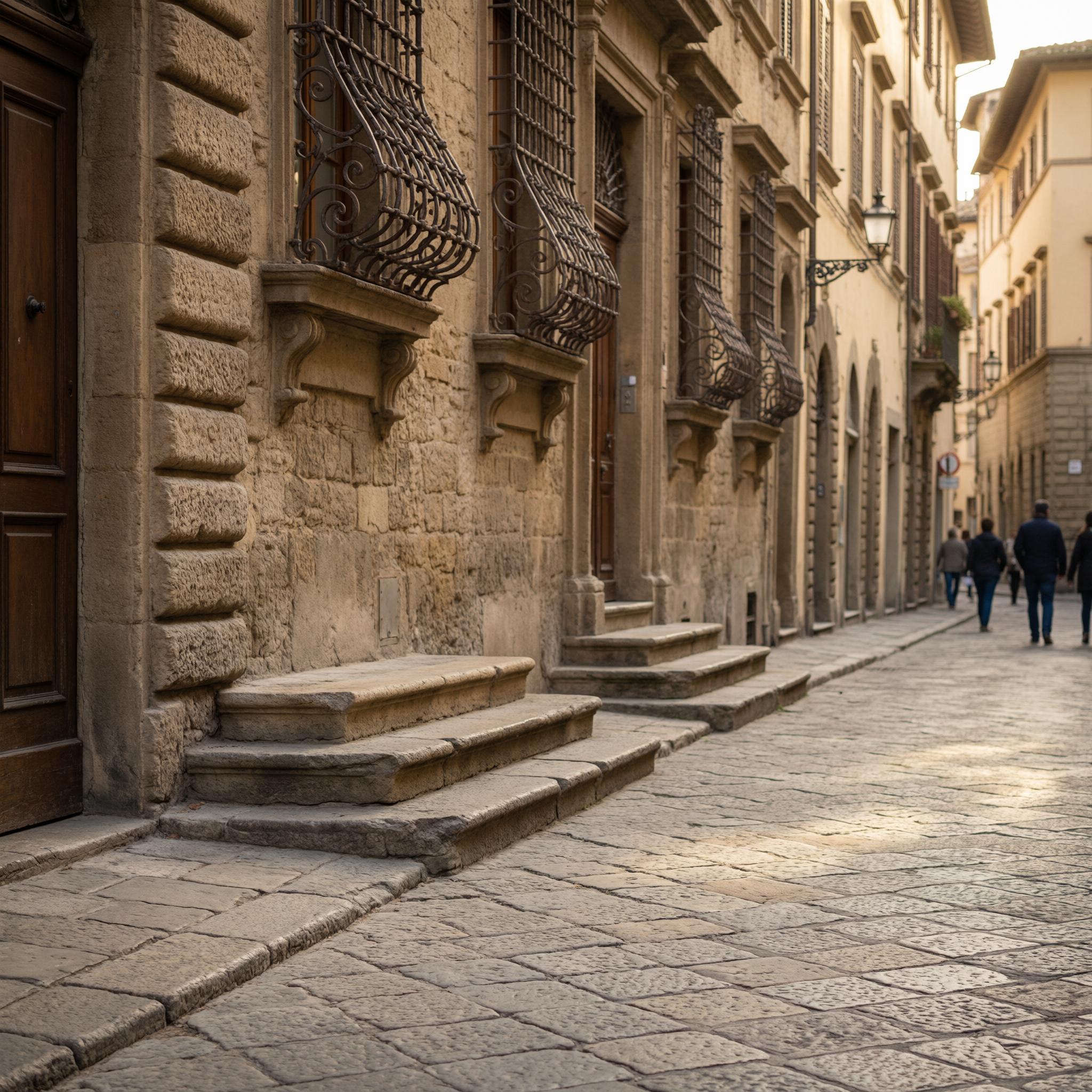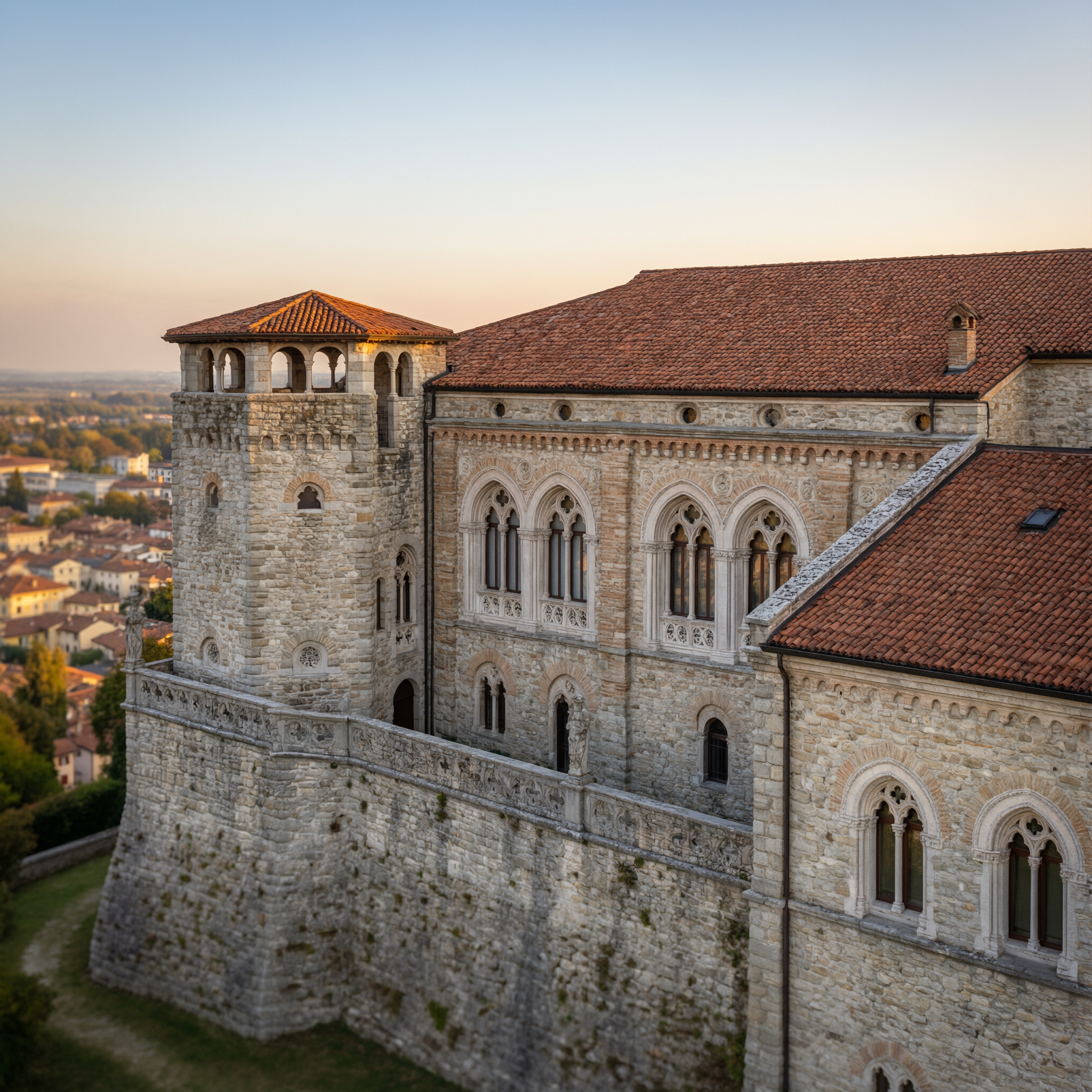
Stepping into Udine Castle, the blend of Renaissance and medieval architecture immediately caught my eye, its stones carrying centuries of history. Inside, the permanent collection proved just as compelling, with works by Carpaccio, Caravaggio, and Tiepolo anchoring the Galleria d’Arte Antica alongside archaeological finds and photography from the region’s past. The castle also hosts temporary exhibitions that shift the mood entirely, setting new work against those ancient walls. Yet one display in particular stood out…
Before you go: Visitor details can change. Check Castello / Luoghi / Vivere il comune – Comune di Udine before you go.
History of the Castle
Walking through the historic halls of Udine Castle, I felt the weight of what it took to rebuild after the devastating earthquake of 1511. The reconstruction was no small undertaking: Giovanni Fontana, an architect from Lombardy, led the project, and the foundation stone was laid on April 2, 1517, marking a determined new chapter for the city.
The project faced significant funding challenges and work continued into the early 17th century, leaving the original vision only partially realised. That layering of periods, though unplanned, gives the castle a distinctive character, neither purely Renaissance nor medieval, but something shaped by circumstance and time.
On July 26, 1906, Udine Castle opened as a museum, allowing the castle to preserve and display the rich history and art of Udine and its surroundings. Each visit offers a journey through time, reflecting the enduring spirit of a community that rebuilt and redefined itself amid adversity.
Modern Art Collections
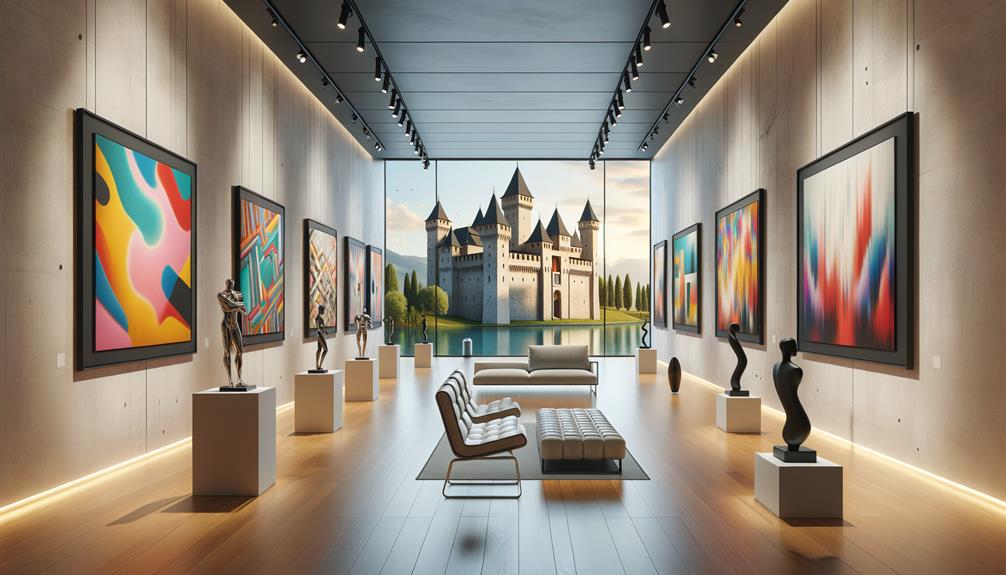
As I wandered deeper into Udine Castle, the contrast between the ancient stonework and the more recent collections created an atmosphere that invited reflection. The Museo della Fotografia, which documents 19th- and 20th-century photography through the work of Friulian photographers including Pignat, Bujatti, and Brisighelli, was a particular surprise.
The Galleria d’Arte Antica spans works from the 1300s to the 1800s, with local and regional artists holding their own alongside better-known names. The museum’s temporary exhibitions mean there is usually something new alongside the permanent holdings, making return visits worthwhile.
Guided tours and educational programs are available and can add depth to the experience, offering context for the works on display. I found that even a brief orientation helped me understand the connections between the castle’s different collections. Check the official site before visiting for current program details.
The Civici Musei del Castello treat their collections as living material, the permanent galleries provide a firm historical grounding while changing exhibitions invite us to look at the same spaces with fresh eyes.
Contemporary Art Displays
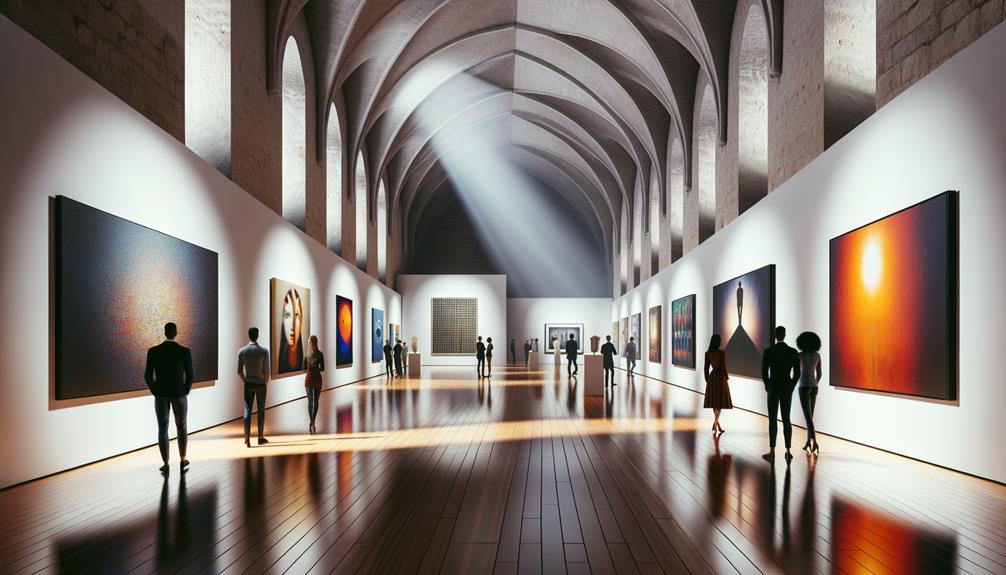
Stepping into the contemporary displays within Udine Castle, I was struck by the conversation between new work and the ancient stone walls around it. The contrast is deliberate and effective, asking you to consider how artistic expression shifts across centuries while the setting remains constant. The variety of works on show, across media and approaches, kept the experience from feeling predictable.
Local artists are well represented, their pieces reflecting the culture and concerns of the region. Their works sit alongside those of international artists, creating a productive tension between the local and the global. The museum’s commitment to showing both established and emerging talent gives the galleries a sense of ongoing conversation rather than settled conclusion.
Where guided tours and educational programs are available, they can sharpen your reading of individual works, I found myself returning to pieces I had passed quickly once I had more context. The contemporary displays at Udine Castle reward patience, offering more the longer you stay with them.
Temporary Exhibitions
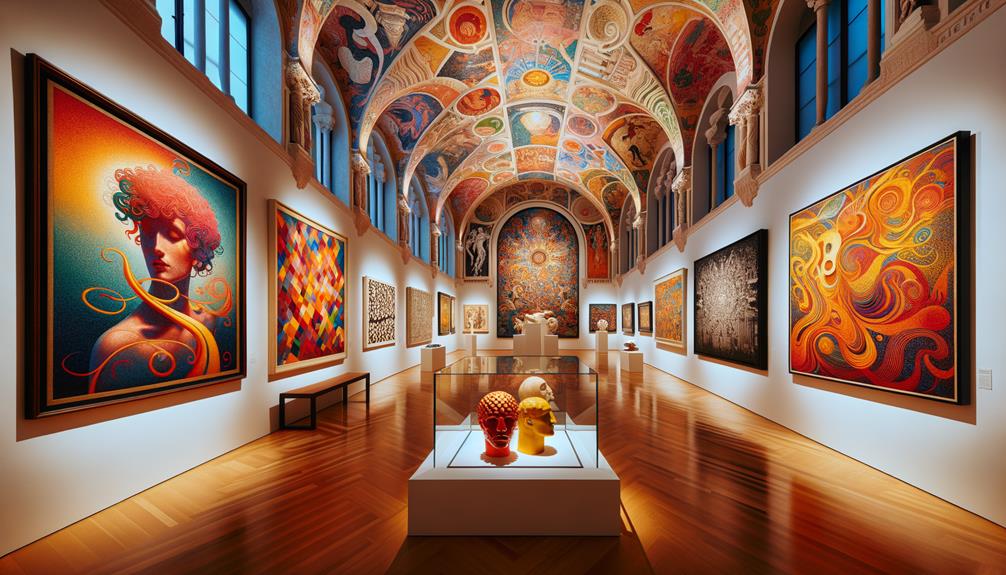
One of the more appealing aspects of the Udine Castle Museum is its programme of temporary exhibitions. Alongside the permanent collections, the museum regularly presents focused shows that bring new perspectives to the castle’s spaces. Check the official site before visiting for current and upcoming exhibitions.
Featured Artists and Artworks
The permanent Galleria d’Arte Antica was the highlight of my time at the Udine Castle Museum. The gallery traces centuries of artistic production, with works by Carpaccio, Caravaggio, and Tiepolo among its most celebrated holdings. Carpaccio’s intricate narrative scenes and Caravaggio’s dramatic handling of light and shadow were particularly arresting, while Tiepolo’s compositions brought a sense of sweep and grandeur to the collection.
The experience went beyond the purely visual; each work offered a way into the social and historical world that produced it, making the gallery feel less like a display case and more like a record of lived experience.
| Artist | Masterpiece | Artistic Element | Emotional Impact |
|---|---|---|---|
| Carpaccio | Narrative Scenes | Detailed Storytelling | Immersive and Thoughtful |
| Caravaggio | Use of Light | Dramatic Chiaroscuro | Intense and Engrossing |
| Tiepolo | Frescoes | Dynamic Composition | Grand and Uplifting |
| Various | 15th-18th Century Art | Historical Significance | Reflective and Educational |
Leaving the gallery, I had a strong sense of how much the Castello di Udine holds, not just individual masterpieces but a coherent account of the region’s artistic life across several centuries.
Exhibition Dates and Duration
Before planning your visit to the Udine Castle Museum, it is worth checking the official site for the current temporary exhibition programme. Shows change periodically, so the displays you find may differ from those described in any given account of the museum.
During my visit, I found the temporary exhibitions thoughtfully curated, sitting comfortably alongside the permanent collections rather than competing with them. The range, from historical material to more recent work, meant there was always something to return to.
Guided tours may be available; check the official site for current options. The museum is open Tuesday through Sunday, 10:00 to 18:00, and closed on Monday, giving you a generous window to move through the exhibitions at your own pace.
Special Events
The Udine Castle Museum occasionally hosts special events that draw on the castle’s history and its place in the city’s cultural life. Walking through the grounds during one such occasion, I found the setting lent the event a weight that a purpose-built venue simply could not replicate.
Events at the castle have included art exhibitions and cultural gatherings that make use of the historic spaces in ways the permanent collection alone cannot. Check the official site before visiting for a current events calendar, as programming changes throughout the year.
Past programming has included events across several categories:
- Historical Reenactments: Live performances drawing on key moments from Udine’s past.
- Art Exhibitions: Works from local and international artists shown in the castle’s galleries.
- Music Festivals: Classical and contemporary performances held in the castle’s courtyards.
- Themed Evenings: Night-time events making use of the castle’s atmospheric spaces.
- Local Craft Fairs: Artisanal crafts and regional produce reflecting Friuli’s traditions.
These events extend the museum’s reach beyond its permanent collections, giving the castle a role in Udine’s ongoing cultural life.
Guided Tours
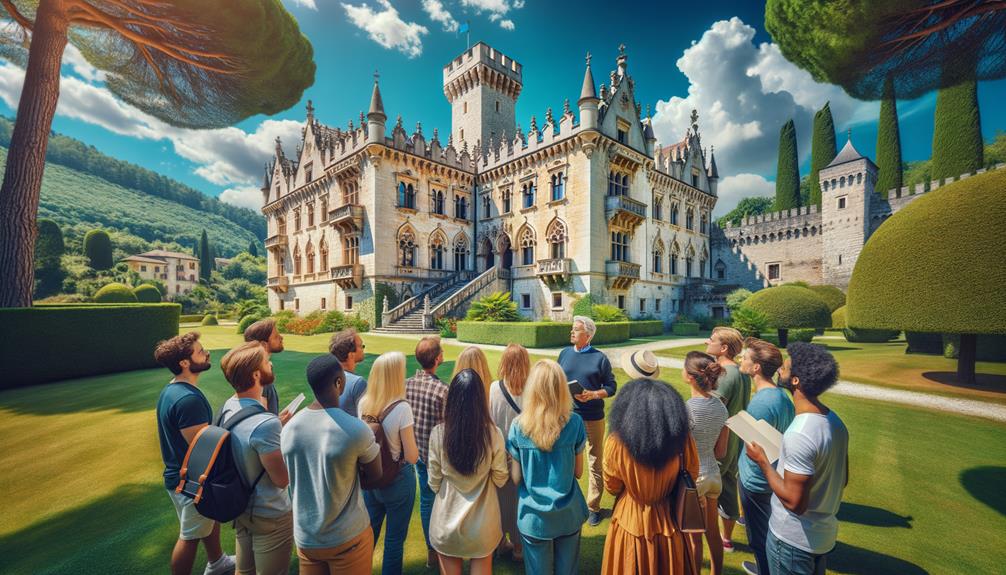
Joining a guided tour at Udine Castle gave me a stronger foothold in the history the rooms were describing. A knowledgeable guide can draw connections between objects and periods that are easy to miss when moving through the galleries alone, and I came away with a clearer sense of how the collections fit together.
The upper levels of the castle offer views across Udine that put the building’s position in the city into perspective. Having a guide on hand to identify landmarks and explain their significance added a layer I would not have found independently.
Whenever I explore the castle with a guide, my understanding and appreciation of its history deepens considerably. Having someone knowledgeable by my side brings the ancient walls to life in ways I wouldn't discover on my own, though I'd recommend checking directly with the museum for current tour availability and details.
Here’s a quick look at what a guided tour can offer:
| Feature | Description |
|---|---|
| Historical Insights | Fascinating stories of the castle's past |
| Art Collection | Highlights from their extensive collection |
| Panoramic Views | Gorgeous views from the top floor |
| Hidden Corners | Access to lesser-known areas |
Educational Programs
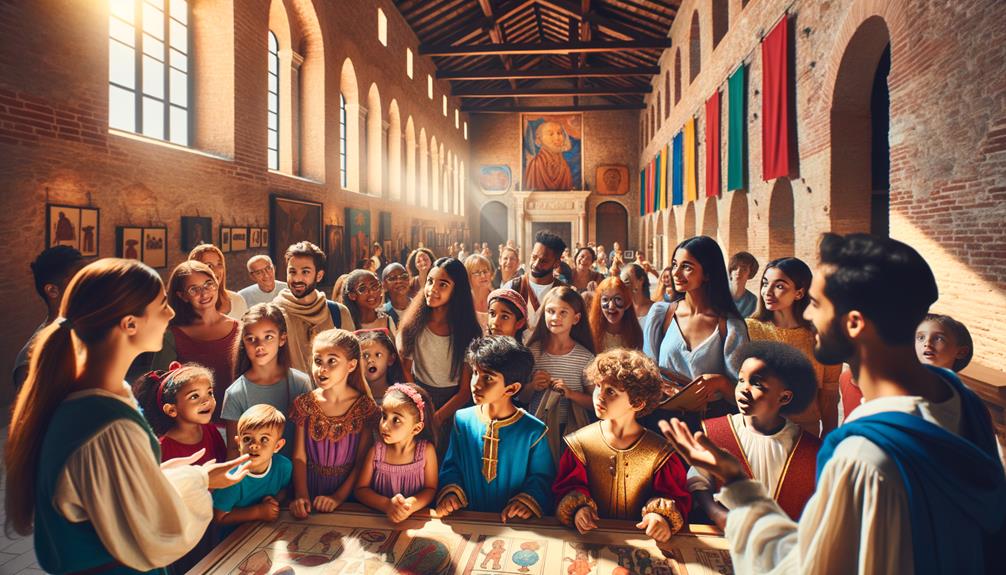
The Civici Musei del Castello offer educational programs that connect visitors to the history and art housed within the castle’s walls. Moving through the collections, I found that the museum’s range, from archaeology to photography to fine art, lends itself naturally to structured learning, with each section offering a different angle on Friulian history and culture.
One of the things I appreciate most is how the Civici Musei del Castello brings together so many different collections under one roof, from ancient archaeology to 19th- and 20th-century photography, making it a rewarding visit for a wide range of interests and age groups.
- Interactive workshops: Hands-on activities engaging directly with historical material.
- Lectures: Talks by specialists on specific aspects of the collections or regional history.
- Thematic tours: Focused visits exploring particular threads within the castle’s history.
- Art classes: Sessions introducing traditional techniques.
- Cultural events: Programmes connecting visitors to local customs and traditions.
Each program is designed to make the collections accessible rather than simply visible. Participating in one during my visit, I found myself engaging with the material rather than simply moving past it, a different kind of attention that the castle’s depth rewards.
Architecture and Design
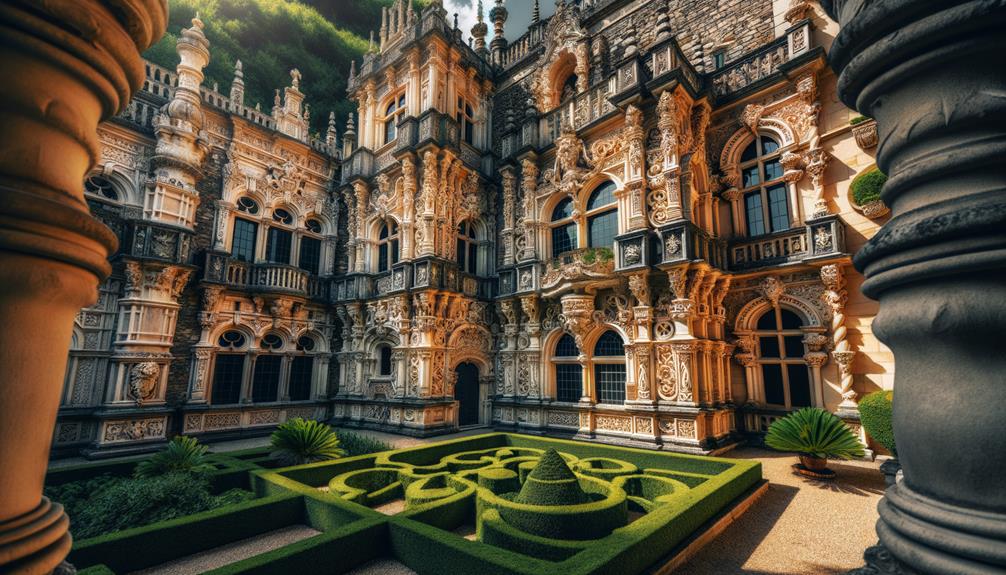
From its Renaissance origins to the well-preserved Salone del Parlamento, Udine Castle‘s architecture traces the region’s artistic and political history in stone. Conceived as a civic palace rather than a defensive stronghold, the building reflects the priorities of sixteenth-century Friulian governance, prestige and ceremony over fortification.
Reconstruction began on April 2, 1517, following the 1511 earthquake, and continued across several decades under a succession of architects. Giovanni Fontana from Lombardy directed the early phases of the work. Despite later additions in the early 17th century, the castle’s sixteenth-century character remains the dominant one, giving the building a coherence that later interventions did not disrupt.
The Salone del Parlamento is the castle’s most ceremonial space, a grand hall that served the city’s most significant civic functions and now houses a collection of Friulian paintings that reflect the artistic culture of the period. The hall’s proportions and decoration offer a direct encounter with Renaissance civic ambition.
Visitor Information
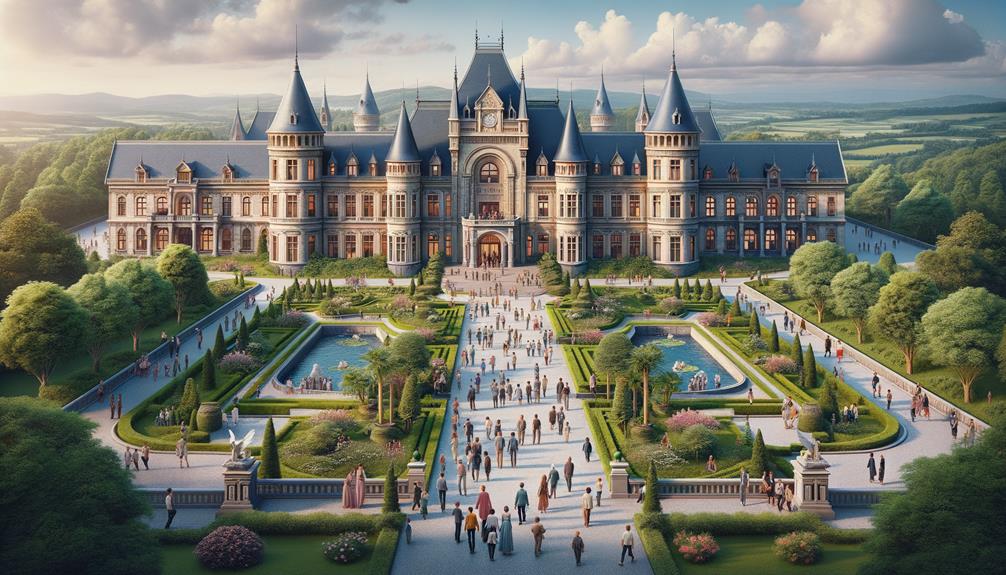
The Civici Musei del Castello di Udine occupy the castle at Piazzale del Castello 1, 33100 Udine. The collections span the Galleria d’Arte Antica, the Museo Archeologico, the Museo del Risorgimento, and the Museo della Fotografia, making the castle one of the most substantial museum complexes in the region.
Key practical details for planning your visit:
- Opening Hours: Tuesday through Sunday, 10:00–18:00; closed Monday. Check the official site before visiting for any changes to this schedule.
- Tickets: Check the official site for current admission prices and any available concessions.
- Guided Tours: Tours may be available; check the official site for current languages, schedules, and booking details.
- Accessibility: Check the official site or contact the museum directly for current accessibility information.
- Amenities: Check the official site for information on on-site facilities, which can change.
The castle’s position on the hill above Udine makes it a natural starting point for exploring the city. The Civici Musei offer a concentrated account of the region’s history, art, and photography that repays a careful visit.
For the most current visitor information, consult the official castle page or contact the museum directly before your visit.
Frequently Asked Questions
What Are the Operating Hours of the Udine Castle Museum?
When I visited the Udine Castle Museum, it was open Tuesday through Sunday, 10:00 to 18:00, and closed on Monday. It is worth checking the official site before you go in case hours have changed.
Are There Any Dining Options or Cafes Within the Museum Premises?
Yes, there's a lovely café inside the museum. It's a great place to take a break and enjoy some local pastries and coffee. I found it perfect for soaking up the lively cultural vibe.
Is There a Gift Shop Available at the Museum?
Absolutely, there's a delightful gift shop at the museum. I really enjoyed looking through the unique local crafts and books that perfectly capture the essence of the region. It felt like a mini cultural adventure, offering a piece of Udine's spirit to take home.
Are Photography and Videography Allowed Inside the Museum?
Photography and videography rules are not detailed in official sources and may vary by gallery or exhibition. Check the official site or ask at the entrance before your visit to avoid any issues.
Does the Museum Offer Any Membership or Annual Pass Programs?
I saw that the museum has membership and annual pass options. These make it easier and more enjoyable to visit often and feel like part of the community.