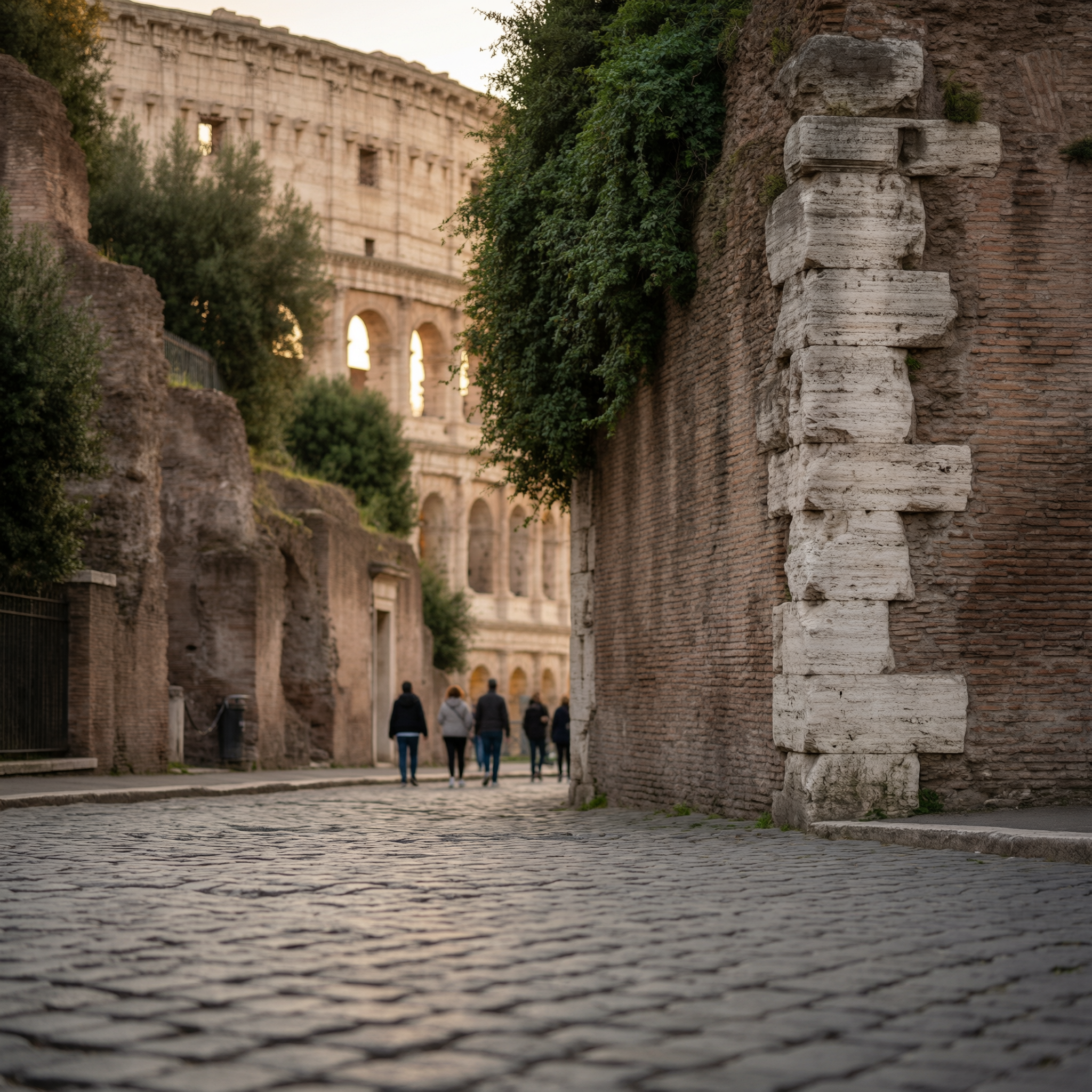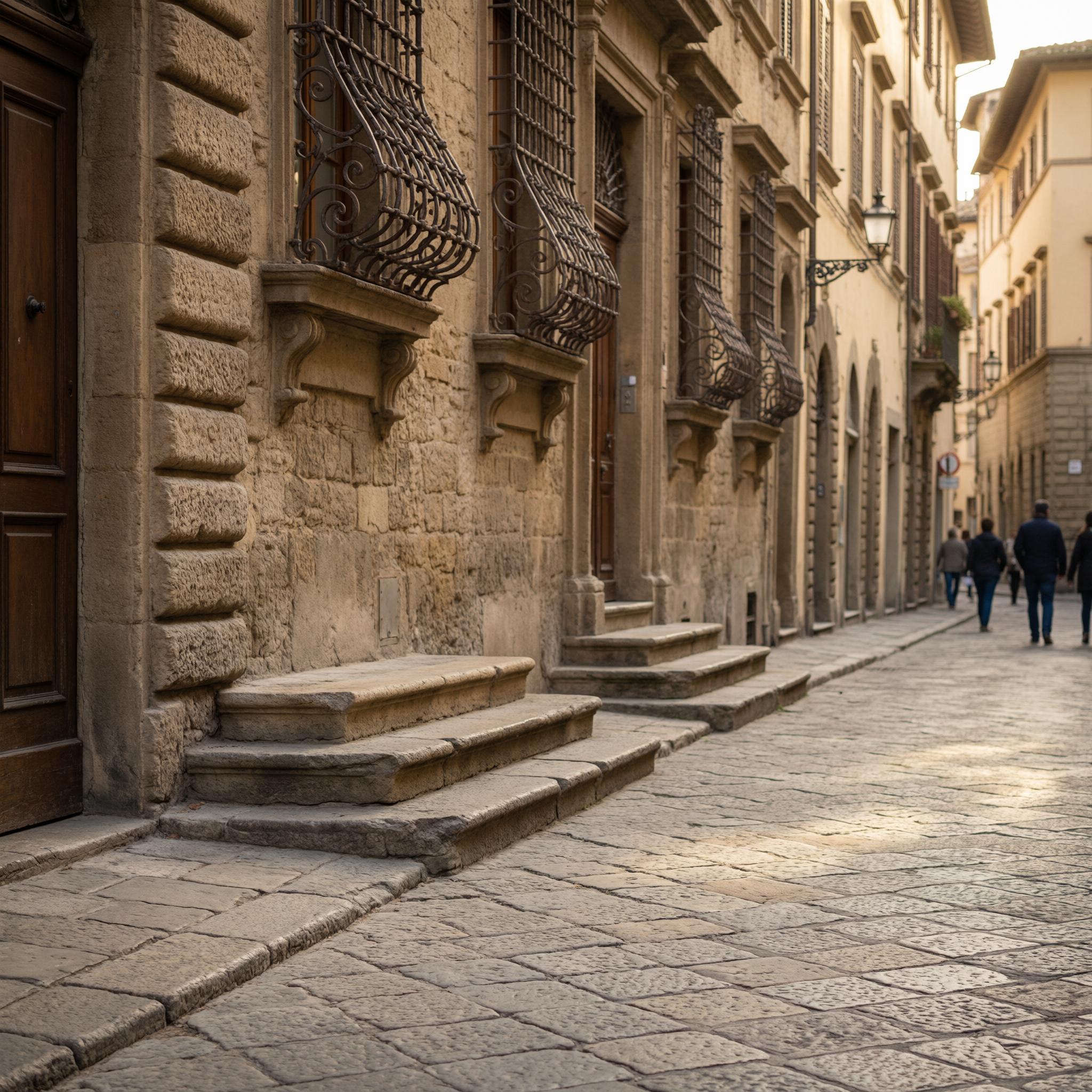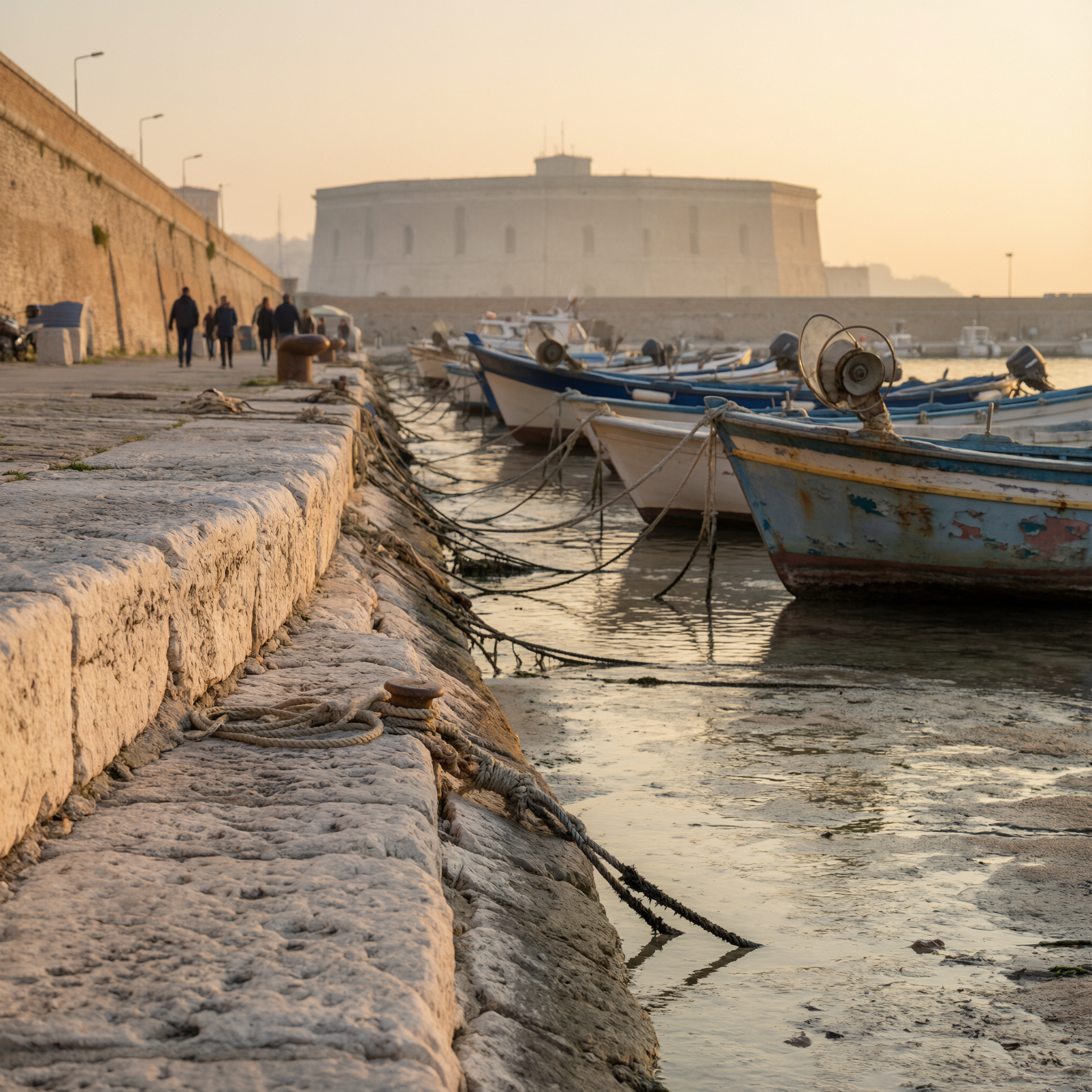
I arrived in Ancona to find the waterfront already alive with morning light, the Cathedral of San Ciriaco catching the sun from its perch on Guasco Hill. Its mosaics and frescoes carry a quiet Byzantine beauty that rewards a slow look. Walking toward the Loggia dei Mercanti, the Adriatic Sea opened up beyond the port, calm and wide. The medieval buildings and carved stone fountains of the historic center give the city a layered, unhurried character that is easy to fall into.
Before you go: Visitor details can change. Check Cruises from Ancona, Italy Cruises 2026-27 – Best Itineraries & Deals and Ancona Italy Cruise Port Guide, Riviera del Conero, Old Town or … before you go.
Guasco Hill Panoramic View
Standing at the top of Guasco Hill (Collina del Guasco), I took in a sweeping view of Ancona’s historic port, the fishing boats below looking small against the old maritime landmarks. There is a particular stillness up here, where the sea meets the horizon and the city spreads out beneath you.
The Cathedral of San Ciriaco dominates the hilltop, its ancient walls a measure of how long this city has been watching the Adriatic. Ancona’s blend of old and new is most legible from this vantage point; the working port below and the medieval stonework around you exist in easy proximity. The fishermen tending their nets on the quay below add a grounding counterpoint to the almost timeless feeling of the hill.
Guasco Hill is not just a great spot for views; it is a place where you can feel the character of Ancona settle around you. Standing there, I understood why locals and visitors alike make the climb. The view is not only about what you see, it is about the sense of scale and history that the city takes on from above.
Cathedral of San Ciriaco
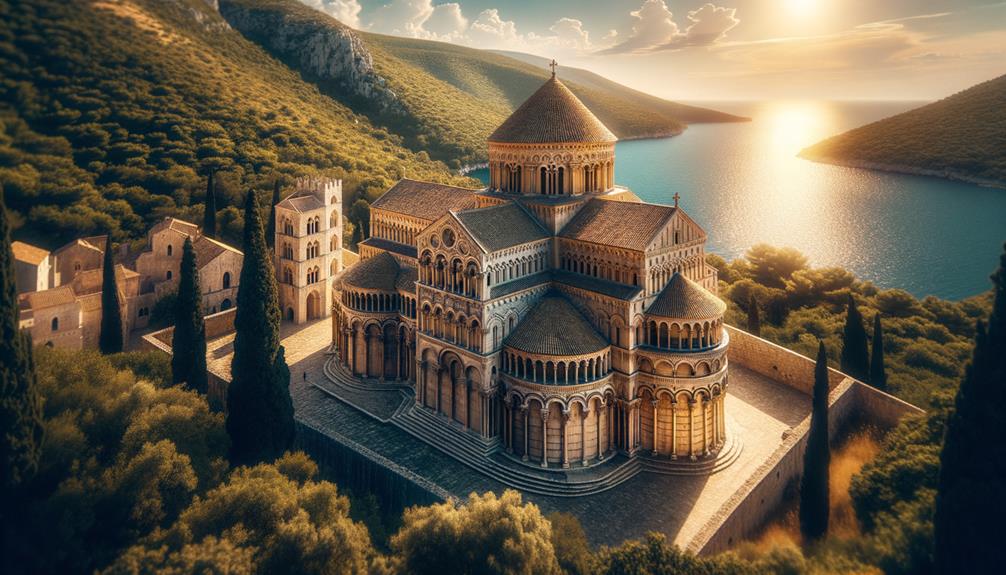
Making my way down from Guasco Hill, the Cathedral of San Ciriaco came fully into view. Its mix of Romanesque, Byzantine, and Gothic styles stands in confident contrast to the Adriatic behind it. Sunlight came through the rose window, and the bell tower rose cleanly against the sky.
Inside, a peaceful atmosphere and a palpable sense of age drew me in.
- Byzantine Influence: The interior features mosaics and frescoes that reflect Ancona’s historical ties to the Byzantine world.
- San Ciriaco: The cathedral is dedicated to Ancona’s patron saint, and the building has served as the city’s spiritual center for centuries.
- Architectural Fusion: The combination of Romanesque structure, Byzantine ornament, and Gothic verticality gives the cathedral a character found nowhere else in the Marche.
Walking through the cathedral, I felt a genuine connection to the city’s past. The ornate decorations and quiet interior prompted me to slow down and consider the centuries of history that have shaped Ancona. Entry is free, and the visit rewards at least 45 minutes, check the official site before visiting for current opening hours.
Exploring the Historic Center
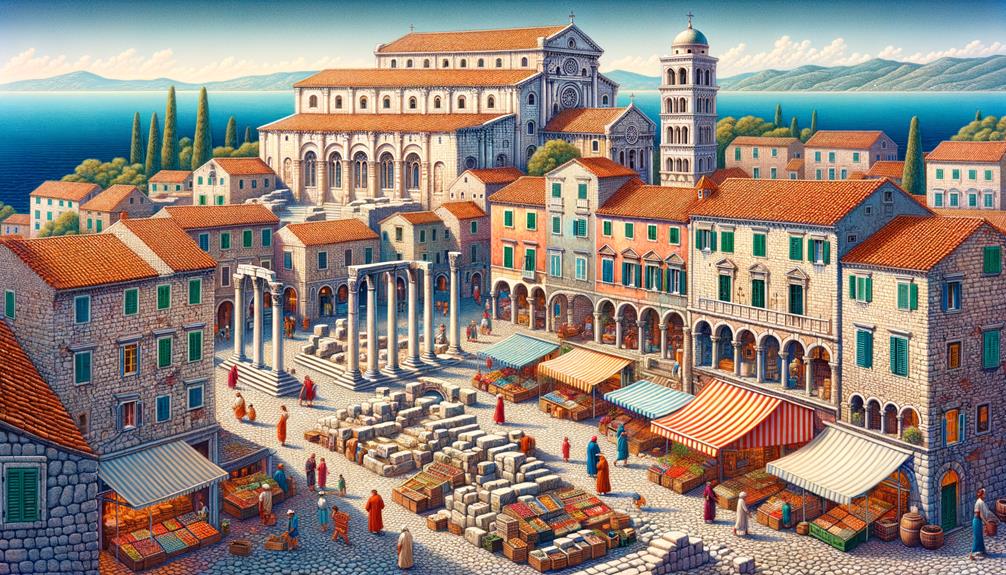
Walking through Ancona’s historic center, I was struck by the charm of its cobblestone streets, medieval buildings, and the easy rhythm of daily life in every piazza and alley. The old town carries its age lightly, with each lane offering something unexpected.
I passed the Loggia dei Mercanti, a fine example of Gothic architecture whose detailed façade has presided over the port quarter for centuries. Nearby, the Fontana del Calamo, also known as the Fountain of the Thirteen Spouts, caught my attention with its carved stonework and steady flow of water, a natural place to pause.
Wandering the narrow lanes, the smell of freshly baked bread drifted from local bakeries, mixing with aged stone and sea air. I found a small, family-run trattoria where the owner poured a glass of local Verdicchio wine and talked about the area’s history with the easy pride of someone who has lived it.
The historic center of Ancona is not simply a collection of monuments; it is a place that accumulates meaning as you walk it. Every hour I spent there felt like a closer reading of the city.
Piazza del Plebiscito
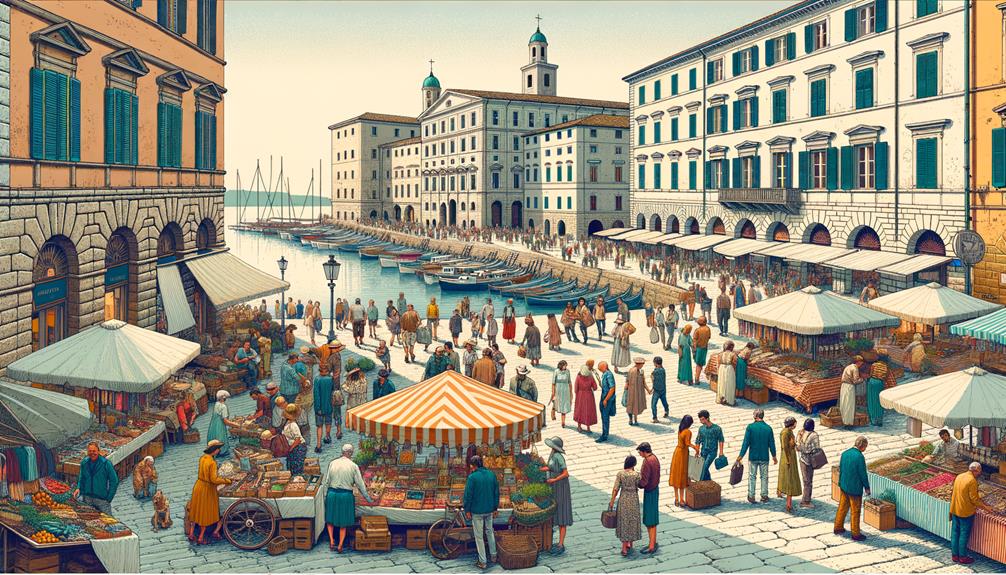
Right in the heart of Ancona, Piazza del Plebiscito draws you in with its mix of historic architecture and everyday activity. Walking through the square, I admired the buildings that frame it and the sense of civic life that has accumulated here over centuries. The nearby Cathedral of San Ciriaco is visible on the hill above, while the Palazzo del Comune adds a formal note to the scene.
- Ornate Fountains: The decorative stonework around the square catches the eye and offers a natural pause on a warm afternoon.
- Cafes and Restaurants: A short espresso or a gelato here, with the square’s foot traffic as a backdrop, is one of the simpler pleasures Ancona offers.
- Civic Life: The square has long served as a gathering point for local events and everyday socializing.
A walk through Piazza del Plebiscito feels unhurried, with locals and visitors sharing the same space without ceremony. It is easily reached on foot from the port and from the other main landmarks of the historic center.
Piazza del Plebiscito Highlights
A short walk from Piazza del Plebiscito, Ferretti Palace houses the National Archaeological Museum of the Marche, the primary archaeological institution in Ancona. As I approached through the historic center, the palace’s Renaissance façade stood out among the surrounding streets.
During my visit, I was struck by how Piazza del Plebiscito anchors Ancona’s historic center. The square’s architecture reflects the city’s layered past, and I found it a natural gathering point between the port and the upper town.
The piazza is surrounded by notable buildings and is a lively spot for locals and visitors alike. I spent time simply watching the city go about its day, it felt like the true heart of Ancona, connecting the Loggia dei Mercanti and the streets leading up toward Guasco Hill.
A visit to Ferretti Palace is as much an architectural experience as a historical one, and it connects you directly to the layers of civilization that have shaped this part of the Adriatic coast.
Strolling Through the Loggia dei Mercanti Quarter
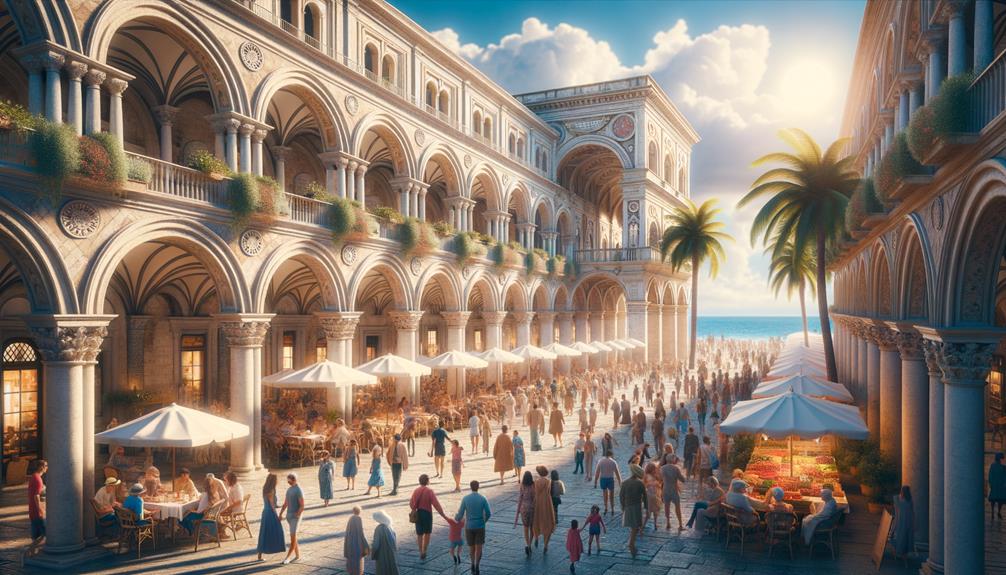
Walking through the quarter around the Loggia dei Mercanti, I was struck by the mix of old buildings at every turn. The area has a working, lived-in quality, and the views toward the waterfront from the edges of the old town are genuinely calming.
Historical Architectural Marvels
In the heart of Ancona’s old town, the area around the Loggia dei Mercanti brings together Romanesque, Gothic, and later architectural periods in a compact space. Walking through it, I felt the different eras of the city’s past in close succession.
Three structures especially stood out to me:
- Loggia dei Mercanti: This 15th-century structure, with its elegant arched façade, offers a direct window into Ancona’s medieval trading history.
- Church of San Marco: Its Romanesque and Byzantine details drew me in with their careful stonework.
- Palazzo del Comune: The neoclassical front of this town hall reflects the city’s evolving civic ambitions across several centuries.
Walking through the quarter, I noticed the pale Istrian stone used on many of the older buildings, bright and precise against the sky. The narrow streets, lined with historic façades, cafes, and small shops, carry a sense of the commercial and social life that has always defined this part of the city.
Local Market Activity
After taking in the architecture, I came across what appeared to be a seasonal or occasional market near the Loggia dei Mercanti. Stalls offered fresh produce, handmade crafts, and the smell of regional food. Whether a permanent market operates here regularly is worth confirming locally, as activity in the area can vary by season.
Each vendor had something specific to say about their goods. An elderly woman described the character of her homemade olive oil with quiet authority, while a young baker explained his method with obvious enthusiasm. The market offered a direct encounter with local producers, brightly colored produce, the sound of transactions, and easy conversation all around.
Standing near the Loggia dei Mercanti, I was struck by how naturally the market activity sat against its historic backdrop. The ancient trading hall and the stalls below it told a coherent story about how Ancona has always been a place of exchange. Whatever the season, exploring this part of the city gave me a genuine sense of its daily life.
Scenic Waterfront Views
From the edges of the old town near the Loggia dei Mercanti, the Adriatic Sea and the working Ancona harbor came into clear view. Walking through this part of the historic center, I felt the particular quality of a port city where the water is never far away. The mix of waterfront scenery and active port gave the area an energy that was easy to absorb.
The surrounding streets offer cafes, shops, and historic buildings in easy combination.
- Loggia dei Mercanti: This 15th-century loggia, now used as a cultural venue, anchors the quarter and connects it to Ancona’s long mercantile past.
- Fontana delle 13 Cannelle: The historic 13-spout fountain is both a local landmark and a pleasant sight on any walking route through the center.
- Historic Port Structures: The waterfront area includes several landmarks worth exploring as you move between the old town and the quay.
As I took in the waterfront views, I found myself absorbed in the layered character of this part of the city, old stone, open water, and the sounds of a working port all present at once.
Discovering Piazza Roma
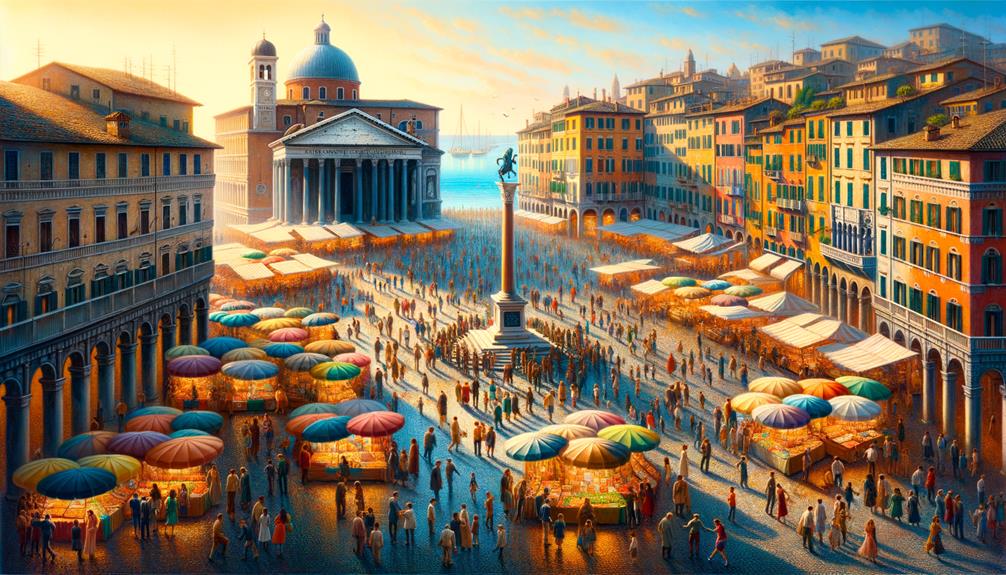
Walking into Piazza Roma, I was struck by the presence of the statues and the weight of the architecture around me. The history here is tangible, with each building adding to a sense of accumulated civic importance. I found myself slowing down to take in the details.
Historical Significance Highlighted
Walking into Piazza Roma, I felt the depth of history that Ancona carries, from its ancient origins as a Greek and later Roman settlement to the medieval and Renaissance layers visible in the architecture around me. The square has the quality of a place that has served the city across many different eras.
As I wandered, I found myself reflecting on Ancona’s deep ancient roots. Founded by Greek settlers and later shaped by Roman rule, the city carries centuries of history in its streets and monuments. Standing among structures that have endured so long is a genuinely humbling experience.
The Roman Amphitheater offers another connection to the ancient city. Trajan’s Arch, built in honor of Emperor Trajan, remains a benchmark of Roman monumental architecture. And the Cathedral of San Ciriaco, on its hill above the port, brings together the city’s ancient, medieval, and later histories in a single building.
Every corner of Piazza Roma invites you to pause and consider the different periods that have shaped Ancona into the city it is today.
Architectural Marvels Unveiled
Wandering through Piazza Roma, I was drawn to the Fontana delle 13 Cannelle, a historic fountain whose 13 carved spouts have made it one of Ancona’s most recognizable landmarks. The exact date of its construction is not firmly established in current sources, but its stonework reflects the city’s long tradition of civic craftsmanship. Each spout pours steadily, as it has for centuries.
Piazza Roma has served as a central gathering place for generations. The square, framed by the Palazzo del Comune and other historic buildings, illustrates how Ancona’s architecture has shifted across different periods while maintaining a coherent civic identity.
| Landmark | Description |
|---|---|
| Fontana delle 13 Cannelle | Ancient fountain with 13 mythological spouts |
| Palazzo del Comune | Historic administrative building |
| Chiesa di San Giovanni Battista | Byzantine-Gothic church |
| Cobblestone pavement | Enhances picturesque atmosphere |
| Cafes and shops | Popular spots for relaxation and people-watching |
Walking across the cobblestones, I felt the city’s energy in the mix of people around me. The square is more than a location; it is a place where daily life and history occupy the same ground. Locals and visitors share it without ceremony, and the surrounding architecture, spanning several centuries, gives the space a depth that rewards time spent in it.
Fontana Delle 13 Cannelle
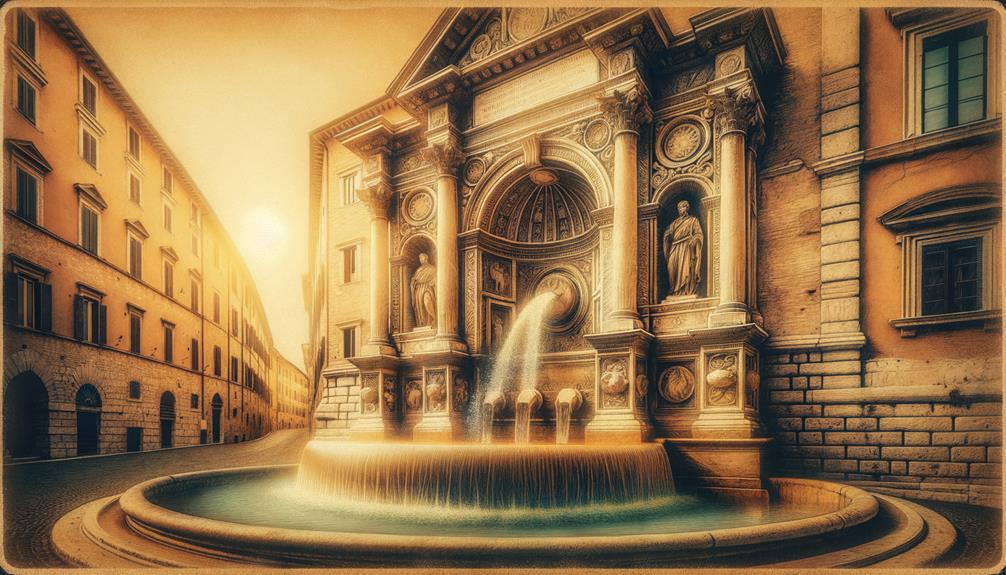
In the historic center of Ancona, the Fontana delle 13 Cannelle stands as one of the city’s most enduring landmarks. On my walk through the old town, the fountain felt like a fixed point in a city that has changed considerably around it. Its 13 spouts have long made it a natural gathering spot, a place for a pause and a moment of quiet.
As I approached, the carved stonework caught my attention. The craftsmanship is careful and specific, with each spout shaped as a distinct figure. What drew me in:
- Architectural Character: The Romanesque design reflects the city’s medieval artistic heritage and its taste for durable, detailed stonework.
- Historical Continuity: This landmark has been part of Ancona’s public life across many centuries and many changes to the city around it.
- Community Presence: It remains a popular meeting point for locals, which gives it a living quality that purely monumental sites sometimes lack.
During my walk, I fell into conversation with a local artisan nearby who spoke about the fountain’s place in the neighborhood’s daily rhythm. It was a reminder that Ancona’s character is most visible in places like these, where history and ordinary life share the same space.
Architectural Elements Tour
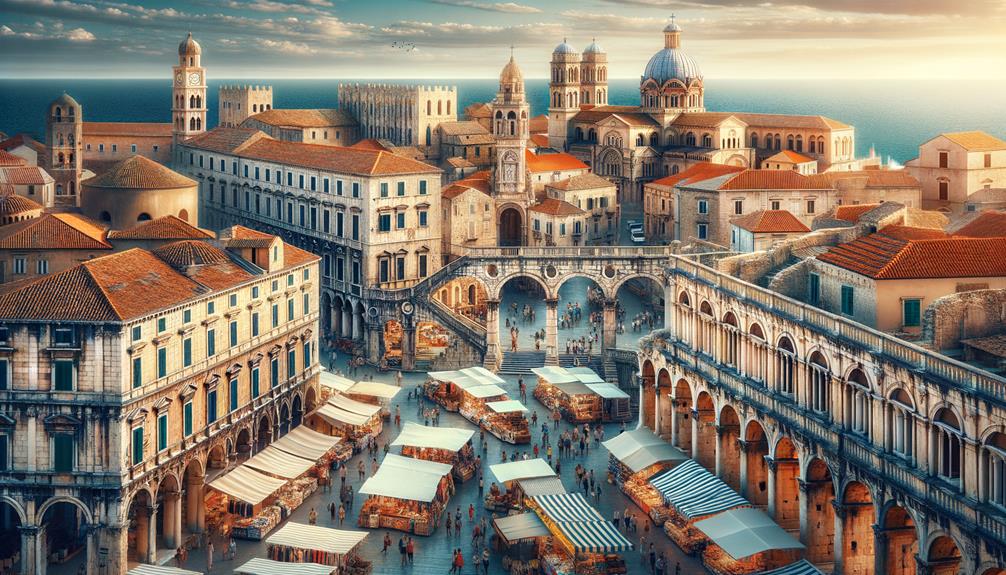
Strolling through Ancona, I was drawn to the intricate stone carvings of the Romanesque cathedral, each one carrying a specific story from the medieval period. The Renaissance palaces, with their composed façades and careful ornamentation, speak to an era when the city prospered through art and trade. What surprised me most were the modernist buildings in other parts of the city, their clean lines sit alongside the historic fabric in a way that shows how Ancona has continued to build on itself rather than simply preserve what came before.
Romanesque Cathedral Features
Walking up to the Romanesque cathedral, the detailed stone carvings and rounded arches placed me immediately in a tradition where skill and devotion were inseparable. The façade drew me in before I had even reached the door.
Inside, the Romanesque period came alive in the proportions and the light. I found myself comparing it to other architectural styles I had seen elsewhere in the city:
- Interior as Gallery: The frescoes and statues inside function as a record of medieval craftsmanship, each piece placed with clear intention.
- Neoclassical Contrast: The neoclassical buildings elsewhere in Ancona offer a striking counterpoint, more symmetrical, more overtly grand, and less concerned with the weight of stone.
- Layered Periods: Each architectural era adds to Ancona’s accumulated character, from Romanesque through Baroque, with each layer legible if you look for it.
Walking the cool, dim aisles, I felt a deep sense of stillness. The cathedral seemed to hold the lives of many generations within its walls. For a moment, I felt genuinely connected to the long history of the place.
Renaissance Palaces Highlights
Exploring Ancona’s Renaissance architecture, I was struck by the way different historical periods have been layered onto the same buildings over time. Several palaces in the historic center show this clearly, with later Baroque additions sitting alongside earlier Renaissance work in ways that feel organic rather than incongruous.
I spent time at Ferretti Palace, which houses the National Archaeological Museum of the Marche, the primary archaeological institution in Ancona, with collections spanning prehistoric through Roman and medieval periods. The Renaissance-style courtyard offered a calm space to take stock before going inside.
| Element | Emotion Evoked |
|---|---|
| Bosdari Palace | Awe and Wonder |
| Ferretti Palace | Reflection and Serenity |
| Loggia of the Merchants | Nostalgia and Admiration |
The area around the Loggia dei Mercanti was another highlight. The Loggia itself, with its ornate Gothic façade, stands as one of the most complete examples of 15th-century mercantile architecture on the Adriatic. Walking past it, I could easily picture the trading activity that once defined this part of the city.
Modernist Buildings Overview
Moving from the Renaissance quarter, I found Ancona’s modernist buildings striking in their deliberate contrast. The clean lines and functional logic of these structures reflect a different set of priorities, less ornament, more clarity. Walking through the newer parts of the city, I was interested by how these buildings hold their own without competing with the historic fabric around them.
During my walk, I noticed how the city’s different architectural periods sit in close proximity without obvious tension.
- Palazzo del Popolo, This building captures rationalist architecture in its clean lines and minimal decoration, a clear departure from the city’s older styles.
- Teatro delle Muse, A significant arts venue with modern design and strong acoustics, it plays an active role in Ancona’s cultural life.
- Mole Vanvitelliana, Originally built for military use, its conversion into a contemporary cultural space is one of the more successful examples of adaptive reuse in the city.
Exploring these sites gave me a clearer sense of how Ancona has continued to develop without erasing what came before. The city’s willingness to build across different periods, rather than freeze itself at any one moment, is part of what makes it worth exploring on foot.
Planning Your Visit
Arriving at the Ancona port, I was immediately drawn into the city’s cultural richness. The port area is a natural starting point, with the iconic Arch of Trajan just five minutes away and the historic center easily reachable on foot, offering a wonderful mix of breathtaking views and cultural insights at every turn.
I made my way up Guasco Hill, where stunning views of the Adriatic Sea opened up before me. The Cathedral of San Ciriaco stands proudly at the summit, its ancient stones sharing stories from centuries ago. The panorama over the port is remarkable. I then walked down toward Piazza del Plebiscito, where the lively atmosphere of the historic center provided a wonderful contrast to the hilltop calm.
My favorite stop was the Fontana delle 13 Cannelle, a charming fountain whose thirteen spouts each seem to carry a piece of the city’s story. I loved wandering through Ancona at my own pace, letting the history and architecture reveal themselves naturally, a reminder of why this Adriatic port city is so rewarding to explore.
Frequently Asked Questions
Is Ancona Worth Visiting?
Yes, Ancona is worth a visit. I enjoyed walking its streets at an unhurried pace, and the combination of Roman monuments, medieval architecture, and an active working port gives the city a character that is genuinely its own. The mix of ancient history and Adriatic setting is hard to find elsewhere in quite the same form.
Which Country Is Ancona In?
Ancona is a port city on Italy’s Adriatic coast, and I remember walking through its charming streets, soaking in the rich history and lively culture. The sea breeze and the sight of the ancient Arch of Trajan near the waterfront filled me with a sense of freedom and adventure that’s hard to find elsewhere.