Modena is far more than a Ferrari pilgrimage. The city and its surroundings are home to a remarkable range of automotive collections, from the Stanguellini Museum on the city’s outskirts to the Umberto Panini Collection with its rare vintage Maseratis. The Enzo Ferrari Museum anchors the scene in the historic center, but the unexpected stories tucked into smaller private collections are what make Modena genuinely special for car enthusiasts.
Before you go: Visitor details can change. Check Museum Enzo Ferrari Modena – Ferrari.com and Enzo Ferrari museum – VisitModena before you go.
Enzo Ferrari Museum
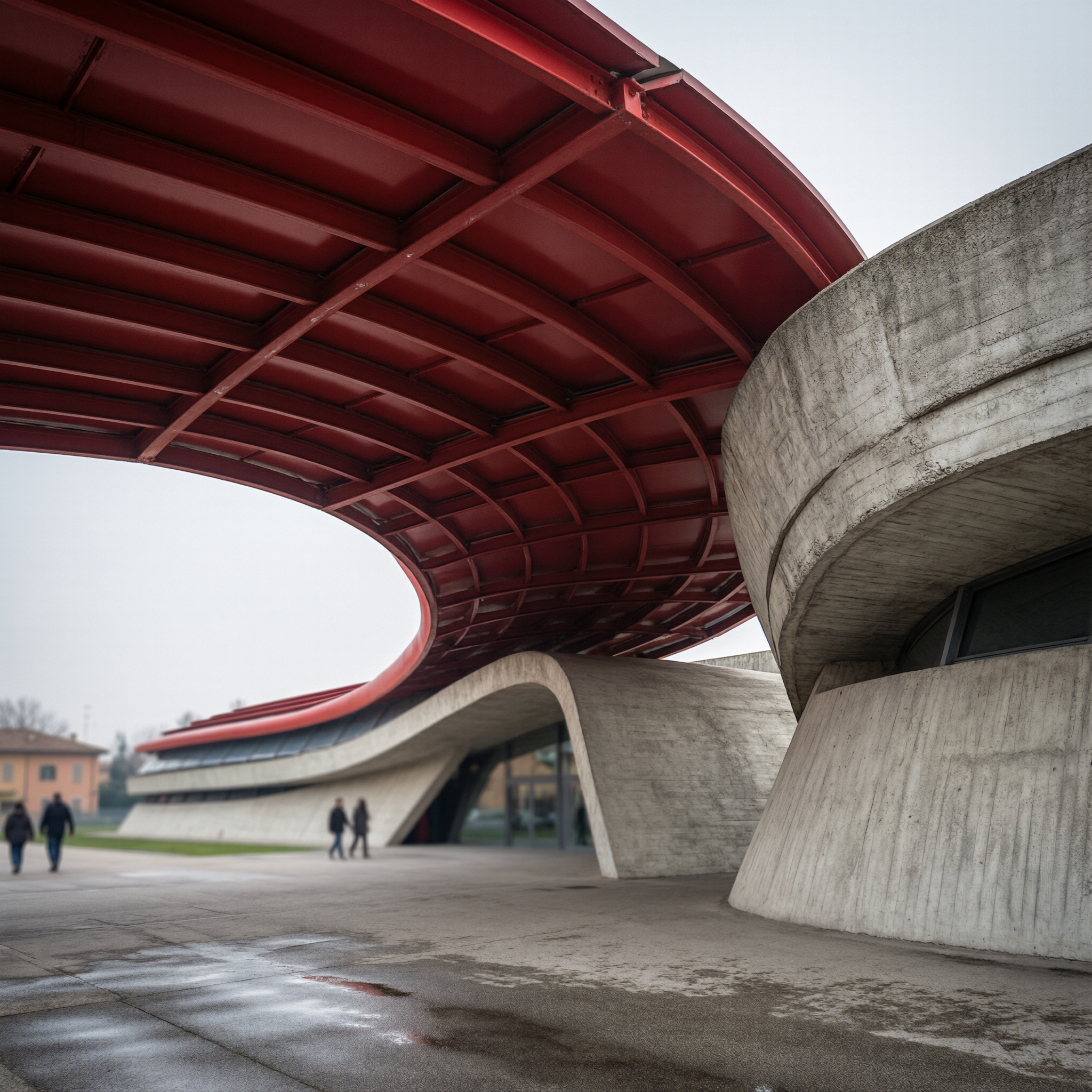
In the heart of Modena, the Enzo Ferrari Museum captures the legacy of its iconic founder with striking effect. As I walked through the sleek, modern entrance, the architecture made an immediate impression, contemporary in form yet respectful of history, much like Ferrari’s own approach to design.
Strolling through the exhibits, I was struck by the breadth of the collection. Each vehicle told a distinct story, not simply of speed, but of sustained passion and ingenuity. The layout traced Enzo Ferrari’s humble origins, his ambitious vision, and the brand’s rise to global prominence.
Learning about Enzo Ferrari’s life, I was struck by his unyielding determination. He wasn’t just building cars; he was pushing the limits of what was possible. The interactive displays and multimedia installations brought his legacy to life in ways that felt immediate rather than archival, drawing me into a world where precision and ambition were inseparable.
The Enzo Ferrari Museum isn’t just about cars; it’s a tribute to the pursuit of excellence and the bold spirit of its founder.
Ferrari Museum Maranello
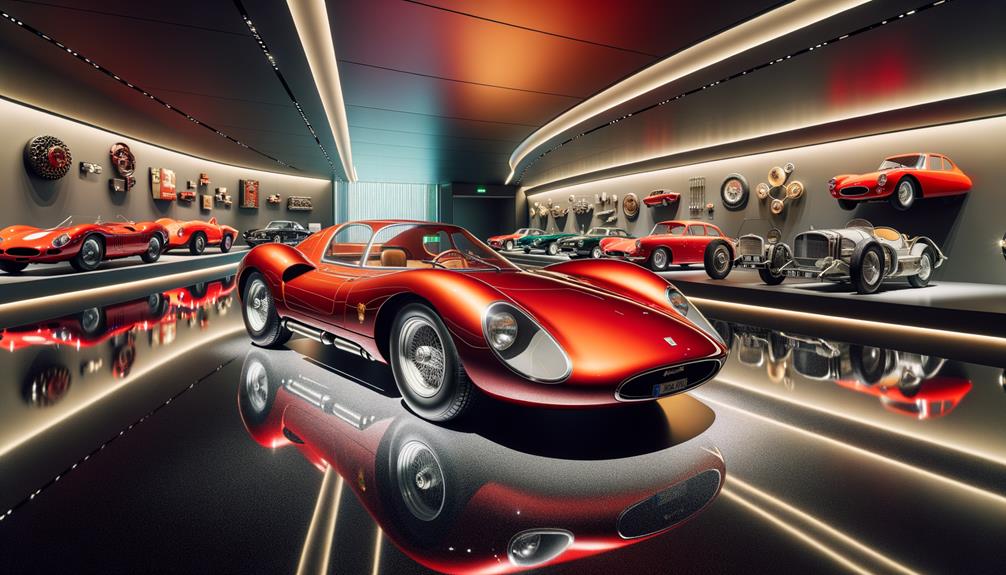
The Ferrari Museum in Maranello, a separate site roughly 15 km south of Modena, is a different experience altogether. Strolling through its galleries, I was immediately drawn to the impressive lineup of iconic Ferrari models, each one a study in engineering ambition. The racing simulators offered a genuine taste of the Formula 1 experience, and the detailed engine displays underscored Ferrari’s unwavering commitment to performance.
Iconic Ferrari Models
The Ferrari Museum in Maranello is a deep archive of automotive history, showcasing approximately 40 iconic models, each marking a significant moment for the brand. The 125 S, the very first Ferrari built in 1947, stands as a testament to the brand’s ambitious beginnings, it’s remarkable to see how far the company has traveled since that single car.
In one corner, the 250 GTO shines under the lights. With only 39 units ever produced, it’s as much a work of art as a machine. Nearby, the Ferrari F40 commands attention, once among the fastest production cars in the world, with a top speed of 201 mph.
The museum also features the Ferrari Enzo, built in 2002 to honor the company’s legendary founder. Only 400 were made, and each is a marvel of modern engineering. A dedicated section covers Ferrari’s Formula 1 cars, including the F1-2000 that carried Michael Schumacher to the championship in 2000. Every model here tells a story of passion, speed, and relentless ambition.
Racing Simulators Experience
When I stepped into the racing simulators at the Ferrari Museum Maranello, the setup, sleek design, high-resolution screens, a proper steering wheel, made the prospect of a simulated Formula 1 lap feel surprisingly credible. A mix of excitement and nerves set in before I’d even started.
As the simulator came to life, I found myself navigating sharp turns and accelerating down straightaways. Every twist felt convincingly real, with vibrations humming through the seat and the G-forces reproduced with care. It wasn’t a fairground ride; it was a considered attempt to convey what high-speed racing actually demands.
Here’s a quick snapshot of what I felt:
| Emotion | Sensation | Experience |
|---|---|---|
| Excitement | Adrenaline rush | Starting the car |
| Anticipation | Heart racing | Sharp turns |
| Immersion | Full focus | Realism |
| Freedom | Speed and motion | Acceleration |
| Accomplishment | Mastery of track | Finishing a lap |
I still think back on the racing simulators at the Ferrari Museum in Maranello, they gave me a genuine taste of the freedom that comes with high-speed racing.
Engine Innovations Showcase
Stepping into the Engine Innovations Showcase at the Ferrari Museum Maranello, I was immediately absorbed by the ingenuity on display. The exhibit traces the history of Ferrari’s engine technology across approximately 40 cars. Among them, the 125 S and championship-winning F1 single-seaters stand out as markers of how far the engineering has evolved.
The interactive displays and multimedia presentations explore the technical detail behind Ferrari’s engines with real depth. A section dedicated to Ferrari’s legendary V12 engines was particularly absorbing. Seeing models like the 250 GTO and Testarossa up close gave a clear sense of the raw power and precision that define the marque.
One section focused on Ferrari’s hybrid power units, pairing traditional combustion engines with electric motors. The SF90 Stradale and F8 Tributo models illustrated how that integration works in practice. Guided tours offered an in-depth explanation of how these developments have shaped both motorsport and road-car design, a fitting conclusion to an exhibit built around relentless engineering ambition.
Maserati Factory Tour
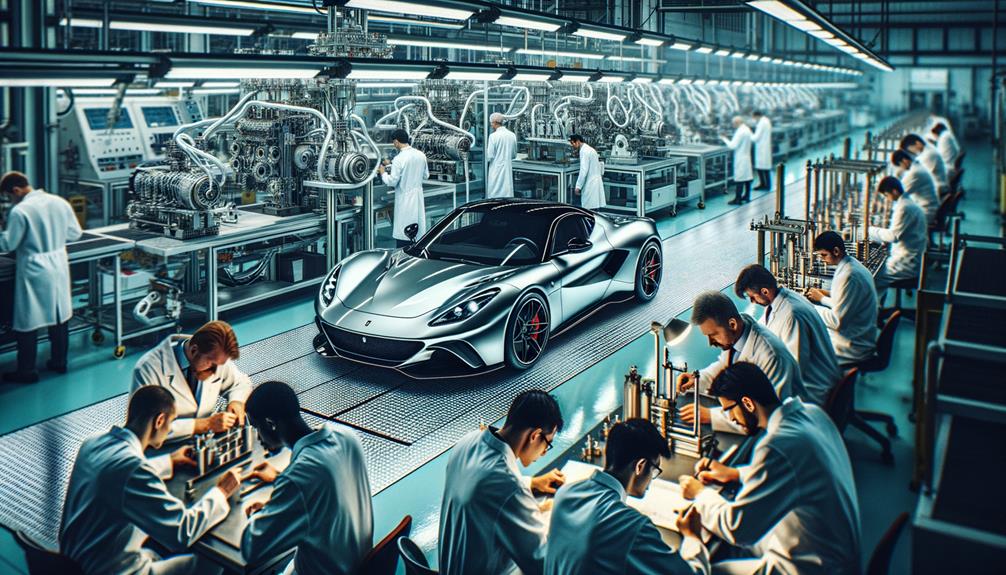
Getting an insider’s view of Maserati’s craftsmanship at their headquarters in Modena is a genuinely rare opportunity. Walking through the Maserati Factory filled me with quiet awe. The tour opened with the brand’s history, guides tracing Maserati’s journey from its founding to its current standing as a benchmark of Italian luxury and performance.
Seeing the assembly line up close was mesmerizing to me. Each step highlighted the meticulous attention to detail and commitment to excellence that Maserati is famous for. The engine workshop was particularly fascinating, showing the intricate engineering behind these powerful machines. I couldn’t help but appreciate the blend of tradition and innovation that goes into every car.
In the testing department, I saw the rigorous checks each vehicle undergoes before leaving the factory. The guides answered questions readily, offering insight into design philosophy, engineering choices, and the company’s direction. Booking the Maserati Factory Tour in advance is essential, it’s a must for any car enthusiast who wants a closer look at automotive craftsmanship in practice.
Stanguellini Museum
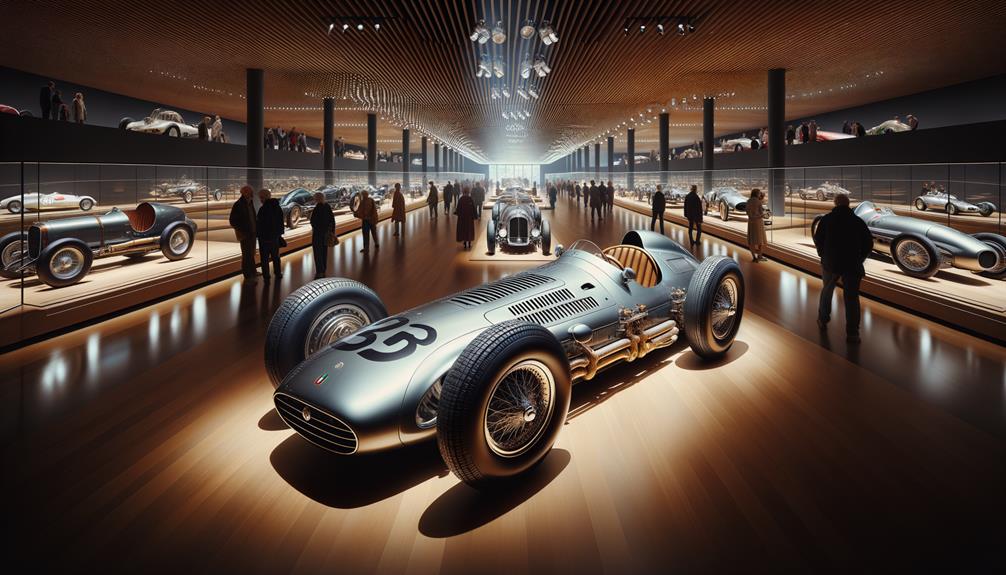
On the outskirts of Modena, the Stanguellini Museum offers an absorbing look into Italy’s automotive past. From the moment I stepped inside, the connection between the Stanguellini family’s history and the broader story of Italian motorsport was clear. This private collection, curated by Francesco Stanguellini, reflects the family’s deep involvement in sports and racing cars throughout the 20th century.
The museum extends well beyond Stanguellini cars, featuring an impressive range of Ferraris, Maseratis, Lamborghinis, and Alfa Romeos. Each vehicle is a study in Italian craftsmanship. Walking through the collection, I could easily picture the noise and energy of the circuits these cars once competed on.
The guided tour added real depth to my visit. Staff shared the stories behind individual cars and pieces of memorabilia with evident knowledge and enthusiasm. A stop at the old machine shop downstairs was a highlight, the tools and equipment felt like a working record of how these cars were built and maintained. The museum is reported to be open Monday to Friday, with advance booking required; confirm current hours and availability directly before visiting. It’s accessible by bus or train, and well worth the effort for anyone exploring Motor Valley.
Umberto Panini Collection
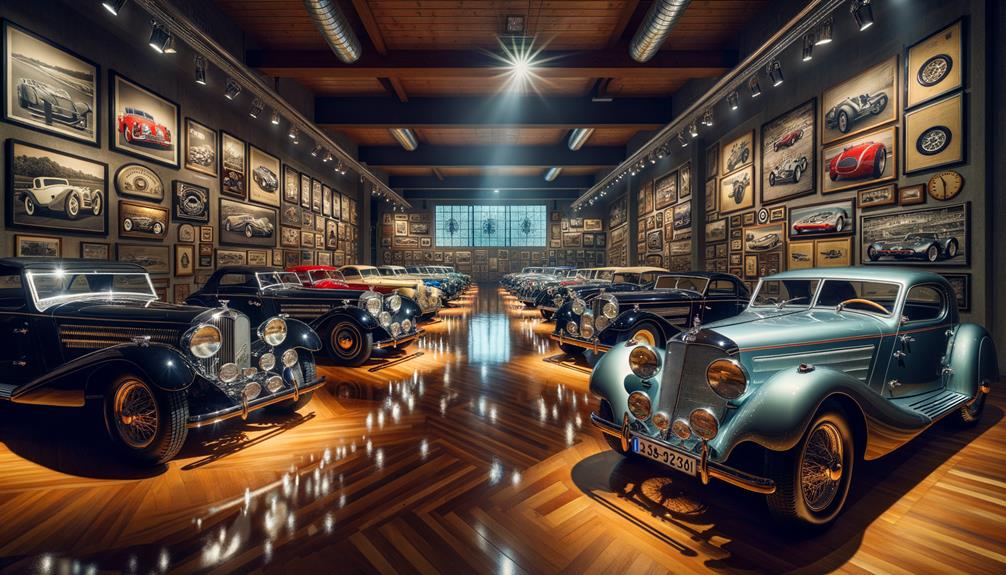
Stepping into the Umberto Panini Collection, I was immediately drawn to the elegance of the vintage car exhibit. Each Maserati seemed to carry the memory of past races, and the motorcycle display was equally compelling, beautifully restored bikes that spoke to Panini’s commitment to preserving Italian automotive history.
Vintage Car Exhibit
Walking into the Umberto Panini Collection, the gleam of the vintage Maseratis and pristine race cars stopped me in my tracks. These weren’t simply old machines, they were objects of considered design, and the Italian craftsmanship behind each one had clearly endured.
The collection reads as a timeline of Italian automotive history. One of the more unexpected pieces was the Lamborghini tractor outside, a reminder of the region’s agricultural roots, standing in deliberate contrast to the sleek Maseratis inside. It’s a detail that connects Motor Valley’s industrial heritage to its more glamorous reputation.
Each car here has its own story, from race cars that once competed on circuits to the bicycles and motorcycles that broaden the collection’s scope. The guided tour offered genuine insight, making the experience more than a visual survey. Whether you’re a dedicated enthusiast or simply curious, the Umberto Panini Collection is worth seeking out. Note that hours and booking requirements for this private collection may change; confirm access details directly before visiting.
Motorcycle Display Highlights
I was genuinely captivated by the motorcycle section of the Umberto Panini Collection. The vintage bikes on display were beautifully restored, each one a window into the artistry and engineering of Italian motorcycle design. Moving through the exhibit, I felt a strong connection to an era when every curve and component reflected exceptional craft.
One memorable section paid tribute to the Ducati marque. Ducati has long stood for innovation and speed, and seeing these bikes up close, their lines, their details, the evidence of racing history, made that reputation feel earned rather than marketed.
Three highlights that stood out:
- Ducati 750SS, Sleek lines and a purposeful engine that reflect Ducati’s focus on performance above all else.
- MV Agusta 750S, Bold red and silver livery with meticulous detailing that captures Italian style at its most confident.
- Moto Guzzi V7, A timeless design that balances a sturdy build with understated elegance.
These motorcycles are more than transport; they represent a particular Italian conviction that engineering and beauty are inseparable.
Pagani Factory Visit
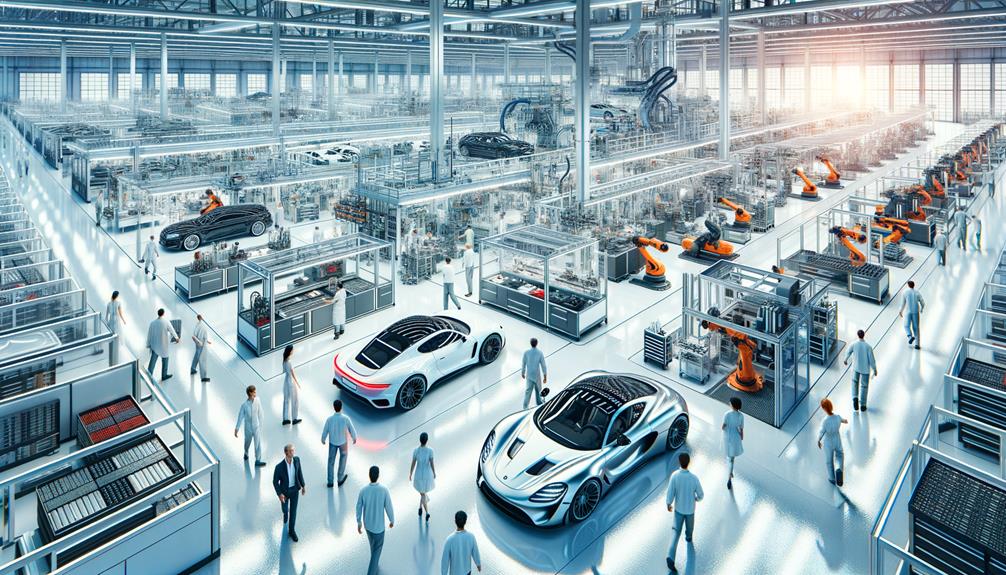
A visit to the Pagani factory offers a close look at the craftsmanship and engineering behind some of the world’s most extraordinary hypercars. Located in San Cesario sul Panaro, near Modena, the facility is a destination in its own right for car enthusiasts. Walking through the doors, the precision and care invested in every Pagani is immediately apparent.
Guided by Pagani’s knowledgeable staff, the tour brings you alongside the iconic Zonda and Huayra models during assembly. Watching the handcrafted process unfold is genuinely absorbing. The attention to detail, from the carbon fiber weave to the bespoke interior finishes, is evident at every stage.
The factory itself sits somewhere between a precision engineering lab and an artist’s studio. Advanced materials and state-of-the-art technology are present throughout, reflecting Horacio Pagani‘s exacting standards.
Horacio Pagani’s vision and philosophy are evident in every corner of the factory. Personal meetings with him are rare and available only by special arrangement, but his influence on the place is unmistakable, making the visit a compelling journey into automotive excellence regardless.
Collezione Righini

When I walked into the Collezione Righini, I was immediately struck by the quality of the historic vehicles on display. Each car seemed to carry its own story, drawing me into a layered history of automotive evolution. The care taken in preserving these machines, each one true to its era, was evident throughout.
Historic Vehicle Collection
Located in Panzano in Chianti, Tuscany, well outside the Motor Valley region near Modena, the Collezione Righini is a private museum housing over 200 carefully restored vehicles. As I moved through the collection, the dedication behind each exhibit was clear. The curator, Mario Righini, has assembled a range spanning vintage motorcycles and iconic cars, each chosen for its place in the history of design and engineering.
During my visit, several vehicles stood out for their historical significance:
- A 1908 Isotta Fraschini, an early example of Italian automotive engineering.
- A 1920s Alfa Romeo, a symbol of Italian craftsmanship and competitive spirit.
- A 1950s Ferrari, capturing post-war elegance and performance in equal measure.
Moving through the museum, I felt a genuine connection to the history of the automobile. Each vehicle, beautifully restored, seemed to speak for its moment in time. The guided tour added a personal dimension that made the experience memorable. The Collezione Righini is open by appointment only; confirm access details directly before planning a visit.
Unique Car Exhibits
One car that immediately caught my eye at the Collezione Righini was the 1948 Cisitalia 202, a remarkable example of post-war Italian design, its aerodynamic lines reflecting the creativity of that period. Moving through the collection, I was struck by the variety on display, each car occupying its own distinct place in automotive history.
The collection spans classic cars and racing machines across several decades. Some highlights:
| Vehicle | Year | Notable Feature |
|---|---|---|
| Cisitalia 202 | 1948 | Iconic post-war design |
| Ferrari 250 GTO | 1962 | Legendary racing pedigree |
| Alfa Romeo 8C 2900B | 1938 | Pre-war racing excellence |
| Maserati 250F | 1954 | Formula 1 champion |
| Lamborghini Miura | 1966 | Revolutionary supercar |
Walking among these exhibits, I found myself imagining the roads and circuits these cars once knew. The guided tour, available by appointment, offers a closer look at individual vehicles and the thinking behind the collection, deepening appreciation for the history and craft each one represents. The Collezione Righini is less a conventional museum than a personal tribute to the automobile.
Lamborghini Museum
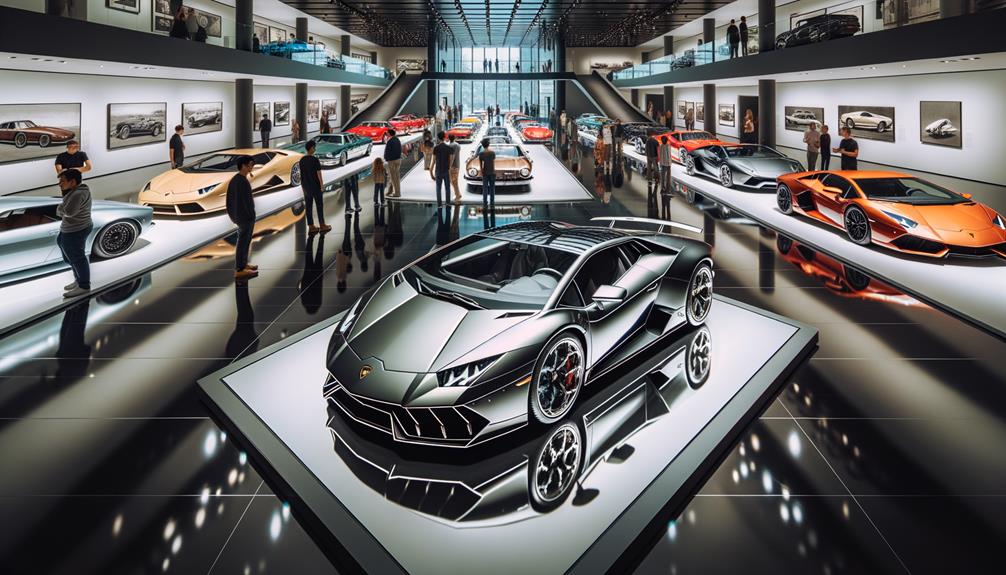
The Lamborghini Museum in Sant’Agata Bolognese is a strong case for extending any Motor Valley itinerary beyond Modena itself. As I walked through the galleries, the progression from the classic Miura to the modern Aventador told a coherent story of engineering ambition and evolving design. Each car earned its place in the collection.
The museum goes beyond static display. I tried the full-motion simulator, which gave a convincing sense of what driving a Lamborghini demands. The factory tour was equally worthwhile, a behind-the-scenes look at the assembly process and the skilled work that goes into each car.
- Iconic Models: Legendary cars including the Countach and Diablo.
- Interactive Exhibits: A full-motion driving simulator for a hands-on experience.
- Factory Tour: A close look at the craftsmanship behind each Lamborghini.
Open all year except December 25 and January 1, the museum offers tickets starting at around €15, though you should verify the current price on the official Museo Lamborghini website before visiting. Booking online in advance is recommended.
Ducati Museum Bologna
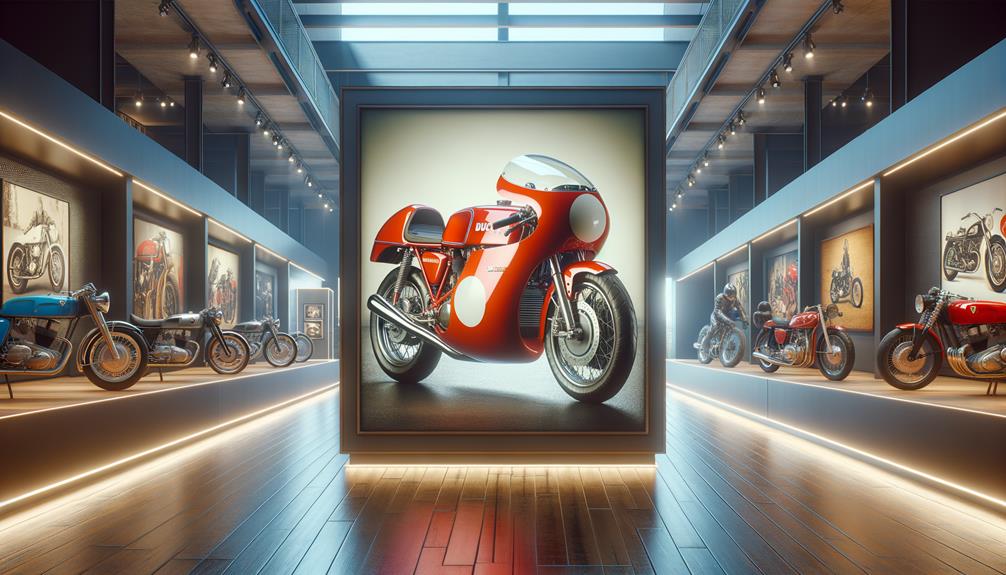
The Ducati Museum in Bologna is essential for anyone interested in the history of one of Italy’s most celebrated motorcycle brands. Located within the Ducati factory, the museum features approximately 40 bikes, tracing the company’s story from its founding in 1926 to the present. Walking through the exhibits, I was struck by the precision of the racing models and the ambition behind the limited-edition prototypes.
One of the highlights for me was the interactive area. The Ducati 900SS simulator offers a convincing taste of riding one of these machines. The motorcycle design workshop is just as absorbing, offering a real look at the process behind the bikes. The factory tour rounded out the visit, watching the detailed assembly work and the technology involved gave me a new appreciation for what Ducati produces.
Before leaving, I spent time in the museum shop, which stocks a solid range of official Ducati merchandise, from clothing to detailed model bikes. The Ducati Museum isn’t simply a display; it’s an experience that captures the brand’s particular combination of engineering discipline and character.
Frequently Asked Questions
What Is the Famous Car Associated With Modena?
Ferrari is the name most closely tied to Modena, and within that legacy the 250 GTO stands out as one of the most celebrated models. Its design, racing history, and extreme rarity have made it one of the most recognizable cars in the world.
What Is the Difference Between the Two Ferrari Museums in Italy?
The Enzo Ferrari Museum in Modena focuses on Enzo’s life, his birthplace, and the personal story behind the brand. The Ferrari Museum in Maranello, a separate site about 15 km away, is larger and more interactive, with a stronger emphasis on the cars themselves, racing history, and simulators. I found Modena’s museum more intimate, while Maranello felt like a full-scale celebration of the machines.
Where Is the Largest Car Museum in the World?
The Ferrari Museum in Maranello is one of Italy’s most visited automotive museums, but it is not the largest car museum in the world. That distinction is generally attributed to other institutions, the Cite de l’Automobile in Mulhouse, France, for example, holds one of the largest collections. Check current rankings before making the trip on that basis alone.
Is Modena Worth Visiting?
Absolutely. Wandering through Modena’s historic center, eating well, the city is as famous for its food as its cars, and spending time in its museums made for some of my most enjoyable days in Italy. For car enthusiasts, the combination of the Enzo Ferrari Museum, the Maserati factory, and the smaller private collections is hard to match anywhere.