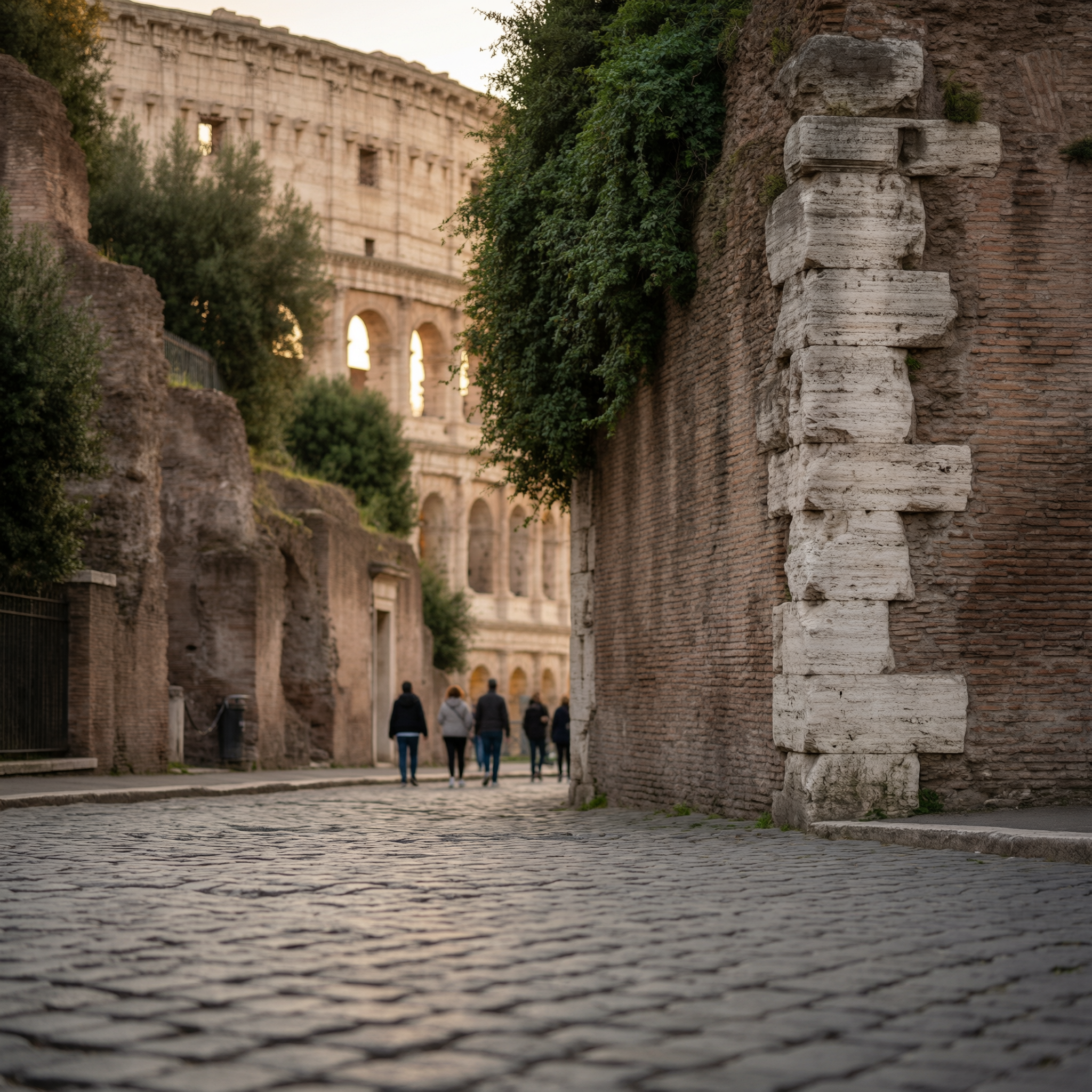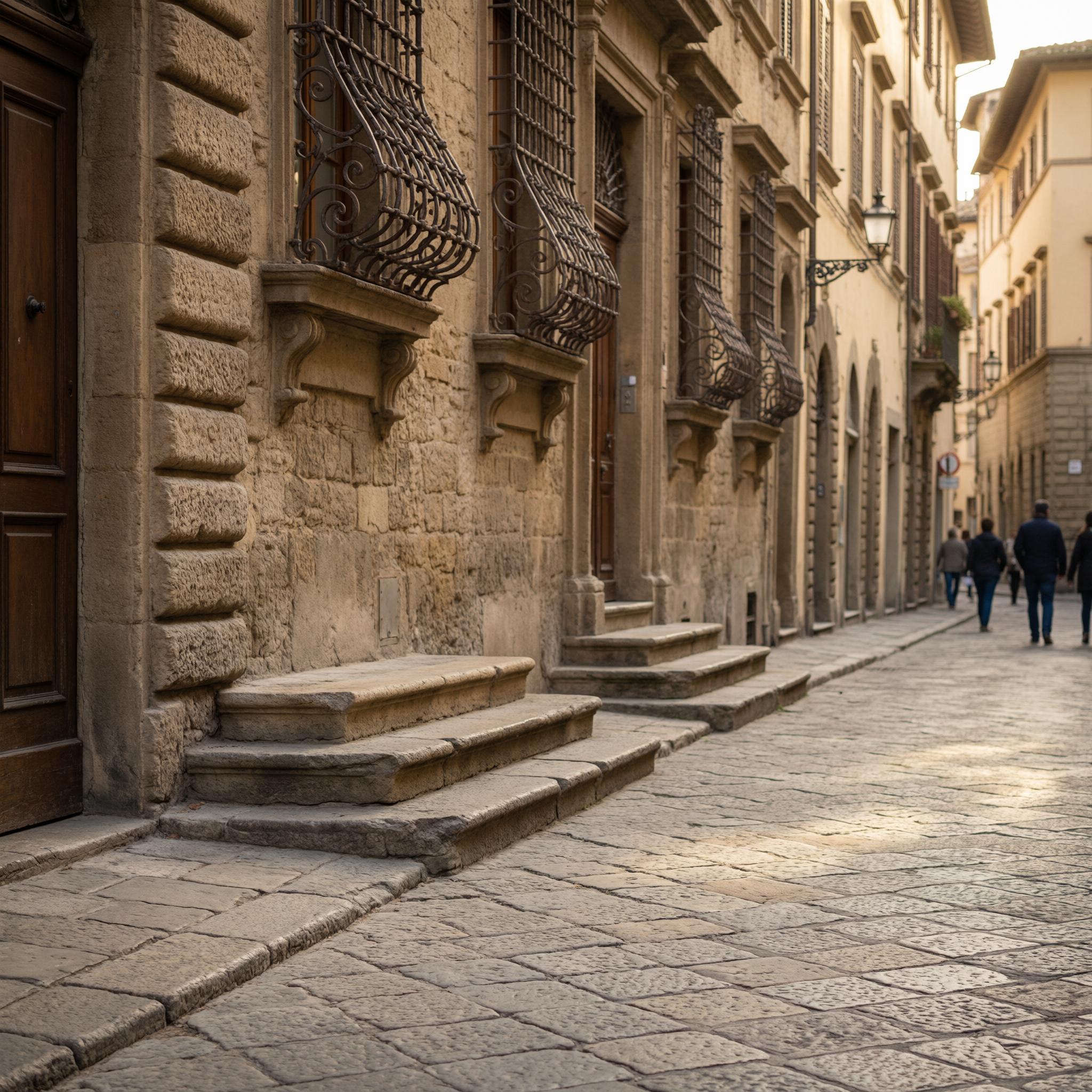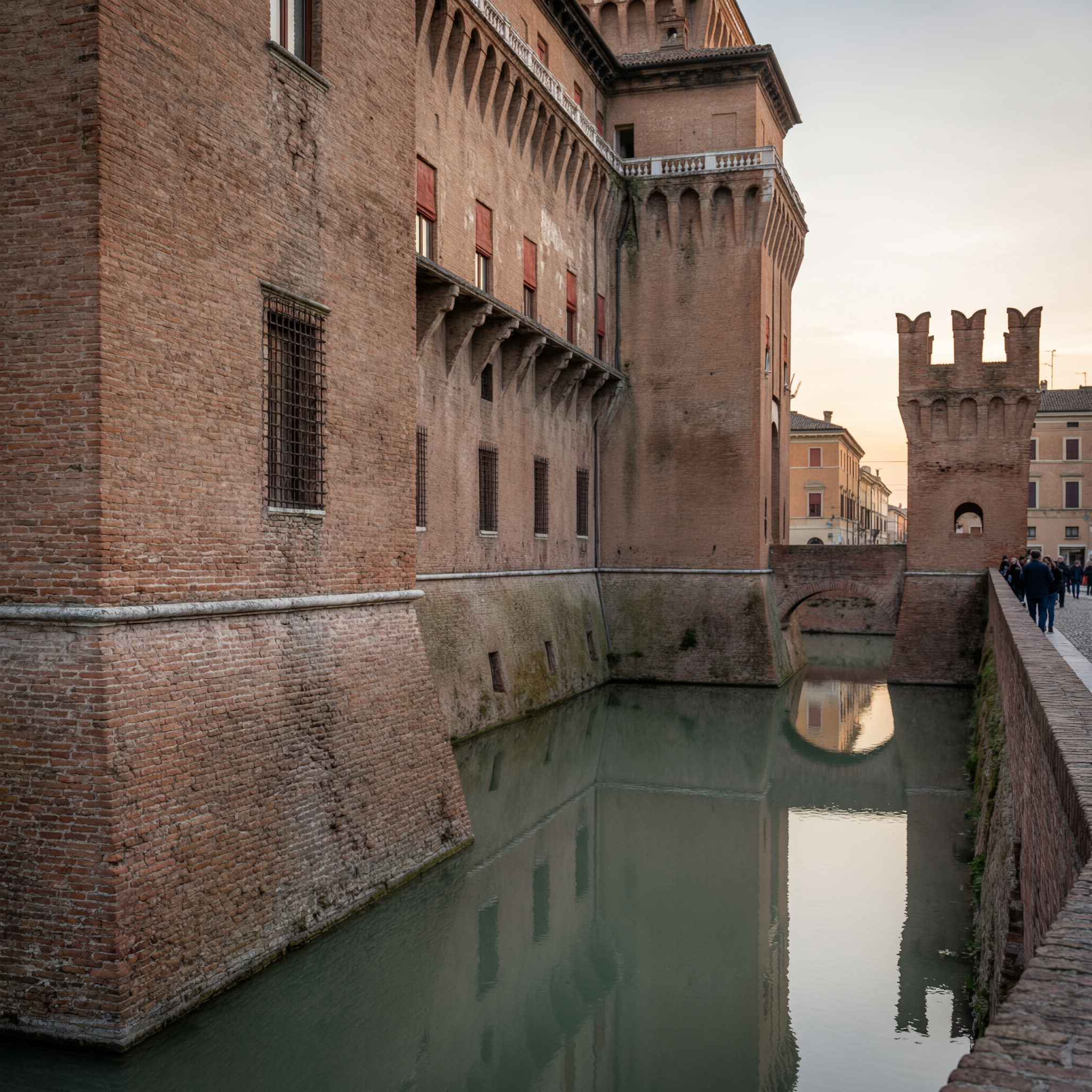
Walking through the grand halls of Estense Castle, I could feel the history in every stone. This 14th-century fortress, once a mark of power, now stands as a testament to Ferrara’s Renaissance glory. Peering into the dim dungeons and admiring the frescoed ceilings, I was genuinely in awe. The views from the roof garden offered a striking contrast, beauty tinged with a hint of melancholy. The castle is also a natural starting point for the wider city: nearby, the Quadrivio degli Angeli and Palazzo dei Diamanti each carry their own compelling stories.
Before you go: Visitor details can change. Check Castello Estense – Official Website (English) and Castello Estense – Wikipedia before you go.
Estense Castle Overview
How often do you get to wander through a 14th-century castle that evolved from a symbol of power into a refined aristocratic residence? In Ferrara, Italy, Estense Castle offers exactly that. Built by Bartolino da Novara in 1385 for Nicolò II d’Este, this moated fortress dominates the city centre and embodies the legacy of the influential Este family. Walking through it, I was struck by how the castle had shifted over the centuries from a defensive stronghold into a lavish Renaissance residence.
The castle’s transformation is visible in its richly frescoed ceilings and elegant balconies. With a local guide leading the way, I took in its layered history. The contrast between the sturdy exterior and the refined interiors was genuinely captivating. My visit took me through the dungeons and up to the Torre dei Leoni, where panoramic views across Ferrara opened up unexpectedly.
Ferrara as a whole is part of the UNESCO World Heritage Site Ferrara, the City of the Renaissance, a designation that reflects how deeply the castle and its surroundings shaped Italian urban history. For anyone wanting to absorb the Renaissance spirit of the city, the castle is an essential stop.
Renaissance Ferrara Highlights
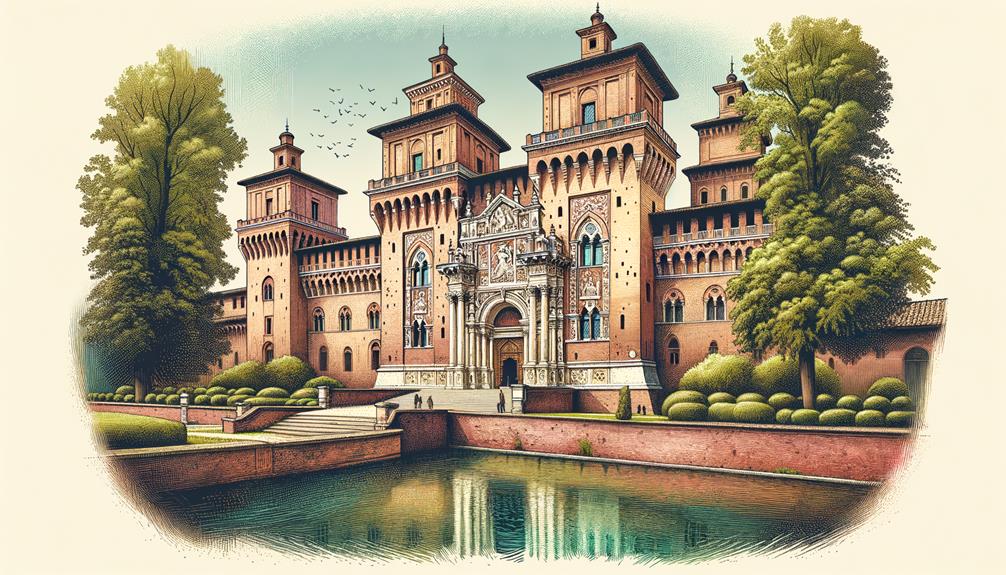
I recently had the chance to explore the Renaissance heart of Ferrara, and the city’s blend of medieval and Renaissance architecture left a lasting impression from the first step. The journey began at Castello Estense, which shifted over generations from a stern fortress into a work of art in its own right, reflecting Ferrara’s Renaissance ambitions. Walking through its halls, I felt the weight of history in every stone.
I spent a wonderful stretch of time exploring the castle and its surroundings, soaking in the atmosphere at every turn. As I walked down Corso Ercole d’Este, the grand and harmonious walls of this ancient street seemed to share stories of past glories. The Quadrivio degli Angeli, a remarkable intersection of art and city planning, served as a testament to Ferrara’s innovative Renaissance spirit.
A standout moment came when we reached Palazzo dei Diamanti. More on its interior later, but even the exterior, clad in thousands of diamond-shaped stone blocks, was enough to stop us in our tracks. This walk through Ferrara’s Renaissance core genuinely captured the city’s character.
Palazzo Dei Diamanti
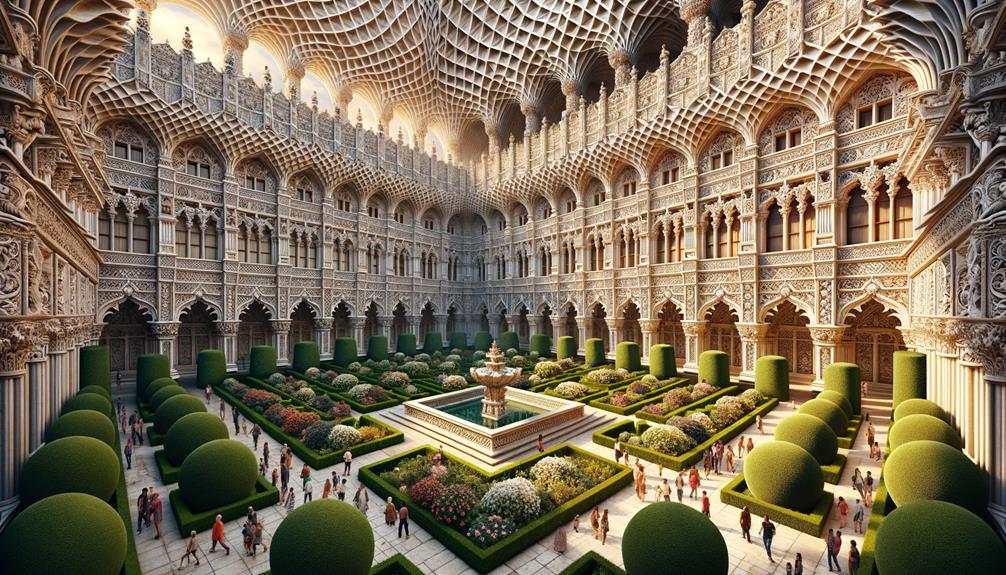
In the heart of Ferrara, Palazzo dei Diamanti is a striking example of Renaissance architecture. The diamond-shaped stones on its facade catch the Italian sun at shifting angles, producing an almost sculptural effect. Approaching this creation by Biagio Rossetti, I was struck by the precision of its design, each of the thousands of faceted blocks reflects light differently, giving the building a restless, animated quality.
Strolling through Ferrara’s city centre, the palace’s presence is impossible to miss. Built in the 15th century for the Este family, it is one of Ferrara’s most iconic landmarks. Beyond its facade, it also houses the National Gallery of Art, with a notable collection of Renaissance and Baroque works that includes paintings by Giovanni Bellini and Dosso Dossi.
Among Ferrara’s many worthwhile sights, Palazzo dei Diamanti stands apart. It distills the city’s artistic legacy into a single, unforgettable building. Reflecting on my visit, I came away with a renewed appreciation for the enduring craft of Renaissance architecture.
Certosa Complex Visit
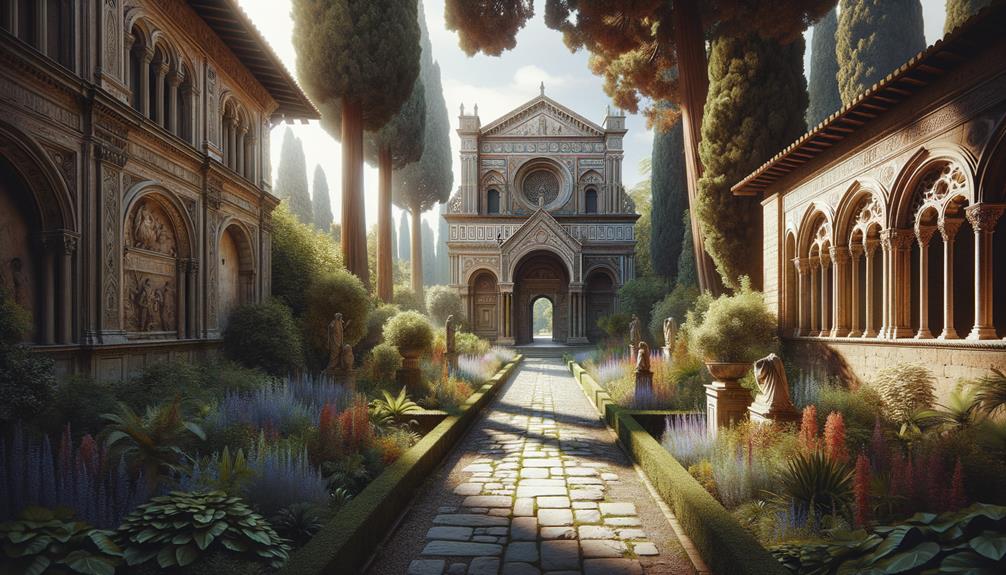
Visiting the Certosa di Ferrara, a separate site outside the city centre, I was struck by the Gothic and Renaissance elements woven into its facade. The history embedded in its walls prompted genuine reflection on the people who once lived and worked there. It was less a sightseeing stop than an immersive encounter with a quieter, contemplative side of Ferrara.
Architectural Highlights
When I explored the Castello Estense, the grandeur of its Renaissance architecture was immediately striking. The detailed frescoed ceilings and balanced proportions clearly reflected Ferrara’s rich history. The castle, with its towering structures and surrounding moat, stood out as a highlight of my visit, showcasing the city’s remarkable historical depth.
As I moved through the complex, the craftsmanship of the period was hard to ignore. The arches, columns, and frescoes each seemed to carry their own narrative, making it easy to picture life in Renaissance Ferrara. A knowledgeable guide can add real depth here, drawing out the thinking behind these architectural choices and the way function and beauty were balanced.
Every part of the Castello Estense unveiled another piece of Ferrara’s past. The interior halls, with their frescoed ceilings and atmospheric dungeons, offered a vivid contrast between beauty and severity. I found myself contemplating how architecture can evoke a sense of freedom; the open courtyards and light-filled corridors encouraged reflection and curiosity.
In Ferrara, the Renaissance is not simply a historical period; it is a lasting legacy etched into stone and archway throughout the city.
Historical Significance
As I stood within the Castello Estense, the weight of its historical importance was palpable. Built in 1385 by Bartolino da Novara for Nicolò II d’Este, the castle is a testament to the city’s rich cultural and artistic past. Its towers and moat stand out with stunning late-medieval and Renaissance character, complete with detailed frescoed interiors and atmospheric dungeons that I found genuinely captivating.
Walking through the complex, I noticed the way Gothic and Renaissance styles coexist, each stone seemingly carrying traces of a different era. Originally conceived as a retreat for local clergy, the Certosa still holds a peaceful atmosphere that draws visitors willing to venture beyond the city centre.
A few aspects worth noting:
| Feature | Description |
|---|---|
| Era | 15th century |
| Architectural Style | Blend of Gothic and Renaissance |
| Commissioned by | Borso d'Este, Duke of Ferrara |
| Primary Structure | Church of S. Cristoforo |
| Purpose | Peaceful retreat for local clergy |
If you want to explore Ferrara’s history more broadly, consider joining a guided walking tour of the city centre or visiting Castello Estense independently. Either way, each step through the city feels like a passage through a living historical record.
Visitor Experience
Exploring the Certosa Complex was a memorable experience. The Renaissance architecture and the calm of this former Carthusian monastery set it apart from the busier city-centre sites. The Church of S. Cristoforo, with its grand proportions and careful decorative work, deepened my appreciation for the range of Ferrara’s architectural heritage.
Exploring the Castello Estense, I was struck by how much history had been preserved within its walls. The castle isn’t just a significant historical site; it’s a peaceful escape from the bustle of modern life, and I left with a much deeper appreciation for Ferrara’s layered past.
The Local Top Rated tours ensure that every visitor leaves with a deep appreciation for Ferrara's historical and cultural heritage.
A few things that made my broader time in Ferrara memorable:
- Local food: Seeking out traditional Ferrarese specialities, particularly cappellacci di zucca, added real flavour to the trip.
- The Jewish Ghetto: Walking through this historic quarter added another dimension to understanding Ferrara’s layered past.
- Cycling the city walls: Ferrara’s well-preserved Renaissance walls are best appreciated by bike, offering a different perspective on the city’s scale and planning.
Local Guide Insights
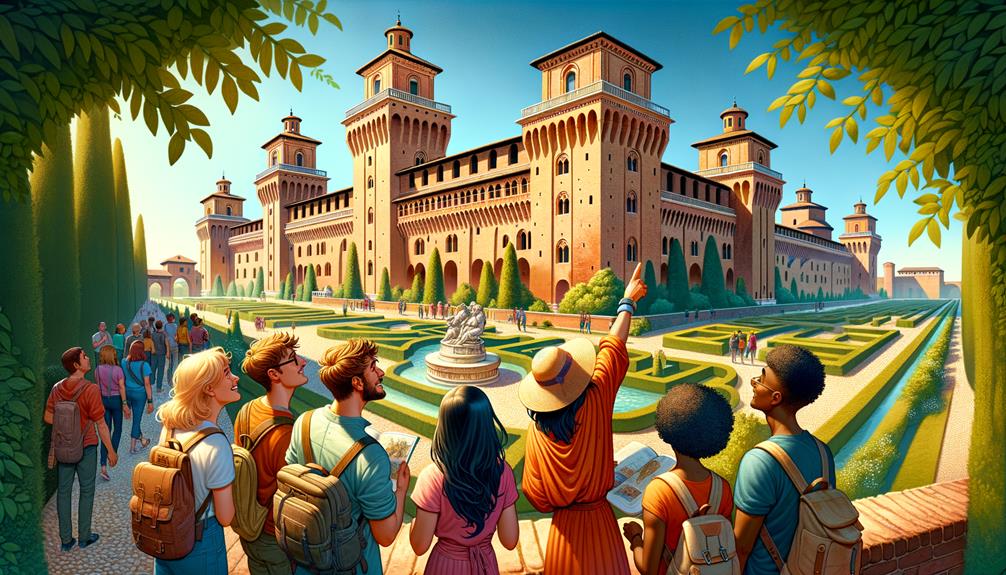
Walking through the castle with a local guide was genuinely illuminating. She pointed out historical details I would have walked past on my own, subtle features in the stonework, the stories behind particular rooms, the logic of the castle’s layout. Having that local knowledge turned a visit into something far more personal.
Hidden Historical Gems
Beyond its towers and moat, Estense Castle holds layers of history that reveal themselves gradually. During a guided walk through the Renaissance heart of the city, the castle’s more intriguing features came into focus.
Among the most compelling details were the painted ceilings, ornate even in their worn state, narrating stories of artistic ambition and courtly life. Each room, however sparsely furnished, carried a distinct atmosphere shaped by centuries of use.
The castle’s dungeons, often overlooked, are a sobering reminder of its defensive past. Ancient graffiti scratched by prisoners speaks quietly of hardship and endurance. The moat surrounding the castle is accessible for viewing and makes for a striking exterior perspective, though the castle’s official site does not list any boat tours of the moat.
- Frescoed ceilings: Detailed paintwork that rewards close attention in several of the castle’s principal rooms.
- The dungeons: An underground space that brings the castle’s more austere history into sharp relief.
- Torre dei Leoni: The tower offers panoramic views across Ferrara, note that last admission is at 16:30, earlier than the castle’s general closing time.
Estense Castle is more than a landmark; it is a walk through history, where the grandeur of the Renaissance and the severity of a medieval fortress occupy the same walls.
Insider Travel Tips
After taking in the castle, I was keen to see more of the city. Engaging a knowledgeable local guide made a real difference, someone who could read the streets and buildings as a continuous narrative rather than a list of stops.
Starting from the iconic Castello Estense, I made my way through the city’s main attractions, discovering stories from the past at every corner. Setting out early helped me fully appreciate the architectural beauty of Palazzo dei Diamanti before the crowds arrived. Wearing comfortable shoes proved to be essential advice, given the cobblestone streets that wind through Ferrara’s historic centre.
For a grounded local experience, seek out traditional Ferrarese food. The must-try dish is cappellacci di zucca, pumpkin-filled pasta that has been a regional staple for centuries.
A private or small-group tour allows you to follow your own interests rather than a fixed itinerary. Whether your focus is architecture, history, or food, a guide who knows the city well can shape the day accordingly, and that flexibility is what tends to make a visit to Ferrara genuinely memorable.
Tour Customization Options
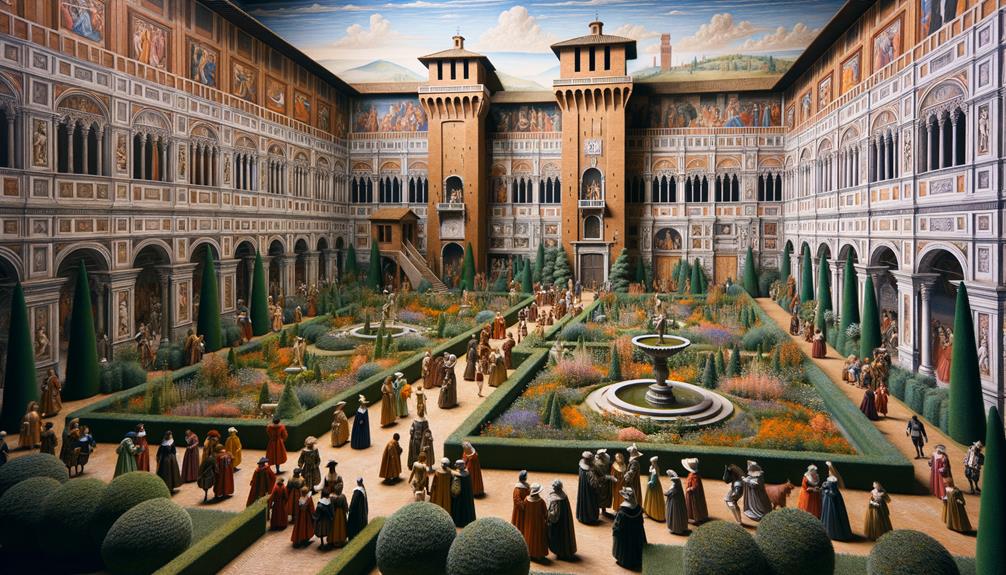
A visit to Ferrara’s Renaissance castle can be shaped around your interests and pace, making for a more personal experience than a standard group tour.
With a private guide, you can linger in the rooms and spaces that interest you most, whether that means spending extra time in the frescoed halls, the dungeons, or the tower. A self-guided visit is equally valid if you prefer to set your own rhythm.
Private Tours: A guide focused entirely on your group allows for a more detailed look at the castle’s history and the city beyond it.
Walking Tours: Moving at your own pace lets you concentrate on the details that catch your eye.
Focused Visits: Tailor your time around specific features, the dungeons, the frescoed ceilings, or the tower views, rather than trying to cover everything at once.
However you approach it, a visit to Ferrara’s Renaissance castle is most rewarding when it follows your own curiosity rather than a prescribed route.
Meeting Point: Cavour Gardens
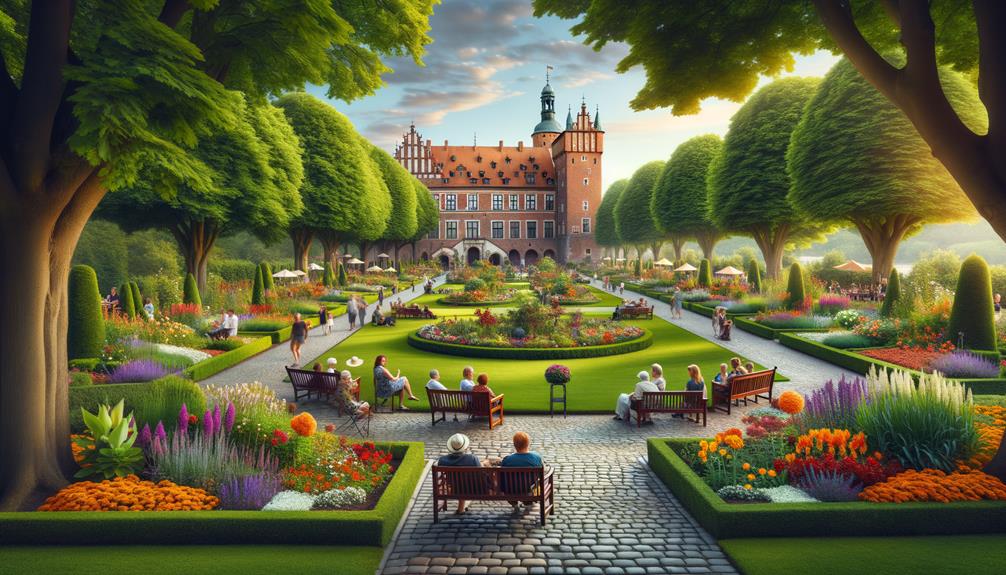
Beside the castle, Giardini delle Duchesse (sometimes referred to as Cavour Gardens) makes a natural gathering point before exploring the surrounding area. As I arrived, the greenery and the castle’s towers framing the sky set a reflective mood, a useful moment to orient myself before heading in.
The meeting spot near the castle is easy to find, so I arrived on time and grabbed a coffee from a nearby café before setting off. From here, the Castello Estense looms impressively, its moat and towers offering an immediate sense of Ferrara’s rich Renaissance and medieval history, a perfect introduction to everything the city has to offer.
Standing there, with the gardens’ calm contrasting against the castle’s imposing bulk, I was reminded that Ferrara is a city of contrasts, intimate streets alongside monumental architecture, quiet courtyards a short walk from the main square. It set the right tone for everything that followed.
Booking and Practical Information
Standing in the gardens near the Castello Estense, I felt genuinely excited to begin this historical adventure. The castle is open daily except Tuesdays and December 25, from 10:00 to 18:00, with full admission at €12 and free entry for up to age 11, well worth planning ahead so you can make the most of your visit.
Admission is €12 (full) or €10 (reduced), with free entry for up to age 11 and MyFE cardholders. Third-party guided tours are available through various operators, but pricing, group sizes, and booking terms vary, verify the details directly with any operator before committing.
Wandering through the castle, I explored its frescoed halls, descended into the dungeons, and climbed the Torre dei Leoni for sweeping panoramic views over Ferrara, each space offering its own vivid glimpse into the city’s Renaissance past.
At a glance:
- Booking: Reserve online with a 20% deposit.
- Admission: €12 full, €10 reduced; free for up to age 11 and MyFE cardholders.
- Official website: castelloestense.it, check here for current prices, guided tour options, and any temporary closures.
As I stand here, the anticipation is building. This tour promises a memorable exploration of Ferrara's Renaissance charm.
Frequently Asked Questions
How Long Do You Need in Ferrara?
In my experience, a full day gives you enough time to visit the castle, walk Corso Ercole d’Este, and take in Palazzo dei Diamanti without feeling rushed. If you want to explore the Certosa, the Jewish Ghetto, or the city walls properly, two to three days is a more comfortable allowance.
When Was Ferrara Castle Built?
Estense Castle was built in 1385, commissioned by Nicolò II d’Este and designed by Bartolino da Novara. It has stood at the centre of Ferrara for more than six centuries, outlasting the dynasty that built it.