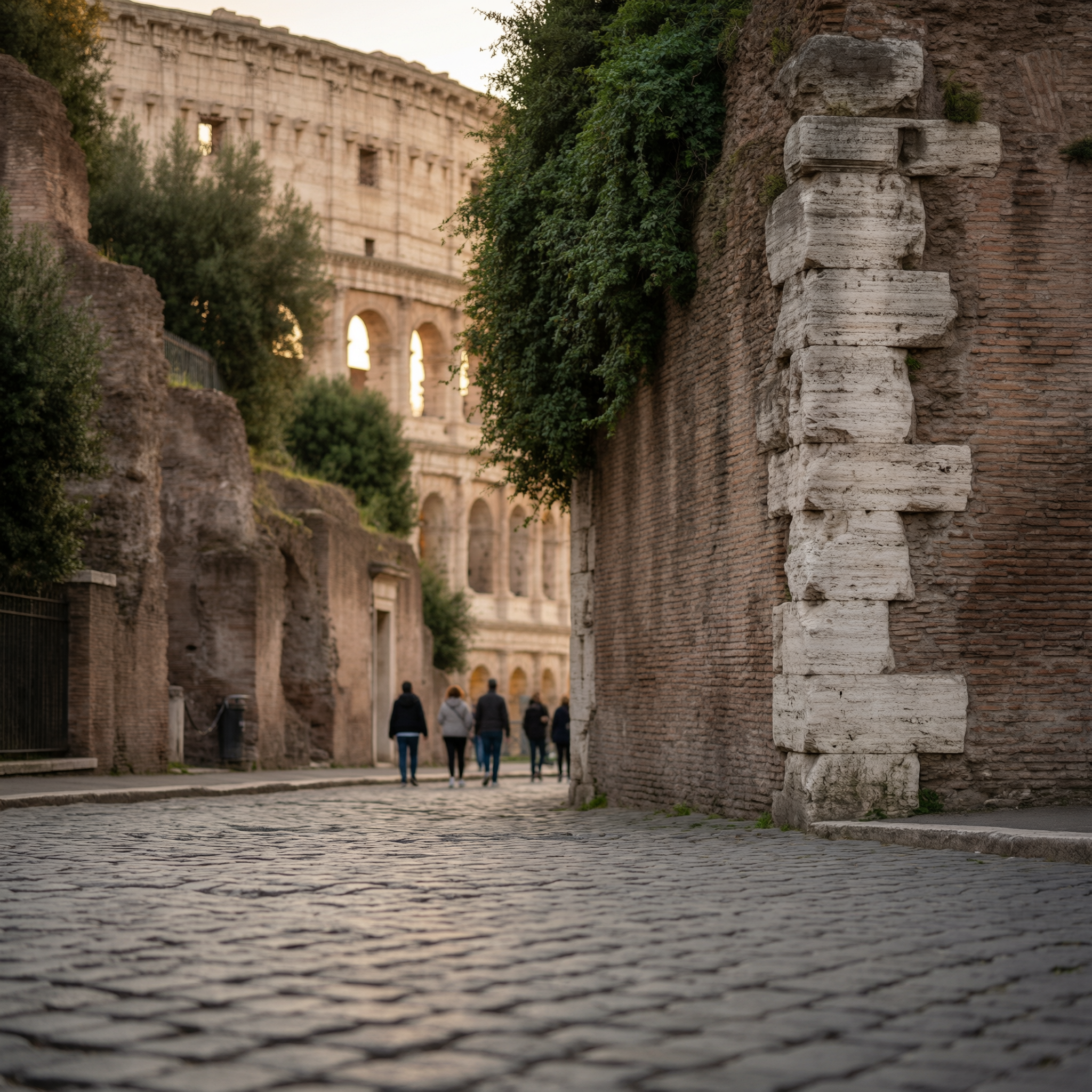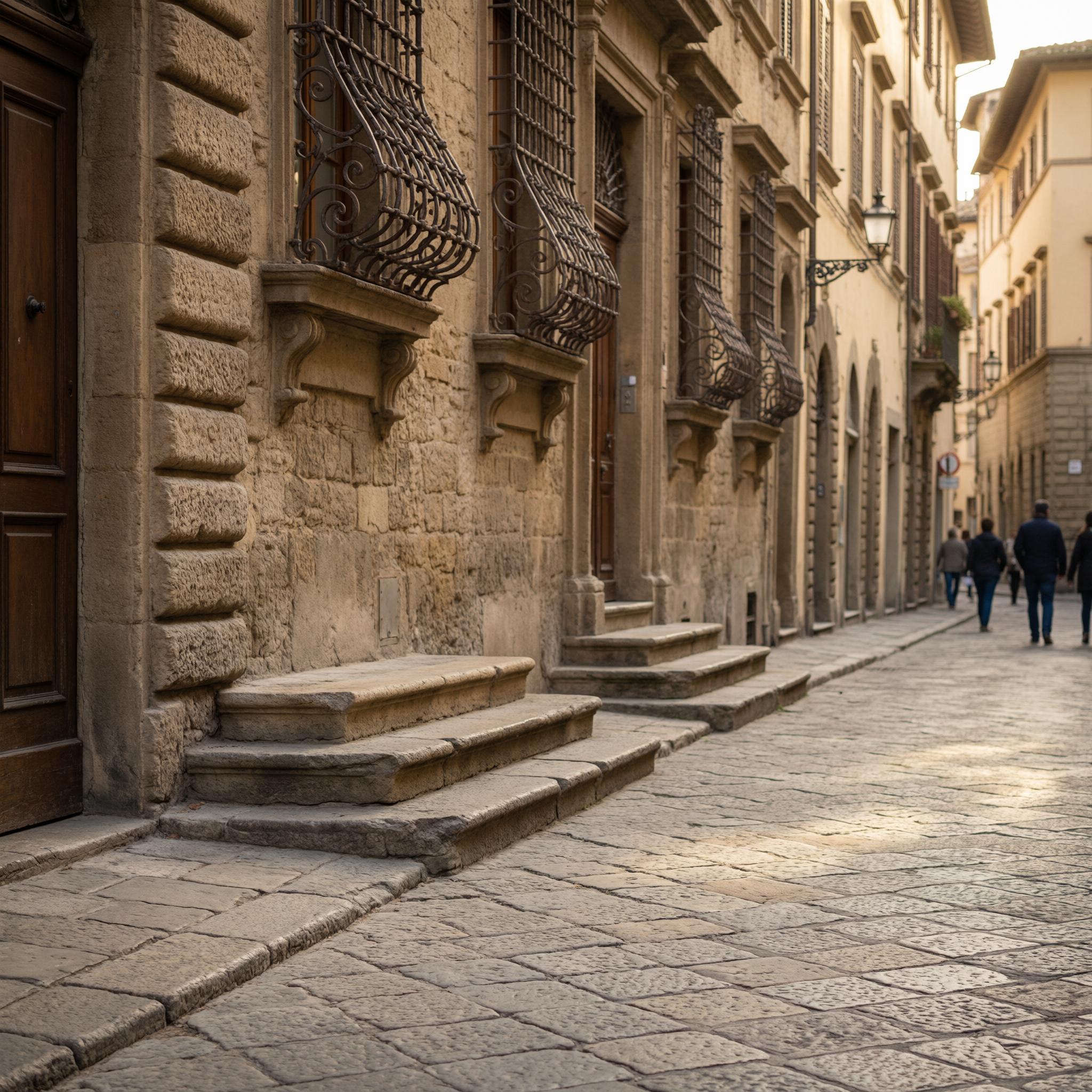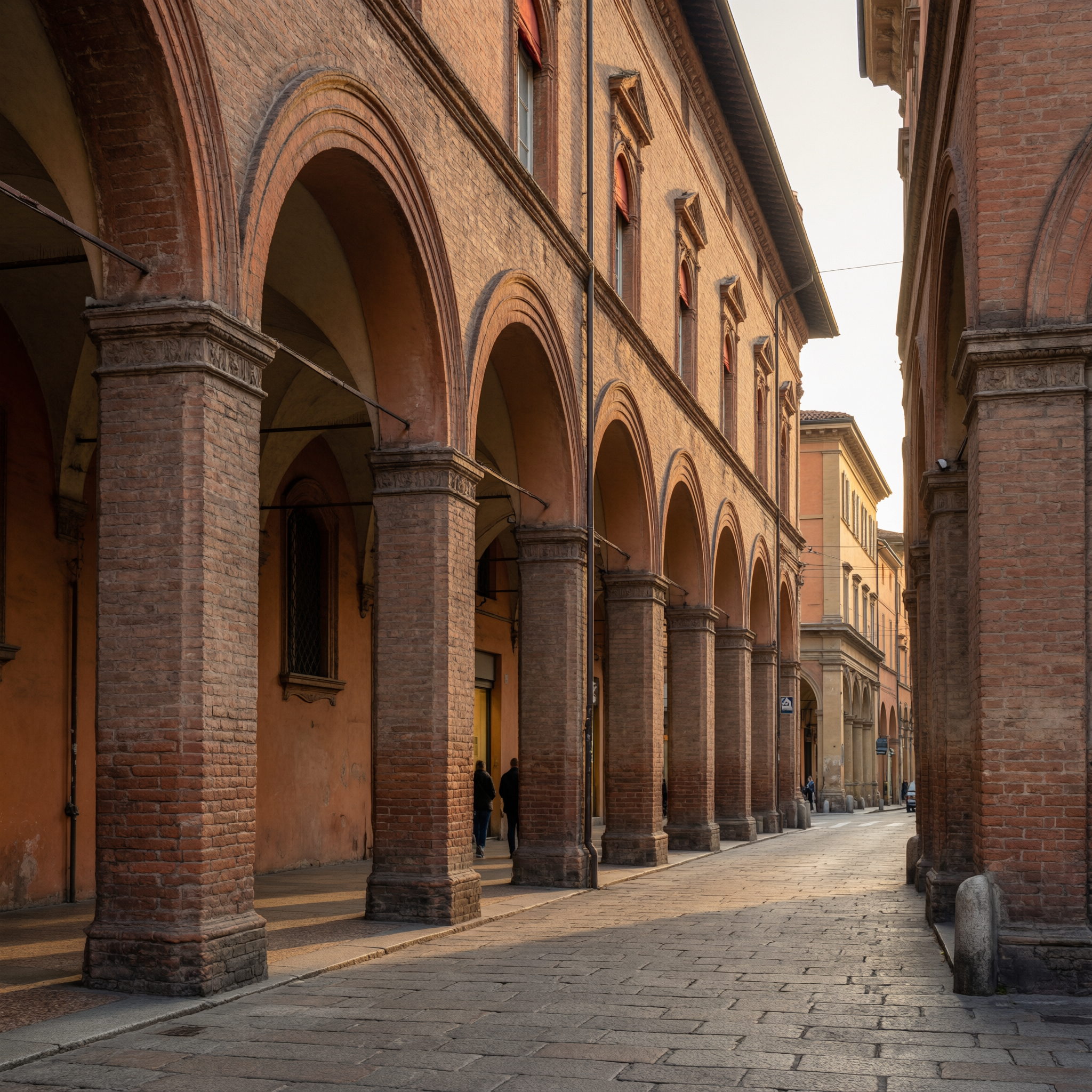
As I strolled through Bologna's historic center, I felt wrapped in its layered history and culture. The grand Piazza Maggiore, anchored by the Palazzo Comunale and flanked by the medieval Palazzo Re Enzo, caught my attention immediately. The Basilica of San Petronio loomed over the square, its unfinished facade hinting at centuries of ambition. Climbing the Tower of Asinelli rewarded me with sweeping views across the city's famous red rooftops. But it was the porticos, stretching for almost 40 kilometers beneath which daily life quietly unfolds, that stayed with me longest.
Before you go: Visitor details can change. Check Bologna Tourist Guide | Emilia Romagna Tourism and Palazzo Pepoli. Museo della Storia di Bologna before you go.
Popular Landmarks
Wandering through Bologna's historic center, I was immediately struck by its landmarks, each carrying a distinct layer of the city's long history. Stepping into Piazza Maggiore, the heart of the historic area, I felt surrounded by centuries of civic life. The Palazzo Comunale dominates one side of the square, while the medieval Palazzo Re Enzo stands nearby, together they frame a space that has served as Bologna's public stage for generations.
The Basilica of San Petronio, one of the largest churches in Italy and among the largest in the world, caught my eye next. Its unfinished facade hints at the ambitious plans of its creators, while the vast interior speaks to its enduring historical and religious importance.
A short walk brought me to Piazza del Nettuno and the Fountain of Neptune. Commissioned in the 16th century, the statue was conceived as a symbol of papal authority, and its scale still impresses. Note that the fountain is currently under restoration, which may affect how closely you can view it, check ahead before visiting.
Climbing the 498 steps of the Tower of Asinelli was demanding, but the panoramic views of Bologna's red rooftops made every step worthwhile. Bear in mind that timed entry tickets must be booked in advance, check the official site before visiting to secure a slot. Exploring the intricate Basilica di Santo Stefano afterward, with its layered architectural styles spanning several centuries, felt like moving through a living museum. Each landmark in Bologna's historic center offers a distinct window into the city's varied past.
Historic Walking Tours
Walking through Bologna's historic center on a guided tour, I felt a strong connection to the city's past and present. Each step on the cobblestone streets revealed something new, with medieval towers casting long shadows over busy squares. We started at Porta Galliera, a 13th-century gate that marks one of the traditional entrances to the city.
Strolling along Via Indipendenza, I was drawn into the city's rhythm. The pedestrian zones were easy to navigate, and I could take my time with the facades lining the street, each one carrying traces of different eras. Street musicians provided a steady backdrop, their playing mixing with conversation drifting out of nearby cafes.
As I ventured further into the historic center, Piazza Maggiore came into view, a grand open space where Bologna's civic history has played out for centuries. Surrounded by remarkable architecture, it felt like the city's true center of gravity. The blend of medieval, Renaissance, and modern life was evident throughout, reinforcing why the area holds UNESCO World Heritage status.
In Bologna, every walk feels like a journey through time.
Iconic Porticos
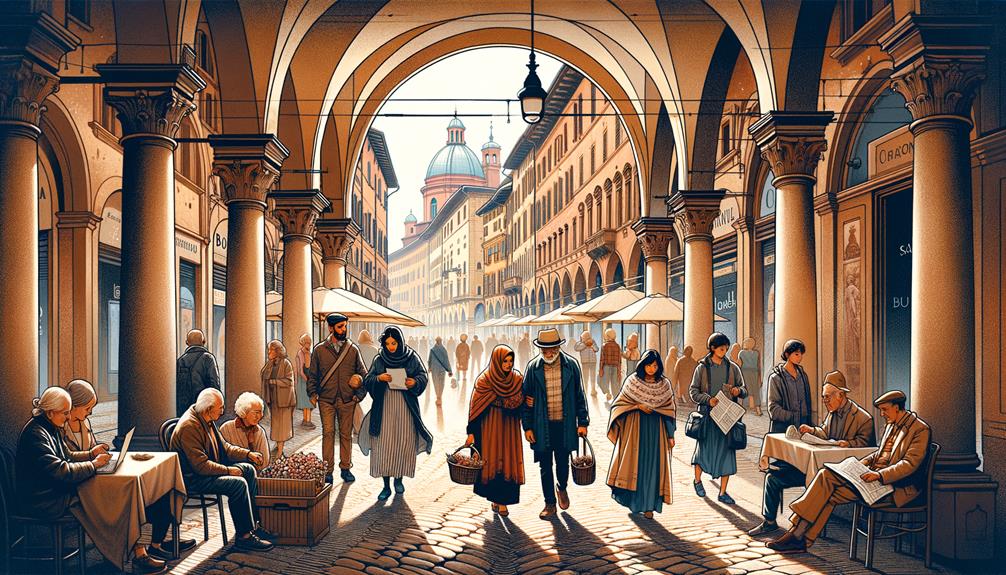
Walking beneath the porticos of Bologna, I couldn't help but admire their beauty and the sense of history they carry. Stretching for almost 40 kilometers, these arcades form one of the longest covered walkway networks in the world and are recognized as a UNESCO World Heritage Site.
Walking through the Portico di San Luca, the sheer scale of it left me in awe. This 3.8-kilometer portico, with its 666 arches, connects the city center to the Sanctuary of San Luca on the hill above Bologna, and the path opens up to fine views of the city along the way.
The medieval Portico dei Banchi caught my attention with its decorative detailing. This portico stands as a testament to Bologna's cultural heritage, and I often found myself pausing to look more closely at the craftsmanship overhead.
When I reached the Portico di Pavaglione, I was struck by its Renaissance character. The arcade is lined with boutiques and cafes, blending historic architecture with everyday commerce. No matter where I wandered, the porticos offered shade and shelter, a practical and beautiful constant in any weather. They are more than architectural features; they are woven into the fabric of Bolognese life.
Stadio Bologna Highlights
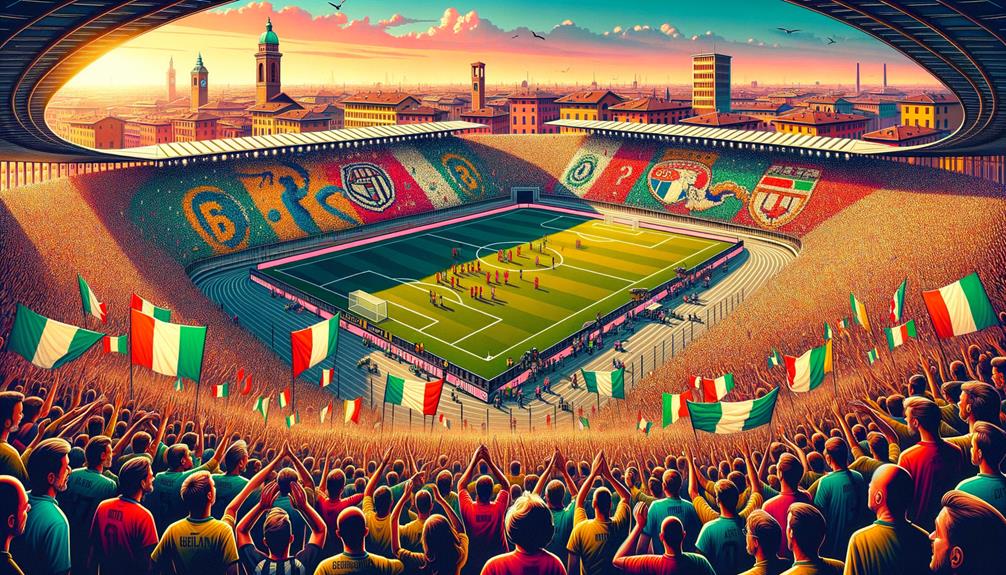
As I walked up to Stadio Renato Dall'Ara, the combination of its historic architecture and the energy around it immediately drew me in. Built in 1927 and significantly renovated in 1990, the stadium is a marker of Bologna's sporting heritage. The 1990 renovation brought its official capacity to 38,279, though ongoing works may affect current figures, so check the club's official site for the latest information.
Strolling around the stadium, I thought about the decades of football played here. As the home ground of Bologna F.C. 1909, it carries the weight of Serie A history. The Italy national team has also used the ground on occasion, adding another layer to its story.
Football is not the only draw. The stadium also hosts concerts and rugby matches, making it a genuine focal point of the city's cultural calendar. As a UEFA category 4 venue, it is equipped for international competition, underlining its place in Bologna's sporting and civic life.
Countryside Excursions
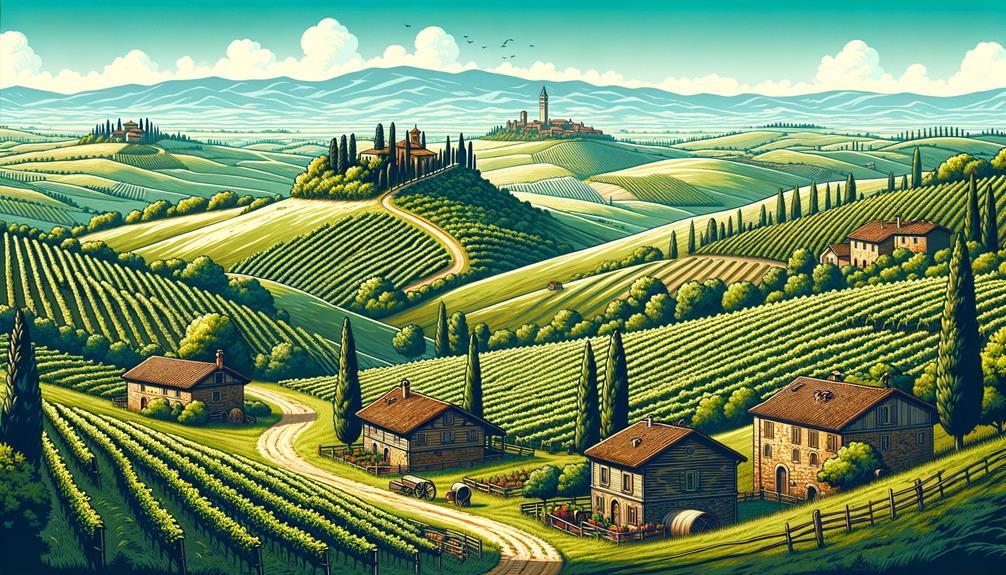
When I wandered into the Bologna hills, I was struck by the vineyards and historic wineries, each rooted in a long local tradition. The villas and estates scattered across the countryside added a quieter, more contemplative mood, a natural counterpoint to the energy of the city center.
Scenic Vineyards and Wineries
Tucked into the rolling hills just outside Bologna, the Colli Bolognesi wine region offers a welcome change of pace, with family-run wineries set among well-tended vines. The region covers around 4,000 hectares and produces wines that reflect the local soil and climate. As I walked through these hills, I felt the pull of a winemaking tradition that stretches back centuries. The area is known for Pignoletto, Trebbiano, and Sangiovese, each variety expressing something distinct about the land.
The Bologna Wine Route, or Strada dei Vini, drew me in with its journey through the countryside, linking passionate wine producers and inviting vineyards across the Colli Bolognesi wine region. Each stop along the route offered me a unique insight into the art of wine-making, guided by families who have honed their craft over generations. The Consorzio Vini Colli Bolognesi ensures that every wine I tasted, from crisp Pignoletto to strong Sangiovese, was of the highest quality and authenticity.
Reflecting on the experience, I found that the Colli Bolognesi's appeal lies in the combination of natural landscape and a winemaking culture that feels genuinely lived-in rather than staged for visitors.
Historic Villas and Estates
Wandering through the historic villas and estates of the Bologna countryside, I was struck by their architectural range and the stories embedded in their walls. Villas such as Villa Edelmetti and Villa delle Rose display Renaissance and Baroque influences, with formal gardens, frescoed interiors, and art collections that reward a slow visit.
Guided tours brought these estates to life, and some have historically offered wine tastings and cooking experiences, though availability and booking requirements vary, so confirm current programming directly with each property before planning a visit. Standing in the grounds of Villa Ghigi, I was struck by the scale of what past residents had built and maintained. The wider countryside also holds medieval fortifications worth seeking out, though note that Castello di Torrechiara, often mentioned in this context, lies in Parma province rather than the Bologna area.
Some villas have been converted into boutique hotels and agriturismos, giving visitors the chance to stay within historic walls and experience the rhythm of rural Emilia-Romagna at a more leisurely pace.
Bolognese Cuisine
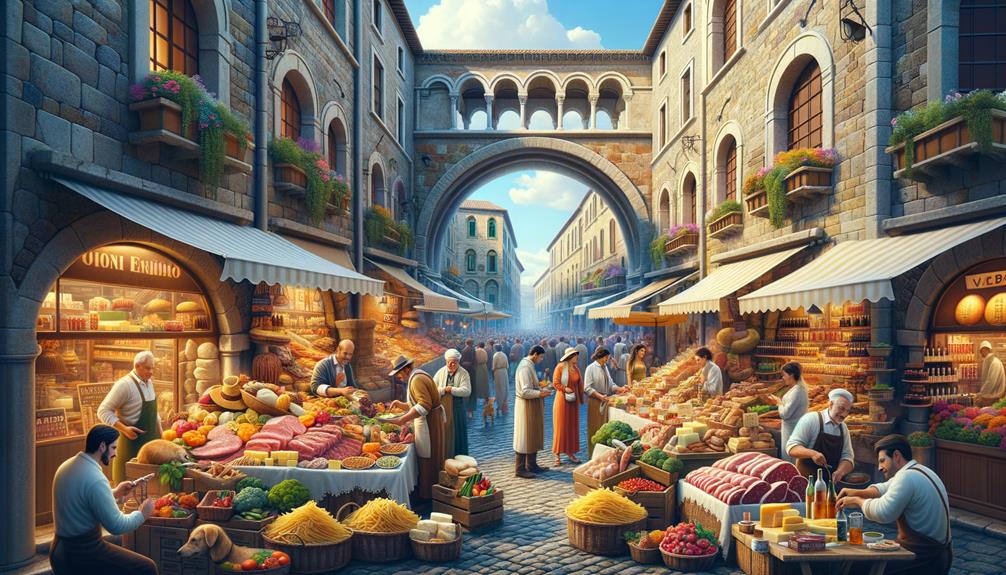
Strolling through Bologna's historic center, the aromas of fresh pasta, tagliatelle, tortellini, and more, drifted from doorways and market stalls at every turn. Wandering through the Quadrilatero market, I was struck by the range of local cheeses, cured meats, and handmade pasta on display. Food festivals celebrating everything from ragù to mortadella draw the community together and give visitors a direct way into the city's culinary culture.
Traditional Pasta Varieties
Bologna's traditional pasta, tagliatelle, tortellini, lasagna, reflects a kitchen culture built on careful technique and quality ingredients. Walking through the historic center, with the Palazzo d'Accursio as a backdrop, the connection between place and food feels immediate.
Tagliatelle, those thin ribbons of handmade egg pasta, are the classic vehicle for ragù alla bolognese, a slow-cooked meat sauce with tomatoes and onion that has been passed down through generations of Bolognese cooks.
Tortellini, small pasta rings filled with meat or cheese, are traditionally served in a clear broth, though cream-based versions are also common. Each one is a small demonstration of the craft that defines the city's food identity.
Lasagna, layered with wide flat pasta, meat sauce, and béchamel, is a cornerstone of the Bolognese table, substantial, carefully assembled, and deeply satisfying.
Think about these:
- The aroma of ragù simmering gently.
- The delicate folds of hand-rolled tortellini.
- The golden, bubbling top of a freshly baked lasagna.
Bologna's pasta traditions are inseparable from the city's sense of identity, food here is history on a plate.
Local Market Highlights
After exploring the historic center, I made my way to the Quadrilatero market, the traditional core of Bolognese food culture. The narrow streets buzzed with activity, and the air carried the mingled scents of mortadella, aged Parmigiano-Reggiano, and fresh pasta. Every stall seemed to be making a case for the region's culinary seriousness.
I stopped at Pasticceria Gamberini, a well-regarded local institution, for a morning coffee and pastry. The counter display was carefully arranged, mixing sweet and savory options that reflected the breadth of Bologna's baking tradition.
As I wandered further, I found vendors selling fresh, handmade egg pasta, a staple of Bolognese cuisine. The lively colors and varied shapes of the pasta reflected the craftsmanship and tradition behind each dish. Whether it was tortellini or tagliatelle, each bite told me a story of generations past, making my journey through Bologna's food scene at the Quadrilatero market truly unforgettable.
Iconic Food Festivals
Amid the lively culture of Bologna, the city's food festivals highlight its deep culinary traditions. As I strolled through the historic streets, the enticing aromas from various stalls and eateries pulled me in, each offering a unique taste of Emilia Romagna's rich heritage, from mortadella to aged Parmigiano-Reggiano.
Three annual events in particular left a mark on my understanding of Bolognese food culture, though specific dates change each year, so check current listings before planning a visit around them:
- MortadellaBo: Dedicated to Bologna's most famous cured meat, this festival turns the city's squares into an open-air showcase for mortadella in many forms, paired with local wines.
- Il Tortellino: Focused on the tortellino, this event gives visitors the chance to watch experienced pasta makers at work, shaping the small filled rings that are central to Bolognese cooking.
- Autunno Bolognese: A harvest-season celebration featuring seasonal produce and a selection of wines from Emilia-Romagna.
Each festival offers a concentrated look at what Bologna values most in its food culture. Joining in, I felt a genuine connection to the city's rhythms and priorities.
Cultural Hotspots
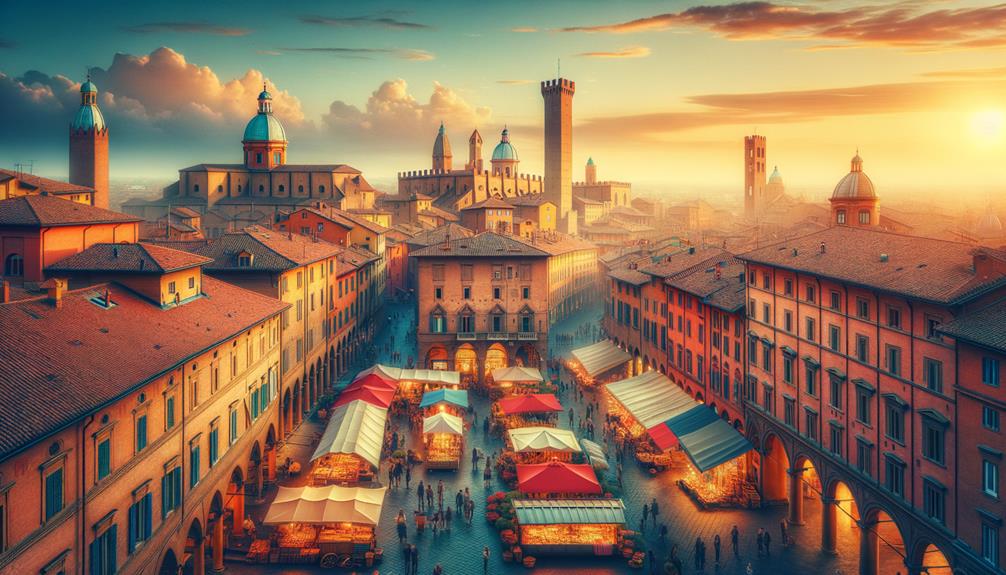
Exploring Bologna's historic center means moving through layers of history, art, and civic architecture. One of my first stops was Piazza del Nettuno, home to the Fountain of Neptune. The 16th-century bronze is currently under restoration, which may limit close access, check the current situation before visiting, but the surrounding buildings and the square itself remain well worth the detour.
A short walk away stands the Basilica of San Petronio, its Gothic bulk anchoring the southern edge of Piazza Maggiore. Inside, richly decorated side chapels and original stained-glass windows create a contemplative atmosphere that contrasts with the busy square outside.
The Palazzo d'Accursio, a medieval structure that now serves as the town hall, is another focal point. Its clock tower and internal courtyard offer a quiet moment to consider the building's long civic role.
Nearby, the Palazzo Re Enzo, named for the Sardinian king held captive here in the 13th century, has a handsome central courtyard worth a look. The Biblioteca Salaborsa, a public library occupying a historic building just off Piazza Maggiore, is a calm retreat and a good place to observe everyday Bolognese life.
Architectural Marvels
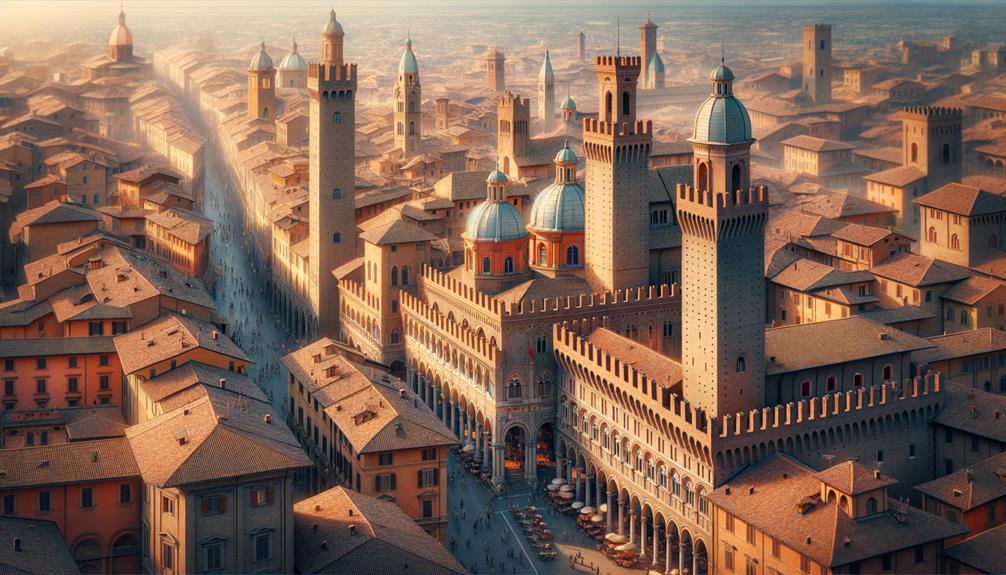
Strolling through Bologna's historic center, I kept being drawn back to the medieval towers punctuating the skyline, each one a marker of the competitive civic culture that shaped the city. The porticos running beneath and between the buildings add a different kind of continuity, connecting neighborhoods and centuries in a single unbroken line.
Medieval Towers
The medieval towers of Bologna carry the ambitions and rivalries of the families who built them. As I wandered through the historic center, the Two Towers, Asinelli and Garisenda, dominated the view. The Garisenda, shorter and noticeably tilted, is a reminder that medieval engineering was not always predictable; it has been partially buried at its base over the centuries to stabilize it.
The Asinelli Tower, standing at 98 meters, offers a breathtaking panoramic view of Bologna for those who climb its 498 steps. I made sure to book my timed entry ticket in advance, as slots fill quickly, and every step of that climb felt like a journey back in time, connecting me to the craftsmen who built it centuries ago.
Thinking about these towers, I feel:
- Awe at Their Heights: Standing beneath them, I felt both small and closely connected to the city's history.
- Admiration for Their Construction: Built without modern tools, they have outlasted almost everything around them.
- Curiosity About Their Stories: Each tower reflects the medieval dynamics of wealth, rivalry, and civic display.
These towers are more than landmarks; they are a record of the forces that shaped Bologna's urban character.
Porticoes and Arches
The porticoes and arches of Bologna draw you deeper into the city with every block. As I moved through Bologna's historic center, I found myself slowing down beneath these structures, which shift the experience of the street entirely, from open sky to sheltered corridor, from noise to a quieter, more considered pace. Each archway frames a different view, from busy market lanes to empty cobblestone side streets.
These porticoes aren't just practical; they tell tales from centuries ago. I can almost see medieval merchants and scholars walking the same paths, their footsteps echoing through history. The arches, with their graceful curves, draw my eyes upward, revealing intricate details that are easy to miss. The interplay of light and shadow beneath them feels like a dance, creating a peaceful and thoughtful atmosphere that contrasts with the bustling city center, and I found myself slowing down to take it all in.
In Bologna's historic heart, the porticoes, stretching for almost 40 kilometers across the city, provide both a refuge from the weather and a gateway to new experiences. They embody a spirit of freedom, inviting me to get lost in their winding beauty while connecting me to Bologna's rich history. Every turn under these arches feels like an invitation to dream, explore, and find my own path.
Local Markets
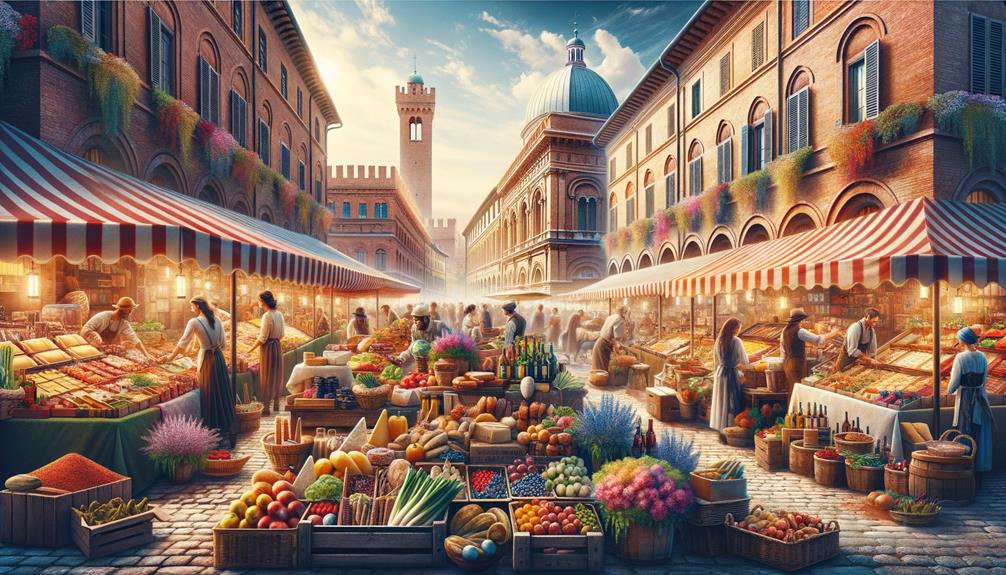
Bologna's local markets are a direct way into the city's daily life. After settling into an apartment on Via Indipendenza, I made the markets an early priority. What I found was genuinely absorbing.
Moving through the stalls, I felt the texture of the city in a way that sightseeing alone doesn't provide. Fresh produce, aged cheeses, and cut flowers sat side by side, and the vendors, clearly proud of what they were selling, were happy to talk.
Three markets stood out in particular:
- Mercato delle Erbe: An indoor market with a wide range of fresh fruit, vegetables, and local specialties, a good place to stock up or simply browse.
- Mercato di Mezzo: Set within the Quadrilatero, this historic market blends traditional food stalls with more contemporary offerings in a compact, atmospheric space.
- Mercato Ritrovato: A farmers' market focused on organic and locally sourced produce. Confirm current location, days, and hours before visiting, as these details can change.
Looking back on those market visits, I realized they offered something the monuments couldn't, a sense of how Bologna actually feeds itself, and how seriously it takes that task.
Travel Tips
A few practical points will make exploring Bologna's historic center more straightforward. First, wear comfortable shoes, the cobblestones are attractive but unforgiving over a long day. Walking is the best way to take in the city, and the porticos mean you can keep moving even in poor weather. The medieval Palazzo Re Enzo, with its imposing courtyard, is worth a stop as you make your way around Piazza Maggiore.
Timing your visit is also important. Early mornings or late afternoons are perfect for avoiding the crowds, and I always find these quieter hours the most rewarding. This way, you can truly appreciate the serene beauty of Piazza Maggiore or the quiet grace of the University of Bologna, the world's oldest university, imagining the countless scholars who once walked those ancient halls.
Carry a map, but leave room for detours. Bologna's historic center rewards wandering, a side street can open onto an unexpected courtyard, and a portico that looks like a dead end often leads somewhere worth finding. The city works best when you let it set the pace.
Frequently Asked Questions
What Are the Main Attractions in Bologna?
Bologna has a strong concentration of historic landmarks within easy walking distance of each other. I was particularly struck by the Basilica of San Petronio, Palazzo d'Accursio, Piazza del Nettuno, Palazzo Re Enzo, and the Biblioteca Salaborsa, each one offering a different angle on the city's long history.
How Walkable Is Bologna?
Bologna is very walkable. The historic center is compact, the terrain is largely flat, and the porticos make pedestrian movement comfortable in almost any weather. The medieval street layout and extensive pedestrian zones add to the pleasure of getting around on foot.
What Is the Main Center in Bologna?
Piazza Maggiore is the civic and geographic heart of Bologna, a large open square surrounded by medieval and Renaissance buildings that has served as the city's main public space for centuries.
What Is the Famous Street in Bologna?
Via Indipendenza is Bologna's best-known thoroughfare. I enjoy walking its length for the mix of shops, restaurants, and historic buildings lining the route, all connected by the covered arcades that define movement through the city.