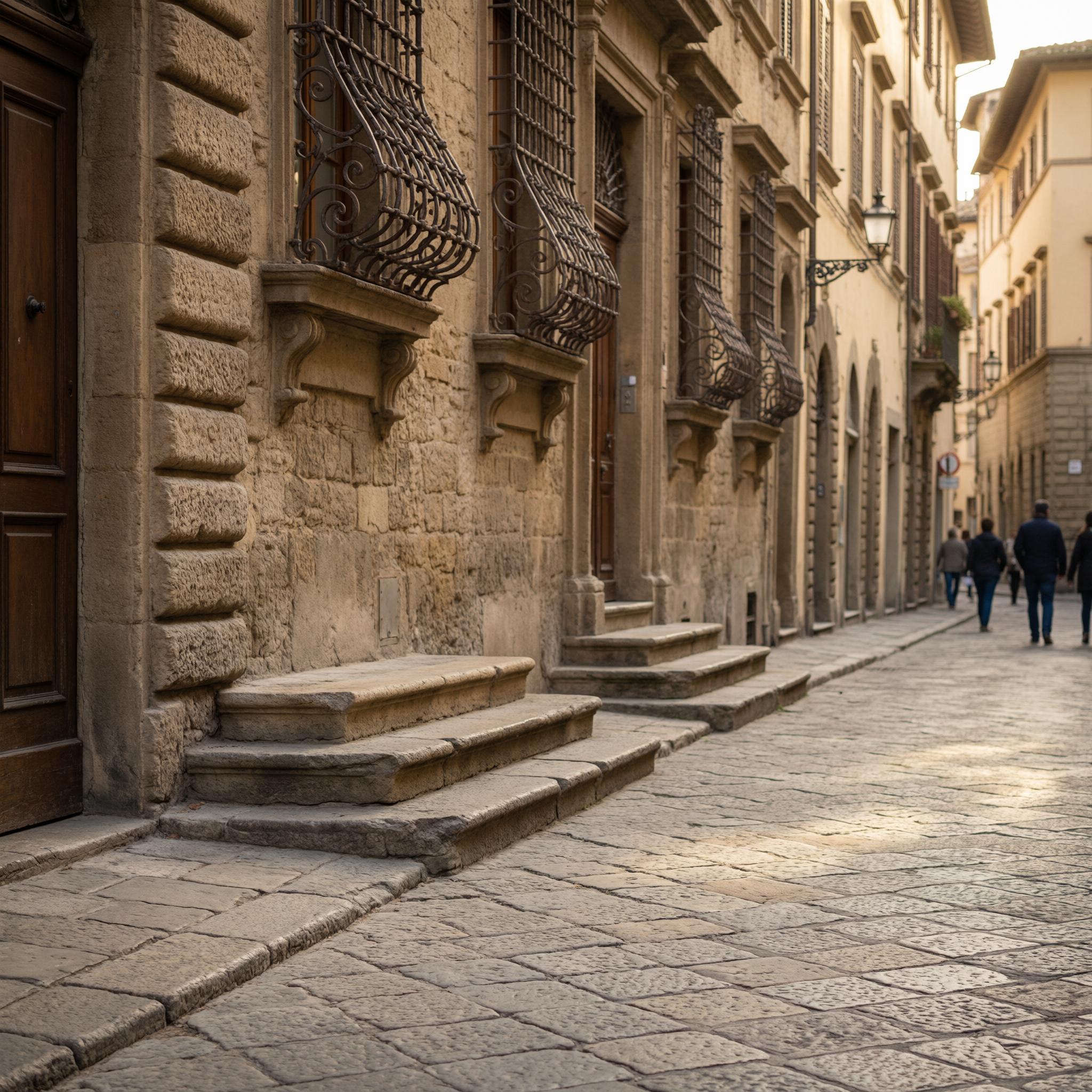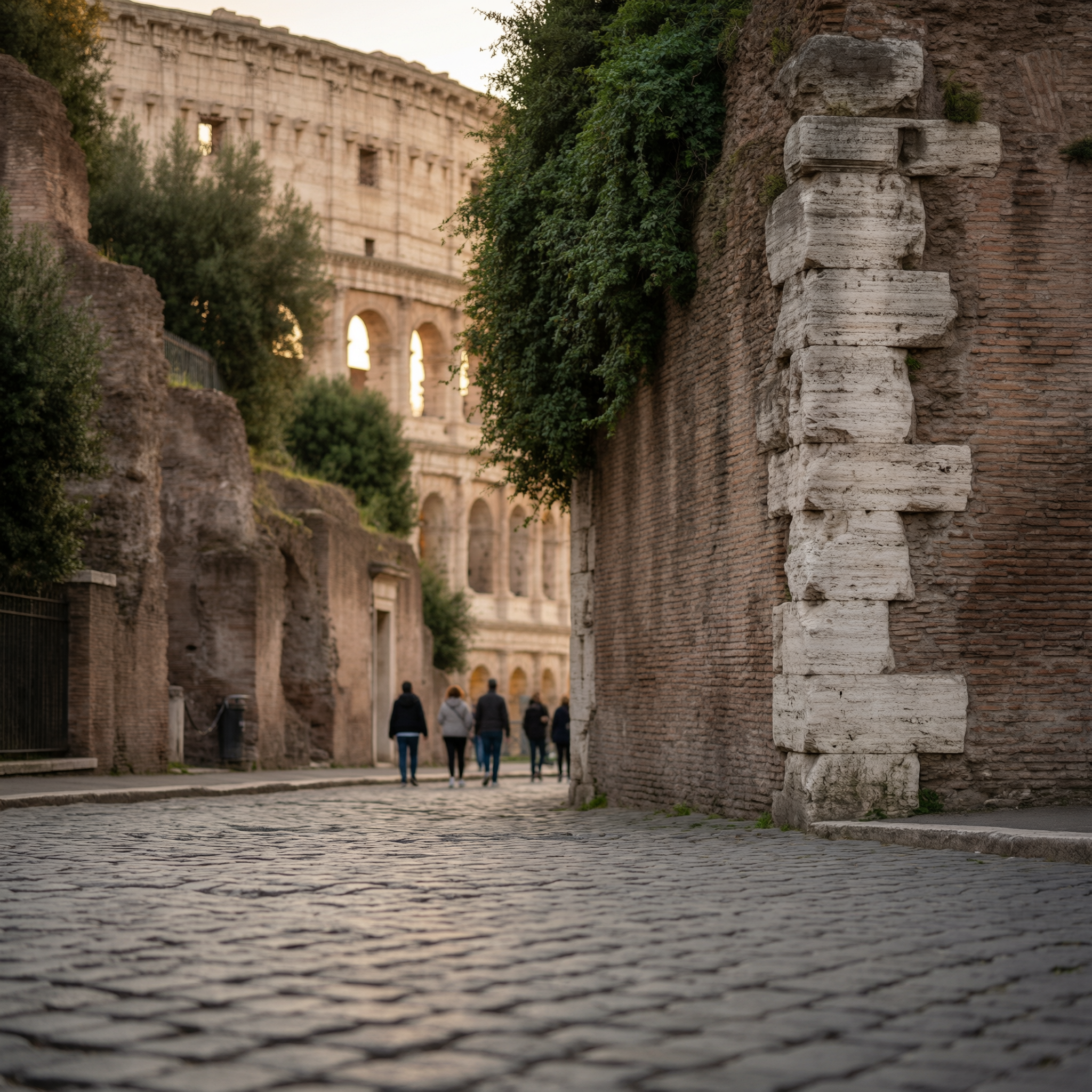
Did you know that nearly 15 million people visit the Colosseum every year? Standing before this ancient amphitheater, I couldn’t help but think about the gladiators and the roaring crowds that once packed its seats. Wandering through the Roman Forum next door, I felt history in every stone, imagining the political dramas that played out there. While the Vatican Museums house some of the world’s most treasured art, I found unexpected peace in the Pantheon‘s oculus, a perfect circle of sunlight. But Rome’s charm goes beyond its famous landmarks…
Before you go: Visitor details can change. Check Reddit – Colosseum tickets on new website and Rick Steves Community – Colosseum New Website for Tickets before you go.
Colosseum
How can anyone visit Rome without being drawn in by the grandeur and historical significance of the Colosseum, the iconic amphitheater that has stood since the 1st century AD? Stepping inside, I was struck by its sheer scale, the arena could hold up to 70,000 spectators for gladiator battles and animal hunts. The Colosseum’s elliptical form and tiered facade, with its repeating arches rising across four stories, speak to both Roman engineering ambition and a flair for spectacle.
Wandering through the ancient corridors, I felt the weight of history. The complex system of pulleys, counterweights, and ramps once used to create elaborate stage sets showcased the Romans’ engineering talents. It’s a reminder of the empire’s ingenuity and its appetite for spectacle.
From the Colosseum, I gazed toward the Roman Forum and Palatine Hill, imagining the bustle of ancient Rome. Despite centuries of earthquakes and stone robbers, the Colosseum remains a resilient symbol of cultural heritage. It drew me in not just as a historical monument but as a testament to human ambition across the ages.
Roman Forum
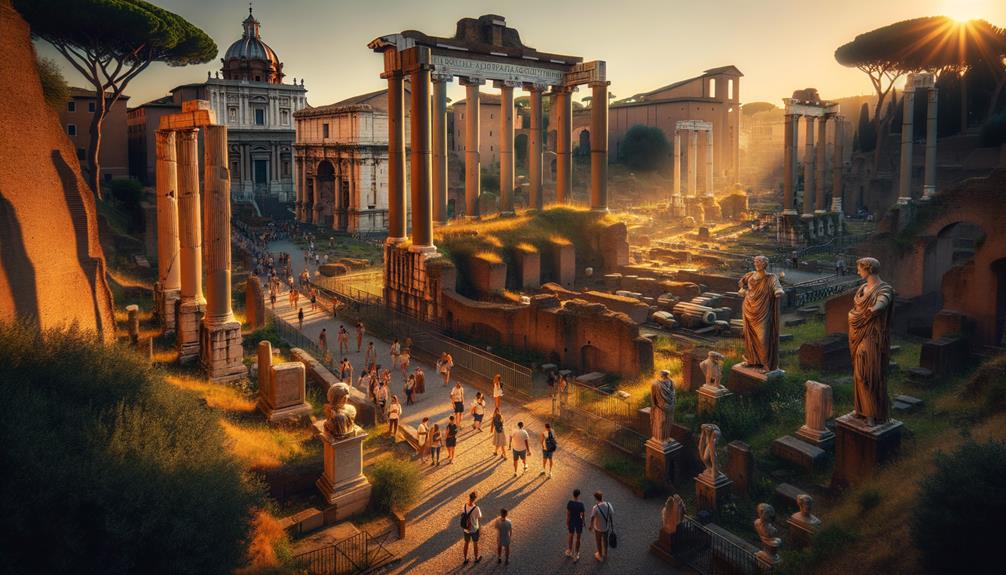
As I stepped into the Roman Forum, I felt like I had traveled back to the core of ancient Rome’s political, religious, and social life. Walking among the ruins, I was struck by the remnants of temples, basilicas, and arches that once defined Rome’s landscape. The scale of the ancient architecture made it easy to picture the activity that once filled these spaces.
| Structure | Purpose |
|---|---|
| Temple of Saturn | Religious ceremonies |
| Basilica Julia | Legal proceedings and events |
| Arch of Titus | Commemorative monument |
Standing before the Temple of Saturn, I felt deeply connected to Rome’s history, knowing it was dedicated to the god of wealth and time. Nearby, the Basilica Julia, once a hub for legal matters, reminded me of the complexities of Roman governance. The Arch of Titus, both solemn and celebratory, captured Rome’s victories and losses.
Every step in the Roman Forum brought a sense of wonder and respect for the civilization that influenced so much of the modern world. Immersed in this ancient heart of Rome, I felt as though history itself had opened its doors to me.
Vatican Museums
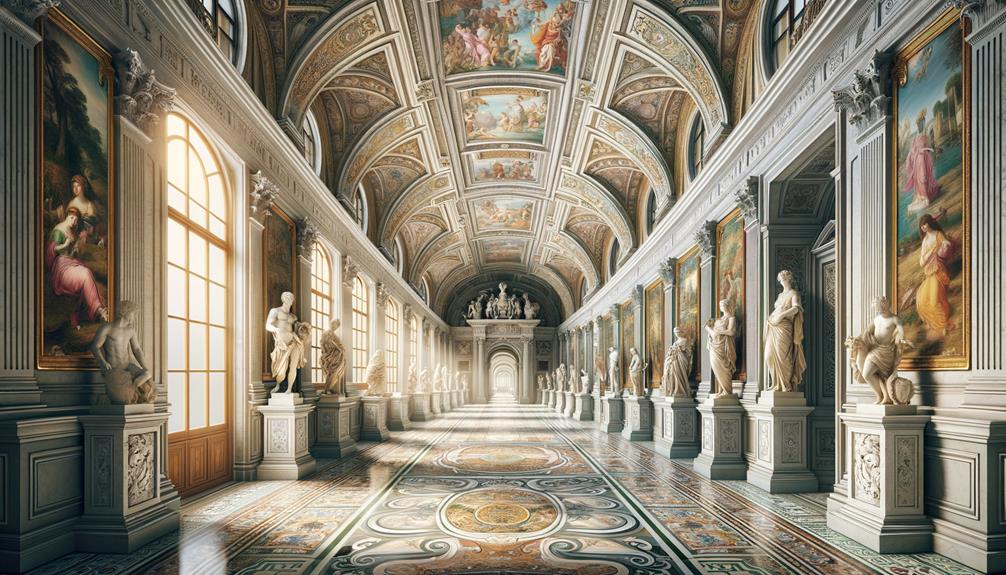
Walking into the Vatican Museums, I was immediately overwhelmed by the depth of art and history packed into every room. Each gallery revealed a new layer of cultural significance, making me feel as though I was moving through a living timeline of human creativity.
One of the most breathtaking moments was standing beneath the ceiling of the Sistine Chapel. Michelangelo’s work felt almost otherworldly, a direct connection to something beyond the everyday. The biblical scenes, painted with extraordinary precision, left me in awe. I couldn’t stop thinking about the countless hours and sheer passion that went into creating them.
Moving on to St. Peter’s Basilica, the grandeur continued. The immense scale of the basilica, along with its stunning architecture and spiritual atmosphere, made it a place for genuine reflection. The Vatican Museums as a whole, with their vast collections and accumulated centuries of patronage, stand as one of Rome’s most remarkable cultural destinations.
Exploring these wonders wasn’t just a tour; it was an absorbing experience that forged a real connection to the past.
Pantheon
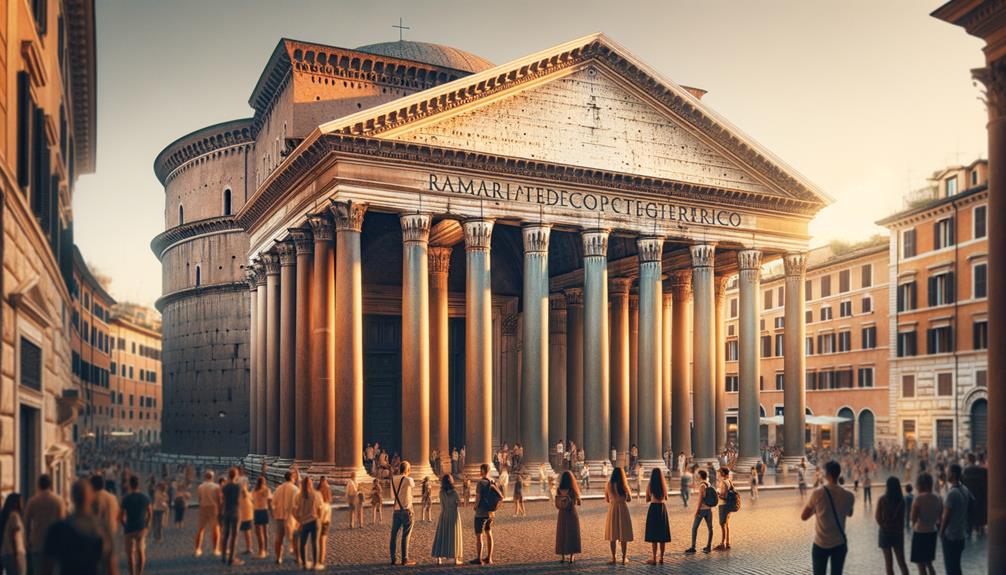
Stepping into the Pantheon, the grandeur of its ancient architecture struck me immediately, especially the massive dome overhead. The oculus at the top draws a shaft of natural light into the interior, shifting slowly across the walls throughout the day. This nearly 2,000-year-old structure, originally dedicated to all the Roman gods and now a church, still inspires awe through its seamless blend of history and engineering.
Architectural Marvel and History
The Pantheon, with its breathtaking dome and timeless design, stands as a testament to Rome’s architectural brilliance. Walking through this ancient marvel, I was struck by how well it has endured. Built in 126 AD, it remains one of the best-preserved buildings from antiquity, and it’s easy to see why. The design, a grand temple front of eight Corinthian columns leading into a perfectly proportioned rotunda, is unlike anything else in Rome.
I couldn’t help but admire the ingenuity of its builders. The massive dome, measuring 43.4 meters in both height and diameter, remains the world’s largest unreinforced concrete dome. A few things stood out to me:
- The recessed panels, or coffers, in the dome that reduce its weight without compromising strength.
- The continuous use of the Pantheon, from a Roman temple to a Christian church and now a cultural landmark.
- Its design has inspired countless other buildings, including the U.S. Capitol.
- The feeling of stepping back in time, standing where Romans once stood.
- The Pantheon’s role as a symbol of Rome’s enduring legacy.
Each of these aspects adds layers to the Pantheon’s significance, making it essential for anyone drawn to history and architecture.
Oculus and Interior Design
Standing under the Pantheon’s oculus, I felt a genuine connection to history as sunlight poured through the round opening and cast a soft glow across the carefully proportioned interior. The beam moved throughout the day, almost like a slow spotlight, drawing attention to the ancient stonework. The oculus is a remarkable architectural feature, providing both light and a symbolic link between the building and the sky.
The Pantheon’s interior is genuinely stunning. The coffered dome, the largest unreinforced concrete dome in the world, rises overhead, a demonstration of Roman engineering at its finest. Looking around, I saw a precise interplay of geometric patterns and rich materials such as marble and bronze, creating a space that feels both monumental and intimate.
I couldn’t help but think about the dome of St. Peter’s Basilica. While clearly inspired by the Pantheon, it adds its own character to Rome’s skyline. Being here, surrounded by centuries of history and extraordinary design, I felt a quiet sense of wonder, as if the ancient and modern worlds had met in this enduring place.
Trevi Fountain
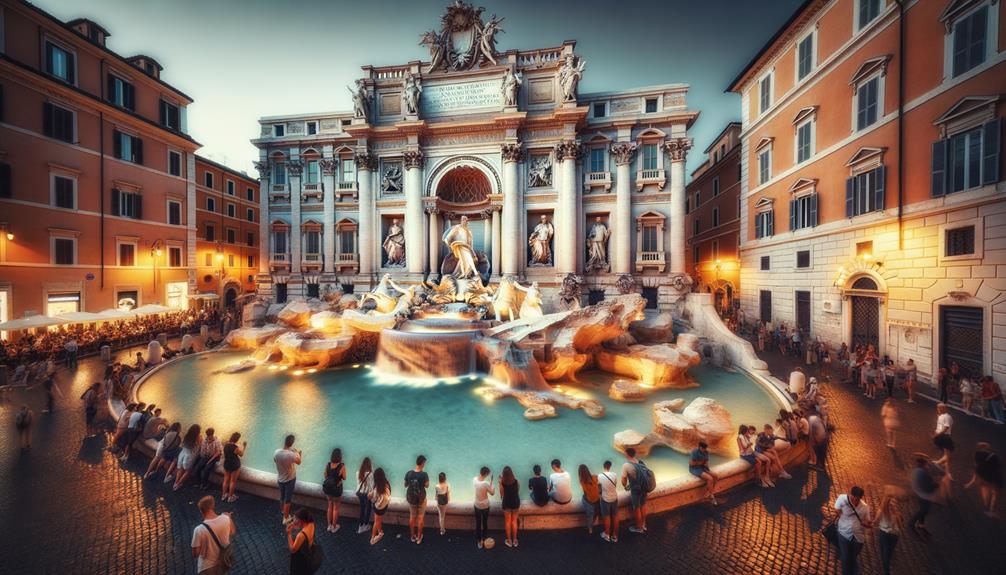
Standing in front of the Trevi Fountain, I found myself absorbed by its intricate Baroque design and layered history. Tossing a coin over my shoulder felt like more than a tourist ritual; it connected me to centuries of stories and wishes. As the water caught the Roman sunlight, I felt part of something genuinely timeless.
Historical Significance Explained
The Trevi Fountain is widely regarded as one of the finest examples of Baroque design, weaving Rome’s history and artistic ambition into a single monumental work. Completed in 1762, this landmark has anchored the city’s identity for more than two and a half centuries.
At 85 feet high and 160 feet wide, the Trevi Fountain is one of the largest Baroque fountains in the world. Its impressive scale commands attention at the junction of three roads, the source of the name ‘Trevi.’ Commissioned by Pope Clement XII in 1732, Nicola Salvi designed the fountain as the grand terminus of the Aqua Virgo aqueduct, which has supplied water to Rome since ancient times.
Architectural Highlights: The central arch, surrounded by mythological figures, features Neptune, the god of the sea, in a magnificent chariot.
Historical Importance: The fountain marks the endpoint of the Aqua Virgo aqueduct, linking Rome’s ancient infrastructure to its present-day streetscape.
Pop Culture Impact: Its appearances in films like ‘La Dolce Vita‘ have cemented its global fame.
Symbolic Details: Each statue and carving tells a story, drawing on Rome’s deep mythological traditions.
Civic Pride: The fountain reflects the city’s long tradition of integrating art into public life.
Every visit to the Trevi Fountain is a journey through history, art, and culture, each element inseparable from the others.
Coin Toss Tradition
Tossing a coin into the Trevi Fountain isn’t just a playful act; it’s a well-worn tradition said to promise a return to Rome for those who take part. As I stood before the Fontana di Trevi, I felt a connection to the countless visitors who had made the same gesture over the decades. The energy around the fountain was palpable, with tourists turning their backs to the water, coin in hand, ready to join in this enduring ritual.
The coin toss isn’t just about ensuring a future trip to Rome; it’s a moment that ties you to the city’s history. Each coin represents a hope, a dream, or a quiet promise to oneself. As I tossed mine over my shoulder, I felt a real bond with this city, a place where ancient history and daily life remain inseparable.
The clear waters of the Fontana di Trevi seem to hold the wishes of generations. Watching the coins glint in the sunlight, I realized that this simple act is more than a wish, it’s a small acknowledgment of Rome’s enduring pull, and a quiet promise that I’d be back.
Spanish Steps
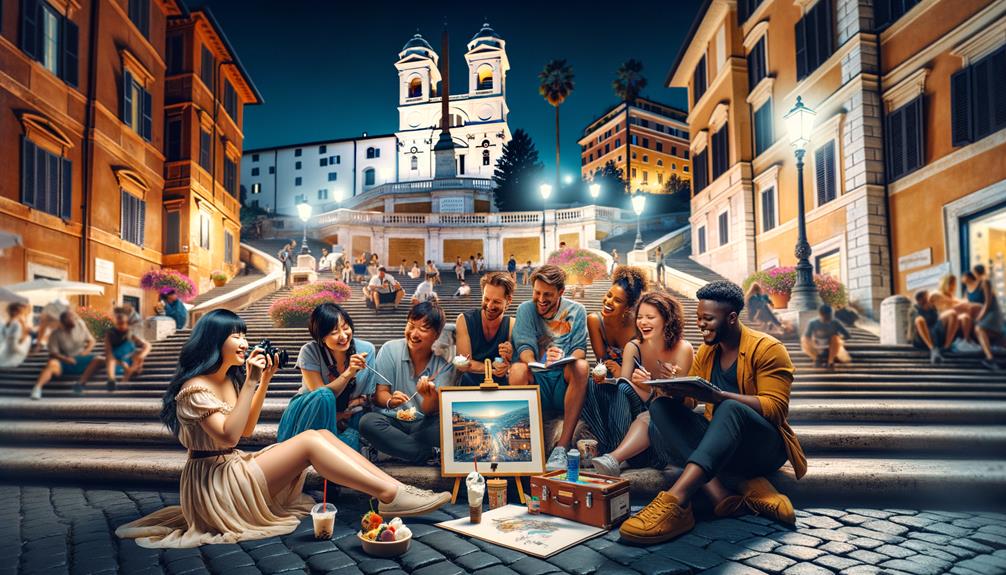
Situated in the heart of Rome, the Spanish Steps rise gracefully from the Piazza di Spagna, combining architectural elegance with cultural history. Standing at the base, I was struck by how the 138 steps, designed by Francesco de Sanctis in 1725, create a sweeping path up to the Trinità dei Monti church. Funded by French diplomat Étienne Gueffier, the steps take their name from the nearby Spanish Embassy to the Holy See.
The Spanish Steps are more than a staircase; they’re a natural gathering place. I watched people from all walks of life pause to take in the scene, drawn by the history layered into every stone. The surrounding streets, lined with upscale boutiques and cafes, add to the area’s particular energy.
- Architectural brilliance: The steps reflect de Sanctis’ skill, fitting seamlessly into the city’s fabric.
- Cultural hotspot: A prime spot for people-watching and unwinding.
- Film history: Iconic scenes from films like ‘Roman Holiday’ were shot here.
- Shopping: Upscale boutiques and restaurants surround the steps.
- Panoramic views: The top offers sweeping views of Rome and the Trinità dei Monti church.
The Spanish Steps capture Rome’s timeless appeal, inviting us to slow down and take it all in.
Capitoline Museums
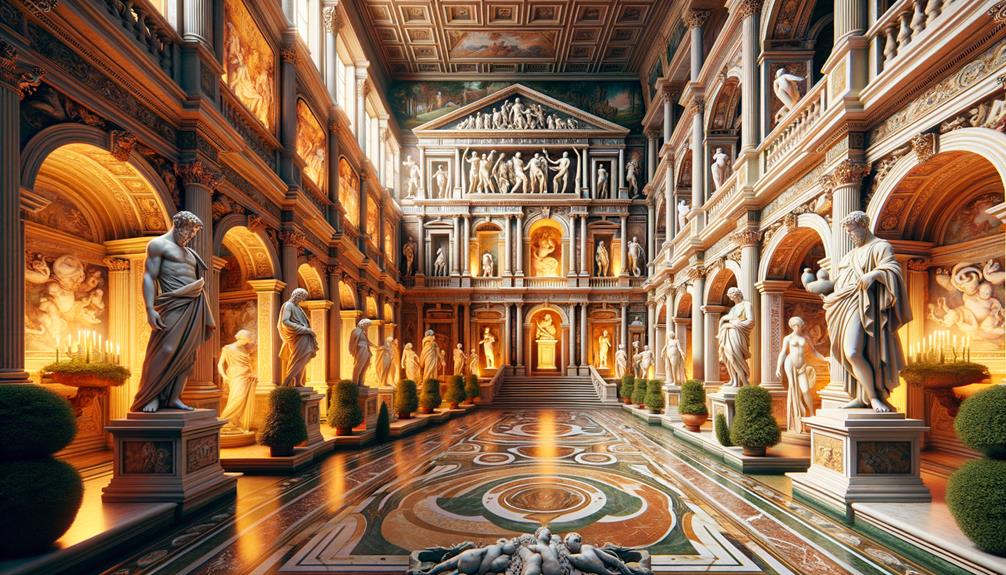
Strolling through the Capitoline Museums, I felt like I was moving through a treasury of ancient and Renaissance masterpieces. The ancient sculptures, particularly the iconic she-wolf with Romulus and Remus, left me speechless. The historical artifacts and Renaissance paintings on display deepened my understanding of Rome’s layered cultural history.
Ancient Sculpture Collection
The Capitoline Museums in Piazza del Campidoglio hold an impressive collection of ancient Roman sculpture, offering a close look at Rome’s artistic and cultural heritage. Walking through the halls of the Palazzo dei Conservatori, I found myself captivated by the pieces around me. These sculptures are more than historical artifacts; they tell stories of Rome’s ambition and its enduring myths.
Standing before the She-Wolf nursing Romulus and Remus, I felt a direct connection to Rome’s founding myth. The equestrian statue of Marcus Aurelius radiates authority and composure, while the massive head of Constantine commands attention through sheer scale. The Capitoline Venus, by contrast, offers a more intimate glimpse into ancient Roman sensibility.
- She-Wolf nursing Romulus and Remus: Symbolizes Rome’s origin.
- Equestrian statue of Marcus Aurelius: Represents imperial authority.
- Colossal head of Constantine: Imposing and arresting.
- Capitoline Venus: Embodies Roman ideals of beauty.
- Palazzo dei Conservatori courtyard: A quiet space rich in history.
Every piece in the Capitoline Museums, spread across the Palazzo dei Conservatori and Palazzo Nuovo, invites visitors to step back in time and engage with Rome’s lasting legacy.
Renaissance Artworks Display
The Capitoline Museums‘ Renaissance collection, with works by Titian, Tintoretto, and Caravaggio, offers a compelling look at one of the most significant periods in Western art. As I moved through the Palazzo dei Conservatori and Palazzo Nuovo, connected by an underground tunnel, I felt the full weight of the artistic shifts that defined the Renaissance.
Titian’s brushwork seemed to carry the warmth of Venetian life, while Tintoretto’s dramatic compositions pulled me into their charged scenes. But it was Caravaggio’s use of chiaroscuro, the stark contrast of light and shadow, that stopped me in my tracks. His paintings felt less like objects on a wall and more like windows into a world where every detail was chosen to provoke thought and feeling.
Beyond the paintings, the Capitoline Museums' Renaissance collection also includes beautiful decorative arts. I was captivated by the intricate tapestries and ornate furniture that transported me to luxurious palaces, while delicate ceramics showcased the refined tastes of the era. Each piece told a story, not just of art but of the cultural and social changes that marked the Renaissance.
Exploring these works, I couldn’t help but admire the creative freedom that flourished during this remarkable period, a spirit that still feels present in Rome today.
Historical Artifacts Exhibition
Walking into the Capitoline Museums’ historical artifacts galleries, I was struck by how directly the objects spoke. These weren’t just old things; they were evidence of a once-powerful civilization. From detailed mosaics to weathered statues, each piece seemed to carry the weight of centuries.
I found myself comparing these treasures to others I’d seen around Rome, including those at Palazzo Massimo. Still, the Capitoline collection had its own particular appeal, mixing grandeur with moments of personal discovery. Among the highlights, I noticed:
- Ancient Roman busts, capturing the stern faces of emperors and philosophers
- Bronze figures with a lifelike presence
- Marble sarcophagi intricately carved with mythological scenes
- Coins and jewelry offering glimpses of everyday Roman life
- Architectural fragments hinting at the glory of long-lost buildings
Thinking back to my visits to Villa Borghese and the Doria Pamphilj Gallery, I noticed how each museum in Rome offers a distinct perspective on the city’s layered history. The artifacts at the Capitoline Museums left me feeling genuinely connected to an ancient world, and to the curiosity that drives us to keep uncovering it.
Piazza Navona
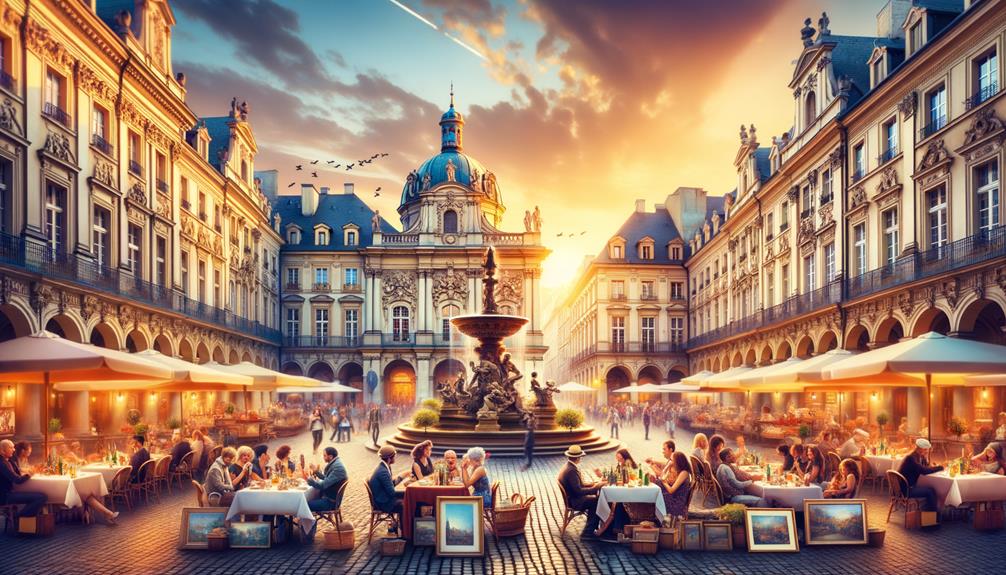
When I stepped into Piazza Navona, the atmosphere caught me immediately. The Baroque architecture and the commanding Fountain of the Four Rivers set a striking scene. Located in the heart of Rome, this square is one of the city’s most animated public spaces. Street musicians, the smell of fresh espresso, and art vendors all competed for attention.
Moving closer to the Fountain of the Four Rivers, I admired the detailed sculptures representing the four great rivers known in the 17th century: the Nile, Ganges, Danube, and Rio de la Plata. Bernini’s craftsmanship is extraordinary, each river god given a distinct character and posture.
| Observation | Personal Reflection |
|---|---|
| Baroque Architecture | The intricate designs draw me in. |
| Fountain of Four Rivers | It's a stunning work of art. |
| Street Performers | Their skill adds a magical touch. |
Around the piazza, the Church of Sant’Agnese in Agone, designed by Borromini, showcases Rome’s Baroque architecture at its most assured. The church’s facade is a study in elegant restraint, and its interior offers a quiet contrast to the bustle outside. Sitting at a nearby café with a cappuccino, I felt the layers of history and daily life that have shaped this remarkable square.
Villa Borghese
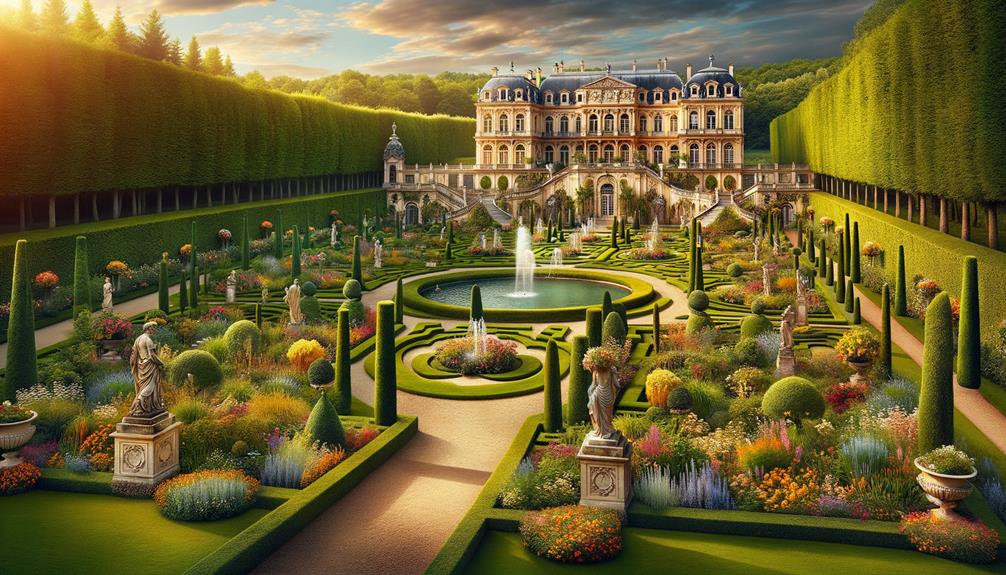
When you step into Villa Borghese, the expansive gardens immediately offer a welcome break from Rome’s busy streets. This large green space feels like an oasis. As I strolled through the well-kept lawns and shaded paths, I kept noticing how naturally art and nature coexist throughout the park.
The area around Villa Borghese has a relaxed pace, with quiet cafés and tucked-away corners worth seeking out. From the hilltops, especially the Pincio Terrace overlooking Piazza del Popolo, you get some of the finest views of Rome.
Galleria Borghese: Houses works by Bernini, Caravaggio, and Raphael.
Bioparco di Roma: A zoo well suited to families.
Pincio Hill: Offers sweeping city views.
Lake Garden: Rent a rowboat and drift past classical statues.
Silvano Toti Globe Theatre: A replica of the Globe Theatre hosting Shakespeare productions.
Villa Borghese is more than a park; it’s a place where art, history, and nature converge. The unhurried atmosphere makes it a genuine respite from the city’s pace.
St. Peter’s Basilica
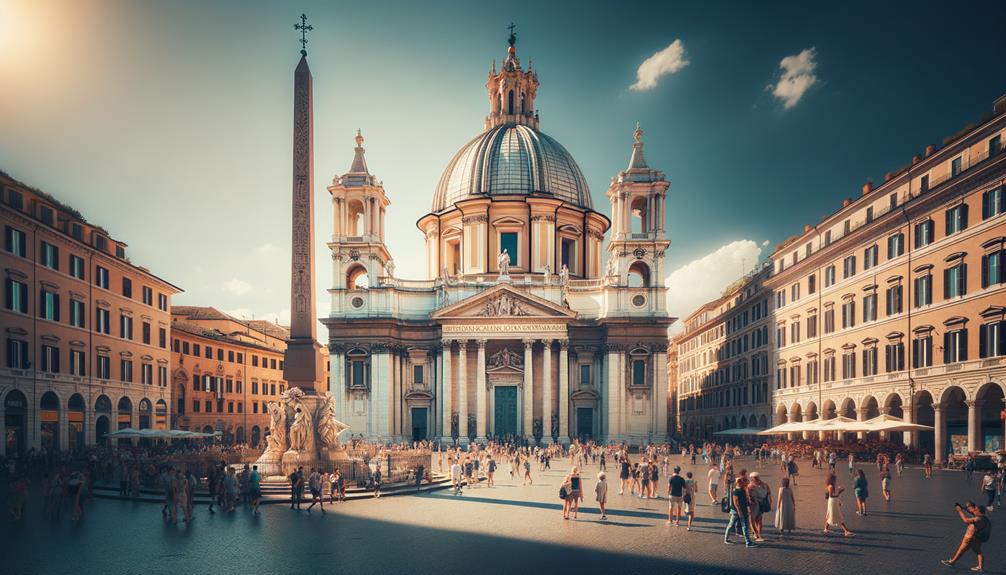
St. Peter’s Basilica is a remarkable example of Renaissance architecture and holds a central place as the spiritual heart of the Catholic Church. Walking through St. Peter’s Square, I was struck by a profound sense of scale and history. The grand facade, shaped by masters including Michelangelo and Bernini, commands both attention and respect.
Inside, the vast nave is simply stunning. The detailed mosaics, the towering Baldacchino, and Michelangelo’s Pietà each invite quiet reflection. Every corner tells a story of devotion and artistic skill. Standing beneath the dome, I felt both small and inspired, gazing up at Michelangelo’s masterpiece.
Exploring beneath the Basilica, I found the Vatican Grottoes. Here, the tombs of past Popes rest in quiet contrast to the splendor above. The history of St. Peter’s is tangible, a reminder of the centuries of faith and influence that have shaped this place.
Stepping out onto the roof, the panoramic view of Rome is a fitting reward. The city stretches out, ancient and alive, a testament to time and human effort. St. Peter’s Basilica isn’t just a building; it’s a journey through history, art, and faith.
Frequently Asked Questions
What Shouldn’t You Miss in Rome?
When you’re in Rome, don’t miss the Colosseum’s impressive structure, the Vatican’s extraordinary art, the echoes of history at the Roman Forum, the architectural ingenuity of the Pantheon, and the spectacle of the Trevi Fountain. Each of these sites captures something essential about what makes Rome so memorable.
What Is the Number One Must-See in Rome?
For many visitors, the Colosseum is the single attraction they most want to see in Rome.
I was in awe of its scale and the detail still visible in its ancient stonework. Walking through its corridors, I felt a strong connection to history and the many stories embedded in its walls.
Is 3 Days Enough for Rome?
Is three days really enough to get the full feel of Rome? It’s a city that had me charmed from the start, with its layered streets and deep history, but there’s always something new around the next corner. Make the most of your time, and plan to come back.
How Many Days Do I Need in Rome to See Everything?
Seeing Rome thoroughly takes around 7–10 days. The city’s history and distinct neighborhoods reward a slower pace. That said, 3–5 days is enough to cover the main attractions if your time is limited.